Electric flying vehicles sit at the top of future mobility. In 2025, prices reflect advanced battery systems, autonomous tech, and aviation-grade safety. You are likely searching for the most expensive electric flying vehicles available or nearing production. This guide ranks premium models by price and explains what you receive for the money.
List Of 2025 Most Expensive Electric Flying Vehicles
Joby Aviation S4
 Estimated price 2.1 million to 2.5 million USD. The Joby Aviation S4 leads the high-end eVTOL market. You get a five-seat electric air taxi built for urban and regional routes.
Key specs
• Seating for 1 pilot and 4 passengers
• Range around 150 miles
• Cruise speed close to 200 mph
• Vertical takeoff and landing
• Noise output far lower than helicopters
Why it costs so much
• High-density battery pack
• Redundant propulsion systems
• Extensive FAA certification work
Eviation Alice
 Estimated price around 2 million USD. Eviation Alice targets regional electric aviation rather than city hops. You get a full electric commuter aircraft.
Key specs
• Seating for 9 passengers
• Range about 250 miles
• Cruise speed near 260 mph
• Fixed-wing electric aircraft
Who it suits
• Regional airlines
• Charter operators
• Short-haul commercial routes
Supernal S-A2
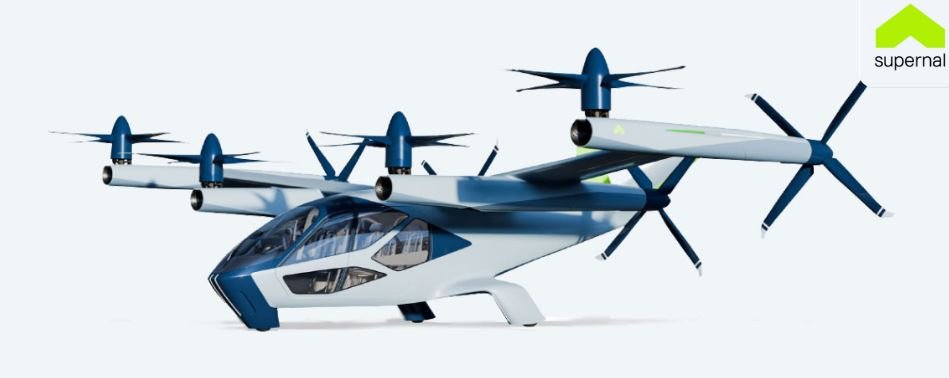 Estimated price around 1.9 million USD. Supernal, backed by Hyundai Motor Group, focuses on premium urban air mobility.
Key specs
• Seating for 1 pilot and 4 passengers
• Range near 100 miles
• Distributed electric propulsion
• Strong safety-first design
Cost drivers
• Automotive-grade manufacturing standards
• Advanced flight control software
Vertical Aerospace VX4
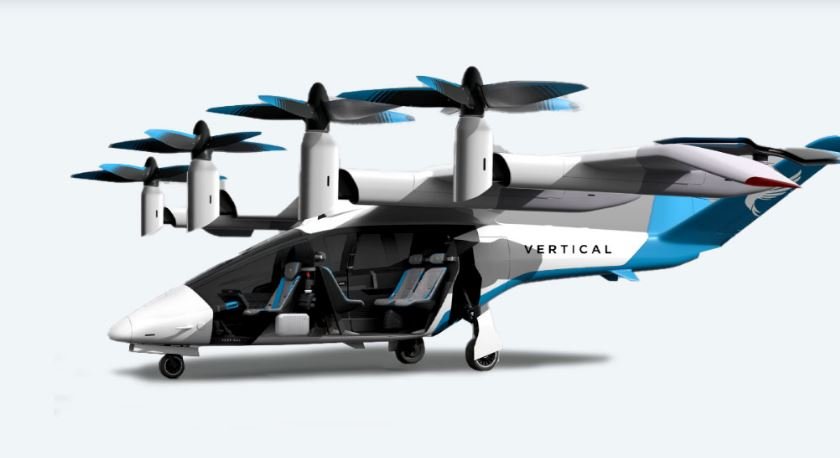 Estimated price around 1.8 million USD. The VX4 competes directly with Joby and Supernal in the air taxi space.
Key specs
• Seating for up to 5 occupants
• Range about 100 miles
• Cruise speed near 200 mph
• Eight tilt rotors
Best use
• Urban air taxi fleets
• Corporate transport
EHang 216 AAV
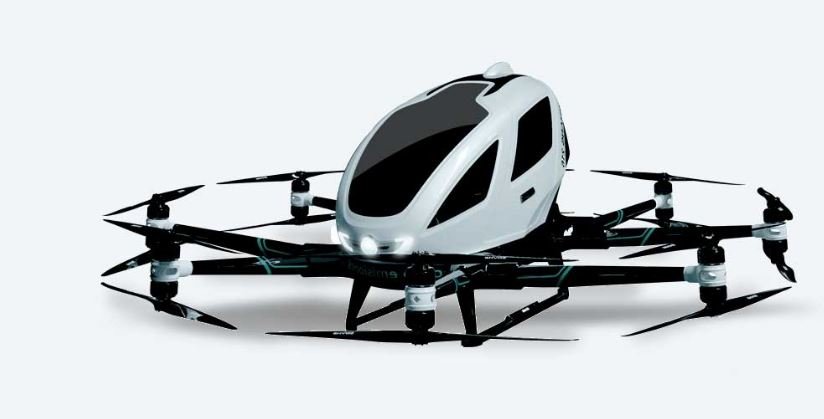 Estimated price around 1.7 million USD. EHang 216 stands out as a fully autonomous electric aircraft.
Key specs
• Seating for 2 passengers
• Range around 40 miles
• No onboard pilot
• Fully automated flight system
Why buyers pay more
• Autonomous navigation
• Fleet management software
• Designed for smart city transport
BETA Alia-250

Estimated price around 1.5 million USD. BETA Alia-250 focuses on longer electric range than most eVTOLs.
Key specs
• Seating for up to 5 occupants
• Range close to 250 miles
• Vertical and conventional takeoff options
• Cargo and passenger variants
Ideal for
• Medical transport
• Regional logistics
• Passenger shuttle routes
Daher EcoPulse

Estimated price around 1.4 million USD. EcoPulse uses a hybrid-electric system rather than full electric.
Key specs
• Seating for 2
• Hybrid-electric propulsion
• Range up to 750 miles
• Focus on efficiency testing
Why it ranks high
• Experimental propulsion platform
• Advanced power management systems
Doroni H1-X
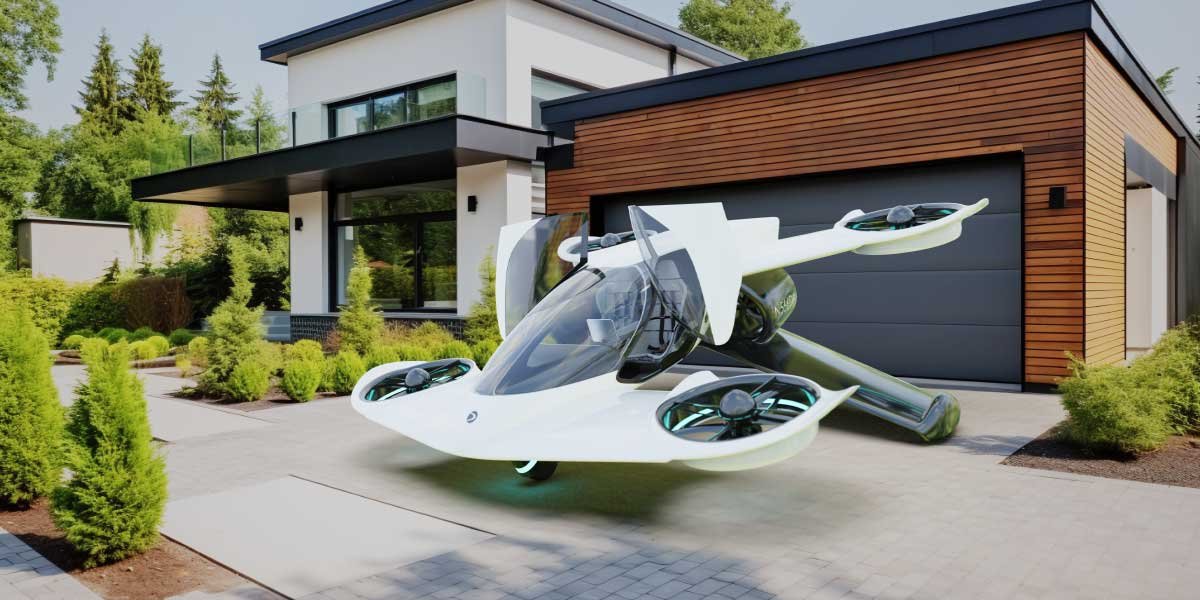 Estimated price around 400,000 USD. Doroni H1-X targets personal electric flight rather than commercial use.
Key specs
• Single-seat eVTOL
• Range about 35 miles
• Designed for private owners
• Vertical takeoff capability
Buyer profile
• Tech enthusiasts
• Short-distance personal travel
Bye Aerospace eFlyer 2
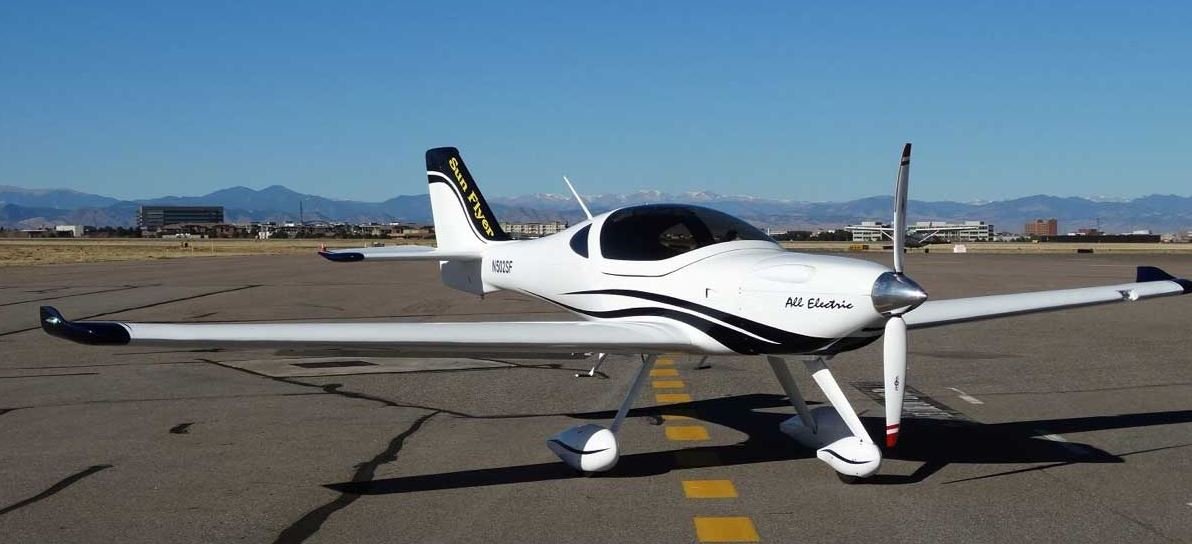 Estimated price around 350,000 USD. The eFlyer 2 serves training and private aviation markets.
Key specs
• Two-seat electric aircraft
• Flight time up to 3 hours
• Low operating cost
• Fixed-wing design
SkyDrive SD-05
 Estimated price around 300,000 USD. SkyDrive SD-05 sits at the lower end of this premium list.
Key specs
• Single-seat eVTOL
• Short urban flight range
• Early-stage production model
Price comparison overview
Top-priced electric flying vehicles in 2025
• Joby Aviation S4 up to 2.5M USD
• Eviation Alice around 2.0M USD
• Supernal S-A2 around 1.9M USD
• Vertical Aerospace VX4 around 1.8M USD
• EHang 216 AAV around 1.7M USD
What drives electric flying vehicle prices
• Battery energy density
• Certification and testing costs
• Autonomous flight systems
• Redundant safety hardware
• Limited production volume
Why this market matters
Electric flying vehicles reduce noise and emissions. High prices reflect early-stage technology and certification costs. As production scales, you will see lower prices over time, similar to early electric cars.
Related
- 2025 USA Top electric vehicles
- 2025 Cheapest Electric Flying Vehicles: Entry-Level Prices and Specs
- Joby Aviation to Build 25 AI-Powered Vertiports With Metropolis in NY & LA
- Alef Aeronautics Model A: The $300K Flying Car You Can Buy
- TCab Tech E20 Review: China’s Futuristic Air Taxi