Electric vehicles keep gaining ground worldwide. Charging access shapes ownership experience. Speed, reliability, and ease of use matter. This guide reviews six leading charging stations in 2025. It focuses on real use cases for EV owners across regions.
Each section explains what you get, where it fits, and who should buy it.
List Of 2025 Top Electric Vehicle Charging Stations
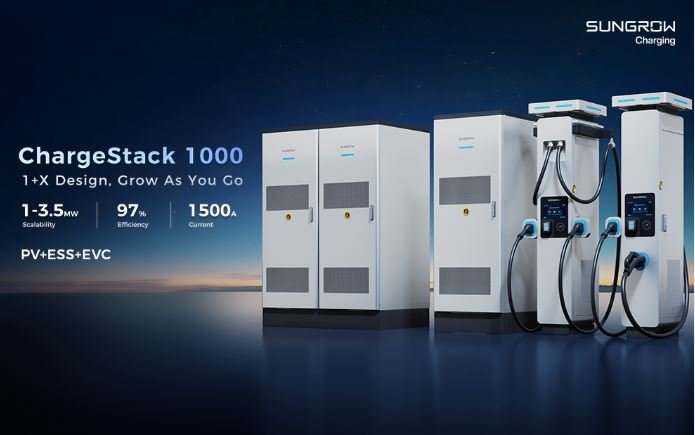
ChargeStack 1000 EV Charging Station
ChargeStack 1000 targets high-demand public charging. It supports high voltage systems used by modern EVs.
Core Specifications
• High-voltage architecture up to 1000V
• DC fast charging support
• Outdoor-rated enclosure
Why You Should Care
High voltage improves charging efficiency for newer EV platforms. This reduces charge time on long trips. It also supports stable output during peak use.
Best Use Case
• Highway corridors
• Urban fast charging hubs
• Fleet depots with frequent sessions
If you rely on public fast charging during travel, this unit delivers consistent performance.

Aqua 75 DC Fast EV Charger
Aqua 75 sits in the mid-range DC fast category. It balances speed and installation cost.
Core Specifications
• 75kW DC output
• Compact footprint
• Active cooling system
Why You Should Care
Many EVs charge efficiently between 50kW and 100kW. This charger fits that window. It avoids heavy grid upgrades while offering solid speed.
Best Use Case
• City charging locations
• Retail parking areas
• Secondary highway stops
This option suits drivers who want dependable fast charging without ultra-high power needs.
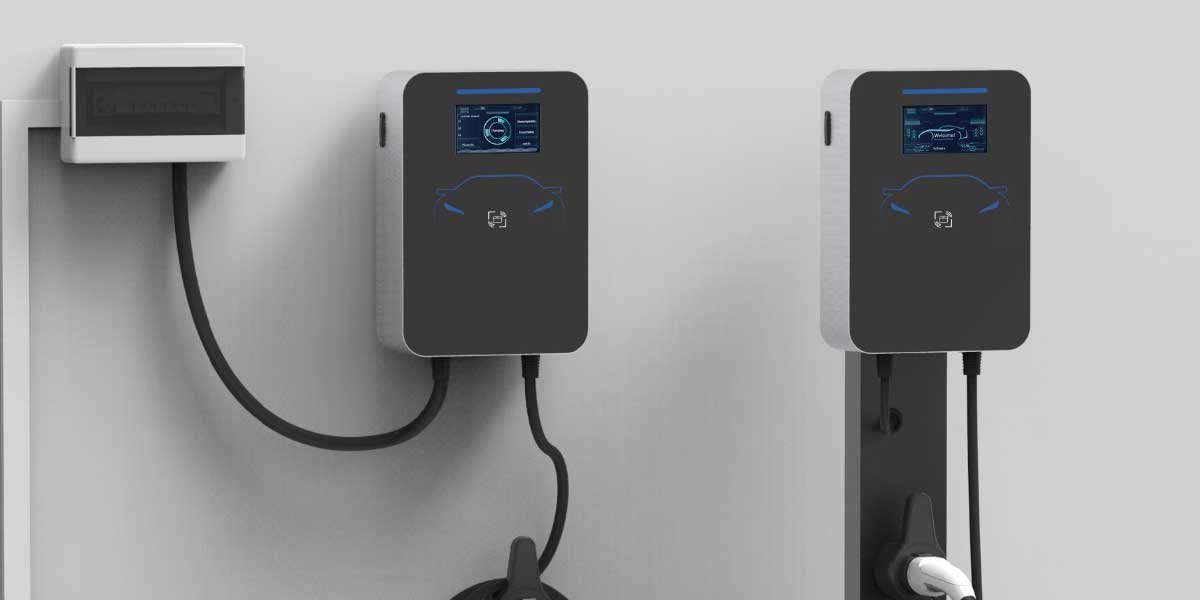
EVCOME OCPP 1.6J Smart EV Charger
EVCOME focuses on smart AC charging with network support.
Core Specifications
• OCPP 1.6J protocol
• Load balancing support
• Mobile app access
Why You Should Care
OCPP enables interoperability across networks. You avoid lock-in to one provider. Smart scheduling reduces energy cost during off-peak hours.
Best Use Case
• Apartment complexes
• Workplace charging
• Shared residential parking
This charger fits owners who value control, monitoring, and billing transparency.
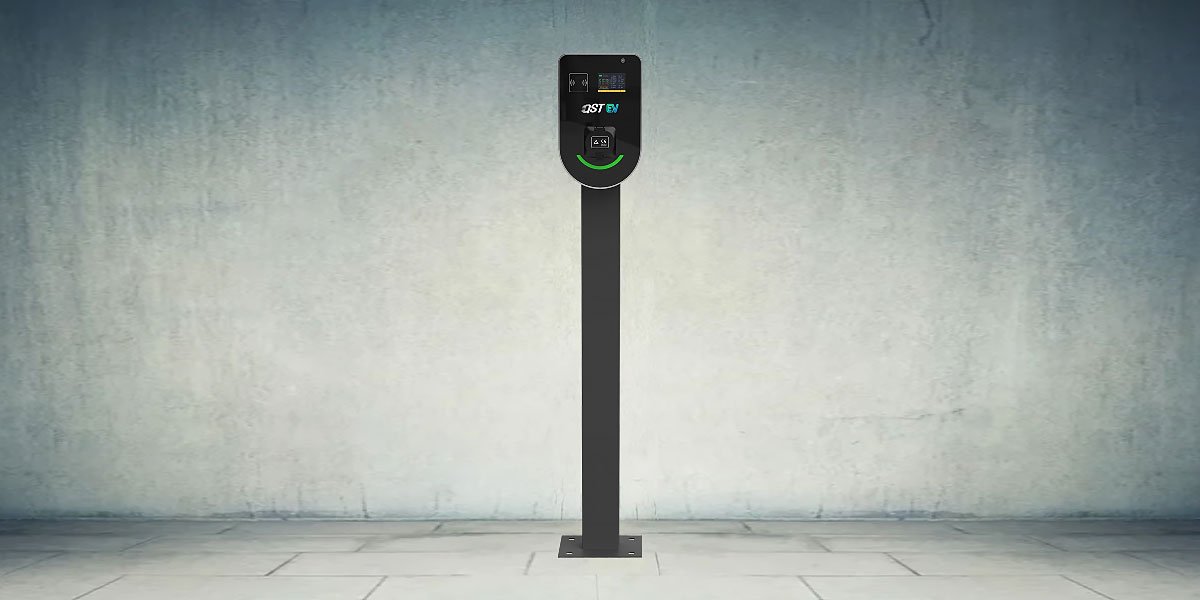
QST EVSE CHARGER QSTEV22K-C3
QSTEV22K-C3 is a high-output AC charger designed for three-phase power systems.
Core Specifications
• 22kW AC output
• Wall-mounted design
• Integrated safety protections
Why You Should Care
A 22kW charger cuts home charging time when your EV supports three-phase input. Overnight charging completes faster compared to 7kW units.
Best Use Case
• Homes with three-phase supply
• Small commercial parking areas
• Hotels and offices
This charger suits owners who want fast AC charging without moving to DC hardware.

Estar EV Fast Charger 160KW
Estar 160KW targets heavy-duty fast charging.
Core Specifications
• 160kW DC output
• CCS and CHAdeMO connectors
• Built-in payment interface
Why You Should Care
High power supports large battery packs. This reduces stop time during long-distance travel. It also supports sequential charging for fleets.
Best Use Case
• Major highways
• Transport hubs
• Commercial fleet operations
If speed ranks high on your priority list, this charger delivers.
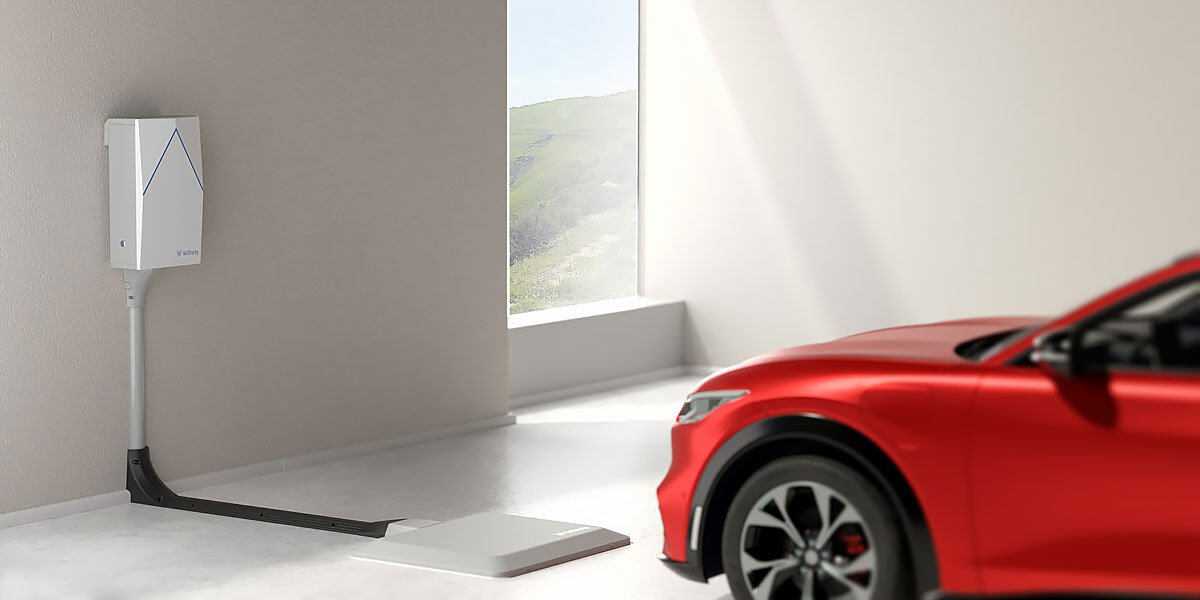
WiTricity Wireless EV Charger
WiTricity offers cable-free charging through magnetic resonance technology.
Core Specifications
• Ground pad based system
• Automatic energy transfer
• No plug-in required
Why You Should Care
Wireless charging removes daily cable handling. This improves convenience and reduces wear on connectors.
Best Use Case
• Private home garages
• Premium EV models with wireless support
This option suits owners who prefer routine simplicity over raw speed.
How to Choose the Right EV Charging Station
Charging Speed
• AC charging works best for home and overnight use
• DC fast charging suits road trips and public stations
• Match charger output to your vehicle’s onboard limit
Connector Compatibility
• CCS dominates most global markets
• CHAdeMO remains relevant for older models
• Wireless charging needs vehicle-side hardware
Smart Features
• OCPP support ensures network flexibility
• Load management protects your electrical system
• Apps help track energy use and cost
Installation Factors
• Confirm grid capacity before selecting high-power units
• Outdoor chargers need proper weather sealing
• Public chargers require secure payment systems
Cost Considerations
• AC chargers cost less to install
• DC chargers raise installation and energy expenses
• Home charging stays cheaper per kWh than public fast charging
Safety Standards
• Look for overcurrent and temperature protection
• Certified equipment lowers long-term risk
Final Buyer Guidance
Your ideal charger depends on driving habits.
Choose ChargeStack 1000 for high-traffic public use.
Choose Aqua 75 for balanced city fast charging.
Choose EVCOME for smart and shared environments.
Choose QSTEV22K-C3 for fast home AC charging.
Choose Estar 160KW for highway speed.
Choose WiTricity for convenience-focused home charging.
This approach ensures your charging setup aligns with your vehicle, power supply, and daily routine.
Related
- Spain Reaches 50,000 Public EV Chargers in 2025 as High Power Infrastructure Surges
- 17-State Lawsuit Slams EV Charger Funding Freeze
- Mahindra Launches Charge_IN Ultra-Fast Charging Network With 180 kW in India
- Uno Minda Car EV Wall Charger: Home EV Charging Solution
- Electric Vehicle Chargers Near Me: Easy Guide to Find the Best Charging Spots in 2025