- Electric Vehicles
- Opel
- Opel Grandland Electric 2026
Opel Grandland Electric 2026
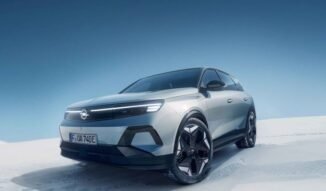
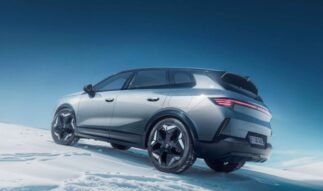

- Drive Type: FWD, AWD
- Body Type: 5-door SUV
- Self Driving: Level 2
- Airbags: Yes
PROS
- First Opel EV built on a purpose-designed BEV platform, giving it structural and thermal management advantages over converted ICE architecture rivals.
- The 73 kWh / 523 km WLTP combination is competitive in its class, with the 97 kWh option positioning it as a genuine long-range choice once available.
- An 8-year / 160,000 km battery warranty with 70% minimum capacity retention is among the longer coverage periods in the segment.
CONS
- DC charging is capped at 160 kW on a 400V system — the Hyundai Ioniq 5 and Kia EV6 offer 800V architecture with faster peak rates at similar or lower price points.
- Not officially distributed in any African market, meaning buyers face grey-market import costs, no authorised service network, and no local warranty support.
The Opel Grandland Electric 2026 is a mid-size electric SUV produced by Opel (a Stellantis brand), positioned as the brand’s flagship battery-electric model in the compact-to-mid SUV segment. It is built on Stellantis’ BEV-native STLA Medium platform — the first Opel model to use it — and is available in FWD configuration on base variants, with an AWD dual-motor option on higher trims. Its significance lies in being the first Grandland generation designed from the ground up around an electric drivetrain rather than adapted from an ICE architecture, and it shares the STLA Medium underpinnings with the Peugeot e-3008 and Alfa Romeo Junior Elettrica.
The base Grandland Electric ships with a 73 kWh net battery paired to a 157 kW (213 hp) motor producing 345 Nm of torque, with a claimed WLTP range of up to 523 km. A second variant carries an 82 kWh net battery for up to 582 km WLTP. A third option — the 97 kWh pack targeting approximately 700 km WLTP — is confirmed but not yet available at launch. All three battery variants are WLTP figures; EPA-equivalent ratings have not been published, as the model is not sold in North America. All variants support AC charging at up to 11 kW via a 3-phase Type 2 connection. DC fast charging peaks at 160 kW on a 400V architecture. On a 160 kW DC charger, the 73 kWh pack goes from 20% to 80% in approximately 29 minutes, with AC home charging on an 11 kW wallbox taking around 7 hours. The 97 kWh variant’s DC charging rate has not been officially confirmed at time of writing.
Pricing in Germany opens at €46,750 for the 73 kWh Edition trim, rising to €51,950 for the 82 kWh GS variant. The Grandland Electric is a European-market model with no official sub-Saharan Africa distribution; grey-market import into Nigeria would place the base variant in the ₦85–95 million range after shipping, clearing, and agent margins, putting it well above what most private buyers will consider but within reach of corporate fleet operators and high-end individual importers. The buyer profile skews toward families and professional-class commuters who need genuine long-range capability without stepping into premium-segment pricing. Within Opel’s own EV lineup, the Grandland Electric sits above the Astra Electric (smaller, shorter range) and below any forthcoming flagship SUV. External rivals at similar segment and price include the Volkswagen ID.4 and the Peugeot e-3008 — the latter being a near-identical STLA Medium platform sibling with different bodywork and badge. The closest direct comparison for spec-and-price purposes is the Volkswagen ID.4, which competes directly on range, price bracket, and mid-size family SUV positioning across European and grey-import African markets
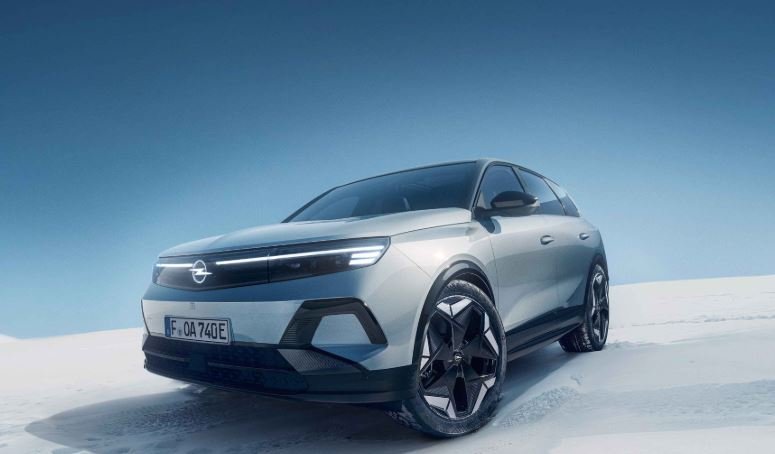
Opel Grandland Electric 2026 Photos
Full Electric Vehicle Specifications
MODEL
| Full Model Name | Opel Grandland Electric |
| Generation | 2nd Generation |
| Segment / Class | Mid-size Electric SUV / C-SUV |
| Available Trims / Variants | Edition, GS, Long Range, Ultimate, AWD Ultimate |
| Powertrain Options | 73 kWh FWD · 82 kWh FWD · 97 kWh FWD (coming soon) · 73 kWh AWD |
| Additional Notes | Also sold as Vauxhall Grandland Electric (UK) and Citroën ë-C5 Aircross (rebadge) on the same platform |
LAUNCH
| Reveal Date | Late 2024 |
| Launch Year | 2026 |
| Availability Status | On sale (Europe); deliveries from mid-2026 |
| Brand / Manufacturer | Opel / Stellantis |
| Country of origin | Germany |
| Assembly Country | Germany (Eisenach plant) |
| Markets Available | Europe (Germany, Austria, France, UK, etc.) |
| Grey Market Import | Possible via European exporters |
| Base Price (USD) | ~$50,500 (€46,750 — Germany, 73 kWh Edition) |
| Additional Notes | 82 kWh GS from €51,950. NGN grey-market estimate: ₦85–98 million after shipping, clearing, and agent costs |
BATTERY
| Battery Capacity | 77 kWh gross / 73 kWh usable (base) · 86 kWh gross / 82 kWh usable (mid) · 97 kWh gross |
| Battery Chemistry | NMC (Li-ion) |
| Battery Architecture | 400V |
| Thermal Management | Liquid-cooled |
| Range (WLTP/CLTC/EPA) | 523 km (73 kWh) · 582 km (82 kWh) · ~700 km (97 kWh — pre-launch estimate) |
| Energy Consumption | ~26.2 kWh/100 km (73 kWh variant, WLTP) |
| Heat Pump | |
| AC Charging (Max kW) | 11 kW (3-phase, Type 2) |
| DC Charging (Max kW) | 160 kW (CCS) |
| Charging Time (10–80%) | ~29 minutes (73 kWh at 160 kW DC) |
| Battery Warranty | 8 years / 160,000 km — minimum 70% capacity retention |
| Additional Notes | Official Stellantis release states "less than 30 minutes to 80%" — aligns with third-party 29-minute figure |
PERFORMANCE
| Motor Type | Permanent Magnet Synchronous (PMSM) |
| Motor Configuration | Single front motor (FWD base) · Dual motor (AWD variant) |
| Front Motor Output (kW / HP) | 157 kW / 213 hp |
| Power Output (kW / hp) | 157 kW / 213 hp |
| Torque (Nm) | 345 Nm |
| 0–100 km/h / 0-60 mph (seconds) The acceleration numbers are an easy way to compare car performance. We list either time from 0 to 100 km/h or time from 0 to 60mph, depending on which number(s) the manufacturers provide. The lower the acceleration time, the higher performance the car is. | Under 9 seconds |
| Top Speed (km/h / mph) | 170 km/h / 106 mph |
| Transmission / Drive | Single-speed reduction gear · FWD (base) / AWD (top) |
BODY
| Body Style | 5-door SUV |
| Body Colour Options | STLA Medium (BEV-native, Stellantis) |
| Wheel Size (inches) | 19-inch (standard) |
| Trunk/Boot Capacity (L) | 500+ litres |
SAFETY
| Anti-lock Braking System (ABS) | Yes |
| Electronic Stability Control (ESC) | Yes |
| Traction Control System (TCS) | Yes |
| Low-Speed Pedestrian Warning | Yes (low-speed acoustic alert) |
| Tyre Pressure Monitoring (TPMS) | Yes |
| Child Seat Anchors (ISOFIX / LATCH) | Yes |
| 360° Camera / Surround View | Yes |
| Reversing Camera | Yes |
| Hill Start Assist | Yes |
| ADAS Features | Yes — adaptive cruise control, lane keep assist, blind spot monitoring, pedestrian detection |
| Autonomous Driving Level | Level 2 |
COMFORT
| Seating Capacity | 5 |
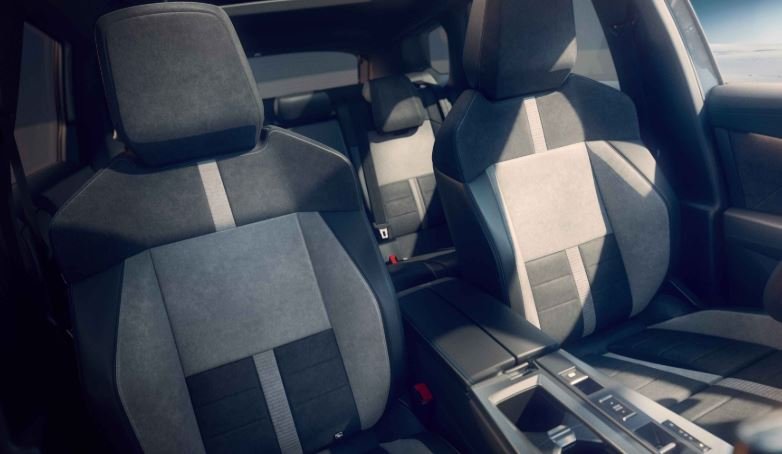
| Seat Material | Vegan leather (standard on GS and above) |
| Driver Seat Adjustment | Electric |
| Seat Heating | Yes |
| Climate Control | Dual-zone |
| Steering Wheel | Heated |
| Roof Type | Fixed / panoramic optional |
| Ambient Lighting | Yes |
| Rain-Sensing Wipers | Yes |
| Bluetooth / Wi-Fi | Yes |
| Wireless Charging | Yes |
| Parking Aids | Front and rear sensors + 360° camera |
DISPLAYS
| Centre Screen (inches) | 16-inch panoramic touchscreen |
| Driver's Display (inches) | Digital instrument cluster |
| Mirror Link / Apple CarPlay / Android Auto | Yes — wireless CarPlay |
| Physical Controls | Retained for key climate and volume functions |
| Voice Control | Yes |
LIGHTING
| Headlight Type (LED/Matrix/Laser) | Matrix LED |
| Daytime Running Lights (DRL) | Yes |
| Adaptive Headlights | Yes (matrix function) |
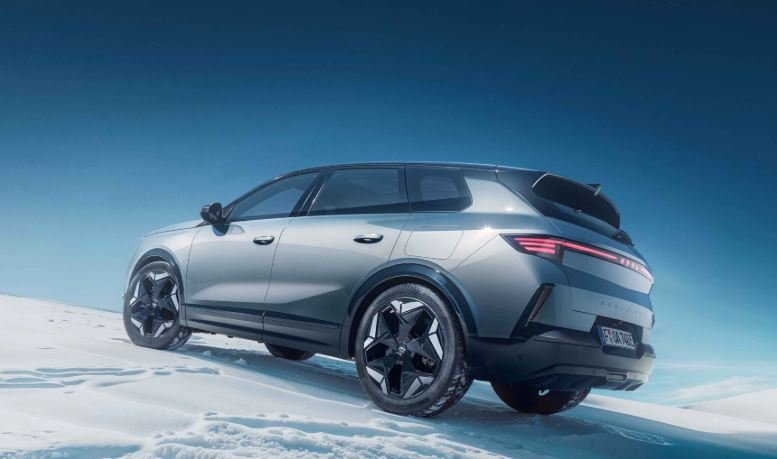
| Tail Light Design | Full-width LED strip |
| Interior Ambient Lighting | Yes |
INFOTAINMENT & AUDIO
| Navigation System | Yes (built-in) |
TECHNOLOGY
| Smartphone App Control | Yes (myOpel app) |
| Keyless Entry / Start | Yes |
| Remote Climate Control | Yes (via app) |
OWNERSHIP
| Official Dealer Network | Opel/Vauxhall dealers (Europe only) |
| Spare Parts Availability | Limited outside Europe |
Note
| Data Source | Stellantis official press release (March 2026); Green Cars Compare; EV Database; Motorwatt EV Database |
| Last Updated | June 2026 |
| Editor's Note | 97 kWh range figure (~700 km WLTP) is pre-launch estimate from Opel; not independently verified. AWD variant peak power unconfirmed. Dimensions, kerb weight, and several comfort specs not yet in official public materials — update when Opel publishes full technical datasheet. |
User Reviews
Disclaimer Note
Specifications sourced from manufacturer data and may reflect WLTP, CLTC, or EPA test conditions. Import prices in your local are estimates based on grey-market landing costs and exclude duties, clearing fees, and local taxes. Figures are subject to change without notice. Always verify with your local importer before purchase. We can not guarantee that the information on this page is 100% correct