- Home
- Electric Vehicles
- Avatr
- Avatr 12
Avatr 12
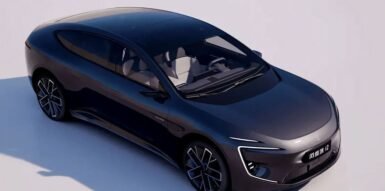

- Drive Type: RWD, AWD
- Type: 5-door fastback liftback · 5 seats
- Self Driving: Level 2+ driver assistance
- Airbags: Full Suite
PROS
- The 700 km CLTC range on the RWD variant is competitive for the segment
- Three LiDAR sensors come standard across the range
- The 800V architecture and rapid charging capability
CONS
- Range figures are quoted under the CLTC cycle, which is less conservative than WLTP
- Sales remain primarily focused on the Chinese domestic market
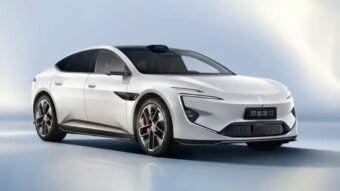
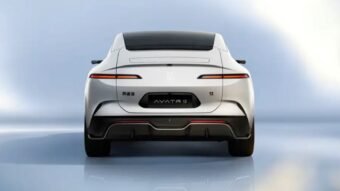
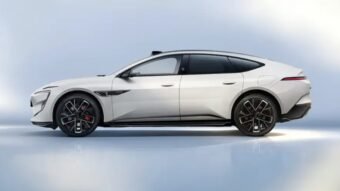
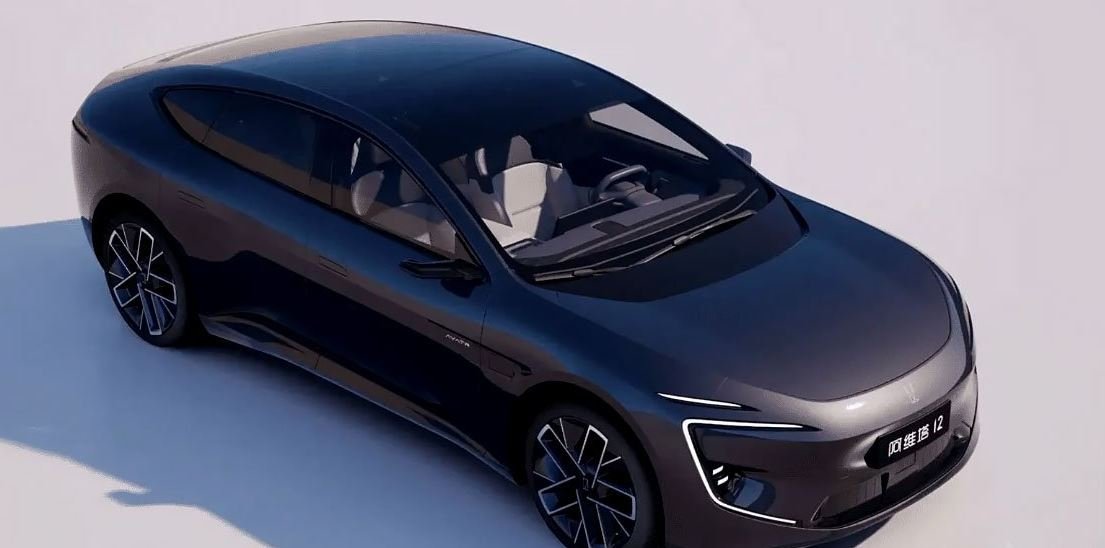
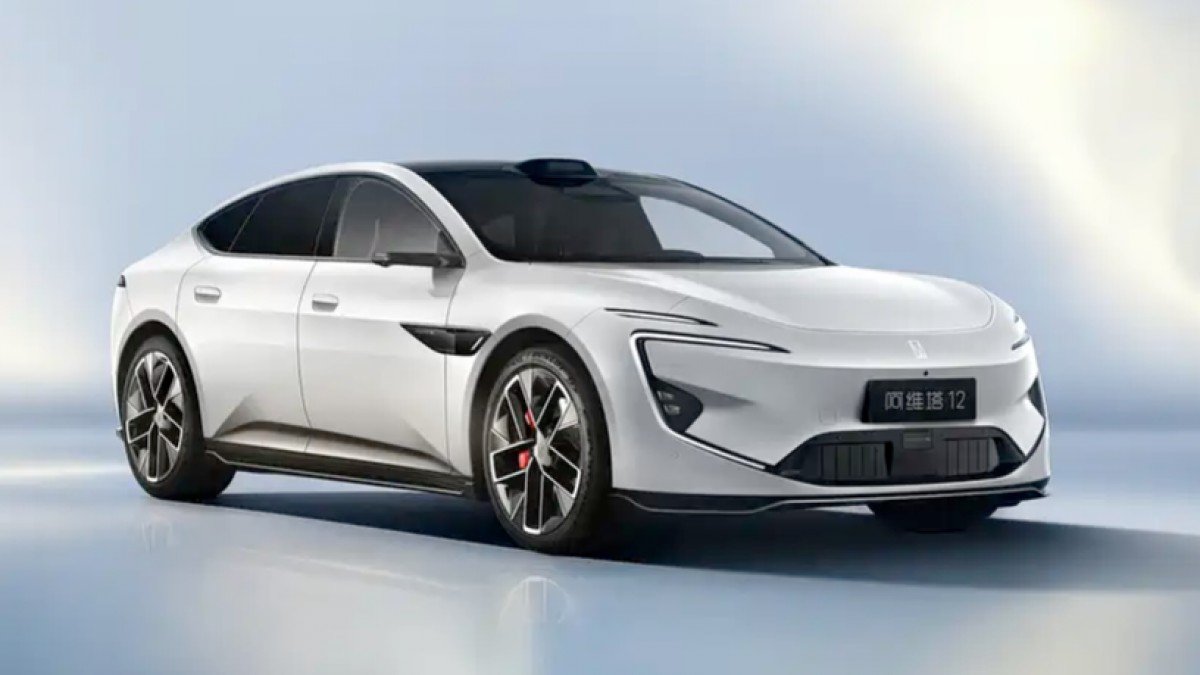
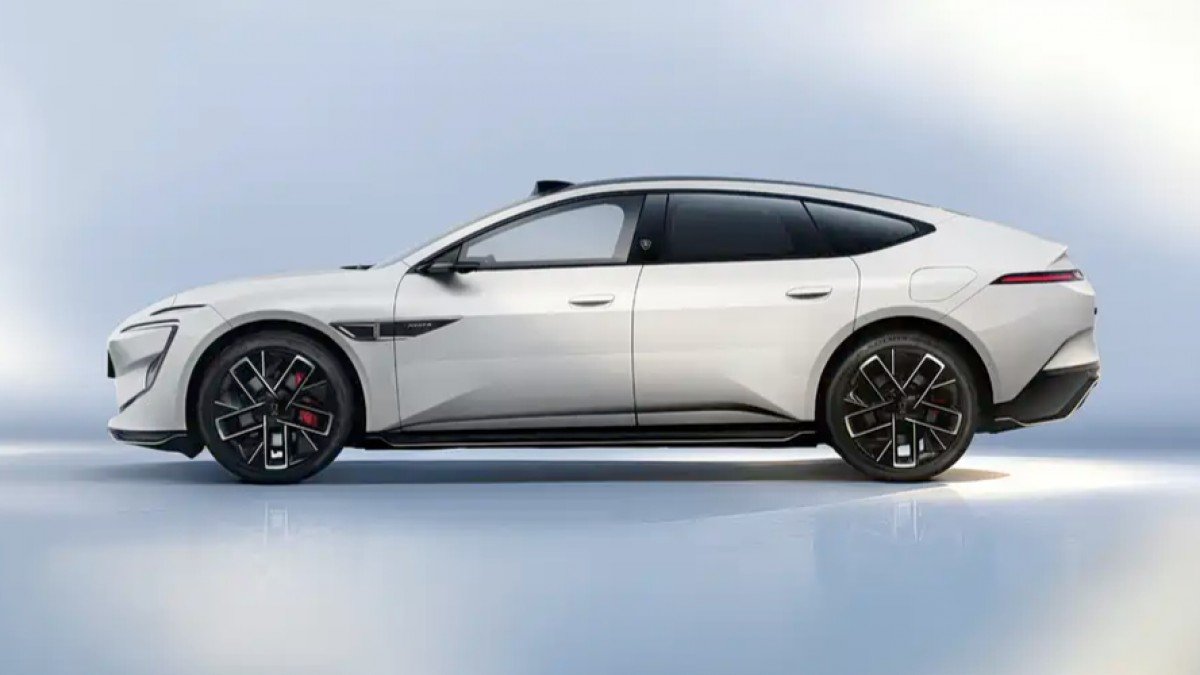
The Avatr 12 is a large executive electric sedan produced by Avatr Technology, a joint venture between Changan Automobile, battery maker CATL, and Huawei. It sits in the executive car segment, combining the proportions of a sedan and a fastback — a body style sometimes referred to as a gran coupe. At 5,020mm long, 1,999mm wide, and 1,460mm high with a 3,030mm wheelbase, it occupies the upper end of the large sedan class. The exterior design was handled by Nader Faghihzadeh, a former BMW designer.
The Avatr 12 carries a 94.5 kWh lithium-ion ternary battery from CATL across the lineup, with a CLTC range of 700 km for single-motor rear-wheel drive versions and 650 km for the dual-motor all-wheel drive variants. Those are Chinese-cycle figures, so real-world numbers will be lower. The car uses an 800V silicon carbide platform, allowing a 30–80% charge in around 20 minutes on the base variant. The updated 2026 powertrain takes this further, with a 98 kWh pack rated for 6C charging and a claimed 30–80% time of 10 minutes.
The Avatr 12 starts at RMB 265,800 (roughly $36,800) for the entry single-motor trim, rising to RMB 400,800 (~$55,500) for the top all-wheel drive variant. That positions it as a premium but not ultra-luxury product — aimed at buyers who want a technology-forward large sedan over a conventional German alternative. Within the Avatr lineup, it sits alongside the Avatr 11, a large crossover SUV, and the upcoming Avatr 15, a mid-size crossover. For buyers considering alternatives, the NIO ET7 is the closest rival in segment, size, and price, while the BYD Han undercuts it on cost in the same market. Against the NIO ET7 specifically, the Avatr 12 trades a slightly smaller battery ecosystem for tighter Huawei tech integration and more aggressive fast-charging specs on updated trims.
Avatr 12 Images
Full Specifications
MODEL
| Models |
Avatr 12 RWD Avatr 12 AWD Avatr 12 EREV (range extender) |
LAUNCH
| Announced |
August 2023 (China) September 2023 (IAA Munich) |
| Status | On sale — China since Nov 2023; Qatar since Feb 2025 |
| Country of origin | China |
| Base Price |
~$36,800 (RWD) ~$55,500 (top AWD trim) |
PERFORMANCE
| Power |
318 hp (237 kW) · RWD · single 539 hp (402 kW) · AWD · front ASM + rear |
| Torque |
~370 Nm - RWD 687 Nm (507 lb-ft) - AWD |
| Acceleration The acceleration numbers are an easy way to compare car performance. We list either time from 0 to 100 km/h or time from 0 to 60mph, depending on which number(s) the manufacturers provide. The lower the acceleration time, the higher performance the car is. |
6.7 sec - RWD 3.8 sec - AWD |
| Max Speed |
200 km/h (124 mph) - RWD 220 km/h (137 mph) - AWD |
| transmission | Single-speed direct drive |
BATTERY
| Capacity | 94.53 kWh gross · 92 kWh usable |
| Tech | NMC (Nickel Manganese Cobalt) · CATL CTP 3.0 module-free pack |
| Range |
755 km / 469 mi (RWD) 705 km / 438 mi (AWD) |
| Consumption | 13.0 kWh/100 km (CLTC) |
| Recuperation | Two-level regen; one-pedal driving (Hold and Roll modes) |
| Heat Pump | |
| AC Charging | 7 kW (onboard charger) · 0–100% in ~13h 8min |
| DC Charging | 240 kW peak · 30–80% in ~20 min · 0–100% in ~54 min |
| Others | V2L (Vehicle-to-Load) at 3.3 kW · 800V SiC architecture |
BODY
| Type | 5-door fastback liftback · 5 seats |
| Platform | CHN (Changan + Huawei + CATL) · 800V |
| Dimensions | 5,020 mm L × 1,999 mm W × 1,450 mm H |
| Drag Co-Efficient | 0.21 Cd |
| Wheelbase | 3,020 mm (118.9 in) |
| Clearance | 100–145 mm (adjustable via air suspension) |
| Weight | 2,365 kg · Max 2,765 kg |
| Suspension | Front: double wishbone · Rear: multi-link · Air springs + adaptive electronic dampers on both axles |
| Wheels | 20" or 21" |
| Trunk/Boot | 350 litres |
| Frunk/Bonnet | 65 litres |
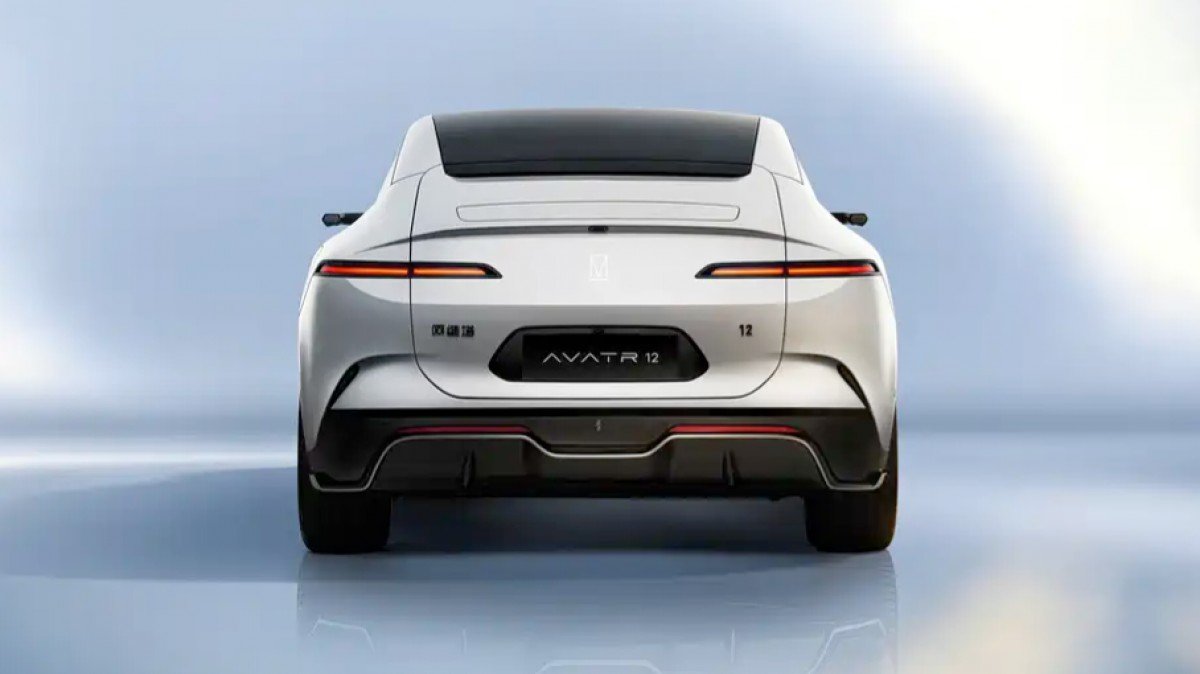
| Others | No conventional rear window — rear-view via camera; optional camera side mirrors; electric rear spoiler |
DISPLAYS
| Centre | 15.6-inch touchscreen · Huawei HarmonyOS 4 |
| Driver's Display | Full-width horizontal instrument display across cockpit |
| Head-Up | Available |
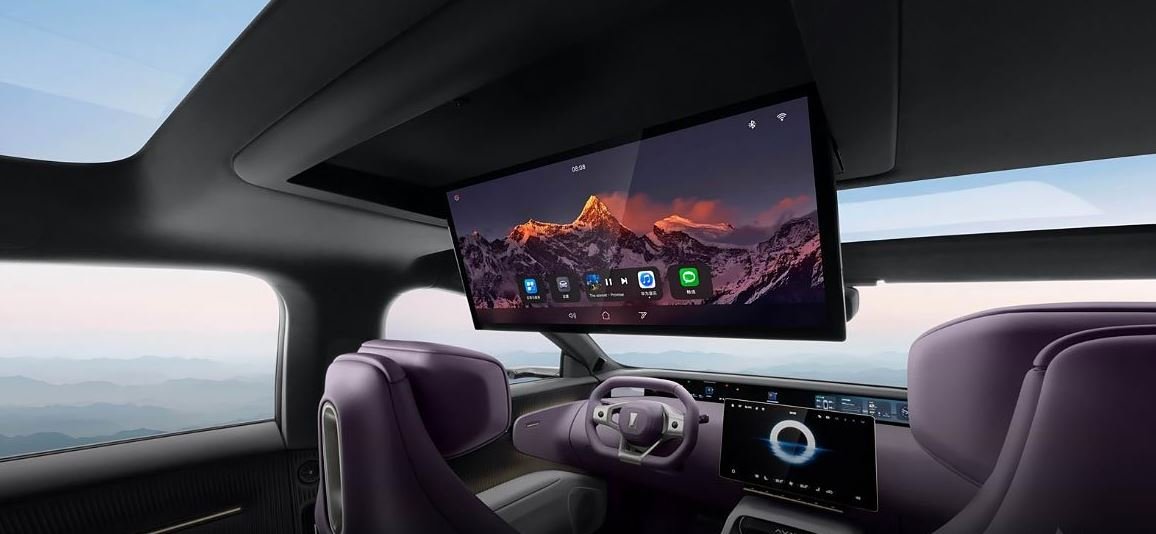
| Others | 35.4-inch 4K display below windshield (on higher trims) · Two 6.7-inch side camera monitor screens |
COMFORT
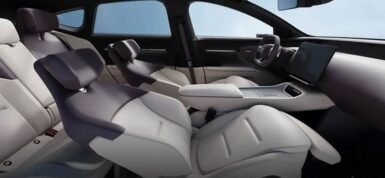
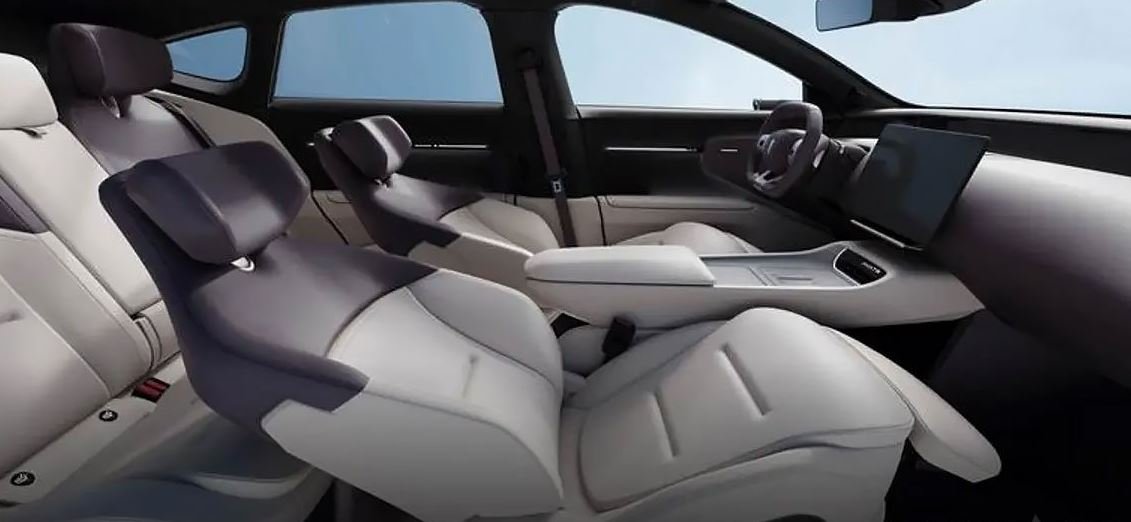
| Seats | Nappa leather · Dual front zero-gravity seats · 14-way adjustment · Heating, ventilation, massage · 120° recline |
| Roof | Fixed panoramic glass roof |
| Parking Aids | 360° cameras · Ultrasonic sensors · Automated parking via Huawei ADS 2.0 |
| Connectivity | Huawei HarmonyOS 4 · Bluetooth · OTA updates |
| Others | 25-speaker Dolby Atmos 7.1.4 · 4-zone independent climate control · Cabin fragrance system · Air purification · Electric soft-close doors · Hidden door handles |
SAFETY
| Airbags | Standard set including front-centre airbag |
| Driving Aids | 3 LiDAR sensors · 29 total sensors · AEB · Lane keep assist · Adaptive cruise · Blind spot monitoring |
| Self Driving | L2+ · Huawei ADS 2.0 · Map-free intelligent driving capable |
Note
| Others |
All range figures are CLTC (Chinese test cycle). Real-world and WLTP numbers will be lower — no official WLTP data has been released. Primarily a China-market product. Limited international rollout — Qatar confirmed as of early 2025. A range-extender version with a 1.5T petrol engine and 39 kWh LFP battery was added in 2025, offering up to 1,155 km combined range (CLTC). |
Reviews
Disclaimer Note
We can not guarantee that the information on this page is 100% correct