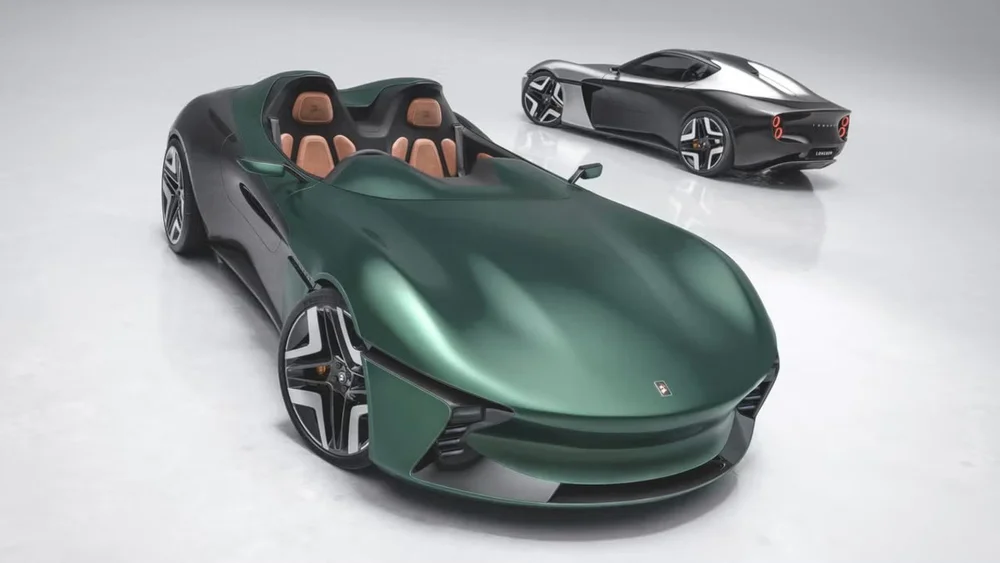
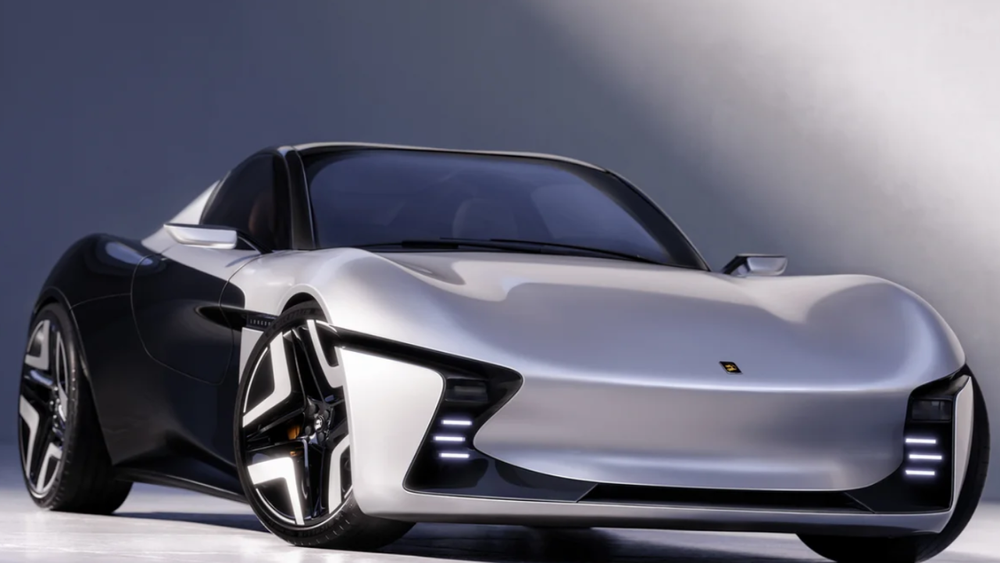
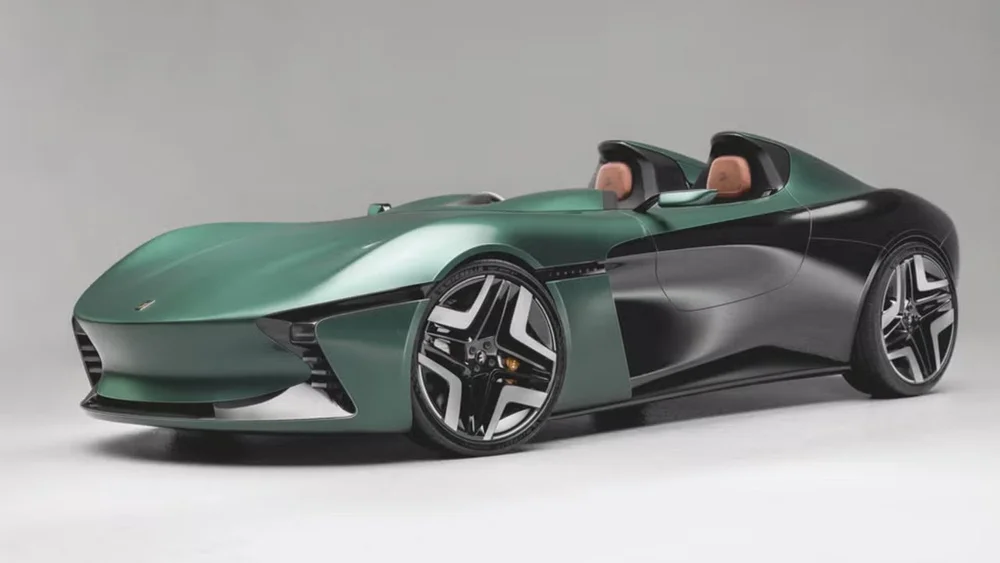
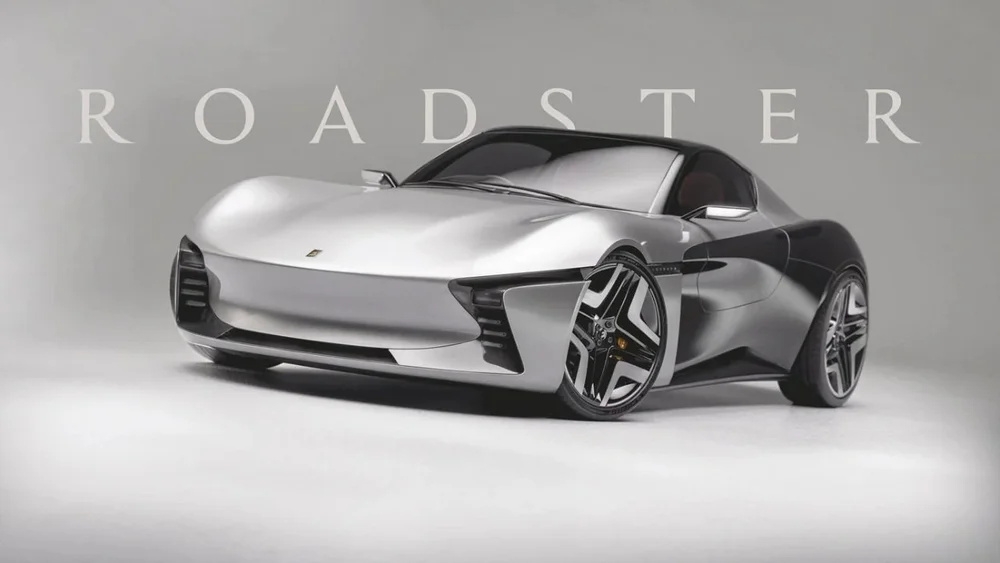
Electric cars are now very heavy, but they are also very powerful. A lot of contemporary “performance” EVs are heavier than delivery vans. The Longbow Speedster feels so revitalizing because of this. The weight of this open-top electric sports car is only 1,973 pounds (895 kg), whereas the roofed Roadster model weighs 2,193 pounds (995 kg).
An electric car weighing less than 2,000 pounds is almost unreal. It evokes the heyday of agile British sports cars and is lighter than a Mazda Miata. The classic “simplify, then add lightness” mentality that has been lacking from the current EV market is embodied by the Longbow Speedster.
Lightweight Engineering and Design
How, then, did Longbow manage to lose so much weight? No helium-filled batteries or magic, just clever, straightforward engineering. The Longbow Speedster has a custom aluminum chassis covered in lightweight composite body panels rather than a costly carbon-fiber monocoque. Strength without extra mass is the end result.
This return to basics brings back the qualities that made British sports cars unique: driving engagement, agility, and feedback rather than just numbers.
Power and Performance
An enormous motor is not necessary for a light car to provide excitement. The Longbow Speedster has a single electric motor at the back that generates 322 horsepower (240 kW). That may seem insignificant in comparison to the 600-hp electric SUVs of today, but the power-to-weight ratio is exceptional for a car that weighs less than a ton.
The Speedster and Roadster can accelerate from 0 to 62 mph (0 to 100 km/h) in just 3.5 and 3.6 seconds, respectively. What’s more, this performance is usable—not for drag strips, but for winding roads. For authentic road feel, the vehicle even has hydraulic-assisted steering, which is uncommon in contemporary EVs.
The Name and Its Subtle Jab
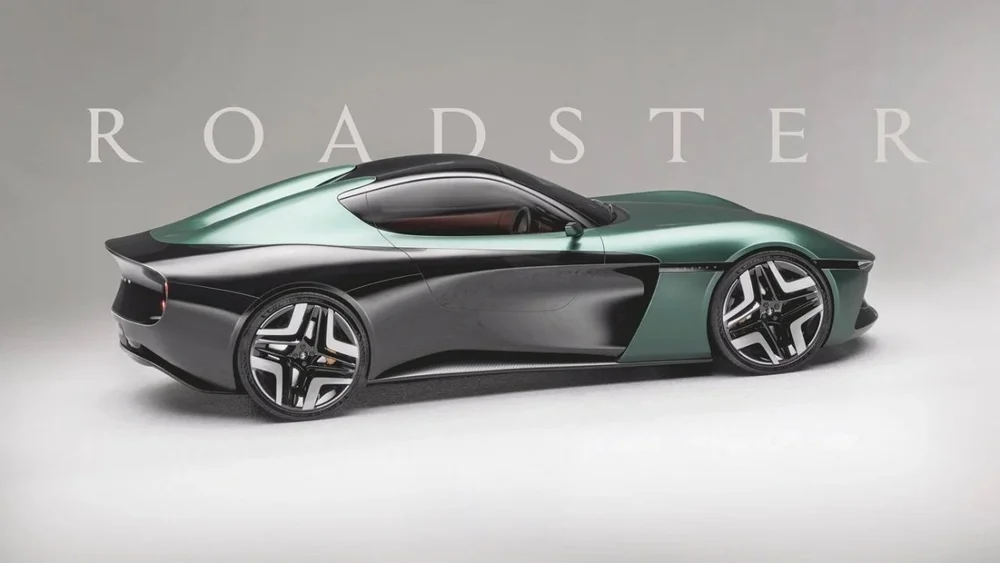
It’s interesting to note that Longbow mocked Tesla‘s long-delayed Roadster by naming its coupe version the “Roadster.” Longbow, which was founded by former Tesla engineers, appears to be saying, “We’ll build and deliver ours before you finish yours.” Though cheeky, it demonstrates the company’s self-assurance and autonomy.
Battery and Range
The car’s battery technology caused some initial confusion. “2170-format nickel-cadmium cells,” which sounded like something from a power tool from the 1990s, were mentioned in the first reports. Fortunately, this was promptly fixed, and Longbow now uses lithium-ion NMC cells in the contemporary 2170 format.
The Speedster has an estimated 275–280 miles of WLTP, or about 233 miles of EPA range, thanks to its extremely light weight, which only requires a 45–60 kWh battery pack. That is more than sufficient for a weekend sports car; it is not intended for long-distance driving.
Pricing and Availability
Lightweight electric performance is not a cheap dream. The starting price of the 150-unit Longbow Speedster is £84,995 (approximately $111,540). At £64,995 (approximately $85,275), the Longbow Roadster coupe is more reasonably priced, but it is still competitive with vehicles like the Porsche Cayman.
In an era of overpowered electric vehicles, the Longbow Speedster may be the revival of the British sports car for enthusiasts looking for purity, agility, and character.
Key Specs (Summary):
- Weight: 1,973 lbs (Speedster) / 2,193 lbs (Roadster)
- Power: 322 hp (240 kW), rear-wheel drive
- 0–62 mph: 3.5 seconds
- Battery: 45–60 kWh lithium-ion
- Range: 233–280 miles
- Price: From £64,995 (~$85,275)