- Home
- Electric Vehicles
- McMurtry
- McMurtry Spéirling
McMurtry Spéirling
- Drive Type: RWD
- Type: Single-seat, closed-cockpit track car
- Self Driving: No
- Airbags: None
PROS
- Exceptional acceleration and cornering grip
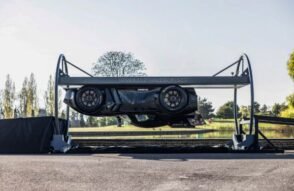
- Fan-based downforce independent of speed
- Extremely lightweight design
CONS
- Not designed for regular road use
- Limited driving range
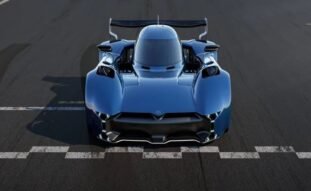
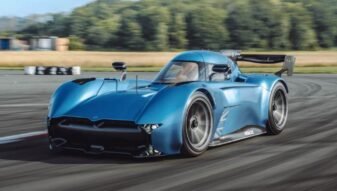
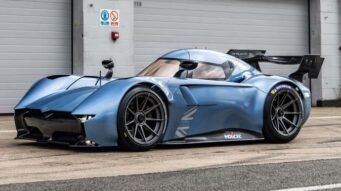
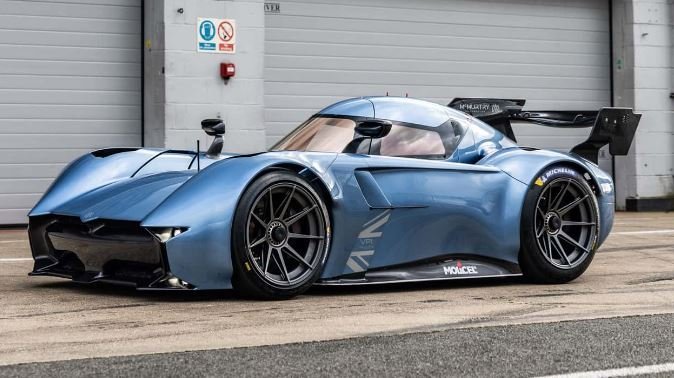
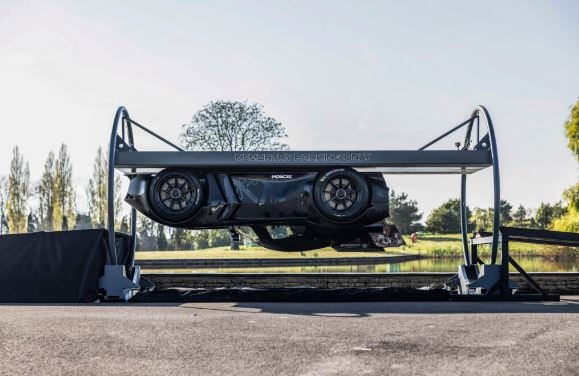
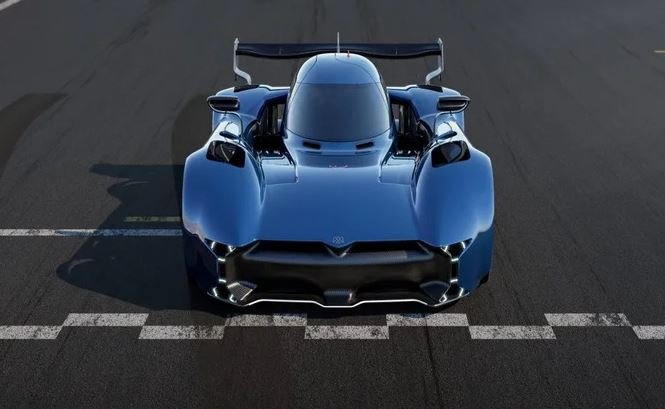
McMurtry Spéirling is a single-seat electric hypercar designed primarily for track use. It sits in the extreme performance segment and uses a compact coupe-style body with an enclosed cockpit. The defining feature is its fan-based downforce system, which generates grip independent of vehicle speed.
The battery pack is relatively small compared with road-going EVs, reflecting its lightweight, track-focused design. Capacity is optimized for short, high-intensity sessions rather than long-distance driving. Range figures are not the priority. Energy delivery and thermal management take precedence. Charging capability supports rapid turnaround between runs, typically via DC fast charging suitable for track operations.
Price positioning targets collectors and performance-focused buyers. Production numbers are low. The vehicle suits drivers seeking maximum acceleration, cornering force, and lap-time performance rather than daily usability. Within the same brand, related models include the McMurtry Spéirling Pure and other limited Spéirling configurations. Alternatives in the electric hypercar category include the Rimac Nevera and the Lotus Evija. Compared with the Nevera, the Spéirling prioritizes downforce and circuit performance over high-speed touring capability.
McMurtry Spéirling Images

Full Specifications
MODEL
| Models |
McMurtry Spéirling Prototype McMurtry Spéirling Pure |
LAUNCH
| Announced |
2021 - McMurtry Spéirling Prototype July 2023 (Goodwood Festival of Speed) - McMurtry Spéirling Pure |
| Status |
Prototype / Track-only demonstrator - McMurtry Spéirling Prototype In development, deliveries start 2025 - McMurtry Spéirling Pure |
| Country of origin | Britain |
| Base Price |
Not for sale (concept vehicle) - McMurtry Spéirling Prototype £995,000 (before taxes) - McMurtry Spéirling Pure |
PERFORMANCE
| Power |
745 kW (1,000 hp), dual motors, rear-wheel drive |
| Acceleration The acceleration numbers are an easy way to compare car performance. We list either time from 0 to 100 km/h or time from 0 to 60mph, depending on which number(s) the manufacturers provide. The lower the acceleration time, the higher performance the car is. | 0–60 mph < 1.5 sec |
| Max Speed | 190+ mph (limited for track use) |
BATTERY
| Capacity | 60 kWh |
| Tech | High-power lithium-ion (Molicel cells) |
| Range | 30–60 min of flat-out track driving |
| Consumption | Very high under performance use |
| Recuperation | Yes (regen braking) |
| Heat Pump | |
| AC Charging | N/A |
| DC Charging | 20–30 min to 80% |
| Others |
Actively cooled for race use Battery swap capability for race teams |
BODY
| Type | Single-seat, closed-cockpit track car |
| Platform | Carbon-fiber monocoque |
| Dimensions |
Length: ~3.5 m Width: ~1.7 m Height: ~1.0 m |
| Wheelbase | Compact (exact not public) |
| Clearance | Very low |
| Weight | <1,000 kg |
| Suspension | Double wishbone, adjustable |
| Wheels | Lightweight alloys with slicks |
| Trunk/Boot | None |
| Frunk/Bonnet | None |
| Others | Twin-fan active downforce system (2,000+ kg of downforce) |
DISPLAYS
| Centre | Minimalist screen |
| Driver's Display | Compact digital cluster |
| Head-Up | No |
| Others | Track telemetry system |
COMFORT
| Seats | 1 racing bucket seat |
| Roof | Fixed canopy |
| Parking Aids | None |
| Connectivity | Limited (track data logging) |
| Others | Air conditioning for driver only |
SAFETY
| Airbags | None |
| Driving Aids | None (no ABS, no TC) |
| Self Driving | No |
| Crash Tests | Not publicly tested |
Note
| Others |
– Record-holder at Goodwood Hillclimb (39.08 sec, 2022) – Fan system creates instant grip, even from a standstill – Noise resembles a jet turbine – Not road legal |
Reviews
Disclaimer Note
We can not guarantee that the information on this page is 100% correct