Toyota is preparing a major reset for the Yaris. The fifth-generation model, expected around 2027 to 2028, will offer three powertrains. Buyers will choose petrol, hybrid, or for the first time, a fully electric version. Few automakers still pursue this strategy. Toyota continues to support multiple propulsion systems instead of committing to a single technology.
Toyota’s Multi-Energy Strategy Explained
Toyota describes this as a multi-energy platform. One core architecture supports different drivetrains. The same concept is planned for the next Corolla. The electric Yaris will not look radically different from petrol or hybrid variants. Expect near-identical styling across versions. Buyers will select powertrain without sacrificing design.
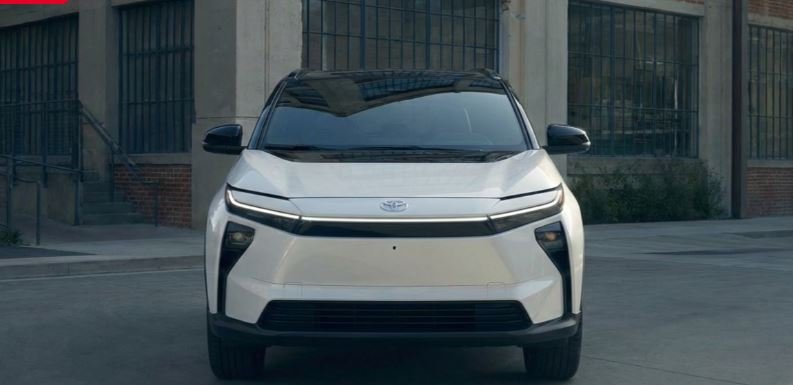
Toyota Yaris EV Range Target
The Yaris EV faces strong competition. Key rivals include the Renault 5 electric and the Volkswagen ID. Polo. Toyota is targeting roughly 249 miles of range. For a supermini, this figure is practical. It supports daily commuting and several days of urban driving between charges. Range remains competitive within the segment rather than aiming for long-distance benchmarks.
Hybrid Efficiency Still a Priority
The hybrid version remains central to the lineup. The current Yaris hybrid delivers about 3.5 L/100 km. That equals roughly 80 mpg. Toyota aims to push efficiency further. Improvements will focus on smoother operation, lower consumption, and better drivability. This version targets buyers who want fuel savings without relying on public charging.
Sharper Exterior Design
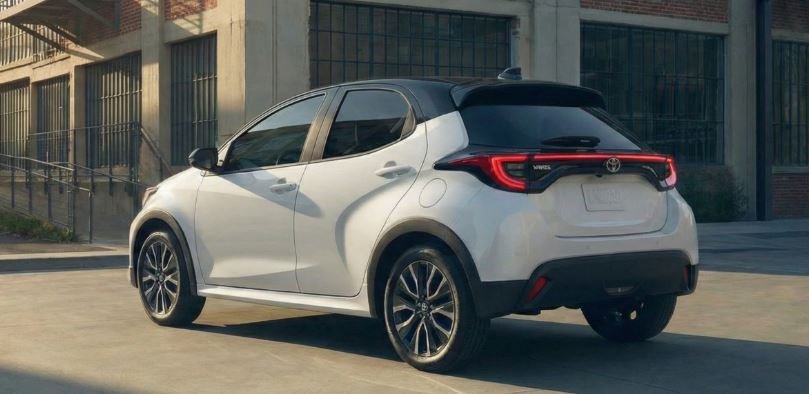
The next Yaris adopts a more angular design language. Rounded surfaces give way to sharper lines. The front fascia is expected to use Toyota’s hammerhead styling theme. Dimensions stay within the supermini category. Expect compact proportions suited for dense urban environments. Revised window placement should improve outward visibility and perceived cabin space.
Interior Technology Upgrade
The cabin receives a full digital refresh. Traditional dashboards make room for floating displays. Expect larger infotainment and instrument screens. Toyota plans to reintroduce practical storage solutions, a Yaris hallmark. Packaging updates should preserve legroom and cargo capacity, even in the EV with underfloor batteries.
Gazoo Racing Influence
Toyota Gazoo Racing is exploring performance variants. Industry reports mention a possible 1.3-liter three-cylinder turbo engine. Motorsport applications appear likely. A road-going hot hatch remains plausible. Even without a full GR Yaris successor, GR Sport trims will continue to attract buyers seeking aggressive styling.
Launch Timing and Positioning
Market arrival is expected late 2027 or early 2028. Toyota is prioritizing refinement and technology integration. Pricing will likely move upward. The next Yaris aims for a more premium feel rather than entry-level positioning.
Why This Matters for Buyers
• Wider powertrain choice
• Competitive EV range for city use
• Continued hybrid efficiency gains
• More modern design and cabin tech
• Potential performance derivatives
Related EV News
- Tesla Cybercab Production Begins at Gigafactory Texas
- BYD Linghui e9 Revealed With Up To 605 km Range
- BYD Song Ultra EV Price Drops to 180,000 Yuan in China
- Volvo EX30 Black Edition Debuts in the UK
- Rivian R2: Price, Specs, Range, and Release Details