Nvidia AI took center stage at CES 2026 with a major shift in how self-driving cars work. Instead of rule-based automation, Nvidia introduced a system built to reason. The first production car to use it will be the Mercedes-Benz CLA. This marks a turning point for electric vehicles and driver assistance technology.
Nvidia AI Moves Beyond Traditional Self-Driving
Automakers have promised autonomous driving for years. Most systems rely on pattern recognition and fixed rules. Nvidia AI changes this approach. The new system, called Alpamayo, uses reasoning to interpret what happens on the road. Nvidia describes it as a breakthrough moment for machines operating in the real world.
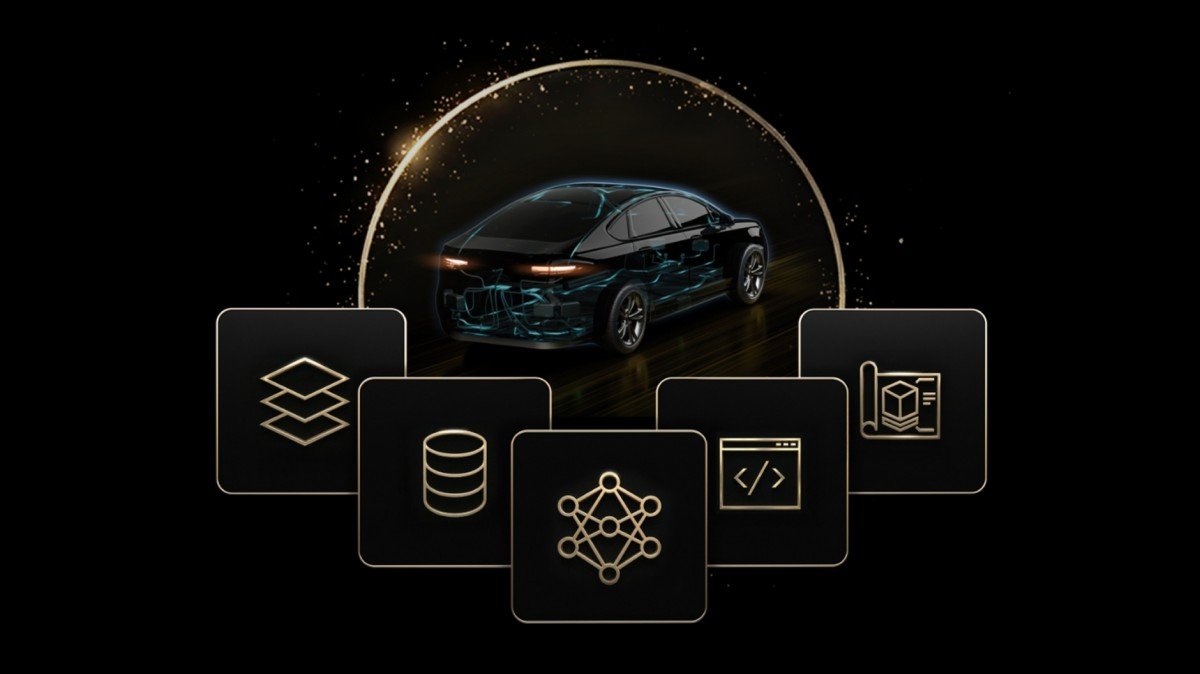
Alpamayo watches road video, predicts outcomes, and selects actions based on logic. It does not react blindly. It explains its decisions. For example, it identifies a truck pulling over and adjusts lanes for a clear reason.
Why Alpamayo Solves Real Driving Problems
Real roads create confusion for automated systems. Construction signals, glare from wet roads, and unusual driver behavior break strict rule sets. These situations are known as edge cases.
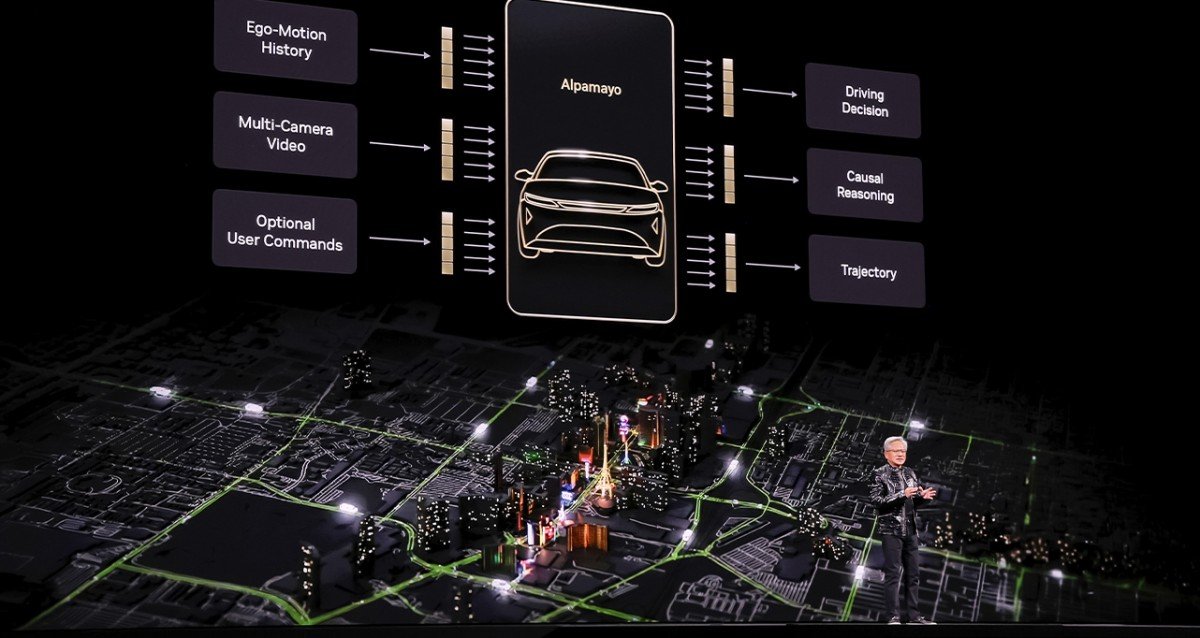
Alpamayo handles them through chain-of-thought reasoning. It observes, plans, and validates decisions step by step. This improves reliability in city traffic where most driver assistance systems struggle.
Nvidia Opens Its AI Platform to Automakers
Nvidia will not limit this system to one brand. The company plans to release the model weights on Hugging Face. It will also ship AlpaSim, a driving simulation platform, plus over 1,700 hours of real-world driving footage.
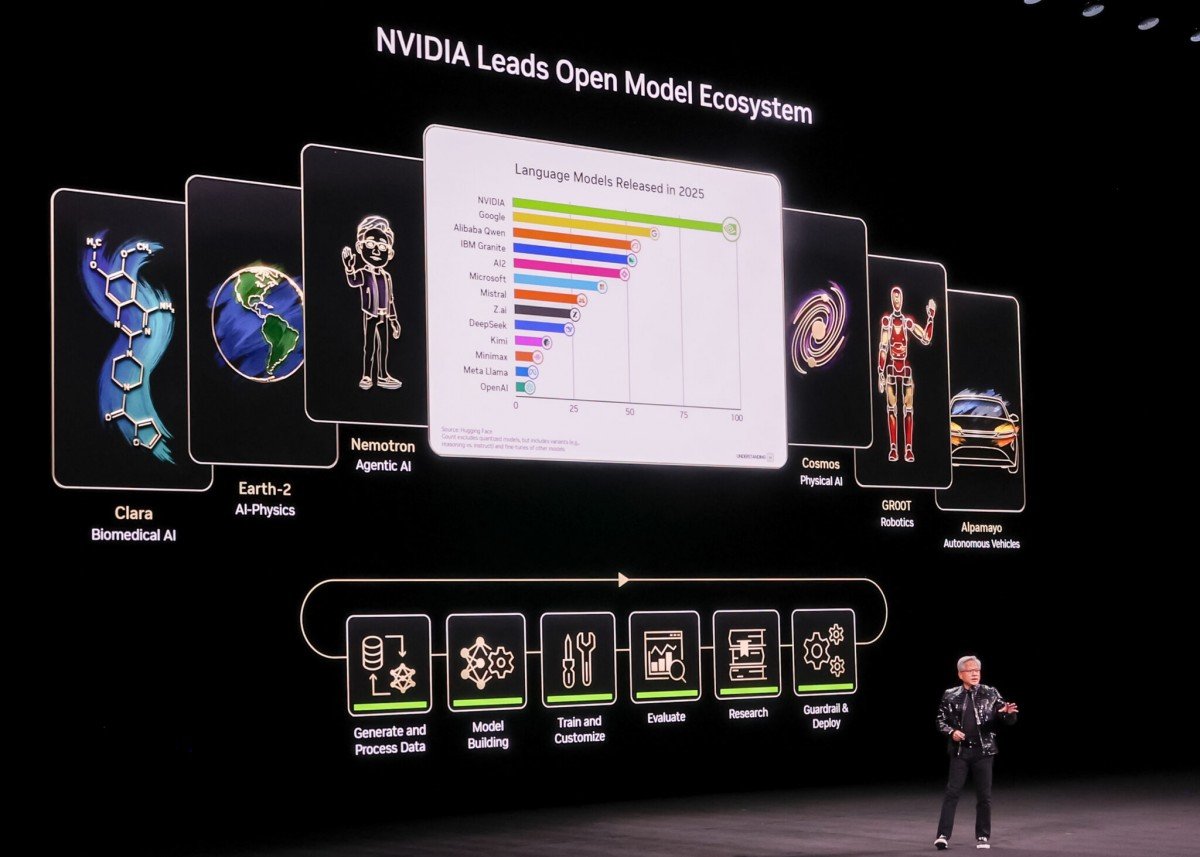
This strategy positions Nvidia AI as a shared foundation for the auto industry. It mirrors how Android scaled smartphones by giving manufacturers a common operating layer.
Mercedes-Benz CLA Gets First Access
The Mercedes-Benz CLA becomes the first production vehicle to deploy the full Nvidia AI stack. Sales begin in the United States in Q1 2026. Europe follows in Q2. Asia launches later in the year.
Mercedes brands the system as MB.DRIVE ASSIST PRO. It combines navigation and assisted driving on city streets. Drivers activate it with a single command. The system guides the car from parking areas to destinations while the driver stays alert.
Level 2 Plus Driver Assistance Explained
MB.DRIVE ASSIST PRO qualifies as Level 2+. The driver remains responsible at all times. The car assists with steering, speed, and routing.
A key feature is cooperative steering. If you intervene to avoid a pothole or obstacle, the system stays active instead of disengaging. This improves trust and usability in daily driving.
Sensor and Hardware Setup in the Mercedes-Benz CLA
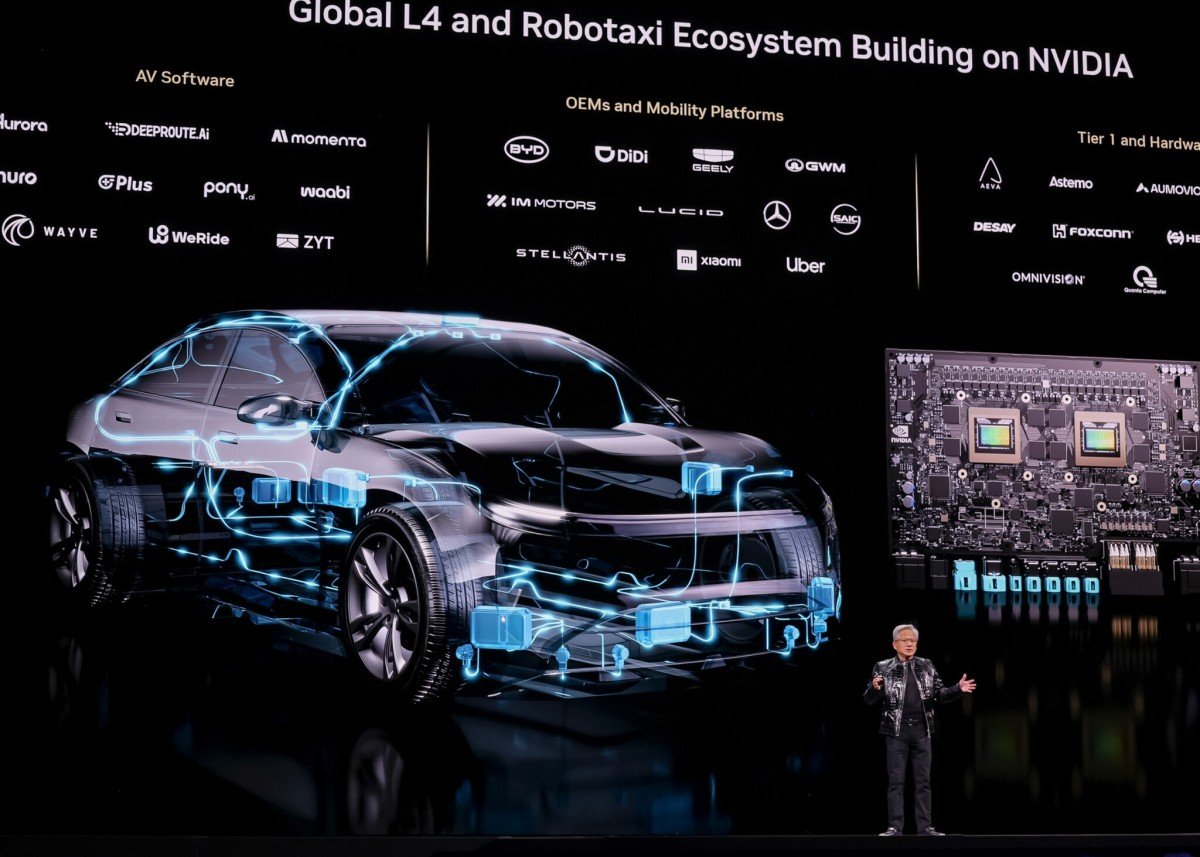
The Mercedes-Benz CLA includes 30 sensors.
- 10 cameras for visual awareness
- 5 radar units for speed and distance tracking
- 12 ultrasonic sensors for close-range detection
All data feeds into Nvidia Vera Rubin. This six-chip platform replaces the earlier Blackwell architecture. Training occurs in data centers. The refined model runs inside the vehicle.
Regulatory Transparency and Safety Benefits
Regulators often distrust AI due to opaque decision making. Nvidia AI addresses this concern by exposing reasoning traces. Officials can review why the system acted a certain way after an incident.
This transparency supports faster approval and wider adoption. It also lowers entry barriers for automakers without internal AI teams.
Impact on Tesla and the EV Market
Mercedes aims to deliver what Tesla has marketed through Full Self-Driving. Both systems remain Level 2. The difference lies in openness. Nvidia AI allows inspection, testing, and shared improvement.
As the Mercedes-Benz CLA reaches customers in early 2026, reasoning-based driving shifts from concept to product. For EV buyers focused on technology, this launch resets expectations across the industry.
FQA
[saswp_tiny_multiple_faq headline-0=”h3″ question-0=”What did Nvidia announce at CES 2026?” answer-0=”Nvidia announced a new AI system designed for self-driving cars. The system focuses on reasoning, not fixed rules. Nvidia calls it Alpamayo.” image-0=”” headline-1=”h3″ question-1=”Why is Nvidia AI important for electric vehicles?” answer-1=”Nvidia AI helps cars understand complex road situations. It handles construction zones, unusual traffic behavior, and unclear signals better than older systems.” image-1=”” headline-2=”h3″ question-2=”Which car will use Nvidia AI first?” answer-2=”The Mercedes-Benz CLA will be the first production vehicle to use the full Nvidia AI system.” image-2=”” headline-3=”h3″ question-3=”When will the Mercedes-Benz CLA with Nvidia AI launch?” answer-3=”The United States launch starts in Q1 2026. Europe follows in Q2 2026. Asia launches later in 2026.” image-3=”” headline-4=”h3″ question-4=”What is MB.DRIVE ASSIST PRO?” answer-4=”MB.DRIVE ASSIST PRO is Mercedes’ driver assistance system powered by Nvidia AI. It combines navigation and assisted driving on city roads.” image-4=”” headline-5=”h3″ question-5=”How does this affect Tesla Full Self-Driving?” answer-5=”Both systems operate at Level 2. Nvidia AI focuses on transparency and shared development, which could influence how the industry approaches driver assistance.” image-5=”” count=”6″ html=”true”]