Among these three EVs, the Chevrolet Bolt EV/EUV is the cheapest to insure in 2026, with full-coverage premiums typically landing between roughly $1,400 and $2,400 a year. The Volkswagen ID.4 sits in the middle at roughly $1,700–$2,700 a year. The Tesla Model 3 is consistently the most expensive of the three, with full-coverage quotes commonly ranging from about $2,500 to $3,900 a year, driven largely by specialized parts and repair costs. Below, we break down what’s driving that gap, how each model compares side by side, and what actually moves your personal quote up or down.
Quick Summary
- Bolt EV/EUV is the most affordable of the three to insure, averaging roughly $1,400–$2,400/year for full coverage.
- VW ID.4 lands in the middle, averaging roughly $1,700–$2,700/year for full coverage.
- Tesla Model 3 is the priciest, averaging roughly $2,500–$3,900/year for full coverage — often 20–45% above the U.S. average for all vehicles.
- The main cost driver across all three isn’t the “EV” label itself — it’s repair complexity, parts availability, and battery/drivetrain replacement cost.
- All figures below reflect U.S. market averages for a mid-40s driver with a clean record and full coverage; your actual quote will vary by state, age, credit, and insurer.
| At a Glance | Tesla Model 3 | VW ID.4 | Chevy Bolt EV/EUV |
|---|---|---|---|
| Avg. annual premium (full coverage) | ~$2,500–$3,900 | ~$1,700–$2,700 | ~$1,400–$2,400 |
| Avg. monthly premium | ~$210–$325 | ~$140–$225 | ~$115–$200 |
| Liability-only (approx.) | ~$1,100–$1,300/yr | ~$1,000–$1,300/yr | ~$700–$1,100/yr |
| Relative to national vehicle average | Above average | Near average | At or below average |
| Main cost driver | Specialized parts, high-power trims | Moderate repair costs, ADAS sensors | Lower repair costs, lower theft rate |
Why EV Insurance Costs More Than Gas Cars — In General
Insurers don’t price a car by fuel type; they price it by risk and repair cost. EVs tend to sit higher on premiums than comparable gas models for a few structural reasons:
Specialized Parts and Labor
Battery packs, motor units, and EV-specific electronics are more expensive to source and repair than a gas engine’s equivalent parts, and fewer shops are certified to work on them.
Battery Replacement Risk
Even minor collisions near the battery pack can trigger a full pack inspection or replacement, which is far costlier than a comparable repair on a combustion vehicle.
Repair Network Density
Certain brands, especially Tesla, rely on a narrower network of certified repair centers, which can mean longer wait times and higher labor costs that insurers price in.
Insurance quotes vary enormously by state, ZIP code, credit profile, driving history, and coverage limits — the figures in this guide are national averages, not personal quotes.
Tesla Model 3 Insurance Cost (2026)
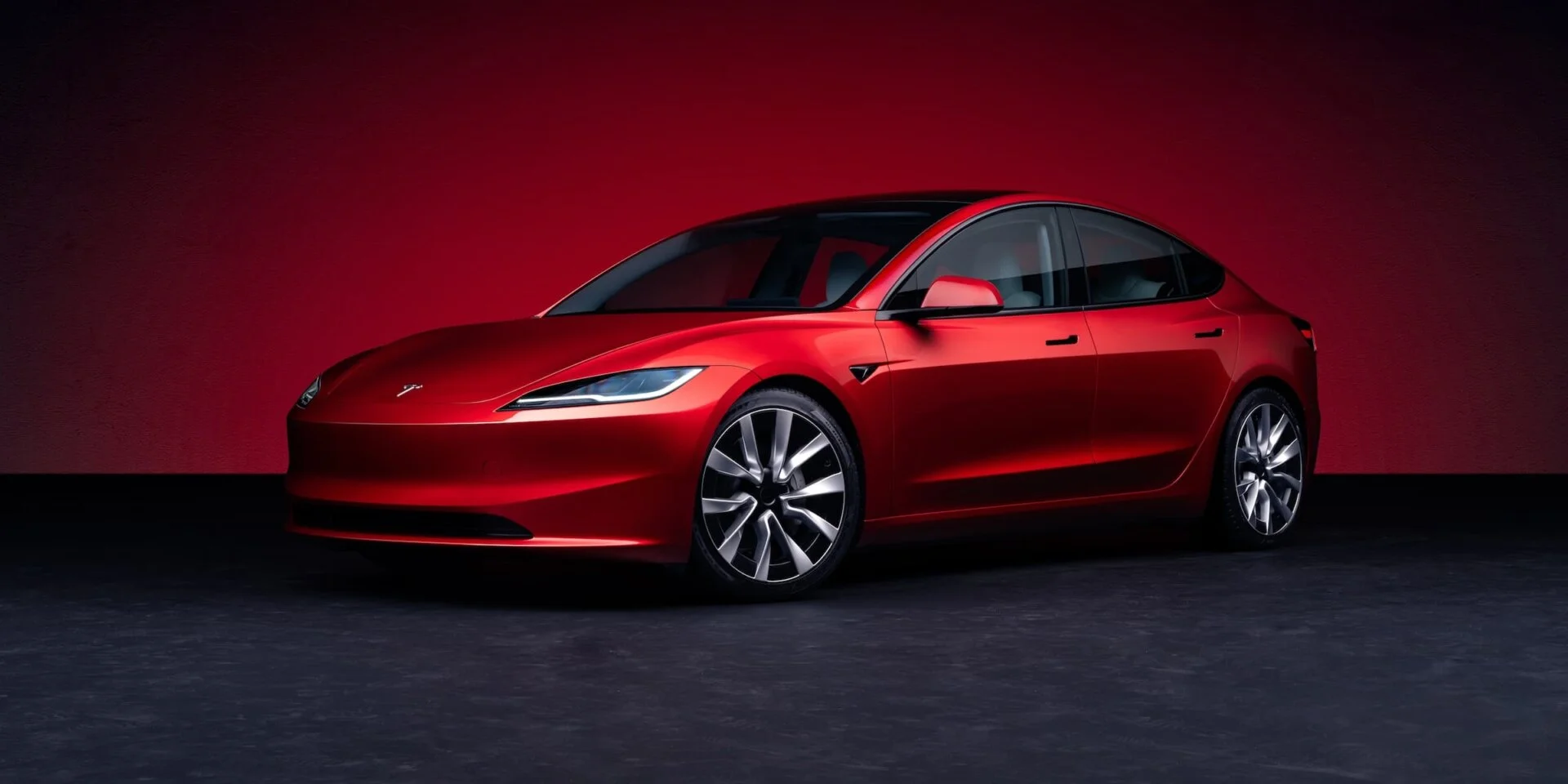
The Model 3 is the most expensive of the three to insure, with full-coverage estimates commonly falling in a wide $2,000–$4,300/year band depending on the data source, state, and driver profile — most converging around $2,500–$3,900/year for a typical clean-record driver. Liability-only coverage tends to run roughly $1,100–$1,300/year.
What Pushes the Price Up
- Repair cost per claim tends to run higher than average due to specialized components and Tesla’s certified-repair network.
- Performance trims (higher horsepower variants) carry higher premiums than the base Long Range trim.
- Driver profile skew — Model 3 owners trend toward a performance-oriented driving style, which some insurers factor into risk pricing.
What Helps
Some insurers offer EV-specific or safety-feature discounts, and shopping across carriers can produce meaningfully different quotes for the same car — a gap of several hundred dollars a year between the cheapest and priciest carrier isn’t unusual.
Volkswagen ID.4 Insurance Cost (2026)
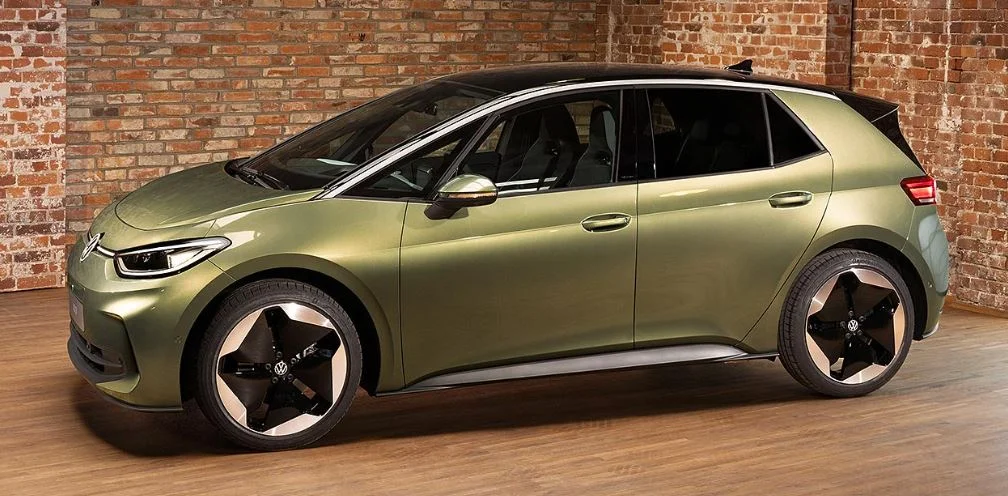
The ID.4 lands in the middle of the pack, with full-coverage estimates typically falling between $1,700 and $2,700/year, and several data sets clustering closer to $2,000–$2,400/year for a standard-trim, clean-record driver.
As a compact electric SUV with a broader (non-luxury) parts and repair network than Tesla, the ID.4 tends to avoid the steepest EV insurance penalties. Trim level matters less here than it does for the Model 3 — the gap between the cheapest and most expensive ID.4 trim is typically only a few hundred dollars a year, since all trims share the same core drivetrain.
Chevrolet Bolt EV/EUV Insurance Cost (2026)
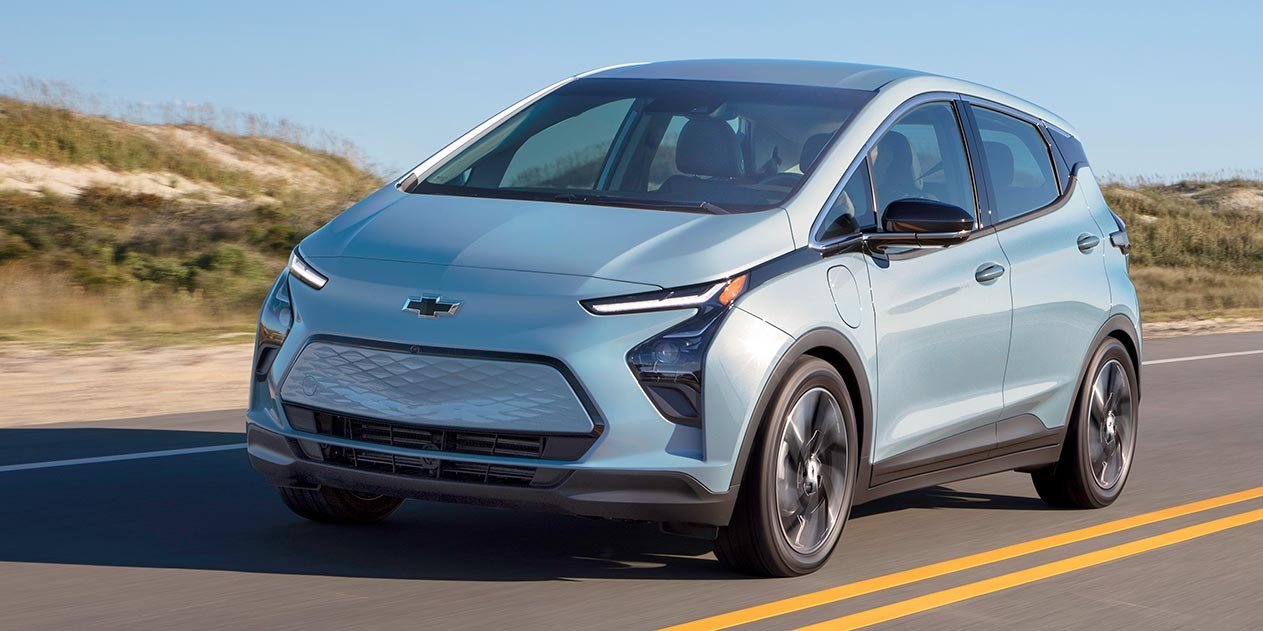
The Bolt EV and Bolt EUV are consistently the cheapest of the three to insure, with full-coverage estimates typically landing between $1,400 and $2,400/year, and several sources pointing toward the $1,500–$1,900/year range for a typical driver.
A few factors work in the Bolt’s favor:
- Lower repair costs relative to the Model 3 and, in some data sets, relative to the ID.4.
- Below-average theft rate, which insurers factor into comprehensive coverage pricing.
- Mainstream, budget-oriented positioning, which tends to attract a lower-risk driver profile in insurer models.
Because most Bolts on the road in 2026 are 2022–2023 model-year vehicles (production paused, then a relaunch is planned for 2027), many real-world quotes reflect used-vehicle pricing rather than new-car premiums — which can push costs even lower than the ranges above.
Full Comparison Table
| Category | Tesla Model 3 | Volkswagen ID.4 | Chevrolet Bolt EV/EUV |
|---|---|---|---|
| Avg. full-coverage premium | $2,500–$3,900/yr | $1,700–$2,700/yr | $1,400–$2,400/yr |
| Avg. liability-only premium | $1,100–$1,300/yr | $1,000–$1,300/yr | $700–$1,100/yr |
| Vs. national vehicle average | Higher | Roughly average | At or below average |
| Repair network | Narrow, brand-certified | Moderate, dealer-network | Broad, dealer-network |
| Theft rate factor | Moderate | Moderate | Below average |
| Best for budget-conscious buyers | No | Somewhat | Yes |
Which EV Is Actually Cheapest to Insure?
On averages alone, the Bolt wins clearly. But “cheapest to insure” and “cheapest to own” aren’t always the same question. The Model 3 commands a premium partly because of its higher performance ceiling and its concentrated repair network — factors that matter less if you’re comparing pure ownership cost against a comparably priced gas sedan, where insurance is usually only one line item among financing, charging, and depreciation. The ID.4’s middle position reflects a fairly conventional risk profile for a mainstream electric SUV, without the Tesla repair-network penalty or the Bolt’s budget-segment pricing advantage.
How to Lower Your EV Insurance Premium
- Shop at least three carriers. The spread between the cheapest and most expensive insurer for the same EV is often several hundred dollars a year.
- Ask about EV-specific discounts. Some insurers offer reduced rates for low-emission vehicles or advanced driver-assistance systems.
- Raise your deductible if you can comfortably cover it out of pocket in a claim.
- Bundle policies — home or renters insurance bundled with auto coverage often unlocks a multi-policy discount.
- Reassess at renewal. EV insurance pricing has shifted quickly year over year as insurers gather more repair-cost data; a rate that was competitive in 2024 may not be in 2026.
Bottom Line
If minimizing your insurance bill is a priority, the Chevrolet Bolt EV/EUV is the clear choice among these three, typically running $1,000+ a year cheaper than a Tesla Model 3 for comparable coverage. The Volkswagen ID.4 is a reasonable middle ground for buyers who want SUV practicality without the Model 3’s repair-network premium. The Model 3 remains the most expensive to insure of the three — worth budgeting for if performance and Tesla’s ecosystem matter more to you than minimizing monthly costs.