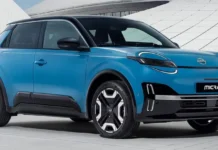
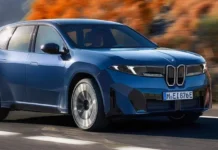
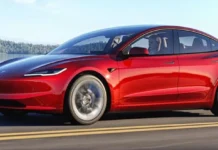
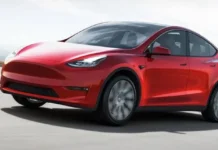
Yes, the UK still offers electric car grants in 2026 — up to £3,750 off the price of an eligible new EV under £37,000, applied automatically at the dealership. But 2026 also brings a less welcome change: electric cars are no longer exempt from road tax (VED), and expensive EVs now pay an extra annual charge. Below, we break down exactly which cars qualify for the grant, what road tax you’ll actually pay, and how the numbers compare against petrol and diesel — so you know the real cost of going electric this year.
Grant eligibility lists and VED rates are updated periodically by the UK government (DfT/OZEV). Figures below reflect confirmed 2026/27 rates at the time of writing — always verify current details on GOV.UK before purchase.
Quick Summary Box
| Key Fact | Detail |
|---|---|
| Electric Car Grant (ECG) | £1,500–£3,750 off new EVs priced £37,000 or less (up to £42,000 with options) |
| How it’s applied | Automatically at point of sale — no forms, no direct application |
| Grant tiers | Band 1 = £3,750 (lower production emissions) · Band 2 = £1,500 |
| Road tax (VED) in 2026/27 | £10 first year → £200/year standard rate from year two |
| Expensive Car Supplement | +£440/year (years 2–6) if list price exceeds £50,000 |
| Home charger grant | Up to £500 per socket from 1 April 2026 (up from £350) |
| Company car tax (BiK) | 4% in 2026/27 for pure EVs, rising 1 point per year to 9% by 2029/30 |
What Is the UK Electric Car Grant (ECG)?
The Electric Car Grant is a £650 million UK government scheme, part of the wider Plan for Change, designed to lower the upfront cost of buying a new EV. <cite index=”1-1″>It gives car buyers a discount of up to £3,750 off the purchase of a new EV, applied directly at the dealership with no forms required.</cite> Manufacturers have been able to apply for their models to be included <cite index=”1-1″>since 16 July 2025</cite>, and the list of eligible cars has expanded steadily since launch.
Unlike older EV incentive schemes, buyers don’t need to fill out any paperwork. <cite index=”8-1″>If you purchase an eligible EV, the grant is automatically applied at the point of sale, so there’s no separate claim process.</cite>
How Long Will the Grant Run?
<cite index=”8-1″>The scheme is confirmed to run until 31st March 2029, funded until then or until the money runs out.</cite> <cite index=”4-1″>The November 2025 Budget added a further £1.3 billion to extend the grant pool through 2026 and 2027, though the scheme can close earlier if funds are exhausted</cite> — so eligible buyers shouldn’t assume the discount will be available indefinitely.
Which Cars Qualify for the Grant?
Eligibility isn’t automatic just because a car is electric. Two main criteria apply:
1. Price Cap
<cite index=”4-1″>A vehicle’s headline price must be £37,000 or under for any trim to qualify, though higher-spec variants of an already-eligible model line can still receive the discount up to a £42,000 price cap.</cite>
2. Sustainability Criteria
Cars are sorted into two funding bands based on how “clean” their manufacturing process is:
- Band 1 (£3,750 grant): <cite index=”4-1″>Nine models were confirmed in this top tier at the time of writing, including recent additions like the Nissan LEAF and Nissan Micra (52kWh) in February 2026.</cite>
- Band 2 (£1,500 grant): <cite index=”4-1″>Around 36 models sit in this band</cite> — <cite index=”9-1″>these cars meet the price cap and basic manufacturer sustainability requirements but score lower on production emissions than Band 1 vehicles.</cite>
<cite index=”9-1″>Cars can miss out on the grant entirely if the model exceeds the £37,000/£42,000 price cap, or if the manufacturer hasn’t yet had its emissions plan validated by the Science Based Targets initiative — several mid-volume brands haven’t applied yet.</cite> <cite index=”9-1″>The Department for Transport updates the official list as new applications are processed, so more Band 2 cars are expected through the rest of 2026.</cite>
Always check the live OZEV/GOV.UK eligible-vehicles list before ordering — trims and battery variants within the same model line don’t always qualify equally.
What the Grant Doesn’t Cover
<cite index=”8-1″>The ECG applies only to new cars — there is currently no direct UK government grant for used EVs.</cite> <cite index=”8-1″>It also doesn’t cover adaptation costs such as wheelchair hoists or ramps, though a separate Plug-in Wheelchair Accessible Vehicle Grant exists for new electric WAVs priced £50,000 or less.</cite>
UK Electric Car Road Tax (VED) in 2026: What Changed
This is the part many buyers miss: EVs are no longer tax-free. <cite index=”10-1″>Free road tax for electric vehicles was abolished on 1 April 2025, and there is no VED exemption for EV drivers anymore.</cite>
Here’s how it breaks down for 2026/27:
- New EVs registered from 1 April 2025 onward: <cite index=”13-1″>Pay £10 in the first year, then move to the standard yearly rate of £200 from the second year of registration.</cite>
- EVs registered between April 2017 and March 2025: <cite index=”13-1″>Also pay the £200 standard rate when renewing in 2026/27.</cite>
- EVs registered before April 2017: <cite index=”13-1″>Pay a reduced £20 rate, calculated differently under older VED rules.</cite>
The Expensive Car Supplement (Luxury Car Tax)
If your EV’s list price is high, there’s an extra sting. <cite index=”10-1″>Drivers of expensive EVs pay an Expensive Car Supplement annually for five years, adding £440 a year from the second year of the car’s registration — taking total annual VED up to £640.</cite>
The good news: the threshold specifically for EVs has been raised. <cite index=”10-1″>The Expensive Car Supplement used to apply to all cars with a list price over £40,000, but this threshold was increased to £50,000 in November 2025 — for electric cars only — allowing more EVs to escape the extra charge.</cite> <cite index=”11-1″>This change applies from April 2026 but is being applied retrospectively to cars sold from April 2025 onward, so buyers who purchased an EV priced between £40,001 and £50,000 after April 2025 stop owing the supplement going forward</cite> (past payments aren’t refunded).
What’s Coming in 2028: Pay-Per-Mile eVED
Further ahead, EV taxation is set to change again. <cite index=”12-1″>From April 2028, a new Electric Vehicle Excise Duty (eVED) will introduce pay-per-mile charging for EVs and plug-in hybrids, on top of standard VED.</cite> <cite index=”14-1″>Fully electric cars will pay 3p per mile and plug-in hybrids 1.5p per mile</cite>, with <cite index=”14-1″>drivers legally required to estimate their annual mileage when renewing car tax.</cite> <cite index=”12-1″>There’s currently no confirmation of exactly how mileage will be tracked or verified, though the MOT process is a likely candidate.</cite>
Charger Grants: Cutting the Cost of Home Charging
The grant story doesn’t stop at the car. <cite index=”7-1″>From April 1, 2026, the grant for home and workplace EV chargepoints increases from £350 to up to £500 per socket</cite>, available to homeowners and renters with off-street parking, as well as on-street residents using cross-pavement charging solutions like cable gullies.
Company Car Drivers: Benefit-in-Kind Still Favours EVs
For salary sacrifice and company car drivers, electric remains the cheapest option by a wide margin. <cite index=”4-1″>Benefit-in-Kind for pure EVs is charged at just 4% of the car’s P11D value in the 2026/27 tax year, rising by one percentage point a year to 9% by 2029/30</cite> — still far below rates for higher-emission petrol and diesel models.
Comparison Table: Grant Bands & Annual Tax Cost
| Scenario | Grant / Discount | Year 1 VED | Year 2–6 VED (annual) |
|---|---|---|---|
| Band 1 EV (≤£37k, top sustainability score) | £3,750 off | £10 | £200 |
| Band 2 EV (≤£37k, standard sustainability score) | £1,500 off | £10 | £200 |
| EV priced £37k–£50k (no grant, under supplement threshold) | £0 | £10 | £200 |
| EV priced over £50,000 | £0 | £10 | £640 (£200 + £440 supplement) |
| Petrol/diesel car under £40,000 | £0 | Varies by CO2 (often £200+) | £200 |
| Petrol/diesel car over £40,000 | £0 | Varies by CO2 | £640 (£200 + £440 supplement) |
Bottom Line: Is It Worth Buying an EV in 2026?
For most buyers shopping under £37,000, the math still clearly favours electric: a Band 1 grant plus the £10 first-year VED rate beats petrol on both purchase price and tax. The catch is at the top end — EVs over £50,000 now pay the same luxury car supplement as combustion cars, so the “EVs are tax-free” pitch from a few years ago no longer holds. Our verdict: buy electric now if your target car sits in Band 1 or Band 2 under £42,000 — the grant plus low VED makes it the stronger financial choice — but budget for the Expensive Car Supplement if you’re eyeing a premium EV, and keep an eye on the 2028 pay-per-mile eVED changes before committing to high-mileage ownership.