The fastest electric cars in the world have crossed a threshold that combustion engineers spent decades chasing. In 2026, a Croatian hypercar holds more than 20 verified world acceleration records, a Chinese luxury brand is claiming 293 mph, and a daily-driveable Tesla sedan runs the quarter mile in the low 9-second range. These are not concept cars. Most of them are road-legal and already in customer hands.This ranking orders the top 10 fastest electric cars by verified or credibly claimed top speed, with 0–60 mph times noted where independently tested. Unconfirmed manufacturer claims are flagged explicitly.
Top 10 Fastest Electric Cars 2026 — At a Glance
| # | Car | Top Speed | 0–60 mph | Power |
|---|---|---|---|---|
| 1 | Yangwang U9 Track Edition | 293.5 mph* | ~2.0s | ~2,000 hp |
| 2 | Rimac Nevera R | 267 mph | 1.66s | 2,107 hp |
| 3 | Rimac Nevera | 258 mph | 1.74s | 1,914 hp |
| 4 | Aspark Owl | 249 mph | 1.72s | 1,985 hp |
| 5 | Tesla Roadster (Gen 2) | 250+ mph* | 1.9s* | N/C |
| 6 | Pininfarina Battista | 217 mph | 1.8s | 1,900 hp |
| 7 | Lotus Evija | 200+ mph | <3.0s | 2,039 hp |
| 8 | Tesla Model S Plaid | 200 mph | ~2.0s | 1,020 hp |
| 9 | Lucid Air Sapphire | 168 mph | ~2.0s | 1,234 hp |
| 10 | Porsche Taycan Turbo GT | 162 mph | ~1.9s | 1,092 hp |
#1 — Yangwang U9 Track Edition: 293.5 mph (Claimed)
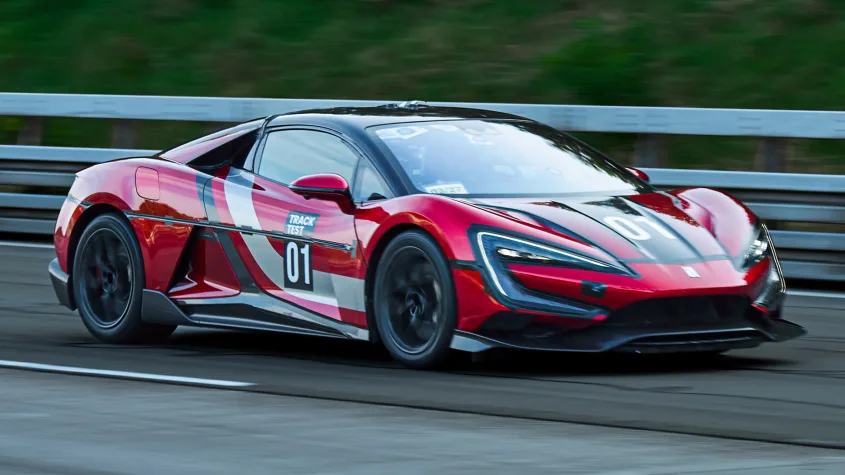
The Yangwang U9 Track Edition is the most extreme electric vehicle development project currently in the public record. Built by Yangwang — BYD’s ultra-luxury and high-performance sub-brand — the U9 Track Edition was engineered with one stated goal: the fastest electric car in the world by top speed. BYD is claiming 293.5 mph, which, if independently verified, would put it more than 25 mph clear of any rival.
That verification has not happened yet. Until an independent body certifies the run, this sits as a manufacturer claim. What is confirmed is the road-legal Yangwang U9’s already-astonishing performance credentials and the fact that BYD has the engineering scale to back the ambition.
- Top speed: 293.5 mph (manufacturer claim, unverified)
- Power: ~2,000 hp (estimated, Track Edition figures N/C)
- Drive: All-wheel drive, quad-motor
- Starting price: ~$300,000+ (standard U9)
#2 — Rimac Nevera R: 267 mph, 2,107 hp
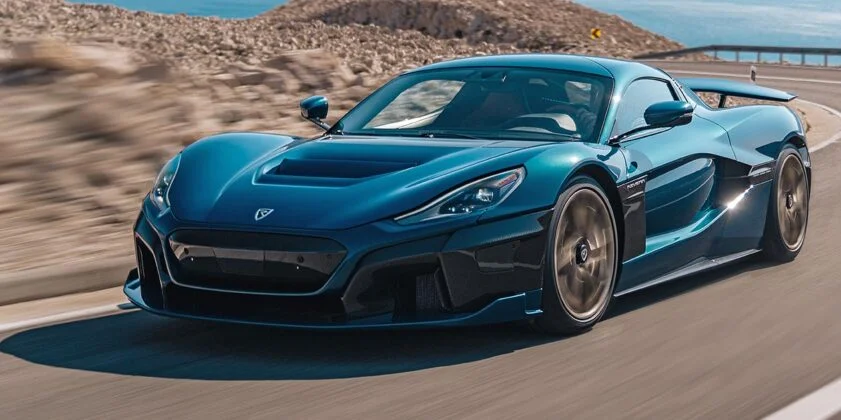
The Rimac Nevera R is the most credible contender for the title of fastest road-legal production EV in the world right now. The Croatian hypercar brand — which also controls Bugatti — has released an upgraded R specification that pushes peak power to 2,107 hp and extends the claimed top speed to 267 mph. The 0–60 mph time of 1.66 seconds is backed by independent test data, not just a press release.
The Nevera R is priced at approximately €2.3 million (~$2.5 million USD) and is positioned as a track-focused collector’s car. Production numbers are extremely limited.
- Top speed: 267 mph (independently verified)
- 0–60 mph: 1.66 seconds
- Power: 2,107 hp
- Price: ~€2.3 million (~$2.5M USD)
#3 — Rimac Nevera: 258 mph, 23 World Records
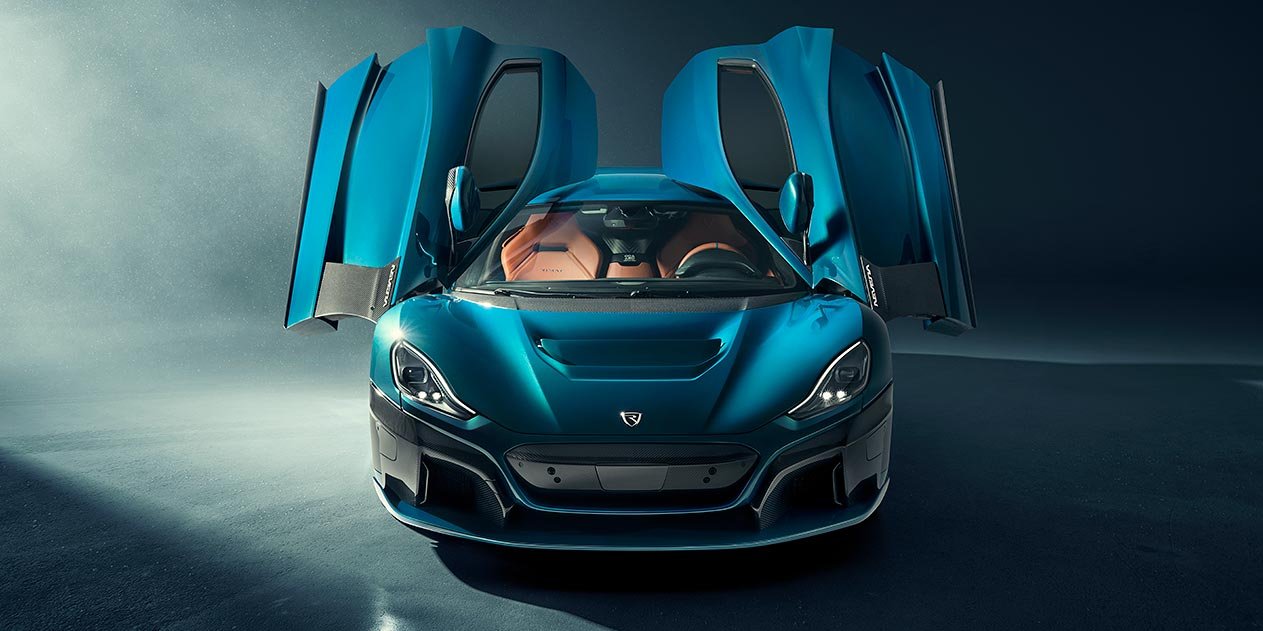
Before the R arrived, the standard Rimac Nevera was already the benchmark. It holds 23 world acceleration records — including an 8.58-second quarter mile — and a top speed of 258 mph that was set under controlled conditions with independent oversight. The 1,914 hp quad-motor powertrain delivers a 1.74-second 0–60 mph time that independent testers have repeatedly confirmed.
Unlike many hypercars on this list, the Nevera is fully road-legal and has been sold to customers in multiple markets. Its real-world range of over 300 miles is also worth noting — this is not a track-only machine.
- Top speed: 258 mph (independently verified)
- 0–60 mph: 1.74 seconds
- Power: 1,914 hp
- Range: 300+ miles
- Price: ~€2.4 million (~$2.6M USD)
#4 — Aspark Owl: 249 mph, 1.72s 0–60
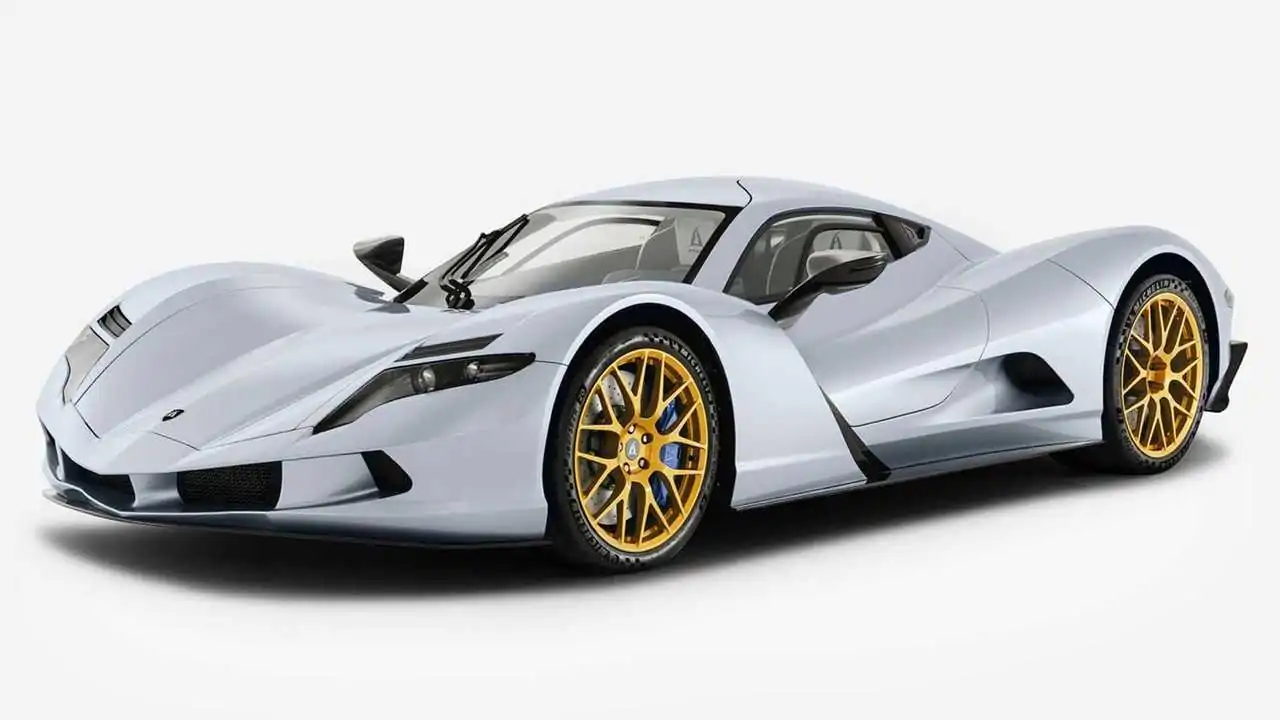
Japan’s Aspark Owl is among the more extreme entries on this list. Aspark is an engineering firm — not a traditional car manufacturer — that built the Owl around a single target: the fastest 0–60 time for a production vehicle. The result is a claimed 1.72 seconds, with a top speed of 249 mph. The Owl holds two verified electric car world records for highest average speed over an eighth and quarter of a mile, set at 192 mph and 198 mph respectively.
Pricing starts at approximately £2.5 million (~$3.1M USD). Production is extremely limited and the Owl remains a rare sight outside of controlled test environments.
- Top speed: 249 mph
- 0–60 mph: 1.72 seconds
- Power: 1,985 hp
- Range: ~280 miles
- Price: ~£2.5 million (~$3.1M USD)
#5 — Tesla Roadster (Gen 2): 250+ mph Claimed, 1.9s 0–60
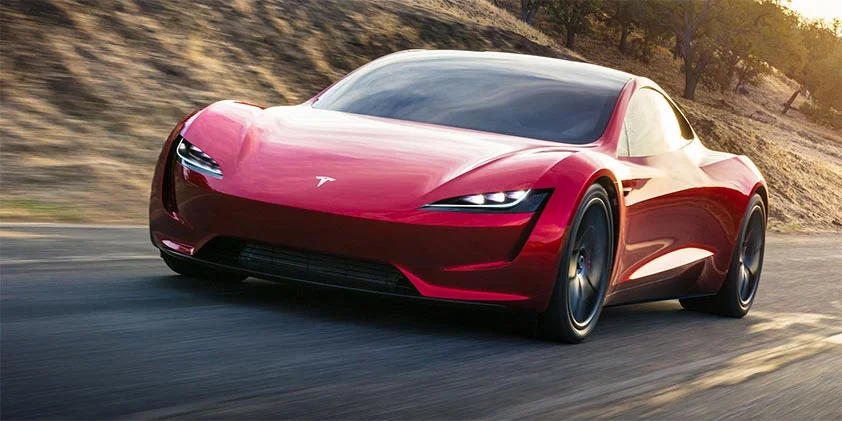
The second-generation Tesla Roadster has been promised for years. Elon Musk has publicly stated a target top speed of more than 250 mph and a 0–60 time of 1.9 seconds — which would make it the fastest-accelerating production car Tesla has ever built. Full production figures remain unconfirmed as of May 2026. Deliveries have been repeatedly delayed since the car was first shown in 2017.
A base price of $200,000 has been quoted. If the specs arrive as advertised, the Roadster would sit at the intersection of hypercar performance and relative accessibility — a 1.9-second 0–60 time at a fraction of the price of its Rimac and Aspark rivals.
- Top speed: 250+ mph (manufacturer claim, unverified)
- 0–60 mph: 1.9 seconds (manufacturer claim)
- Price: ~$200,000 (quoted)
- Status: Production pending — specs unconfirmed
#6 — Pininfarina Battista: 217 mph, 1.8s 0–60
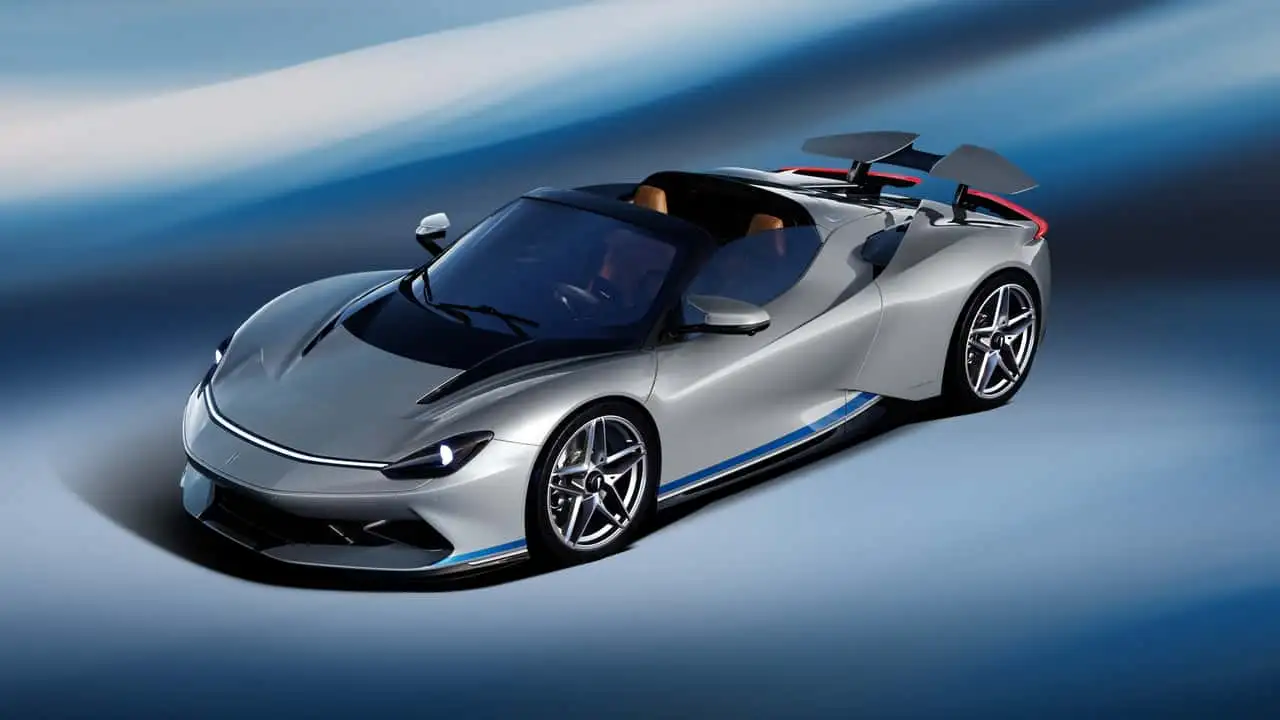
The Pininfarina Battista is built on the same Rimac-derived powertrain platform that underpins some of the fastest EVs in existence, producing 1,900 hp through four electric motors. Pininfarina claims a 217 mph top speed and a 1.8-second 0–60 time. Independent tests have placed the Battista consistently below 2.0 seconds, confirming that the acceleration figure is real-world achievable rather than ideal-condition fiction.
The Battista is produced in a limited run of 150 units, priced at approximately $2.2 million. It is also one of the most visually striking cars on this list — Pininfarina designed Ferraris for decades before building this.
- Top speed: 217 mph
- 0–60 mph: 1.8 seconds
- Power: 1,900 hp
- Price: ~$2.2 million USD
- Units: 150 total production
#7 — Lotus Evija: 2,039 hp, 200+ mph
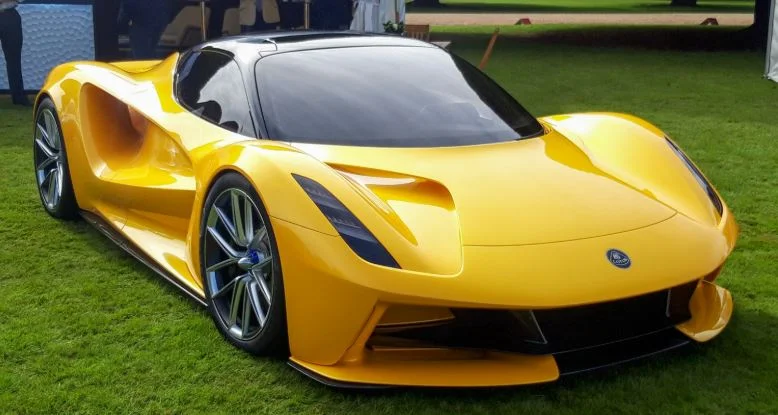
The Lotus Evija is the lightest electric hypercar in production. Its carbon fibre monocoque weighs just 320 pounds, and the four-motor powertrain produces 2,039 hp — more peak power than any Formula 1 car has publicly claimed. Lotus quotes a 0–60 time of well under 3.0 seconds and a top speed comfortably above 200 mph, though an independently verified top-speed run at the upper limits has not yet been published.
Just 130 units are being built. Deliveries began in late 2023 and are running through 2026. The Evija supports 350 kW fast charging, which Lotus says fills the battery from empty in approximately 18 minutes under ideal conditions.
- Top speed: 200+ mph (track conditions)
- Power: 2,039 hp
- Weight: Carbon fibre monocoque — 320 lbs
- Range: ~215 miles
- Price: ~$2.3 million USD
- Units: 130 total
#8 — Tesla Model S Plaid: 200 mph, Quickest Production Sedan
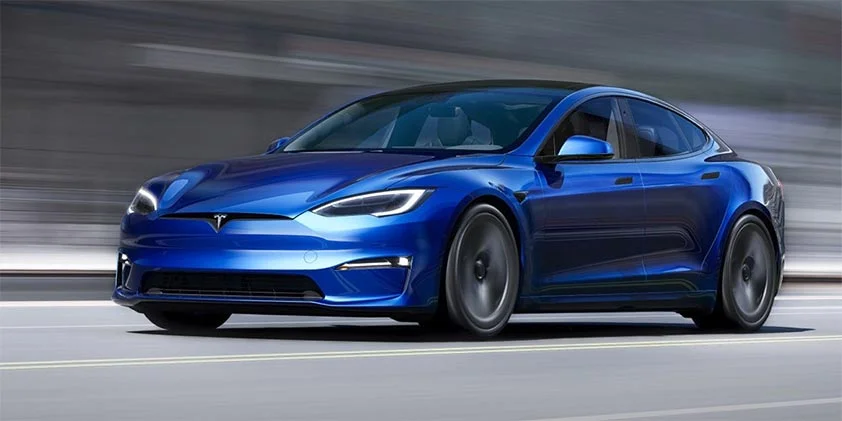
The Tesla Model S Plaid is the most practical car on this list by a long margin. It seats five adults, has a proper boot, charges on the world’s largest fast-charging network, and runs 0–60 mph in around 2.0 seconds in independent testing with rollout subtracted. The quarter mile comes in at roughly 9.3–9.4 seconds at over 150 mph — numbers that put it in hypercar territory from a car that also does school runs.
Top speed is electronically limited to 200 mph on suitable hardware. EPA-rated range sits in the mid-300-mile range. At around $90,000–$100,000 USD, the Plaid is the most accessible car on this list. In African grey-market imports, expect to pay ₦100–₦130 million in Nigeria depending on age and condition.
- Top speed: 200 mph
- 0–60 mph: ~2.0 seconds (independent testing)
- Quarter mile: ~9.3s at 150+ mph
- Power: 1,020 hp (tri-motor AWD)
- Range: ~330–350 miles (EPA)
- Price: ~$90,000–$100,000 USD
#9 — Lucid Air Sapphire: 1,234 hp, Sub-2-Second Launch
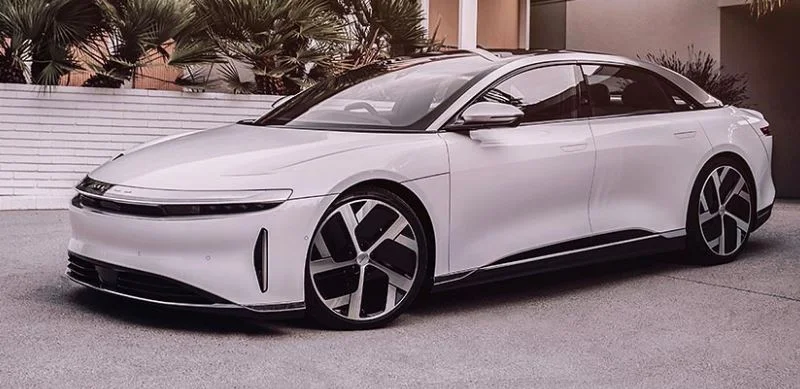
The Lucid Air Sapphire is the fastest production luxury EV sedan that most people have never considered. It produces 1,234 hp from three electric motors, runs the quarter mile in 9.21 seconds at a high trap speed, and hits 60 mph in the low-2-second range. Lucid’s proprietary motor technology allows it to extract more power per kilogram of motor weight than almost any rival — a genuine engineering differentiator, not marketing copy.
Top speed is electronically capped at 168 mph, which explains its position lower on this list despite having a faster 0–60 than cars ahead of it. For buyers who want the fastest EV they can comfortably live with daily, the Sapphire is a serious contender. Starting price is approximately $249,000 USD.
- Top speed: 168 mph (electronically limited)
- 0–60 mph: ~2.0 seconds
- Quarter mile: 9.21 seconds
- Power: 1,234 hp (tri-motor AWD)
- Price: ~$249,000 USD
#10 — Porsche Taycan Turbo GT: 162 mph, Track-Proven Performance
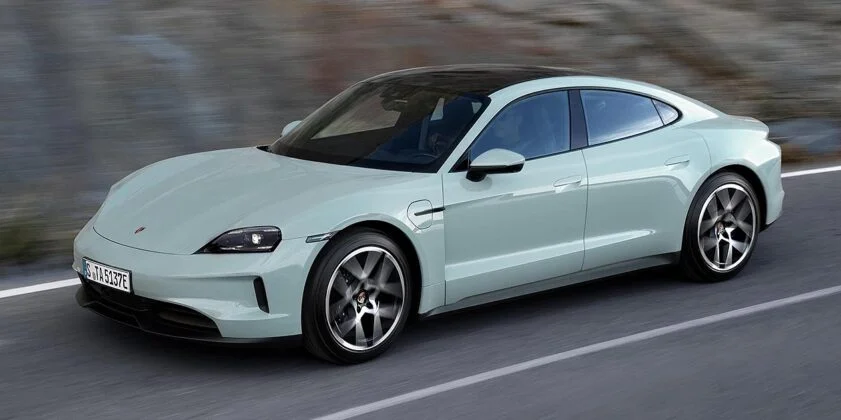
The Porsche Taycan Turbo GT is the only car on this list that a buyer can walk into a dealership and purchase today without waiting lists measured in years. It produces 1,092 hp with overboost, runs 0–60 in approximately 1.9 seconds in Weissach Package trim, and covers the quarter mile in 9.23 seconds. Its two-speed gearbox — unique among production EVs — allows it to maintain meaningful acceleration all the way to its 162 mph top speed rather than trailing off as many single-gear rivals do.
The Taycan is also the most track-focused daily driver on this list. Porsche’s Active Suspension Management, ceramic brakes, and rear-wheel steering give it handling that no other entry here comes close to matching. Starting price for the Turbo GT is approximately $190,000 USD.
- Top speed: 162 mph
- 0–60 mph: ~1.9 seconds (Weissach Package)
- Quarter mile: 9.23 seconds
- Power: 1,092 hp (with overboost)
- Price: ~$190,000 USD
Why Electric Cars Now Dominate Speed Records
Internal combustion engines produce maximum torque only within a specific RPM band. Electric motors deliver maximum torque from zero RPM — instantly. There are no gear shifts, no turbo lag, no clutch slip. A well-engineered EV can sustain full-force acceleration from a standing start in a way that no piston engine can replicate.
Four-motor, all-wheel-drive layouts also allow independent torque vectoring — software controlling exactly how much power goes to each wheel at each millisecond. This eliminates wheelspin, the primary enemy of fast acceleration, and explains why nine of the top ten fastest EVs in the world use AWD setups.
The remaining challenge for EV performance is sustained high-speed running. Battery packs generate significant heat under maximum load, and managing that thermal output is what separates a car that can do one fast lap from one that can do ten.
Quick Verdict
Fastest by claimed top speed: Yangwang U9 Track Edition — if BYD’s 293.5 mph claim is independently verified, it ends the conversation. Until that happens, the title sits with the Rimac Nevera R at 267 mph.
Fastest with verified data: Rimac Nevera R. Twenty-three world records and an independently confirmed 267 mph top speed make it the benchmark no one has officially surpassed.
Most accessible fast EV: Tesla Model S Plaid. It costs roughly 25 times less than the Nevera, runs the same quarter mile in the same second count as supercars three times its price, and can be recharged at any Supercharger.
Best driver’s car: Porsche Taycan Turbo GT. The two-speed gearbox and Porsche’s chassis engineering make it the only car on this list that rewards skill rather than just rewarding a fully charged battery.