Best EV for Nigerian Roads 2025: 5 Electric Cars That Can Actually Handle Our Streets
From Lagos potholes to NEPA blackouts and a charging network that barely exists outside Abuja — we ranked the top 5 electric vehicles built to survive Nigeria’s unique driving conditions.
Nigeria is not the easiest country to own an electric vehicle. The roads are unpredictable, public charging infrastructure is still in its infancy, and the national grid is, well, the national grid. Yet the EV wave is arriving — and for good reason. With petrol prices sitting at historic highs and solar inverter setups already common in Nigerian homes, an electric car is beginning to make serious financial sense.

But not every EV is built for Badagry Road or the Sagamu–Ore expressway. We evaluated each car on ground clearance, real-world range, home-charging compatibility, and after-sales support availability in West Africa. Here are the five that made the cut.
The 5 Best Electric Cars for Nigerian Roads in 2025
BYD Atto 3 — Best Overall EV for Nigeria
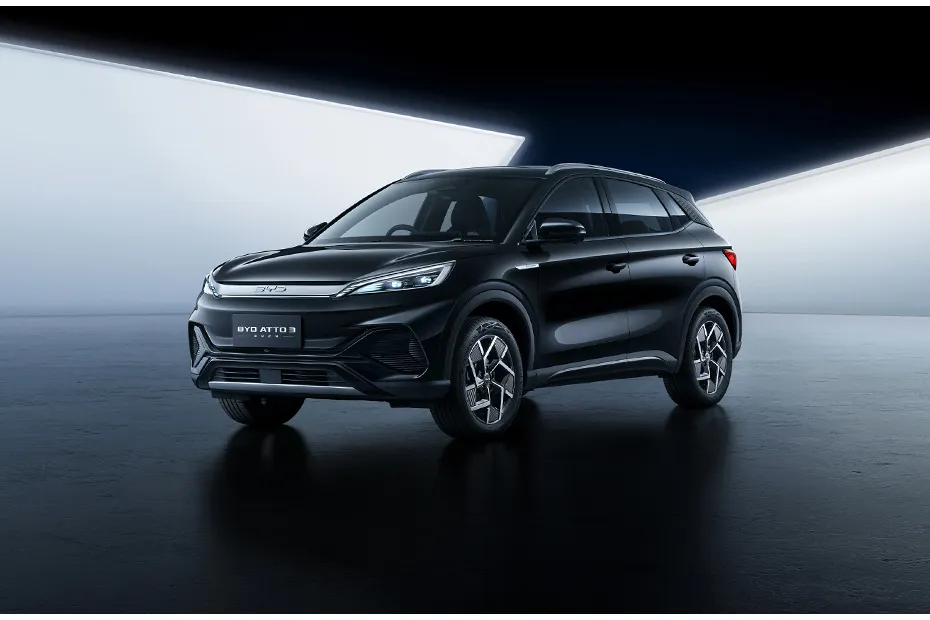
The BYD Atto 3 is the most practical EV you can buy for Nigerian conditions today. Its 175mm ground clearance places it comfortably in SUV territory — enough to clear most Nigerian speed bumps and absorb bad stretches without drama. The 60.5 kWh battery delivers a real-world range of around 380–420km, and crucially, it charges cleanly off a standard AC home charger, meaning your existing solar inverter setup can top it up overnight.
BYD‘s growing presence across West Africa also means the brand is not disappearing on you. Service centres and agents are opening up in Lagos, Port Harcourt, and Abuja, which matters enormously when something goes wrong 200km from the nearest major city.
Hyundai Ioniq 5 — Best for Power Outage Resilience
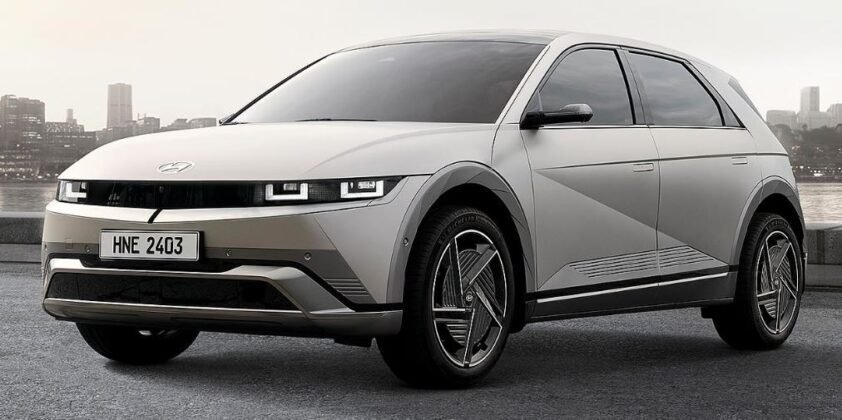
The Ioniq 5‘s vehicle-to-load (V2L) feature makes it uniquely suited to Nigerian life. When NEPA takes the light, you can plug household appliances directly into the car and run them off the battery. It also charges from 10% to 80% in around 18 minutes on an 800V DC charger — once those stations proliferate, this car will be unbeatable. Right now, it rewards buyers who already have DC fast-charging access in Lagos or Abuja.
Tesla Model Y — Best Range & Resale Value
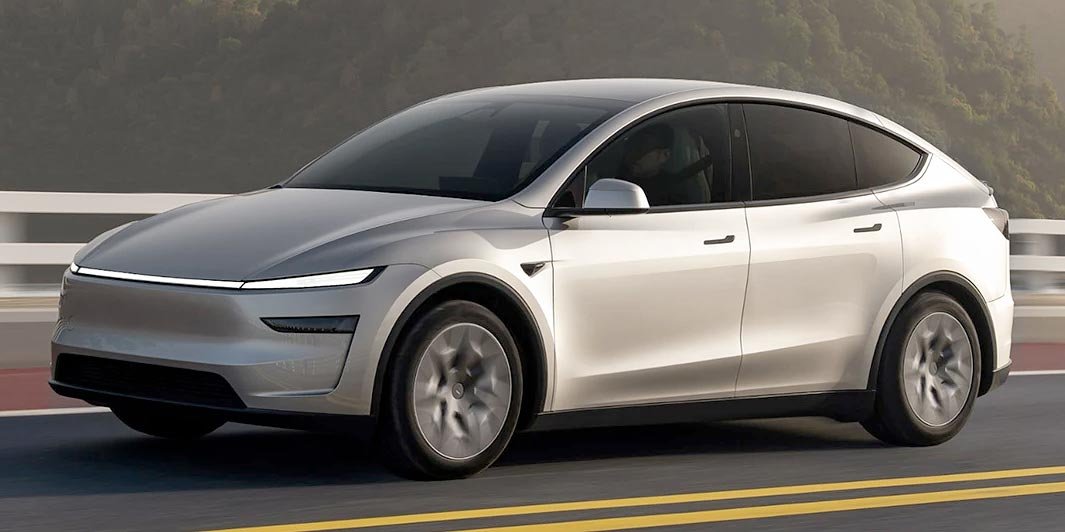
The Model Y Long Range AWD offers the longest real-world range of any EV on this list — important when charging stops on, say, the Lagos-Ibadan or Abuja-Kaduna route are still sparse. Its over-the-air software updates mean it improves with time, and the brand’s resale value remains stronger than most competitors. The Supercharger network is also expanding gradually into the West African market.
MG ZS EV — Best for Ground Clearance
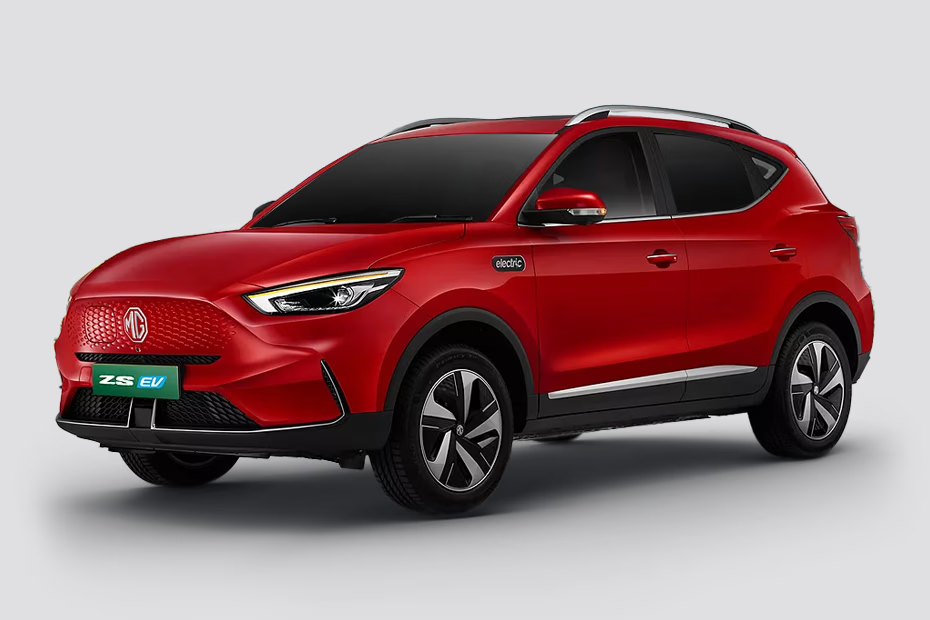
The MG ZS EV leads the field on ground clearance at 177mm — the highest of any car on this list — making it the most capable at absorbing rough, unmaintained roads. MG’s growing African distribution network (particularly in South Africa and East Africa, with expansion into West Africa) adds confidence around parts and service. The range is adequate for in-city and regional use.
Neta V / Neta S — Best Budget EV in Nigeria
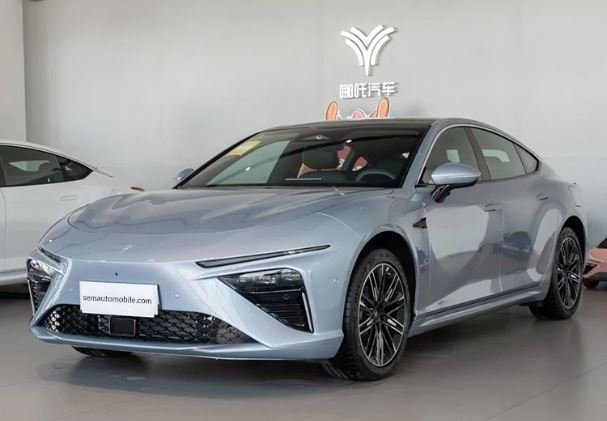
For buyers who want to enter the EV market without spending upward of ₦40 million, the Neta V represents the most accessible price point available. It is gaining traction across West Africa as Chinese automotive brands intensify their push into emerging markets. The range is sufficient for urban daily commutes, and its mechanical simplicity keeps maintenance costs low. Service infrastructure is still limited — factor that risk in.
“In Nigeria, your EV’s best charging station is your own rooftop — not a public car park.”
How to Charge an Electric Car in Nigeria Without a Public Station
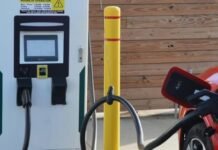
Public EV charging infrastructure in Nigeria is still nascent. A handful of stations exist in Lagos and Abuja, but relying on them exclusively is not a viable strategy in 2025. The good news: most Nigerian EV owners have discovered a natural workaround — solar inverter home charging.
What to set up before your EV arrives
- Solar inverter + lithium batteries: A 5kW–10kW system can fully charge most EVs overnight. This is already standard in many Nigerian homes.
- Dedicated 32A wall socket or wallbox: Faster and safer than a standard 13A socket. Costs ₦80,000–₦200,000 to install.
- Smart charger with scheduling: Charge during off-peak hours or peak solar generation to minimise cost.
- Identify DC fast-charge points on your routes: For Lagos-Ibadan or Abuja-Kaduna runs, map out available charging ahead of time.
What to Look for When Buying an EV for Nigerian Roads
Not all EVs are equal when you factor in Nigerian road conditions. Here is the framework we used to rank our picks:
Ground clearance above 160mm. Anything below risks damage on unmarked speed bumps, potholes, and unpaved shoulders — all common across Nigeria’s road network.
Real-world range above 380km. Manufacturers’ claimed range is always optimistic. Assume 80–85% of the advertised figure in real-world city driving and plan charging stops accordingly.
AC home charging support. Until public DC fast-chargers proliferate, your solar inverter is your primary fuel station. Confirm the car can charge at a sensible rate from a home AC supply.
After-sales and local agent presence. This is non-negotiable. An EV stranded in Port Harcourt with no service agent within 500km is a liability, not an asset.
Import duties and clearing costs. Factor in Nigeria Customs duties, shipping, and clearing fees — these can add 30–50% to the base price. Get quotes from a reputable clearing agent before committing.
Frequently Asked Questions About EVs in Nigeria
What is the best electric car for Nigerian roads?
The BYD Atto 3 is currently the best overall EV for Nigerian roads. Its 175mm ground clearance, 420km range, AC home charging compatibility, and growing local dealer presence make it the most practical choice for most Nigerian buyers in 2025.
Can I charge an EV at home in Nigeria using my solar inverter?
Yes. All five EVs on our list support AC home charging. A 5kW–10kW solar inverter setup with lithium battery storage is sufficient to charge most EVs overnight, making the national grid largely irrelevant for your daily top-up.
How much does an electric car cost in Nigeria in 2025?
Budget options like the Neta V start around $16,000 (approximately ₦24–26 million at current exchange rates) before import duties. Mid-range models like the BYD Atto 3 and MG ZS EV land between $28,000–$32,000. Premium models (Tesla, Ioniq 5) exceed $40,000. Add 30–50% for Nigerian Customs duties and clearing costs.
Are there EV charging stations in Nigeria?
A small number of public EV charging stations exist in Lagos and Abuja as of 2025, but coverage is limited. Most Nigerian EV owners charge at home. For long-distance travel, planning your route around available charging points and carrying a portable AC charger is strongly advised.