Electric car prices in Nigeria are changing fast. With petrol hitting ₦1000–₦1500 per litre, more Nigerians are searching for the real cost of going electric — and in 2026, that question finally has clear, concrete answers.
This guide breaks down every electric car currently available in Nigeria, with up-to-date naira prices, real-world range data, charging costs, and an honest look at what ownership actually feels like on Nigerian roads. Whether you’re buying your first EV or switching a commercial fleet, you’ll find what you need here.
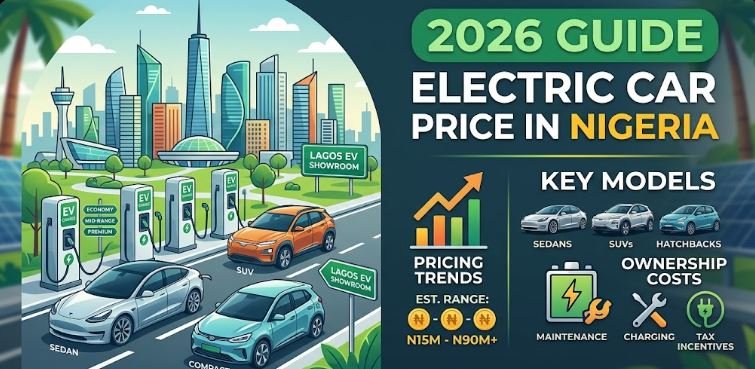
Nigeria EV Market 2026 — Key Numbers You Need to Know
Nigeria’s electric vehicle market has crossed a significant threshold in 2026. It is no longer experimental; it is operational. Here is a snapshot of where things stand right now:
| Metric | 2026 Status |
|---|---|
| EV price entry point (new) | ₦20 million |
| Public charging stations (nationwide) | ~12 (250+ planned for Lagos by Dec 2026) |
| Typical range per charge | 200–610 km depending on model |
| Key brands active in Nigeria | BYD, SAGLEV, Innoson, Tesla, Hyundai, Toyota, Changan |
| Locally assembled EV models | SAGLEV (Lagos), Innoson IVM Fox (Anambra) |
| Government EV target | 30% of locally produced vehicles to be electric by 2032 |
The biggest recent development: in January 2026, Nigeria signed a major agreement with South Korea’s Asia Economic Development Committee (AEDC) targeting an annual production capacity of 300,000 vehicles — a move that is expected to push prices down significantly over the next three to five years. Meanwhile, SAGLEV began assembling 18-seater electric vans in Lagos in February 2026, and BYD officially opened its Lagos showroom through CFAO/LOXEA Nigeria in March 2025.
Complete Electric Car Price List in Nigeria (2026)
The table below covers every significant electric and plug-in hybrid model available in Nigeria in 2026 — new, locally assembled, and commonly available used imports.
🟢 New / Brand-New Electric Cars
| Model | Type | Range | Price (₦) | Best For |
|---|---|---|---|---|
| Changan Benni EV | BEV | ~220 km | ~₦20,000,000 | Budget city commuter |
| SAGLEV Nammi Box | BEV | ~280 km | ₦31,710,469 | Ride-hailing / city use |
| BYD Qin Plus DM-i | PHEV | 1,350+ km (combined) | ~₦27,000,000–₦30,000,000 | Long-distance + city |
| BYD Dolphin | BEV | ~340 km | ~₦35,000,000–₦42,000,000 | Daily driver / family sedan |
| BYD Atto 3 (Yuan Plus) | BEV SUV | ~430 km | ~₦45,000,000 | Compact SUV buyers |
| SAGLEV Nammi 01-E1 | BEV | ~300 km | ₦38,773,125 | Pool / fleet operators |
| Toyota bZ3 (2024) | BEV | ~480 km | ~₦73,000,000–₦80,000,000 | Premium sedan buyers |
| Toyota bZ3X Max | BEV SUV | ~610 km | ₦80,000,000+ | Premium SUV buyers |
| Hyundai Kona EV | BEV SUV | ~400 km | ~₦55,000,000–₦65,000,000 | Practical SUV buyers |
| Tesla Model 3 | BEV | ~500 km | ~₦90,000,000–₦110,000,000 | Tech-first premium buyers |
| Tesla Model S | BEV | ~600 km | ~₦120,000,000+ | Ultra-premium / status |
| SAGLEV Luxury SUV (full-size) | BEV SUV | ~400 km | ~₦137,000,000 | Nigerian-assembled luxury |
| BMW i3 | BEV | ~153 km | ~₦30,000,000 | City prestige / urban only |
BEV = Battery Electric Vehicle (pure electric). PHEV = Plug-in Hybrid Electric Vehicle.
Best Budget Electric Cars in Nigeria Under ₦35 Million
The entry-level EV market in Nigeria has matured considerably. Here are the most practical options for buyers on a tighter budget.
1. Changan Benni EV — From ₦20,000,000
The most affordable new electric car in Nigeria, the Benni EV is a compact city runabout from Chinese automaker Changan. It covers around 220 km on a full charge — enough for three to four days of average Lagos-to-Lekki commuting before needing a top-up. It is the go-to recommendation for first-time EV buyers who want to test the waters without a massive upfront commitment.
- Range: ~220 km
- Charging time (home): 6–8 hours
- Best suited for: Daily urban commuting within Lagos, Abuja, or Port Harcourt
- Limitation: Short range makes it unsuitable for intercity travel
2. BYD Qin Plus DM-i — ₦27,000,000–₦30,000,000
For drivers nervous about range anxiety, the Qin Plus DM-i is the smartest pick in this price bracket. As a plug-in hybrid, it runs on pure electricity for daily commutes and switches to a petrol engine for longer trips, giving a combined range exceeding 1,350 km. BYD officially entered Nigeria in March 2025 through CFAO/LOXEA with full service infrastructure in Lagos.
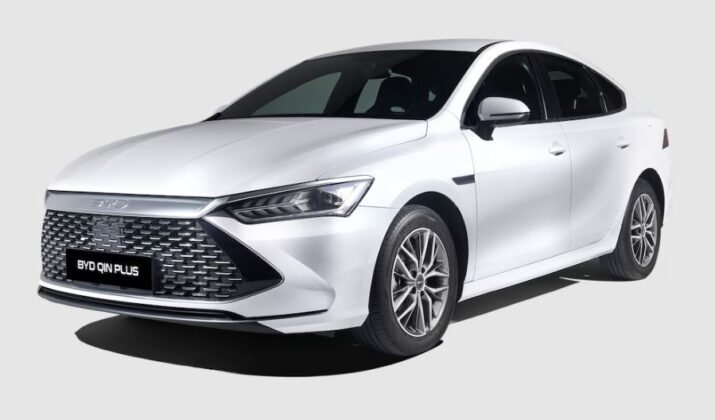
- Electric-only range: ~80–100 km
- Combined range: 1,350+ km
- Best suited for: Drivers doing frequent Lagos–Ibadan or intercity trips
- Advantage: No range anxiety; works even without a charging station
3. SAGLEV Nammi Box — ₦31,710,469
Assembled in Lagos, the Nammi Box is designed specifically for Nigeria’s ride-hailing economy. With up to 280 km of electric range, solar-powered charging compatibility, and a local assembly advantage that reduces import costs, it is the most Nigeria-optimised EV at this price point. SAGLEV’s CEO Olu Falaye has confirmed plans to produce 2,500 vehicles annually alongside dedicated solar charging stations.
Best Mid-Range Electric Cars in Nigeria: ₦35M–₦80M
This is where the Nigerian EV market is most competitive in 2026, with strong entries from BYD, Hyundai, and Toyota.
4. BYD Dolphin — ₦35,000,000–₦42,000,000
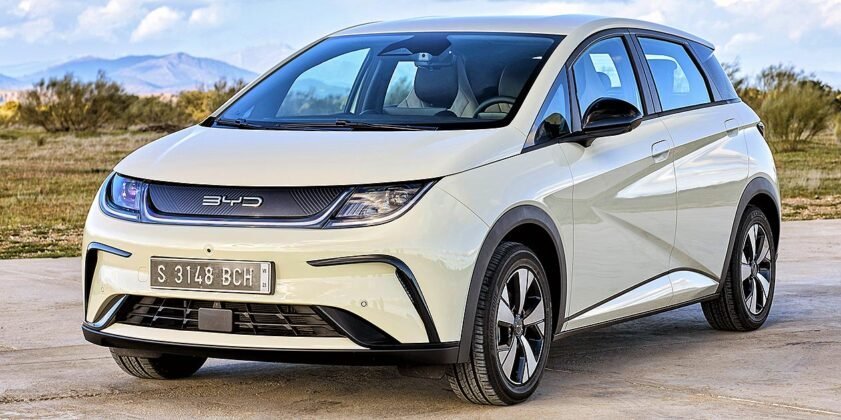
The Dolphin is BYD’s best-selling model globally and is quickly gaining traction in Nigeria. It delivers approximately 340 km of range, a clean and modern interior, and the peace of mind of BYD’s proprietary Blade Battery technology — rated as one of the safest lithium battery designs on the market today. With a Lagos showroom stocked and serviced by CFAO Motors, after-sales support is available locally.
5. BYD Atto 3 (Yuan Plus) — ~₦45,000,000
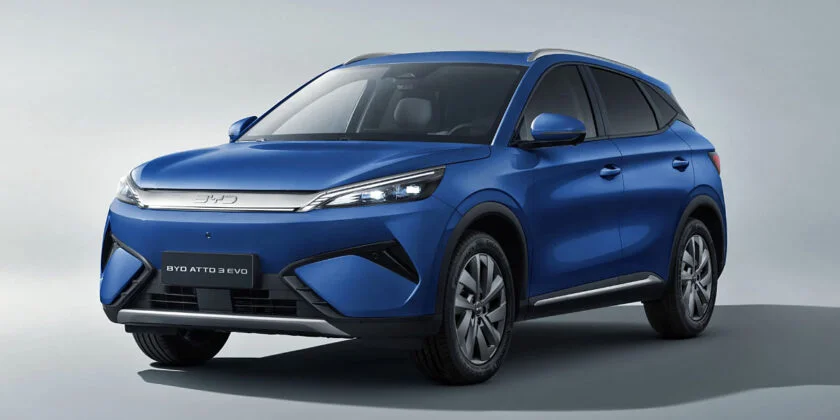
The Atto 3 is the most popular full-electric SUV in the Nigerian market right now. At approximately ₦45 million through CFAO Motors, it offers 430 km of range, a distinctive rotating touchscreen, and a spacious five-seat cabin. It competes directly with petrol SUVs like the Toyota RAV4 on comfort and practicality, while costing significantly less to run per kilometre.
6. Hyundai Kona EV — ₦55,000,000–₦65,000,000
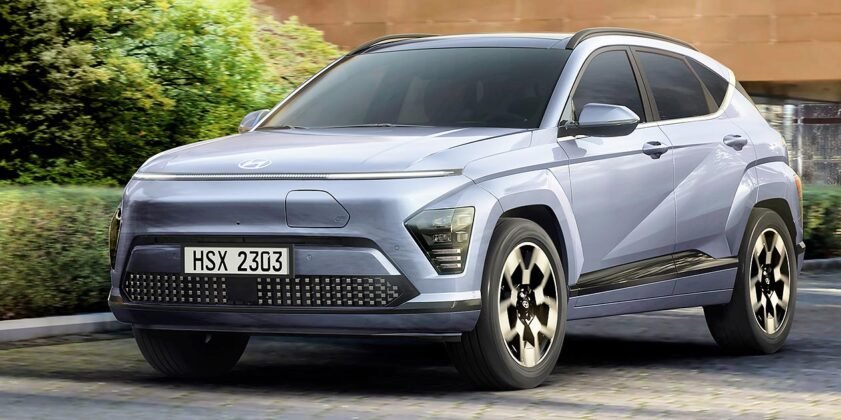
The Kona EV offers the best balance of brand reliability, SUV practicality, and range (around 400 km) in the mid-range segment. Hyundai’s global service network and Nigeria’s existing Hyundai dealership infrastructure make maintenance less stressful than some Chinese alternatives.
7. Toyota bZ3 — ₦73,000,000–₦80,000,000
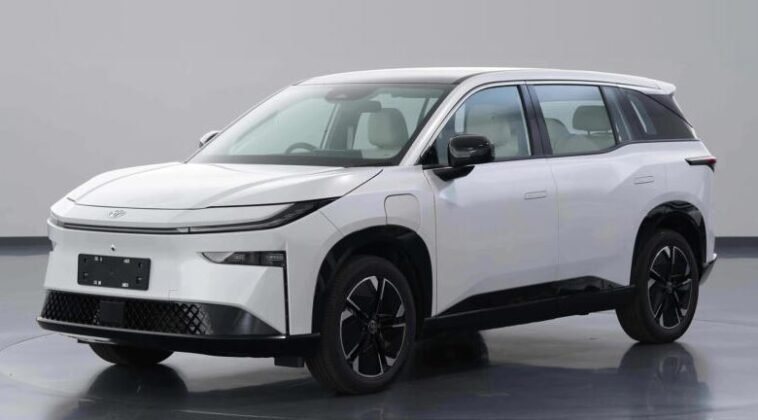
Toyota’s electric sedan designed for emerging markets, the bZ3 offers around 480 km of range and the trust of the Toyota badge. Its elevated ride height versus a standard sedan makes it more practical for Nigerian road conditions. Brand-new units have been spotted on Jiji.ng and at Lagos dealers in 2026.
Premium & Luxury Electric Cars in Nigeria
8. Tesla Model 3 — ₦90,000,000–₦110,000,000
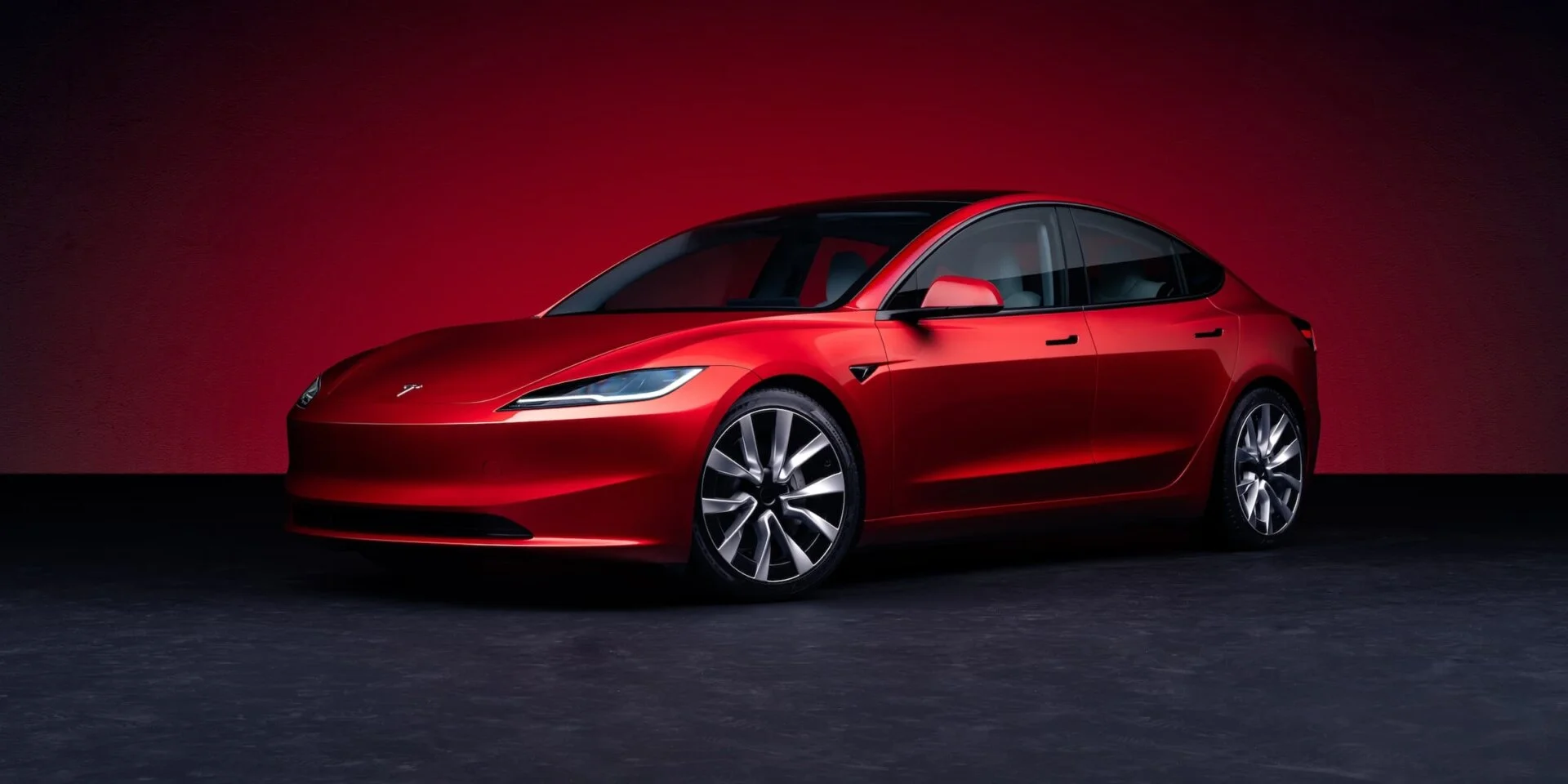
Nigeria’s most recognisable EV brand. The Model 3 offers up to 500 km of range, over-the-air software updates, a minimalist all-screen interior, and unmatched global brand prestige. The main challenge is aftersales: there is no official Tesla service centre in Nigeria, so maintenance requires an independent specialist. Parts availability is improving but still limited.
9. Tesla Model S — ₦120,000,000+
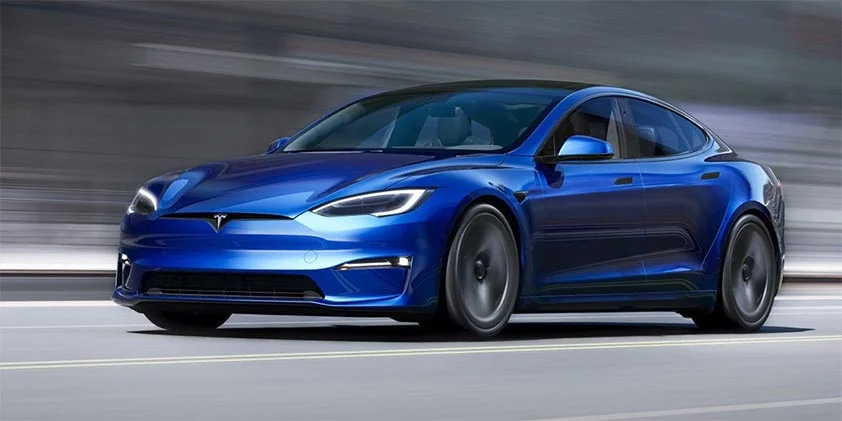
The flagship Tesla in Nigeria, seen primarily in Lagos and Abuja among high-net-worth individuals. With a range of up to 600 km and 0–100 km/h in under 3.7 seconds, it remains one of the fastest electric cars available in the country. Expect significant price variation depending on import route and vehicle specification.
10. SAGLEV Full-Size Luxury SUV — ~₦137,000,000
Nigeria’s proudest EV moment: a full-size luxury electric SUV assembled domestically by SAGLEV (a partnership between the Stallion Group and China’s Sokon Motor). At ₦137 million, it combines locally assembled status with international-grade electric performance. Its unique selling point is its Nigerian origin — buying it directly supports local EV manufacturing and job creation.
EV Charging in Nigeria: Infrastructure, Costs & Home Solutions
Charging infrastructure is the most commonly cited barrier to EV adoption in Nigeria — but the picture in 2026 is more encouraging than it was just 12 months ago.
Public Charging
There are approximately 12 public charging stations in Nigeria as of early 2026, concentrated in Lagos and Abuja. This is clearly insufficient for mass adoption, but change is accelerating. LUG West Africa announced in January 2026 that it will install over 250 solar-powered EV charging points across Lagos by December 2026, integrated into the city’s existing 50,000 solar streetlight infrastructure.
Home Charging
Most Nigerians who own EVs charge at home using the standard 240V kit included with the vehicle. A full charge takes 4–8 hours overnight. The critical upgrade for Nigerian conditions is pairing home charging with a solar inverter system — this eliminates dependence on the unreliable grid entirely and makes charging costs predictable and very low.
| Charging Method | Time (0–100%) | Estimated Cost | Reliability in Nigeria |
|---|---|---|---|
| Grid home charging (240V) | 6–10 hours | ~₦1,500–₦3,000/full charge | ⚠️ Depends on NEPA |
| Solar inverter home charging | 8–12 hours | Near-zero per charge (after setup) | ✅ Highly reliable |
| DC Fast Charging (public) | 30–90 minutes | Varies by station | ⚠️ Very limited locations |
| Pay-as-you-drive (fleet plans) | N/A | ~$0.20 (~₦300) per km | ✅ Growing availability |
Total Cost of Ownership: Electric vs Petrol in Nigeria
The purchase price of an EV is only part of the story. When you factor in fuel costs, maintenance, and the grid situation, the calculation becomes much more compelling for certain buyer profiles.
| Cost Factor | Petrol Car | Electric Car |
|---|---|---|
| Fuel / charging (monthly) | ₦80,000–₦150,000+ | ₦8,000–₦25,000 (solar: near-zero) |
| Engine / transmission service | ₦30,000–₦80,000/quarter | Minimal (no oil changes, fewer moving parts) |
| Brake wear | Regular replacement | Reduced (regenerative braking) |
| Battery replacement (long-term) | N/A | ₦3M–₦8M after 8–10 years |
| Estimated 4-year saving | — | ₦3M–₦7M vs equivalent petrol |
The conclusion: for high-mileage urban drivers, ride-hailing operators, and commercial fleets, an EV pays for its premium within two to four years. For low-mileage rural drivers without access to reliable electricity, a petrol car remains the more practical choice in 2026.
How to Buy an Electric Car in Nigeria in 2026
Step 1 — Choose the Right Type for Your Usage
If you drive mostly within one city (Lagos, Abuja, PH), a pure BEV with 220–430 km of range is perfectly adequate. If you regularly travel intercity, a plug-in hybrid like the BYD Qin Plus DM-i removes all range anxiety.
Step 2 — Verify the Seller and Import Status
Buy from authorised dealers where possible. In Nigeria, that currently means CFAO/LOXEA Nigeria for BYD, SAGLEV directly for locally assembled models, and vetted importers for Tesla and Hyundai. Always confirm duty payment and check the Customs Duty Certificate (CDC) before completing any purchase.
Step 3 — Plan Your Charging Setup
Before your car arrives, arrange your home charging solution. A solar inverter with adequate battery storage is the most reliable option for Nigerian conditions. Budget ₦800,000–₦2,000,000 for a quality solar charging setup if you do not already have one.
Step 4 — Explore Financing Options
The Nigerian government introduced a ₦20 billion consumer credit scheme in December 2024 specifically for locally produced EVs from companies including SAGLEV, Innoson, Nord, and Jet Motor Company. Ask your bank about green auto loans, and enquire about lease-to-own and pay-as-you-drive schemes, especially if you are a commercial operator.
Step 5 — Locate a Certified Service Centre
Before buying, identify who will service the vehicle. BYD owners have CFAO Lagos; SAGLEV has its own service network. For Tesla, independent specialists in Lagos handle most maintenance. Avoid brands for which there is no local technical support — this is the biggest hidden cost for EV owners in Nigeria.
Step 6 — Sort Insurance and Registration
EV registration follows the same process as petrol vehicles. By 2026, some states are beginning to discuss green vehicle fee reductions, but these are not yet widely implemented. Insurance premiums may be slightly higher due to vehicle value and part replacement costs — shop around for the best rate.
Frequently Asked Questions — Electric Cars in Nigeria
Bottom Line: Is 2026 the Right Year to Go Electric in Nigeria?
For the right buyer, the answer is yes. Nigeria’s EV market in 2026 is no longer a niche experiment — it has real vehicles at real prices, with growing local assembly, improving financing options, and an infrastructure buildout that is gaining serious momentum.
The smart approach is to start with your use case: calculate your monthly petrol spend, identify the models within your budget, factor in your charging setup, and verify local aftersales support before committing. The total cost of ownership math increasingly favours EVs — especially as petrol prices show no sign of falling.
Bookmark this guide, as prices will be updated quarterly as new models enter the market and the naira exchange rate shifts.
Compare prices, read owner reviews, and connect with verified dealers across Nigeria.
Browse Electric Cars in Nigeria →
- Nigeria’s EV Revolution Is Here: How Africa’s Largest Economy Is Racing to Lead the Electric Vehicle Market
- LG Energy Solution Posts $138M Q1 2026 Loss as EV Demand Slows — Worse Than Expected
- Rivian R2 EPA Ratings Leaked: 335-Mile Range, 144 MPGe — and It Beats the Tesla Model Y
- EV Adoption in Africa 2026: The Complete Data Guide
- BYD EV Sales Hit 589 Units — But South Africa Isn’t Ready