Hyundai is entering the compact EV market with the Hyundai Ioniq 3, a new addition to its Ioniq lineup. This model acts as a smaller sibling to the Ioniq 5, but it introduces a fresh design direction. The car was first revealed at the Munich Motor Show in September with the “Concept Three.”
Design and Styling of the Hyundai Ioniq 3
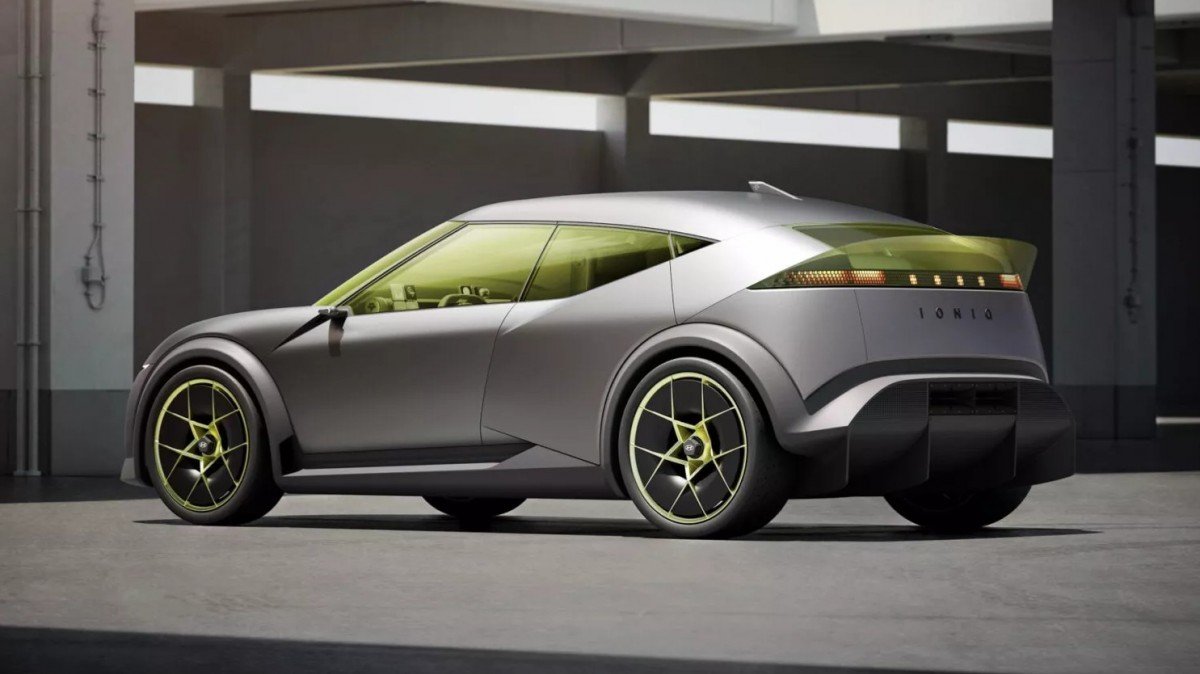
The Ioniq 3 features Hyundai’s “Art of Steel” design, inspired by advanced steel manufacturing technology. Its “Aero Hatch” profile gives it a sleek, almost hot-hatch-like silhouette, finished with a distinctive ducktail spoiler.
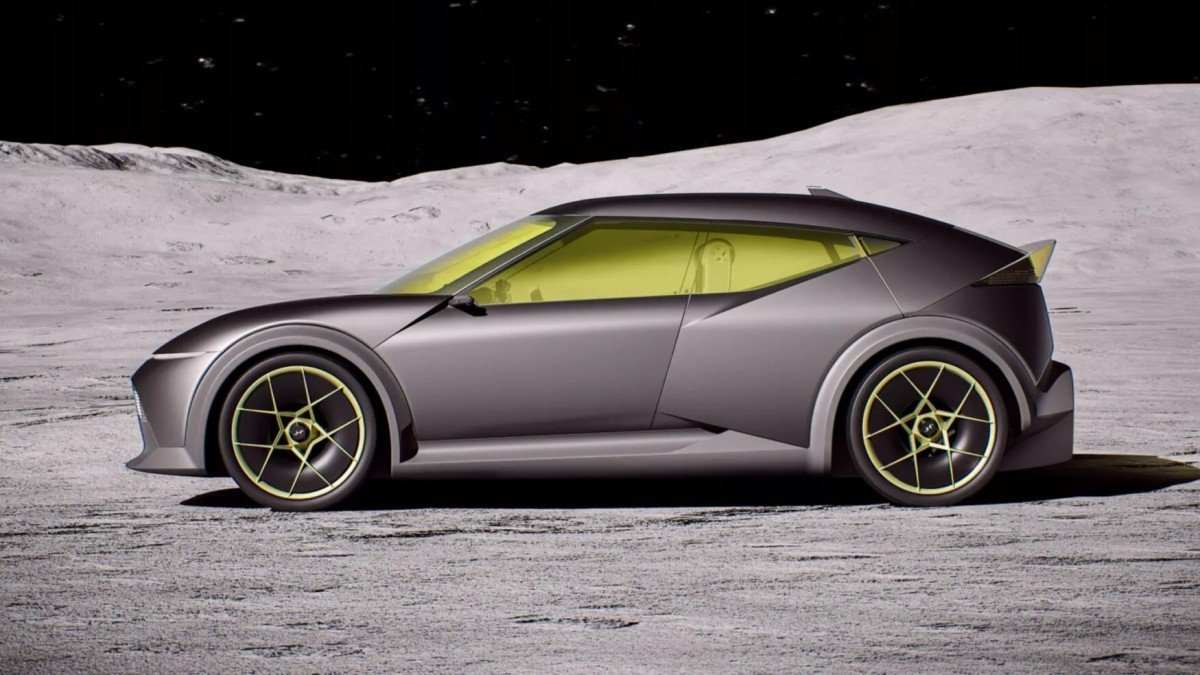
Despite its new shape, the Ioniq 3 keeps familiar Ioniq cues, including the signature Parametric Pixel lights at the front and rear. Prototype sightings in South Korea and Europe show that the production model will closely follow the bold design of the Concept Three.
Specs and Dimensions
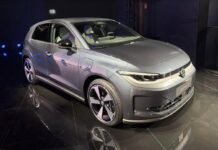
The Hyundai Ioniq 3 measures 4.28 m in length, 1.94 m in width, and 1.40 m in height. Its 2.72 m wheelbase offers generous interior space for a compact EV. It will compete with European small EVs such as the Kia EV3 and Volkswagen ID.3, offering a nimble and urban-friendly driving experience.
Battery and Range
Hyundai expects the Ioniq 3 to share key components with the Kia EV3. Customers will likely have two battery options: a 58.3 kWh pack and an 81.4 kWh pack. The larger battery should provide up to 365 miles on the WLTP cycle, ensuring solid range for city and highway driving.
Pricing and Market Focus
The Ioniq 3 is aimed at entry-level EV buyers. With the Kona Electric starting around $48,100 in the UK, this new compact model is expected to be more accessible, around $34,300. Hyundai currently plans to focus on Europe and other markets outside North America due to high demand for small EVs in these regions.
The Hyundai Ioniq 3 combines compact dimensions, bold styling, and practical range to deliver an affordable urban EV. It offers an appealing option for buyers seeking a small, stylish, and efficient electric vehicle.