Nigeria Scraps Import Duty on Electric Vehicles, Slashes Car Tariffs as Oil Hits $104
Nigeria has eliminated import duties on electric vehicles and mass transit buses, and cut passenger car tariffs nearly in half, as the Tinubu administration scrambles to contain inflation driven by a fresh surge in global oil prices.
The policy changes were announced Monday by Dada Olusegun, Special Assistant to the President on Social Media.

What changed:
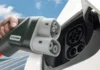
Electric vehicles now carry a 0% import duty, down from 5%. Mass transit buses received the same treatment — fully duty-free, also from 5%. Manufacturing machinery was similarly exempted from duties, a direct push to lower industrial production costs.
The bigger number: passenger vehicle import duties dropped from 70% to 40% — a cut that, if passed on to consumers, could meaningfully reduce the cost of new cars in Nigeria.
Other tariff changes span food and construction staples. Bulk rice duties fell from 70% to 47.5%, broken rice from 70% to 30%, and crude palm oil from 35% to 28.75%. Steel sheets and coils were trimmed from 45% to 35%.
A 90-day transition period began April 1 to let markets absorb the changes without shock.
Why now
The timing is not coincidental. Fuel prices in Nigeria had already climbed to around ₦1,350 per litre before this week’s developments made things worse.
The Israel–US–Iran conflict, which escalated on February 28, 2026, has choked oil flows around the Strait of Hormuz — the chokepoint through which roughly 20% of global crude passes. When major marine insurers including Gard, Skuld, and NorthStandard pulled war risk coverage for Gulf-bound vessels on March 1, freight and shipping costs jumped across the board.
Crude briefly hit $120 per barrel. A ceasefire on April 8 brought Brent and WTI down more than 15%, dropping key Nigerian crude contracts below $95. That relief lasted four days.
On Sunday, April 12, U.S. President Donald Trump ordered the U.S. Navy to blockade all ships entering or leaving the Strait of Hormuz after peace talks with Iran collapsed in Islamabad. Brent crude climbed back above $102 per barrel. WTI hit $104.16 on April 13.
President Tinubu had directed the Ministries of Finance and Budget to develop economic cushioning measures following his remarks at a civic reception in Yenagoa. The tariff package is the direct result of that directive.
What to watch
Whether reduced import duties actually translate to lower retail prices depends largely on importers and dealers passing savings downstream — something Nigerian consumers have learned not to assume automatically. The EV duty elimination is notable on paper, but Nigeria’s EV infrastructure and affordability baseline mean uptake will remain limited in the near term.
The 90-day transition window ends around July 1. If oil prices stay elevated and the Hormuz situation doesn’t stabilize, expect more emergency fiscal moves before then.
Related EV News
- Roam Air Electric Motorcycle Sets Unofficial World Record on Solar-Powered 6,200km Africa Ride
- Electric Minibus Taxis Are Coming to Cape Town in 2026 — Here’s What the Data Shows
- South Africa’s Surging Fuel Prices Are Driving Interest in Electric Cars
- Why Tesla Chose Morocco Over South Africa for Its First African Dealership
- Volkswagen Halts U.S. ID.4 Production in April — Here’s What Happens Next