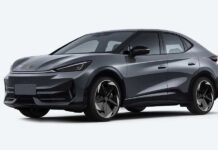
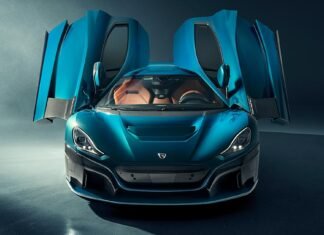
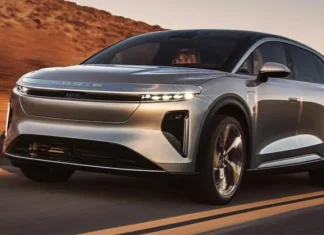
Chinese electric cars are no longer a curiousity. In 2026, BYD, NIO, XPeng, and Zeekr are beating European and American brands on range, charging speed, and price — sometimes all three at once. This guide covers the best Chinese EVs you can buy today, with real specs, honest verdicts, and a clear look at what matters for buyers on African roads.
The short version: The BYD Sealion 7 is the best value. The NIO ET5 is the most convenient for long-distance drivers where swap stations exist. The XPeng P7+ wins on autonomous driving. And the Zeekr 001 is, frankly, one of the most exciting cars made anywhere right now — at any price.
China now produces over 60% of all electric vehicles globally, with six of the top ten EV manufacturers based there. That dominance shows in the 2026 lineup: tighter build quality, proper safety ratings, and technology that moves faster than most Western brands can match. If you are shopping for a new EV this year and ruling out Chinese brands by default, you are leaving real value on the table.
Best Chinese EVs in 2026
| Model | Price (USD approx.) | Range (WLTP/CLTC) | 0–80% Charge | Best For |
|---|---|---|---|---|
| BYD Sealion 7 BEST VALUE | $35,000–$45,000 | Up to 530 km | 12 min (800V) | Families, daily drivers |
| NIO ET5 | $45,000–$60,000 | Up to 1,050 km* | 2 min (swap) | Long-distance comfort |
| XPeng P7+ | $44,000–$50,000 | Up to 530 km | 12 min (800V) | Tech / autonomous driving |
| Zeekr 001 | $45,000–$65,000 | Up to 620 km | 16 min (400 kW) | Performance, premium feel |
| Xiaomi YU7 | From $38,000 | Up to 835 km* | 15 min (800V) | Tech ecosystem, value |
| MG4 Electric | From $28,000 | Up to 450 km | ~35 min | Budget, urban commuting |
* NIO ET5 range with optional 150 kWh semi-solid-state battery. Xiaomi YU7 figure is CLTC. Real-world ranges are typically 15–25% lower than official figures.
The Best Chinese Electric Cars in 2026: Full Breakdown
🥇 #1 · Best Overall Value
BYD Sealion 7 — The Sensible Choice That Doesn’t Feel Sensible
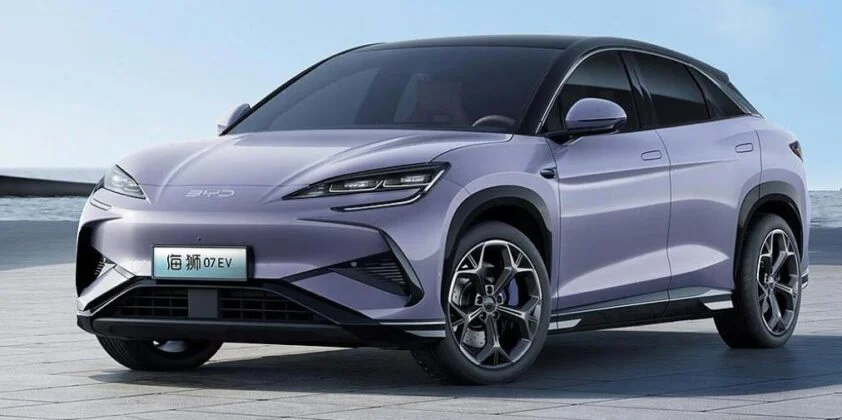
The Sealion 7 replaced the Atto 3 as BYD’s global flagship SUV, and it’s a noticeable step up. The 800V platform means serious fast-charging — the same tech you’d expect from a Porsche Taycan costs a fraction of the price here. BYD’s Blade Battery 2.0 carries a projected lifespan of over one million miles. That number sounds marketing-ish until you realize it’s the same chemistry powering BYD’s commercial bus fleets in multiple countries without significant degradation.
For buyers in markets with developing charging infrastructure — Nigeria, Ghana, Kenya — the battery longevity matters more than peak charging speed. The Sealion 7 handles both well. It’s also the easiest of the Chinese EVs to get serviced: BYD now has the broadest dealer footprint across Africa and Southeast Asia.
🥈 #2 · Best for Long-Distance Drivers
NIO ET5 — Battery Swapping Changes Everything, If You Live Near a Station
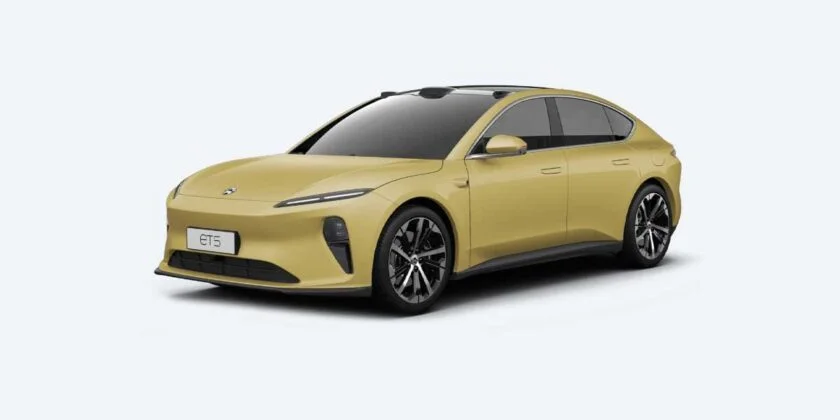
NIO’s battery-swapping concept was easy to dismiss a few years ago. In 2026, with fourth-generation swap stations completing a full battery exchange in two minutes, it starts to look like the best solution to range anxiety that anyone has actually built. You drive in, drive out — charged, not charged — without the 15-minute minimum even the fastest DC chargers require.
The optional 150 kWh semi-solid-state battery pushes real-world range well past 1,000 km for the first time on a production passenger car. Pair that with NIO’s Adam supercomputing platform and you get a car that genuinely improves over time through over-the-air updates. The ET5’s interior is understated in the best way: no huge screen for its own sake, just a well-considered space.
The catch is obvious. NIO’s swap station network is primarily in China, with some European locations. Outside those areas, you’re using standard fast charging — still quick, but the headline advantage disappears. For urban buyers in cities where NIO has infrastructure, this is a serious argument. For everywhere else, it’s a premium sedan with great tech and a feature you may never fully use.
🥉 #3 · Best Autonomous Driving Tech
XPeng P7+ — It Ditched LiDAR and Got Better at Driving Itself
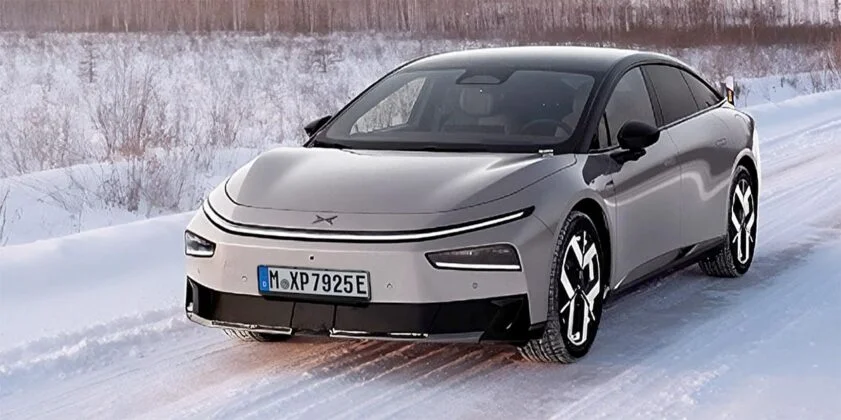
XPeng dropped LiDAR from the P7+ and replaced it with a pure vision-based AI system called Hawkeye. That might sound like a downgrade — LiDAR is expensive and precise — but XPeng’s argument is that cameras, trained on enough real-world data, can do the job without the cost. Early reports suggest they’re right more often than the sceptics expected.
The Turing AI chip handles the compute. The result is robust Level 3 autonomous features — highway driving, automatic lane changes, parking — at a price point that doesn’t require a luxury budget. XPeng builds European-market P7+ units in Austria, which matters for import duty calculations and build consistency.
If autonomous driving is a priority for you, no other car on this list gets closer to realizing it at a reasonable price. If you never plan to use ADAS features, there are more comfortable choices with similar range for less money.
⭐ #4 · Best Driver’s Car
Zeekr 001 — Porsche Taycan Dynamics at Half the Price
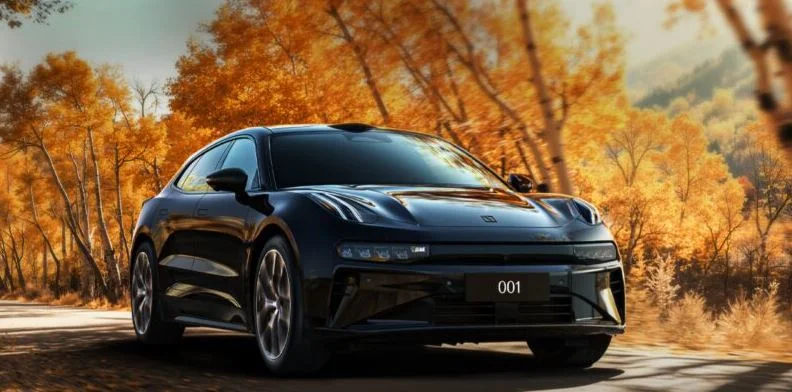
The Zeekr 001 is the Chinese EV that most surprised the automotive press when it landed in European markets. The shooting brake body is genuinely distinctive — not a generic three-box or a crossover — and the dynamics back up the looks. Adaptive air suspension, high horsepower, and a 400 kW charging capability put it in direct conversation with the Porsche Taycan Cross Turismo, at a price that undercuts Porsche significantly.
Zeekr uses Geely’s proven platform, which shares DNA with Volvo’s current generation. That matters for long-term durability confidence and parts availability in markets where Volvo already has dealer networks. It’s not the cheapest car on this list, but the value proposition at its price point is strong.
💡 #5 · Best for Tech Ecosystem
Xiaomi YU7 — Your Smartphone on Four Wheels, Done Properly
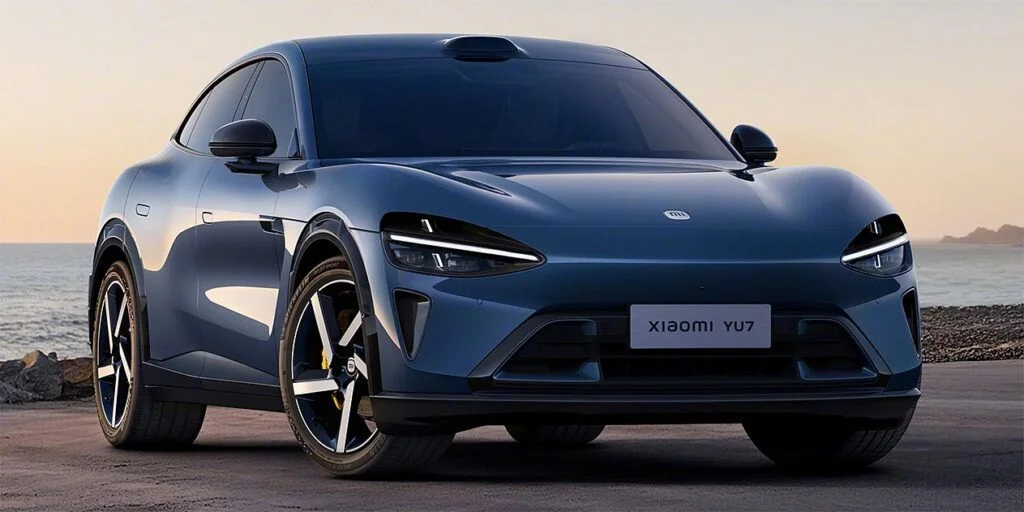
The Xiaomi YU7 is the most anticipated Chinese EV of 2026. Xiaomi’s entry into cars was easy to joke about two years ago — what does a smartphone company know about making vehicles? The SU7 sedan answered that pretty convincingly, and the YU7 SUV builds on it.
HyperOS is the strongest in-car ecosystem integration currently available. If you are a Xiaomi phone and home user, the handoff between devices feels seamless in a way that CarPlay and Android Auto still haven’t matched. The 800V platform and semi-solid-state battery in the top variant push CLTC range past 835 km — though real-world numbers will be meaningfully lower in mixed conditions.
International availability is limited in 2026. If you’re buying outside China, confirm export availability for your specific market and check whether HyperOS is localized for your language.
What to Look for When Buying a Chinese EV in 2026
1. Battery Chemistry and Longevity
LFP (lithium iron phosphate) batteries — used by BYD and MG — are more stable in heat and have longer cycle lives than NMC chemistry. For hot-climate markets like Nigeria, Ghana, or Kenya, LFP is the safer long-term bet. NMC offers higher energy density (more range per kilogram) but degrades faster in sustained heat without careful thermal management.
2. After-Sales Support in Your Market
This is the question that separates a good deal from a headache. BYD and MG have the broadest service networks outside China right now. NIO and XPeng are expanding in Europe. Before buying any Chinese EV for use in Africa or emerging markets, confirm the nearest authorized service center and verify that OTA software updates are available in your region. A car that stops receiving updates in year two is a car that ages faster than it should.
3. Charging Infrastructure Match
An 800V car with 12-minute charging capability is impressive. It only matters if there is an 800V charger within a reasonable distance. Most 800V EVs will still charge on standard CCS stations — just slower. Know your local infrastructure before prioritizing charging speed as a buying criterion.
4. Safety Ratings
BYD, MG, XPeng, and Zeekr all carry five-star Euro NCAP ratings on their current-generation vehicles. Older-generation Chinese EVs had mixed safety records. The 2026 lineup from major brands has genuinely closed that gap — but always verify the specific model year’s rating, not just the brand.
5. Tariffs and Import Costs
The EU currently levies additional import duties on Chinese-manufactured EVs. The UK has not followed suit as of April 2026. African countries have varying import duty structures. Factor full landed cost — not just the FOB price — into your budget. The headline $35,000 price can look different after shipping, duties, and registration fees in your market.
Chinese EV Brands Ranked at a Glance
Best for value: BYD, MG
Best for premium experience: NIO, Zeekr
Best for autonomous driving: XPeng, Xiaomi
Best for African market availability: BYD, MG, Chery
Best for long-distance range: NIO (with semi-solid-state), Xiaomi YU7
Frequently Asked Questions
What is the best Chinese electric car in 2026?
The BYD Sealion 7 leads for value, the NIO ET5 leads for luxury and battery-swap convenience, and the XPeng P7+ leads for autonomous driving tech. The best pick depends on your budget and priorities.
Are Chinese electric cars reliable in 2026?
Yes. Major brands like BYD, MG, and XPeng earned five-star Euro NCAP ratings. BYD’s Blade Battery technology has a projected lifespan exceeding one million miles. Build quality has converged with European and Korean rivals at the major brands.
How fast do Chinese EVs charge in 2026?
Models with 800V architecture — BYD Sealion 7, XPeng P7+, Xiaomi YU7 — charge from 10% to 80% in approximately 12 minutes on compatible ultra-rapid chargers. The Zeekr 001 supports up to 400 kW for a 16-minute 10–80% charge. Standard CCS models typically take 20–45 minutes.
What range do Chinese electric cars offer in 2026?
Budget models typically offer 450–600 km (CLTC). Flagship models like the NIO ET5 with the optional 150 kWh semi-solid-state battery can exceed 1,050 km. Real-world range is typically 15–25% lower than official figures, especially in high temperatures.
Can I buy a Chinese electric car in Africa in 2026?
Yes. BYD has an active dealer network across South Africa, Kenya, and several West African countries. MG and Chery also distribute across the continent. Import availability and after-sales support vary by country — always confirm dealer access and service coverage before committing.
Related EV News
- What Is a Solid State Battery and Why It Could Change EVs Forever
- Electric Motorcycle Nigeria: Best Options for Lagos & Abuja (2026)
- Electric Car vs Petrol: How Much Can You Save in Nigeria?
- How Long Does It Really Take to Charge an Electric Car?
- Electric Vehicles in Africa: The Full 2026 State of the Market