- Home
- Electric Vehicles
- NIO
- NIO ES6
NIO ES6

- Drive Type: AWD
- Type: 5-seat SUV (5-door)
- Self Driving: Level-2
- Airbags: Yes
PROS
- Standard all-wheel drive with strong power output
- Long claimed range on larger battery option
- Flexibility with battery subscription and swap services
CONS
- Availability of battery swap stations limited by region
- Premium pricing above some rivals
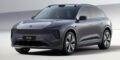
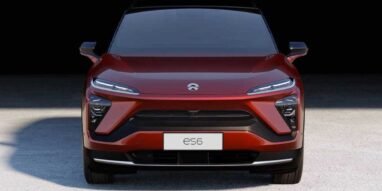
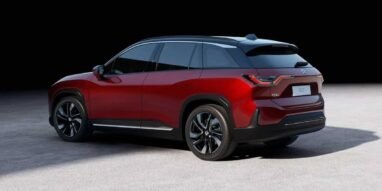
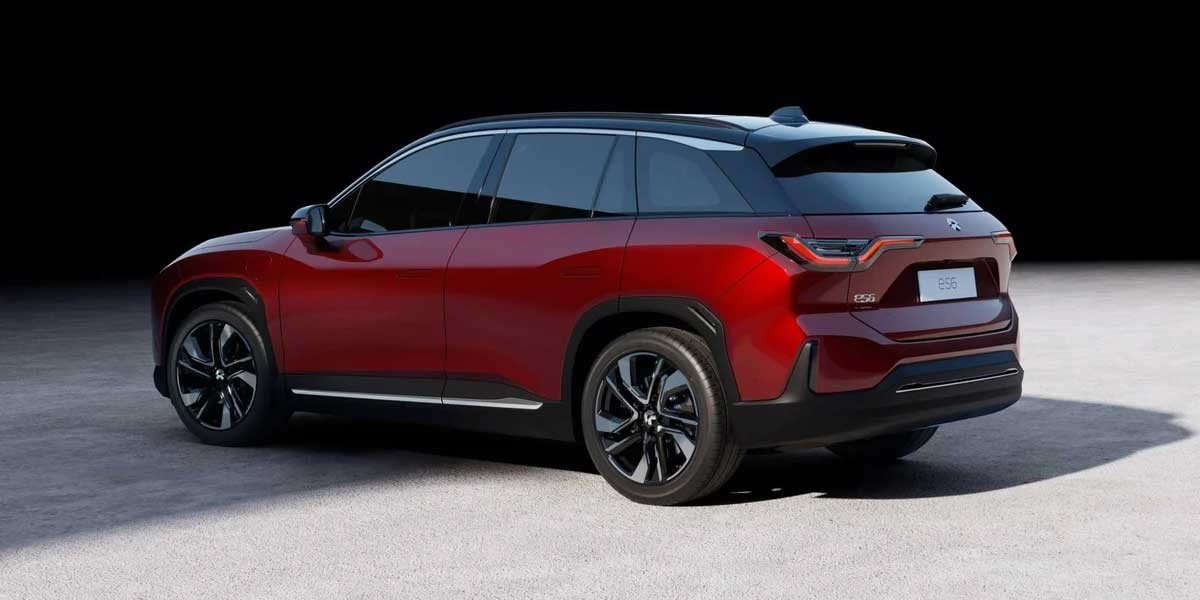
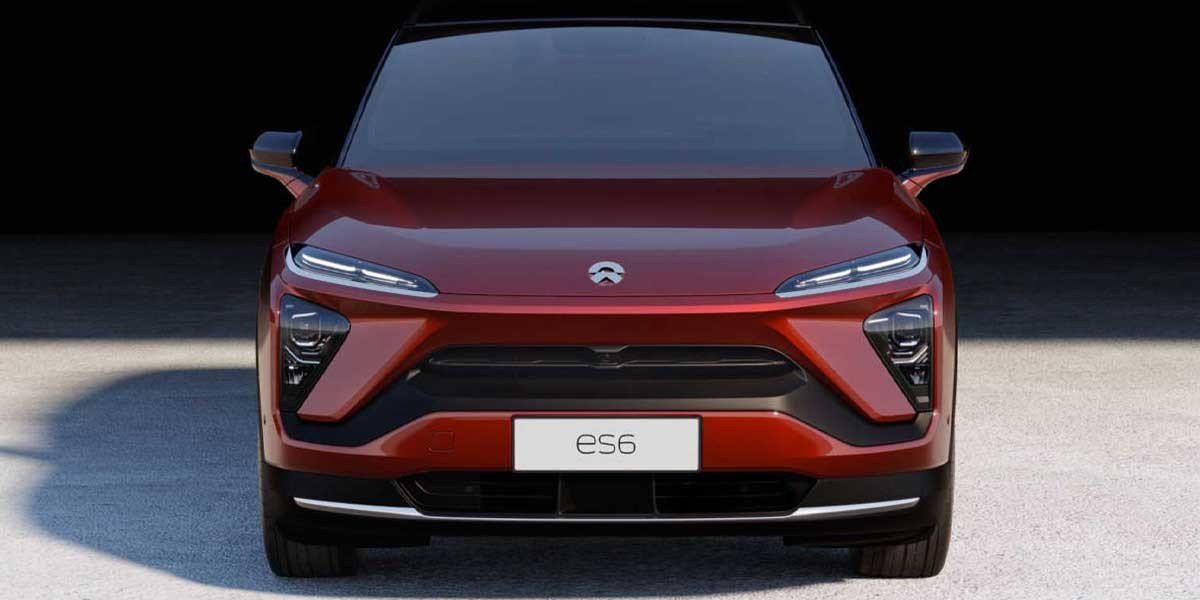
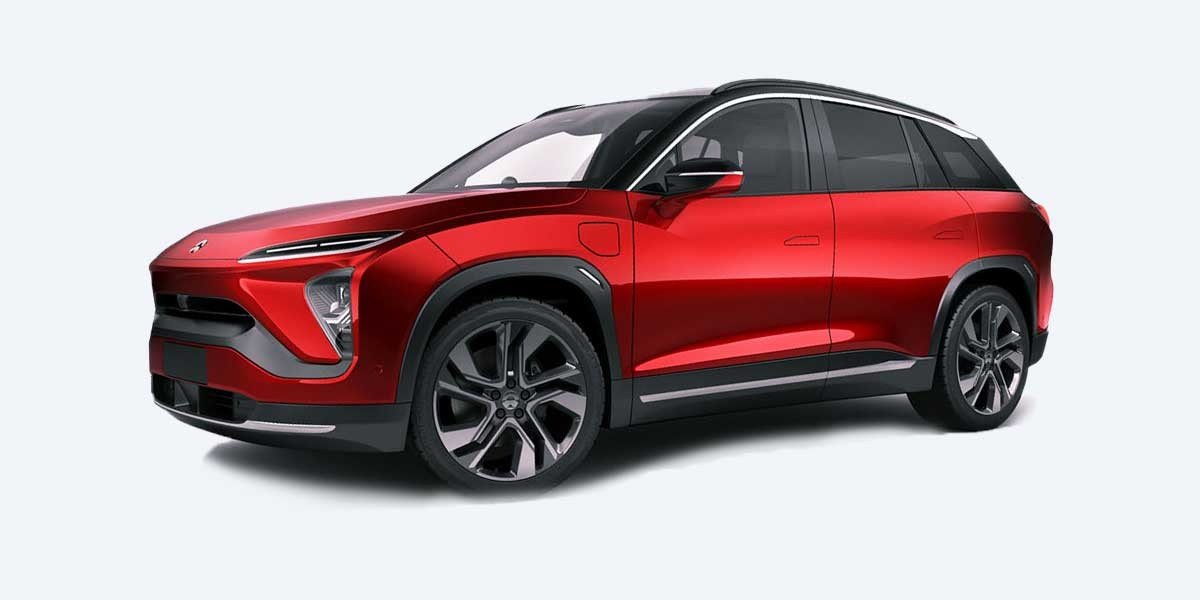
The NIO ES6 is a mid-size electric SUV from NIO. It has five doors and five seats in a utility-oriented body. It uses dual motors with all-wheel drive as standard, positioning it above smaller crossovers and below full-size SUVs.
Battery options include a 75 kWh pack and a 100 kWh pack. With the 100 kWh battery, claimed CLTC range is around 650 km, though real figures vary with conditions and test cycles. DC fast charging is supported, with a typical 30-80% session in about 0.6 hours on capable chargers. NIO also offers its battery-as-a-service (BaaS) model so the battery can be leased separately.
Price positions the ES6 in the premium electric SUV segment. In China it starts from roughly RMB 338,000 including the 100 kWh battery. The ES6 suits buyers who want a performance-oriented SUV with strong tech and flexibility from battery leasing. From the same brand, consider the larger ES8 SUV or the sedan NIO ET5. Alternatives include the Tesla Model Y and the BMW iX3. Compared with the Tesla Model Y, the ES6 offers higher claimed range on some battery options and an optional swap-based battery service in regions where NIO Power infrastructure exists.
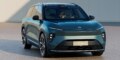
NIO ES6 images
Full Specifications
MODEL
| Models | ES6 (Performance) |
LAUNCH
| Announced | December 15, 2018 |
| Status | In production / available |
| Country of origin | China |
| Base Price | RMB 398,000 (pre-subsidy) for Performance version |
PERFORMANCE
| Power | 544 hp (544 PS), 400 kW total (dual-motor AWD) — 160 kW permanent magnet motor (front) + 240 kW induction motor (rear) |
| Torque | 725 Nm |
| Acceleration The acceleration numbers are an easy way to compare car performance. We list either time from 0 to 100 km/h or time from 0 to 60mph, depending on which number(s) the manufacturers provide. The lower the acceleration time, the higher performance the car is. | 4.7 seconds |
| Max Speed | 200 km/h |
BATTERY
| Capacity | Variants include 84 kWh (original) and 100 kWh (long-range) |
| Tech | Lithium-ion (NCM) |
| Range |
84 kWh: ~510 km (NEDC) 100 kWh: up to ~610 km (NEDC) |
| Consumption | 16.1 kWh/100 km (CLTC) |
| Heat Pump | |
| AC Charging | 7 kW AC charging for 100 kWh version |
| DC Charging | 0–80% in ~60 minutes (for 100 kWh) |
| Others | Supports NIO battery swap (common for NIO vehicles) — helps with “charging” via swapping. |
BODY
| Type | 5-seat SUV (5-door) |
| Platform | Uses NIO’s hybrid body construction (aluminum + carbon fiber) for strength and lightness. |
| Dimensions |
Length: ~4,850 mm Width: ~1,965 mm Height: ~1,731 mm (for 100 kWh version) |
| Drag Co-Efficient | 0.25 Cd (newer versions) |
| Wheelbase | 2,900 mm |
| Weight | For 2025 100 kWh model, curb weight ~2,336 kg |
| Suspension | Five-link front and rear, with Continuous Damping Control (CDC) and optional active air suspension. |
| Wheels | 255/55 R19 |
| Trunk/Boot | 584 L |
| Others | Very stiff body (torsional stiffness ~44,930 Nm/degree) thanks to aluminum-carbon construction |
DISPLAYS
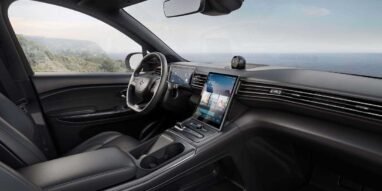
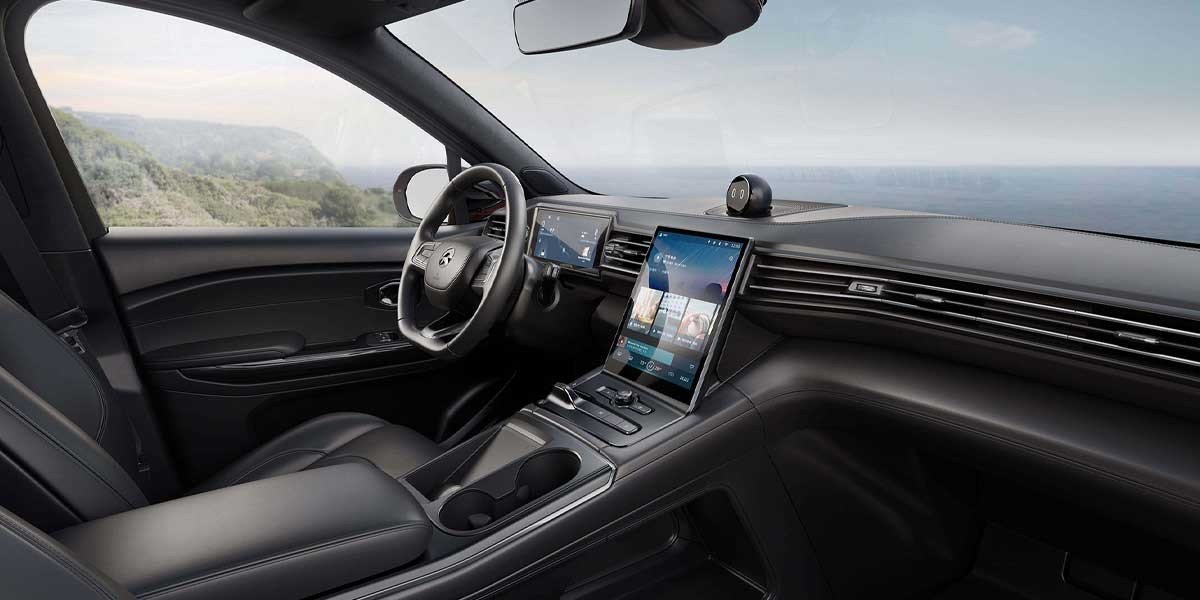
| Centre | Large central touchscreen (multitouch) — NIO uses its own digital cockpit |
| Driver's Display | Digital instrument cluster (fully digital) |
| Others | NIO’s NOMI AI assistant is integrated in the cockpit (voice-based interaction) |
COMFORT
| Seats | 5 seats; rear seats fold in a 40/20/40 layout for cargo flexibility |
| Roof | Standard hard roof |
| Parking Aids | Likely includes parking sensors, but exact spec not broadly published in early press; NIO Pilot (driver assistance) is present |
| Connectivity | NIO digital cockpit, voice assistant “NOMI”, over-the-air updates (FOTA) |
| Others | Intelligent Chassis Controller (ICC) works with CDC for ride comfort. |
SAFETY
| Driving Aids | NIO Pilot (ADAS) hardware (with sensors) |
| Self Driving | Level-2 capabilities (driver must remain engaged) — NIO Pilot system |
| Crash Tests | Five-star safety rating (C-NCAP & Euro NCAP) claimed by NIO |
Note
| Others |
The ES6 Performance version uses both a permanent magnet motor and induction motor — this gives a good mix of efficiency and performance. Strong body stiffness due to hybrid structure (aluminum + carbon fiber) The Performance trim is more “sporty” with faster acceleration vs base/standard versions. NIO offers a “battery as a service” (BaaS) model (optional), though exact cost depends on region (mostly China). |
Reviews
Disclaimer Note
We can not guarantee that the information on this page is 100% correct