Many drivers ask one question before buying an electric car. Will the battery fail after five years? Data from manufacturers and fleet studies shows a different outcome. Modern EV batteries last far longer than early estimates.
EV batteries use lithium ion cells with thermal management systems. These systems control temperature and reduce degradation. Automakers design batteries to operate for many years under daily driving conditions.
Battery lifespan data
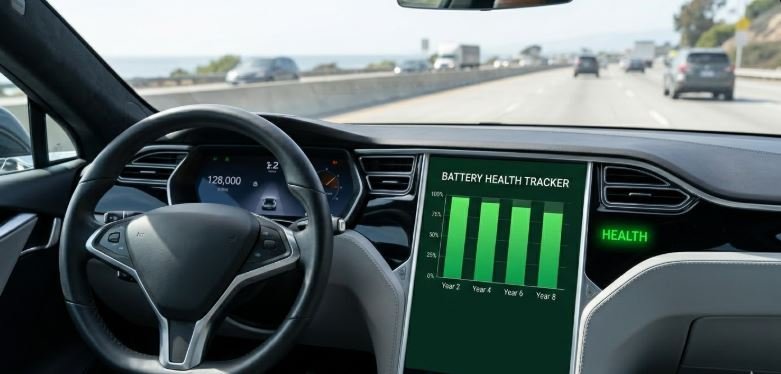
Studies of high mileage electric cars show slow capacity loss. Vehicles from Tesla provide large datasets because many units exceed 200,000 miles. Average battery capacity loss stays near 10 to 15 percent after 150,000 miles.
A common example appears in the Tesla Model 3. Many long distance drivers report battery capacity near 85 to 90 percent after several years of use.
Battery warranty coverage
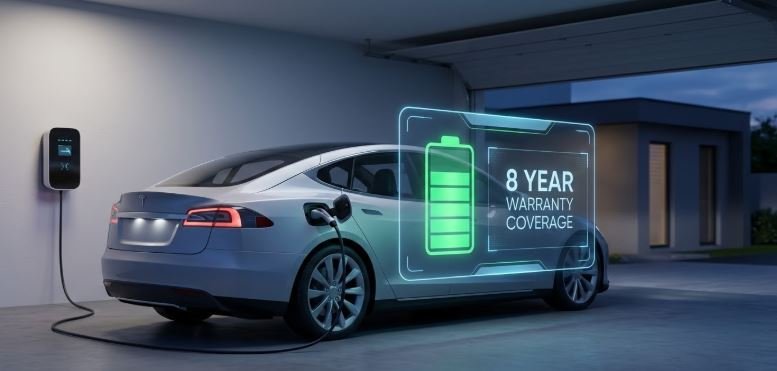
Most manufacturers offer long battery warranties. These warranties protect buyers against early battery failure.
Typical warranty terms
• Eight years coverage
• 100,000 to 150,000 mile limit
• Capacity guarantee near 70 percent
Examples include coverage from Hyundai Motor Company and Kia Corporation.
What happens after five years
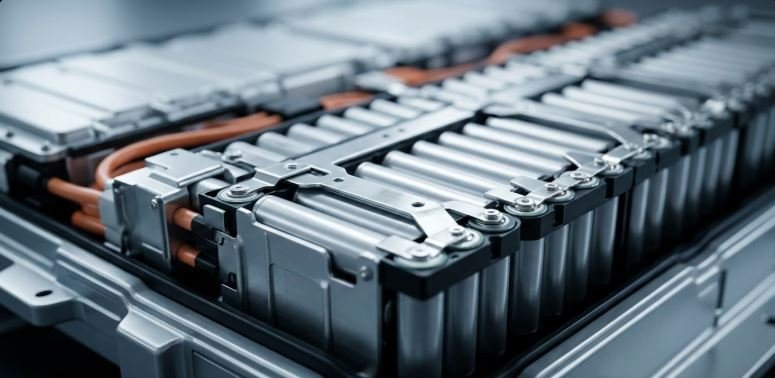
Five years of driving rarely leads to battery failure. Capacity loss occurs gradually. Drivers often notice small reductions in maximum range rather than sudden failure.
Example
A 300 mile EV after five years may deliver 270 to 285 miles depending on usage patterns and climate.
Factors affecting EV battery health
Several factors influence degradation rate.
• Frequent DC fast charging
• High temperature environments
• Regular charging to 100 percent
• Driving with extremely low battery levels
Manufacturers design battery management software to reduce these effects.
Examples of long range EV batteries
Several models show strong long term performance.
• Hyundai Ioniq 6
• Tesla Model Y
• Ford Mustang Mach-E
Pros of modern EV batteries
• Long warranty coverage from most manufacturers
• Gradual degradation rather than sudden failure
• Lower maintenance compared with gasoline engines
Cons of EV batteries
• Replacement cost remains high outside warranty
• Range drops slightly over time
FAQ
Do EV batteries last longer than five years?
Yes. Most EV batteries operate for eight to fifteen years depending on driving patterns.
How much range loss occurs after five years?
Many vehicles lose about five to ten percent of original range during the first several years.
What happens if an EV battery fails during warranty?
Manufacturers repair or replace the battery under warranty terms.
Which EVs show strong battery durability?
Examples include the Tesla Model 3 and Hyundai Ioniq 6 based on long term usage data.
Related EV News
- 7 cheapest electric cars with over 300 mile range.
- $847 Gas vs $43 Tesla. One Month Cost Breakdown and Hidden EV Savings
- BYD Seal 2026: Bigger Boot, Same Price in the UK
- Tesla Cybertruck Price Cut: New $60,000 AWD Model
- 2026 Dacia Spring Update: Faster, Cheaper, Smarter