The best EVs for Uber, Bolt, and rideshare driving in 2026 are the Tesla Model 3 Long Range, Hyundai Ioniq 6, and Chevrolet Equinox EV, thanks to their combination of long real-world range, low per-mile running costs, and fast charging. Budget-focused drivers are better served by the Kia Niro EV or a used Chevrolet Bolt EV/EUV, while drivers chasing larger fares (UberXL, Bolt XL, or comfort tiers) should look at the Tesla Model Y or Kia EV9.
Below, we break down real-world range, charging speed, interior space, and estimated cost per mile for each model, plus a side-by-side comparison table and a clear final verdict for full-time drivers deciding what to buy next.
Quick Summary
| Key Takeaway | Detail |
|---|---|
| Best overall | Tesla Model 3 Long Range — range, Supercharger access, resale value |
| Best for comfort tiers | Hyundai Ioniq 6 — quiet cabin, strong efficiency, fast DC charging |
| Best budget pick | Kia Niro EV or used Chevrolet Bolt EV/EUV |
| Best for XL/larger fares | Kia EV9 or Tesla Model Y — three-row or extra cargo room |
| Typical EV running cost | Roughly $0.08–$0.13 per mile on efficient EVs, versus $0.20–$0.30 for a comparable gas sedan figures vary by local electricity rates and charging mix |
Why the Right EV Matters More for Rideshare Drivers
A rideshare vehicle isn’t a weekend car. It’s a business tool that racks up 30,000 to 50,000 miles a year in stop-and-go traffic, with the AC or heater running almost constantly and passengers getting in and out every few minutes. That kind of use amplifies whatever a car does well — or badly.
For an EV, this means efficiency and charging speed matter more than horsepower or styling. A car that’s rated for 300 miles on paper but only delivers 220 miles in city traffic with the climate control on can leave a driver short mid-shift. A car with slow DC charging turns a 20-minute break into an hour of lost earning time.
Rideshare platforms have also started building EV incentives directly into their apps. Uber’s electric-only tier (branded in some markets as Uber Green or Uber Electric) and similar programs from Bolt and Lyft can add a small per-ride bonus for verified EV drivers, on top of fuel savings. Bonus amounts and eligibility vary by city and change often, so confirm current terms in-app before buying a car around them.
What Actually Matters for This Job
- Real-world range, not the headline WLTP or EPA number, since city driving with HVAC running usually falls short of the rated figure.
- DC fast-charging speed, since a car that charges from 20% to 80% in 20–25 minutes fits inside a normal break; one that takes 45+ minutes does not.
- Cost per mile, combining electricity, tires, and maintenance, since this is the number that actually shows up in take-home pay over a full year.
- Interior space and ride quality, since a cramped or noisy back seat affects ratings and tips.
- Reliability and parts availability, since downtime is lost income for an owner-operator.
Top EVs for Uber and Bolt Drivers in 2026
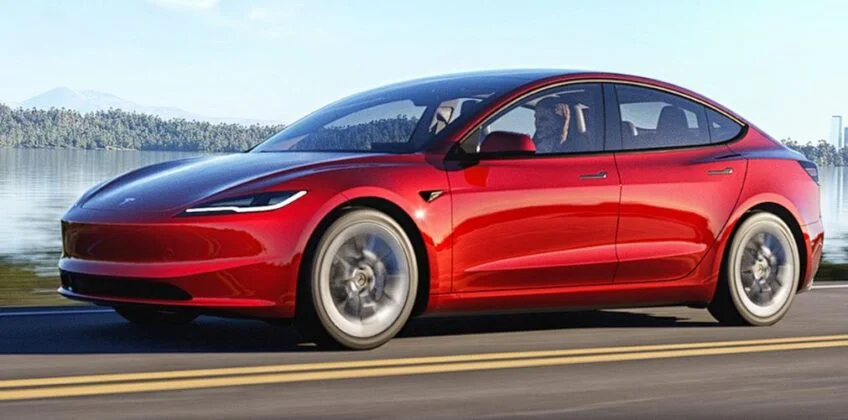
1. Tesla Model 3 Long Range — Best Overall
The Model 3 remains the default pick for full-time drivers who want the widest charging network and the strongest resale value in the EV segment. Its Long Range trim delivers efficiency figures that are hard to match, and access to a large, well-maintained DC fast-charging network keeps downtime low.
The interior is minimalist rather than plush, which some passengers love and others find sparse, but rear legroom is competitive for the segment. Confirm current-year EPA range and pricing directly with Tesla, as trims and figures are updated through the year.
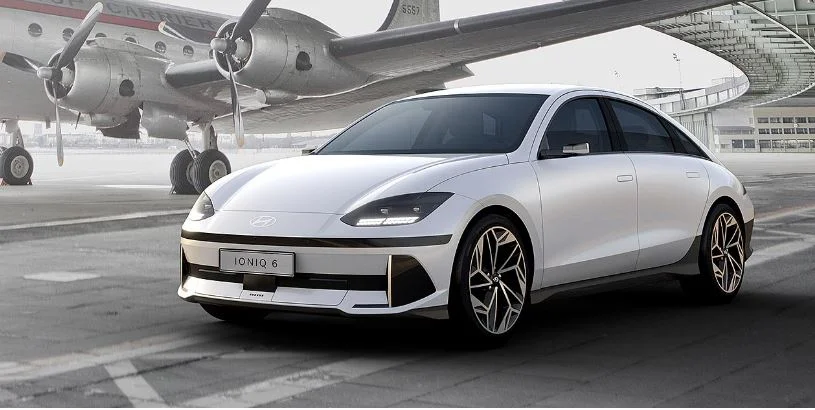
2. Hyundai Ioniq 6 — Best for Comfort and Efficiency
The Ioniq 6’s aerodynamic shape gives it some of the best real-world efficiency in its class, which translates directly into a lower cost per mile. The cabin is quiet at highway speed, an underrated advantage for drivers running long airport routes.
Fast 800-volt charging architecture means shorter stops on longer shifts, and Hyundai’s warranty coverage adds peace of mind for a car that will rack up mileage quickly.
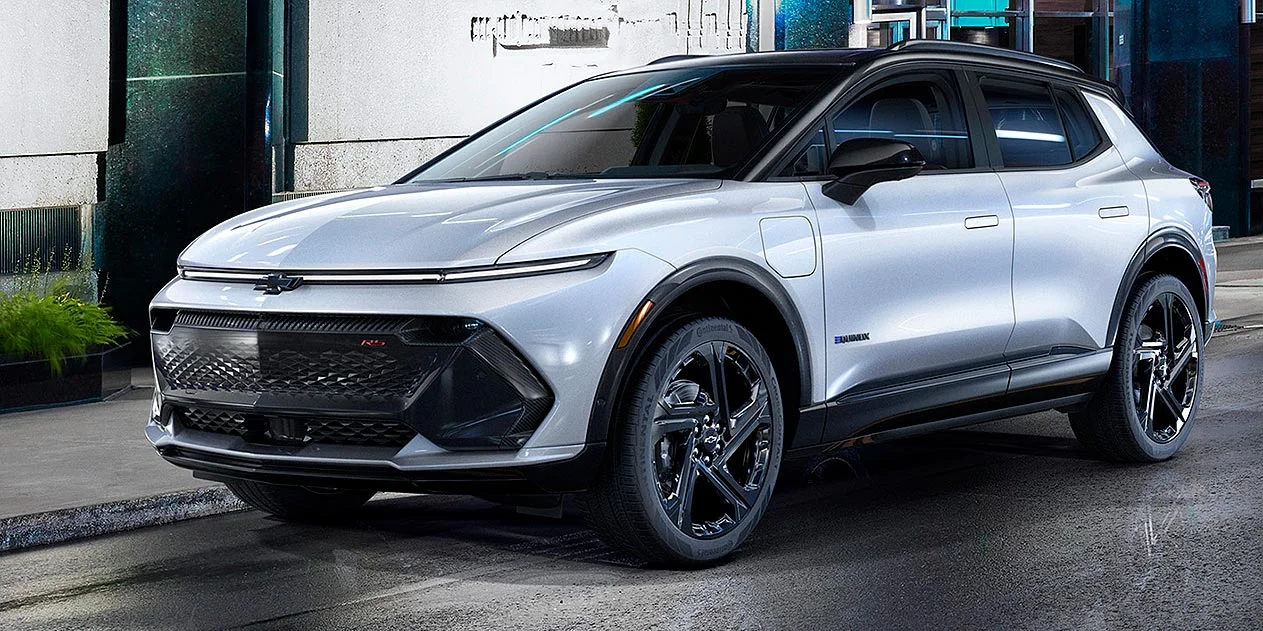
3. Chevrolet Equinox EV — Best Value Among Newer Models
The Equinox EV pairs an SUV-style body with pricing closer to a compact sedan, giving drivers extra cargo and headroom without a luxury-car payment. It’s a reasonable middle ground between the smaller Bolt and the pricier Model Y.
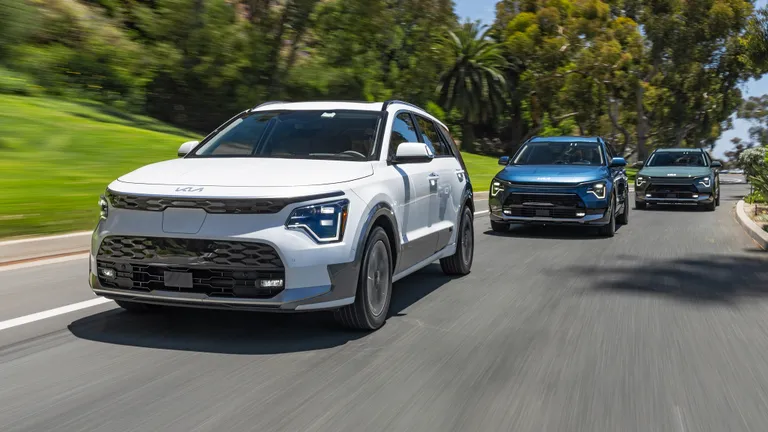
4. Kia Niro EV — Best Budget Pick (New or Used)
The Niro EV trades some range and charging speed for a lower purchase price and Kia’s strong warranty. It’s a sensible entry point for drivers testing whether EV driving works for their market before committing to a pricier model.
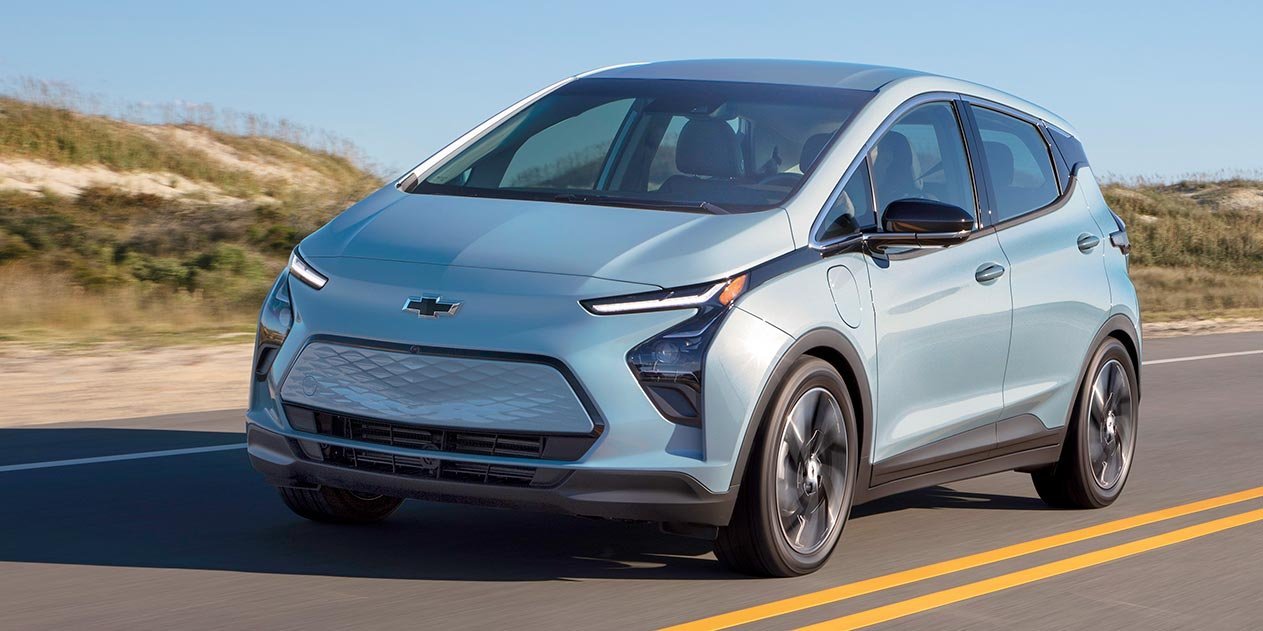
5. Chevrolet Bolt EV/EUV (Used) — Best Value on the Used Market
Discontinued as a new model but widely available used, the Bolt remains one of the cheapest ways into a genuinely long-range EV. Charging speed is modest by 2026 standards, so it suits drivers who can top up overnight at home rather than relying heavily on public fast charging.
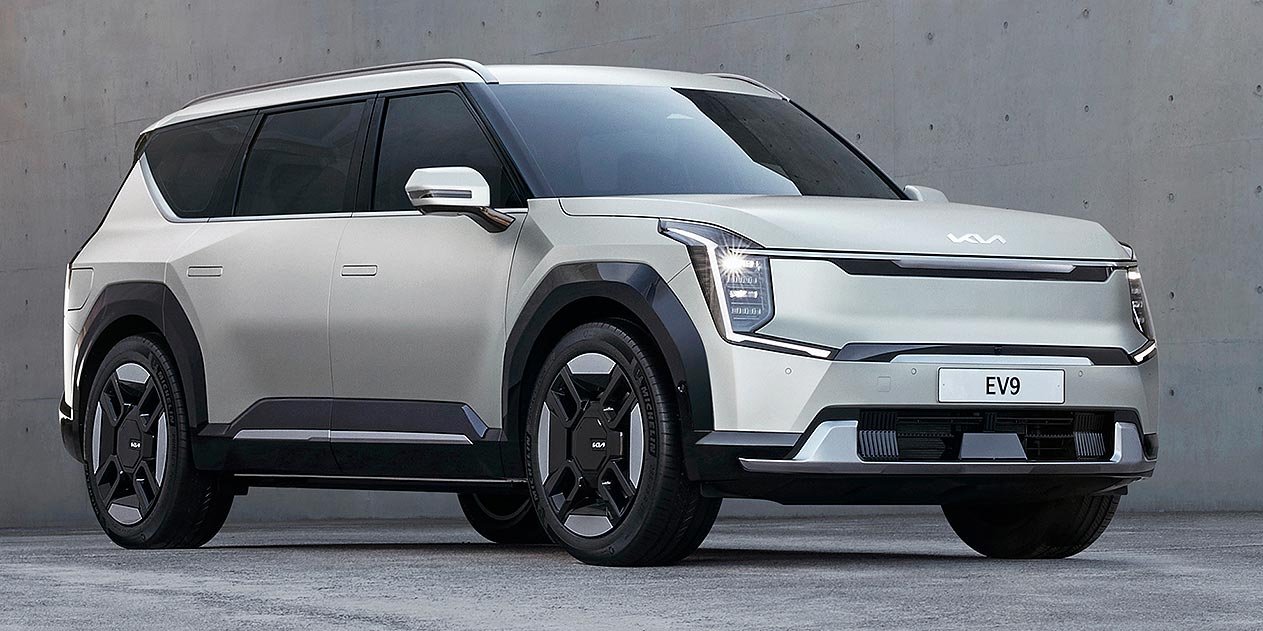
6. Tesla Model Y / Kia EV9 — Best for XL and Larger-Fare Tiers
Drivers who qualify for UberXL, Bolt XL, or comfort/premium tiers need extra seats or cargo space. The Model Y offers a stretched version of the Model 3’s efficiency and charging network in a taller body, while the three-row Kia EV9 is built for drivers who regularly carry groups or luggage-heavy airport fares.
Comparison Table
| Model | Est. Real-World Range | DC Fast Charge (20–80%) | Best For | Approx. Price Range (USD) |
|---|---|---|---|---|
| Tesla Model 3 Long Range | 260–300 mi (WLTP/EPA-rated, varies by conditions) | ~20–25 min | Full-time drivers, all-around use | $42,000–$48,000 |
| Hyundai Ioniq 6 | 240–280 mi | ~18 min | Comfort tiers, quiet long-haul routes | $38,000–$46,000 |
| Chevrolet Equinox EV | 250–280 mi | ~30 min | Value SUV drivers | $34,000–$42,000 |
| Kia Niro EV | 200–230 mi | ~40–45 min | Budget-conscious new buyers | $30,000–$37,000 |
| Chevrolet Bolt EV/EUV (used) | 180–220 mi | ~45–60 min | Used-market value | $16,000–$24,000 (used) |
| Tesla Model Y | 260–300 mi | ~20–25 min | UberXL / larger fares | $46,000–$54,000 |
| Kia EV9 | 230–260 mi | ~25–30 min | Three-row / group rides | $56,000–$65,000 |
Pricing and range figures shift throughout the model year with trim and incentive changes. Confirm current MSRP and EPA/WLTP figures with the manufacturer before purchase. Pricing not yet finalized for some late-2026 trims at the time of writing.
Bottom Line
For most full-time Uber and Bolt drivers, the Tesla Model 3 Long Range and Hyundai Ioniq 6 offer the strongest mix of range, charging speed, and low running costs, and either is a safe default purchase. Drivers on a tighter budget should look at the Kia Niro EV or a used Chevrolet Bolt EV/EUV, while those chasing XL or premium fares should size up to the Tesla Model Y or Kia EV9. Whichever model you choose, prioritize real-world range and fast-charging access over headline specs — that’s what actually protects your earnings per shift.