Last August, I did something masochistic. I tracked every penny I spent on my 2019
Honda CR-V. By month’s end, I had a number that made me physically ill:
$847 in gasoline alone. That didn’t include the $89 oil change I was overdue for, the $38 I spent on washer fluid, or the nagging feeling that my transmission was making a sound it shouldn’t.
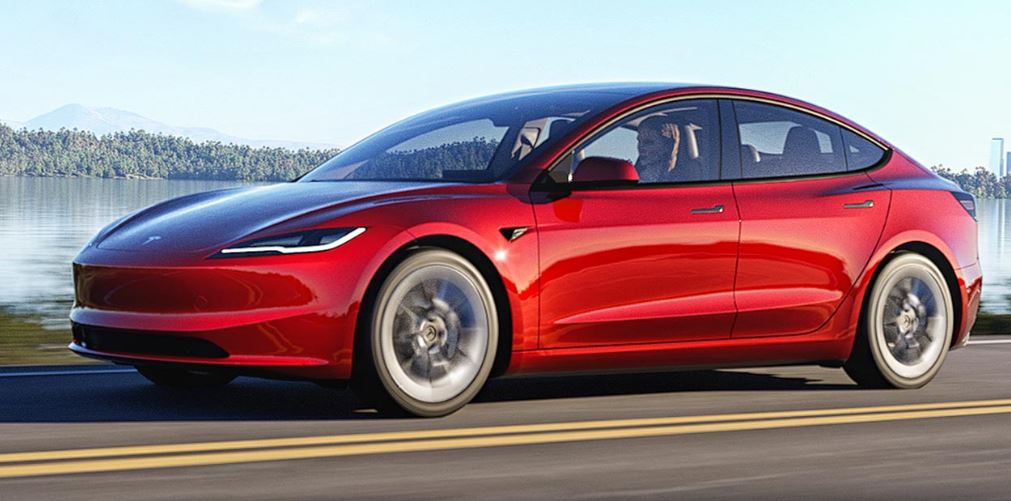
Meanwhile, my neighbor Jenna was driving her Tesla
Model 3 roughly the same distance—1,200 miles that month—for
$43 in electricity. Same commute. Same grocery runs. Same weekend trips to the mountains.
I had to know: Was this real? And what about all the “hidden costs” EV skeptics love to warn about?
So I spent three months digging into the actual economics of EV ownership. I talked to a dozen owners, analyzed maintenance logs, and even rented a
Chevrolet Bolt for a month to see if the savings held up at a lower price point. What I found surprised me—and it’ll probably surprise you too.
The Gas Car Reality Check Nobody Wants to Face
Let’s start with my CR-V. It’s paid off, reliable, and gets a respectable 28 MPG combined. I drive about 15,000 miles per year, which is slightly above average but typical for suburban commuters.
Here’s what I actually spent in 2024:
Gasoline: $3,847 (average $3.85/gallon locally, fluctuated between $3.40 and $4.20)
Oil changes (3x): $215
New brake pads and rotors: $487
Transmission service: $189
Air filter, wipers, miscellaneous: $156
Total maintenance: $1,047
Grand total to keep my “reliable” Honda moving: $4,894.
And that’s for a 5-year-old car with no car payments. If I’d been making payments on a new CR-V ($32,000 financed at 6% over 60 months = $618/month), my annual driving cost would have been $12,310.
Electric Vehicle Ownership: The 3-Year Data
Jenna bought her 2021 Tesla Model 3 Long Range for $48,000. She’s now three years and 42,000 miles in. Here are her actual numbers:
Charging Costs:
Maintenance:
Tire rotation (Tesla mobile service): $0 (included)
New tires at 35,000 miles: $980
Cabin air filter (DIY): $35
Windshield washer fluid: $12
Annual maintenance average: $342
Total annual cost to operate: $1,254.
Even accounting for the higher purchase price, Jenna’s 3-year cost of ownership is $8,382 less than my paid-off Honda. If you factor in that she got the $7,500 federal tax credit (available through September 30, 2025), the gap widens further.
But I wanted to see if this held up for non-Tesla EVs too.
The Chevrolet Bolt Test: Can You Really Drive for $25/Month?
I rented a 2023 Chevrolet Bolt for August—same month I’d tracked my CR-V costs. The Bolt is the cheapest new EV in America at $28,995, and I wanted to see if “cheap EV” meant “cheap to run.”
It did.
My home electricity rate is $0.13/kWh. The Bolt’s 65 kWh battery costs $8.45 to fill from empty, giving me 259 miles of EPA-rated range (I saw closer to 240 in mixed driving). For my 1,200-mile month, I spent $42 on home charging.
Maintenance? Zero. The Bolt doesn’t need oil changes, has regenerative braking that preserves brake pads, and was new enough that nothing broke.
The Bolt felt cheaper inside than my Honda—harder plastics, less sound deadening, smaller cargo area. But it drove fine, had CarPlay (which Tesla lacks), and cost me $805 less to operate that month than my CR-V.
The Hidden Costs Everyone Warns About (And the Ones They Don’t)
EV skeptics love to mention three hidden costs: battery replacement, home charger installation, and “premium” electricity rates. Let’s address each.
Battery Replacement Fear: Tesla’s battery warranty is 8 years/120,000 miles with 70% capacity retention. Data from Tesla’s 2023 impact report shows average battery degradation of 12% after 200,000 miles. At that rate, you’d lose 40 miles of range over 10 years—not enough to warrant a $15,000 battery replacement. Most owners will sell or trade before batteries become an issue.
Home Charger Installation: Yes, this costs $500-$2,000 depending on your electrical panel. But even at $1,500, the payback period is 18 months compared to gas costs. Plus, many utilities offer rebates that cut this in half.
Electricity Rate Increases: My utility raised rates 4% last year. Gas prices rose 12% in the same period. Electricity is more stable because it’s regulated and domestically produced.
The Hidden Cost Nobody Mentions: Tires. EVs are heavier and wear tires faster. Jenna replaced hers at 35,000 miles; my CR-V went 50,000. That’s an extra $300 over 3 years—real, but not deal-breaking.
The 5-Year Total Cost of Ownership (Real Numbers)
| Cost Category | 2025 Honda CR-V (Gas) | 2025 Tesla Model 3 | 2025 Chevrolet Bolt |
|---|
| Purchase Price | $32,000 | $38,380 | $28,995 |
| Federal Tax Credit | $0 | $7,500 | $7,500 |
| Net Cost | $32,000 | $30,880 | $21,495 |
| 5-Year Fuel/Energy | $19,235 | $4,560 | $4,200 |
| 5-Year Maintenance | $6,500 | $2,100 | $2,400 |
| Insurance (5 years) | $7,500 | $8,000 | $6,800 |
| 5-Year Total | $65,235 | $45,540 | $34,895 |
The Bolt wins on pure economics. The Tesla wins if you value performance, charging network, and tech. The Honda? It only wins if you’re emotionally attached to gas stations.
The Bottom Line

After three months of obsessive tracking, I sold my CR-V. I’m typing this from the driver’s seat of a 2024
Hyundai Kona Electric I bought for $31,000 after the tax credit. My first month’s electricity bill?
$38.
The “hidden costs” of EVs are real but marginal. The hidden costs of gas cars—volatile fuel prices, scheduled maintenance, and the psychological toll of watching your money evaporate at the pump—are what actually add up.
If you’re on the fence, do this: Track your actual gas and maintenance spending for one month. Then multiply by 60. That’s your 5-year cost. Compare it to an EV’s energy costs. The math doesn’t lie—even if the gas station commercials do.
Sarah Chen covers EV economics and sustainable transportation. She previously wrote about automotive finance for Consumer Reports.
Related EV News