If you want the short answer: the 2026 Hyundai Ioniq 5 is the better value pick for buyers who prioritize range-per-dollar and boxy practicality, while the 2026 Kia EV6 is the better pick for buyers who want sharper handling, a sportier hatchback silhouette, and don’t mind paying a premium for it. Both cars share the same E-GMP electric platform, the same 800V charging architecture, and, in their long-range trims, a similar 84 kWh battery — so the real differences come down to design philosophy, trim pricing, and how each brand has tuned the driving experience.
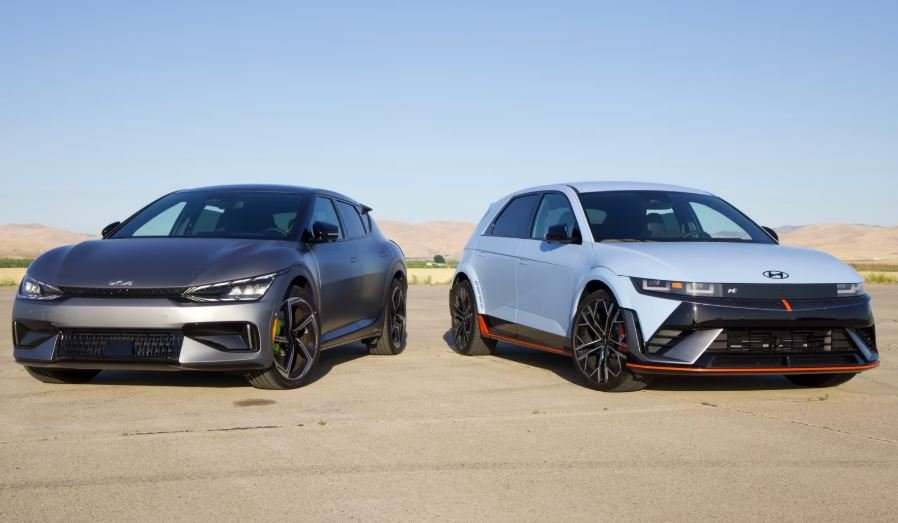
Below, we break down the full spec sheet, pricing by trim, charging speed, range, and interior tech so you can decide which sister car actually fits your driveway.
Quick Summary Box
- Platform: Both ride on Hyundai Motor Group’s E-GMP architecture with native NACS ports and 800V fast-charging.
- Range: Ioniq 5 tops out at 318 miles EPA (RWD Long Range); EV6 tops out at 319 miles EPA — effectively a tie.
- Price: Ioniq 5 starts lower, from roughly $35,000 before destination; EV6 starts from roughly $39,445–$43,000 depending on trim-year pricing.
- Charging: Both hit 10–80% in about 18–20 minutes on a 350 kW DC fast charger.
- Design: Ioniq 5 is boxier and more upright; EV6 is lower and more hatchback-like, with sportier steering response.
Shared Platform, Different Personalities
The Ioniq 5 and EV6 are often called “sister cars” because they’re not just related — they’re mechanically the same underneath. Both use Hyundai Motor Group’s E-GMP (Electric-Global Modular Platform), the same skateboard architecture that also underpins the Kia EV9 and Hyundai Ioniq 6. That shared foundation means both cars get:
- A flat battery floor for a low center of gravity
- 800-volt electrical architecture, which allows ultra-fast DC charging
- Native NACS (Tesla-style) charging ports, giving direct access to Tesla Superchargers without an adapter
- Similar motor and battery options across trims
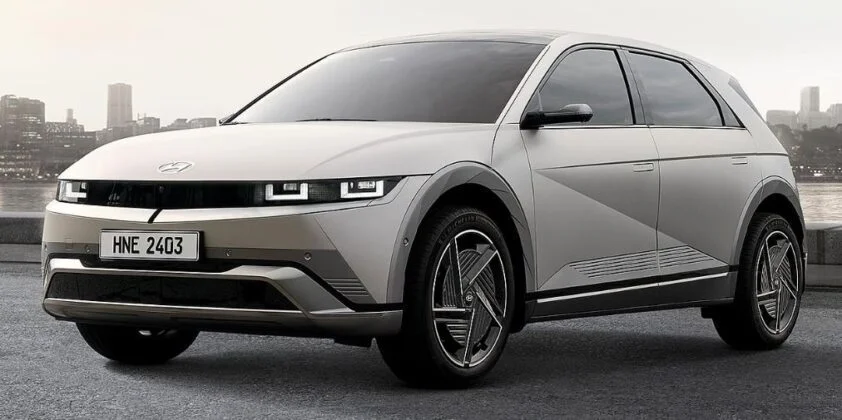
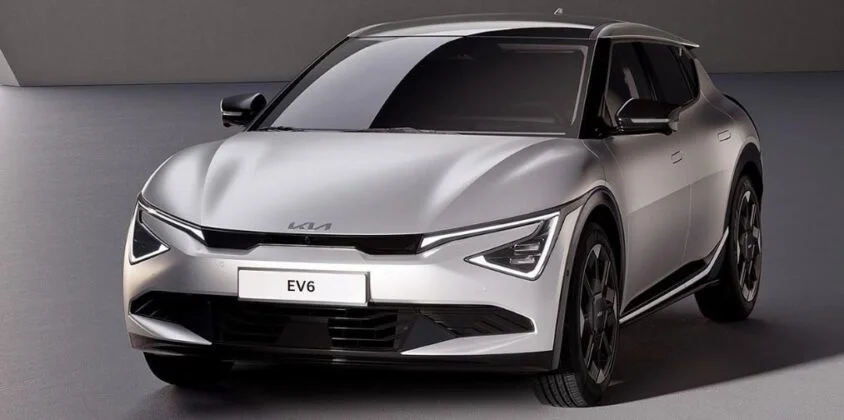
Where they diverge is styling and tuning. Hyundai leaned into a retro-futuristic, boxy hatchback-meets-SUV look for the Ioniq 5, with pixel-style LED lighting and a cabin built around dual 12.3-inch screens on a shared horizontal plane. Kia went the opposite direction with the EV6, giving it a low, swept roofline, a “Digital Tiger” front grille, and a stance that reads more like a sport hatch than a crossover.
Range and Battery: A Near-Dead Heat
Both cars offer two battery sizes depending on trim, but the numbers land close enough that range alone shouldn’t be your deciding factor.
The Ioniq 5’s base SE Standard Range RWD uses a 63 kWh battery for an EPA-estimated 245 miles. Every other Ioniq 5 trim steps up to an 84 kWh pack, with the RWD Long Range version rated at 318 miles EPA — the most efficient configuration in the lineup. AWD variants trade some range for the extra motor, landing between 259 and 290 miles depending on trim.
The EV6’s Light Long Range trim uses the equivalent 84 kWh pack and is rated up to 319 miles EPA in its most efficient single-motor form, essentially matching the Ioniq 5’s best number. Stepping up to EV6 GT-Line AWD trades range for the extra motor and 320 horsepower, similar to how the Ioniq 5 AWD trims behave.
Note: Kia dropped the high-performance GT trim from the EV6 lineup for 2026, so buyers chasing outright acceleration numbers from the EV6 side now have a smaller ceiling than in prior model years.
Charging Speed
This is where the shared E-GMP platform really shows its value. Both the Ioniq 5 and EV6 charge from 10% to 80% in roughly 18 to 20 minutes on a capable 350 kW DC fast charger, thanks to the 800V architecture both cars inherit. For 2026, both also ship with native NACS ports, meaning owners of either car can charge at more than 25,000 Tesla Supercharger stalls in the US without carrying an adapter.
The practical difference for most buyers won’t be charging speed — it’ll be charging network access in your specific region, since availability of 350 kW-capable stalls still varies significantly by market.
Home Charging
Both cars now include an upgraded charging cable for 2026 that supports Level 1 and Level 2 charging in a single unit, a small but useful quality-of-life change for buyers who plan to charge primarily at home.
Pricing by Trim
Pricing is where the Ioniq 5 pulls ahead on paper. Hyundai cut Ioniq 5 prices significantly for 2026, with the lineup now opening near $35,000 before destination — a reduction of roughly $9,000 compared to the prior model year across several trims. The loaded Limited AWD trim tops out in the high-$40,000s to around $52,000 depending on options.
Kia’s EV6 pricing for 2026 is less settled at the time of writing. Kelley Blue Book lists a starting MSRP of $39,445 for the base trim, rising to roughly $50,245 for the range-topping GT-Line. Other outlets have cited a wider estimated window of roughly $43,000 to $59,000 pending final confirmation of trim-level pricing. Buyers should confirm final 2026 EV6 pricing with a local Kia dealer before comparing directly against Ioniq 5 figures.
Interior and Technology
Both cars use dual curved displays as the centerpiece of their dashboards, but the layouts differ. The Ioniq 5 pairs a 12.3-inch digital instrument cluster with a 12.3-inch touchscreen on a single shared plane, giving it a clean, minimalist look. Higher Ioniq 5 trims add a Bose 8-speaker system, a surround-view monitor, and Vehicle-to-Load two-way charging, which lets the car power external devices or appliances.
The EV6 also runs dual 12.3-inch curved displays, wrapped around eco-conscious SynTex upholstery on most trims. Kia’s cabin leans slightly sportier in materials and seat bolstering, consistent with the EV6’s more performance-oriented positioning.
Driving Experience
This is the category where the two cars feel most different despite sharing a platform. Independent testing has clocked the EV6 GT-Line AWD at roughly 4.9 seconds 0-60 mph, with steering and body control that feel noticeably sharper than the average compact electric SUV. The Ioniq 5’s AWD trims deliver similar power figures — up to 320 hp and 446 lb-ft of torque — but Hyundai has tuned the ride and steering for comfort over sportiness, which suits its more upright, family-oriented shape.
If daily commuting comfort is the priority, the Ioniq 5 will likely feel calmer. If you want an EV that rewards spirited driving on a curvy road, the EV6 has the edge.
Which One Should You Buy?
- Buy the Ioniq 5 if: you want the lowest entry price, the most interior headroom for a boxy SUV shape, and don’t mind a more upright, utilitarian driving feel.
- Buy the EV6 if: you want sportier handling, a lower hatchback-style profile, and are comfortable paying a bit more for it.
- Either car works if: your main priorities are range and charging speed — the two are close enough that battery size and trim level matter more than brand.
Comparison Table: Hyundai Ioniq 5 vs Kia EV6 (2026)
| Spec | Hyundai Ioniq 5 | Kia EV6 |
|---|---|---|
| Starting MSRP (before destination) | ~$35,000 | ~$39,445–$43,000 |
| Top trim MSRP | ~$48,975–$51,895 | ~$50,245–$59,000 |
| Max EPA range | 318 mi (RWD Long Range) | 319 mi (Light Long Range) |
| Base battery | 63 kWh | Not disclosed for base trim |
| Long Range battery | 84 kWh | 84 kWh |
| Max power (AWD) | 320 hp / 446 lb-ft | 320 hp / 446 lb-ft |
| 10–80% DC fast charge | ~18–20 min (350 kW) | ~18 min (350 kW) |
| Charging port | Native NACS | Native NACS |
| Architecture | 800V E-GMP | 800V E-GMP |
| Body style | Upright crossover/hatchback | Sportier hatchback-SUV |
| High-performance trim | N/A on standard lineup | GT trim dropped for 2026 |
figure estimated or unconfirmed at time of publication; confirm with dealer before purchase.
Bottom Line: Verdict
For most buyers, the 2026 Hyundai Ioniq 5 is the smarter default choice — it starts thousands cheaper than the EV6 while matching it almost mile-for-mile on range and minute-for-minute on charging speed. Choose the 2026 Kia EV6 instead if sharper handling and its lower, sportier silhouette matter more to you than saving money at the dealership. Either way, you’re buying into the same proven E-GMP platform, so you can’t really go wrong — it comes down to shape and budget, not substance.