Electric vehicles gain adoption each year. Many drivers still hold outdated views about charging, batteries, and ownership cost. The myths below appear often in online discussions and car forums. Data from manufacturers and fleet studies shows a different picture.
EV batteries fail after a few years
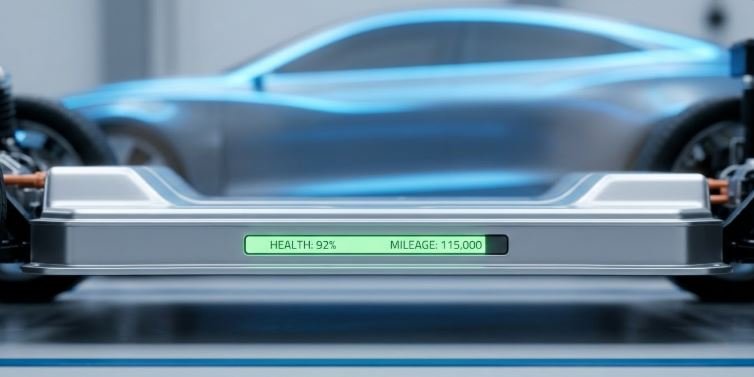
Many drivers think the battery stops working after three or four years. Data from Tesla and other manufacturers shows slower degradation. Many EV batteries retain about 80 percent capacity after 150,000 miles. Battery warranties from brands such as Hyundai Motor Company and Kia Corporation cover eight years or 100,000 miles.
EVs cost more than gas cars to run
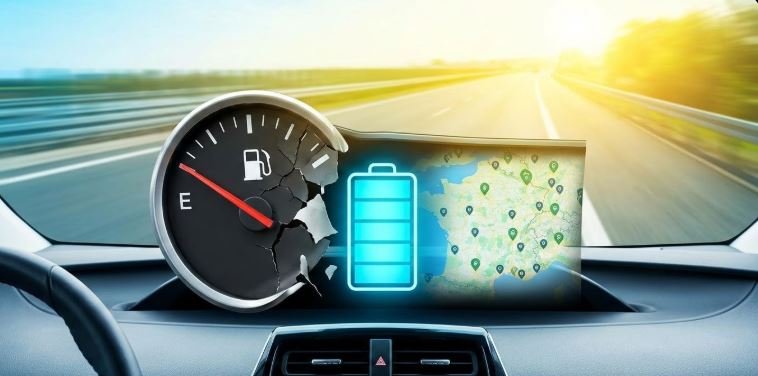
Electric charging usually costs less than gasoline per mile. A typical EV consumes around 30 kWh per 100 miles. In many regions, home charging produces lower monthly fuel cost compared with gasoline vehicles.
You must charge an EV every day
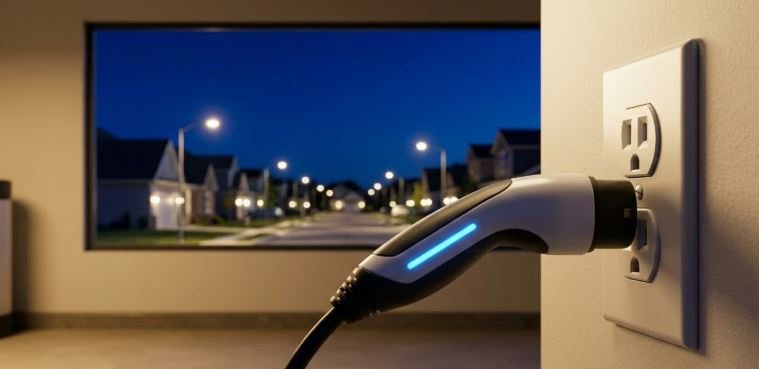
Drivers rarely need daily charging. Most EVs deliver 250 to 350 miles per charge. Daily commuting in many cities stays below 40 miles. Charging once or twice per week works for many owners.
EV charging takes many hours
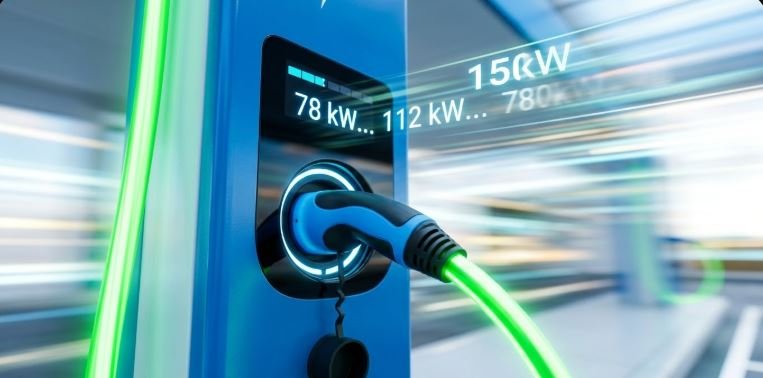
Level 2 home charging adds 20 to 30 miles of range per hour. DC fast charging stations recharge many EVs from 10 percent to 80 percent in about 25 to 35 minutes.
EV batteries cost more than the car

Battery prices dropped sharply over the last decade. Industry data from BloombergNEF shows pack prices falling from over 1,000 dollars per kWh in 2010 to near 140 dollars per kWh in recent years.
EVs have limited driving range
Many modern models exceed 300 miles of EPA range. Examples include the Tesla Model 3 Long Range and Hyundai Ioniq 6 SE Long Range.
Tesla Model 3 Long Range Full Specifications
Hyundai Ioniq 6 SE Long Range Full Specifications
EVs perform poorly in cold weather
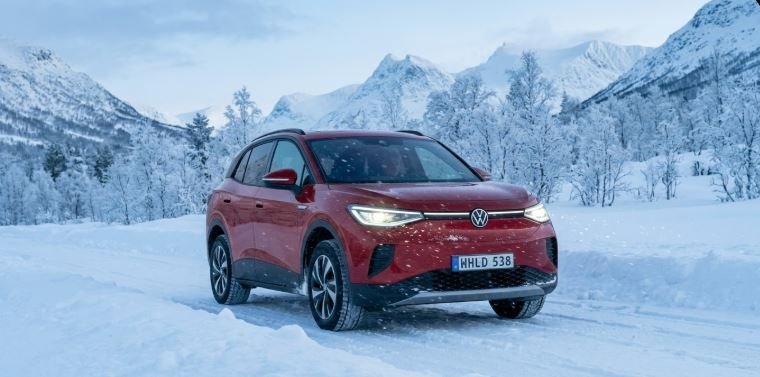
Cold temperatures reduce range. Gasoline cars also lose efficiency in winter. New EVs use heat pumps and battery preconditioning to reduce the impact.
EV charging stations are rare
Public charging networks expanded across North America, Europe, and Asia. Networks from companies such as ChargePoint and Electrify America continue to add stations each year.
EVs are slow and boring
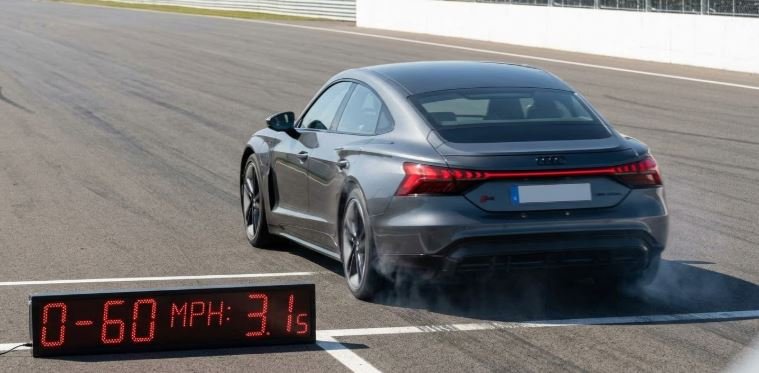
Electric motors deliver instant torque. Many EVs accelerate faster than gasoline cars in the same price range. Performance versions of the Ford Mustang Mach-E and Kia EV6 reach 0 to 60 mph in under five seconds.
EV batteries create more pollution than gasoline cars
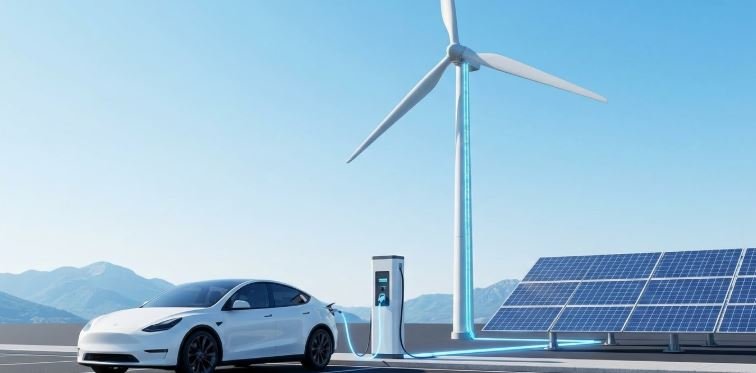
Battery production requires energy. Lifecycle studies show EVs produce lower total emissions over time due to zero tailpipe emissions and improving electricity grids.
Pros of EV ownership
• Lower energy cost per mile compared with gasoline cars
• Reduced maintenance due to fewer moving parts
• Quiet driving and instant torque
Cons of EV ownership
• Charging infrastructure varies by region
• Purchase price remains higher in some markets
FAQ
Do EV batteries last long enough for daily use?
Yes. Battery warranties from most automakers cover eight years or 100,000 miles.
Which EVs offer over 300 miles of range?
Examples include the Tesla Model 3 Long Range and Hyundai Ioniq 6 SE Long Range.
Are EVs cheaper to maintain?
Many EVs avoid oil changes, transmission servicing, and exhaust repairs. Maintenance cost tends to drop compared with gasoline vehicles.
How long does EV fast charging take?
Many modern EVs reach 80 percent battery level in about 25 to 35 minutes using DC fast charging.
Related EV News
- Viral Wander-ee: Titanium Gravel E-Bike With Mahle X20
- MERIDA ETMO: Affordable Bosch e-MTB With 800 Wh Option
- 2025 Most Expensive Electric Bikes: Top Premium Models
- Lidl Crivit Folding Electric Bike 530 Wh Launches in Europe
- Amped Bikes Unveils Lightweight Offroad Electric Bikes at EICMA 2025