The cheapest new EV you can buy in the US right now is the 2027 Chevrolet Bolt, starting at $28,995 including destination charge. It’s followed closely by the redesigned Nissan Leaf at roughly $30,000–$31,535, and a growing group of sub-$40,000 crossovers from Hyundai, Toyota, Kia, and Chevrolet.
Prices dropped in most segments this year, even without the federal EV tax credit, which expired in September 2025. Automakers responded with lower base MSRPs, new LFP battery packs, and aggressive lease offers to keep EVs competitive with gas-powered cars.
Below is the full breakdown: every EV currently priced under $40,000, what you actually get for the money, and which one makes the most sense depending on how you drive.
Quick Summary
| Cheapest new EV overall | 2027 Chevrolet Bolt — $28,995 |
| Best range under $30K | Nissan Leaf — up to 303 miles (EPA) |
| Best value crossover | Chevrolet Equinox EV — 319 miles (EPA), ~$35,000 |
| Federal tax credit status | Expired September 2025 — no longer available |
| State incentives | Still active in CO, CA, NY, VT, MA and others — check before buying |
Why EVs Got Cheaper in 2026
Two things happened at once. First, battery costs kept falling, and several automakers moved to cheaper LFP (lithium iron phosphate) chemistry for entry-level trims — the new Bolt is a good example. Second, the $7,500 federal EV tax credit expired in September 2025, and rather than let demand collapse, brands like Chevrolet, Nissan, and Kia cut MSRPs and rolled out their own cash-back and lease incentives to keep vehicles moving.
State-level rebates can still meaningfully lower the price — Colorado offers up to $5,000 on qualifying EVs, and California’s Clean Vehicle Rebate Project remains active in some form. Availability and amounts vary by state and can change, so confirm current eligibility before you buy.
The Cheapest New EVs You Can Buy Right Now
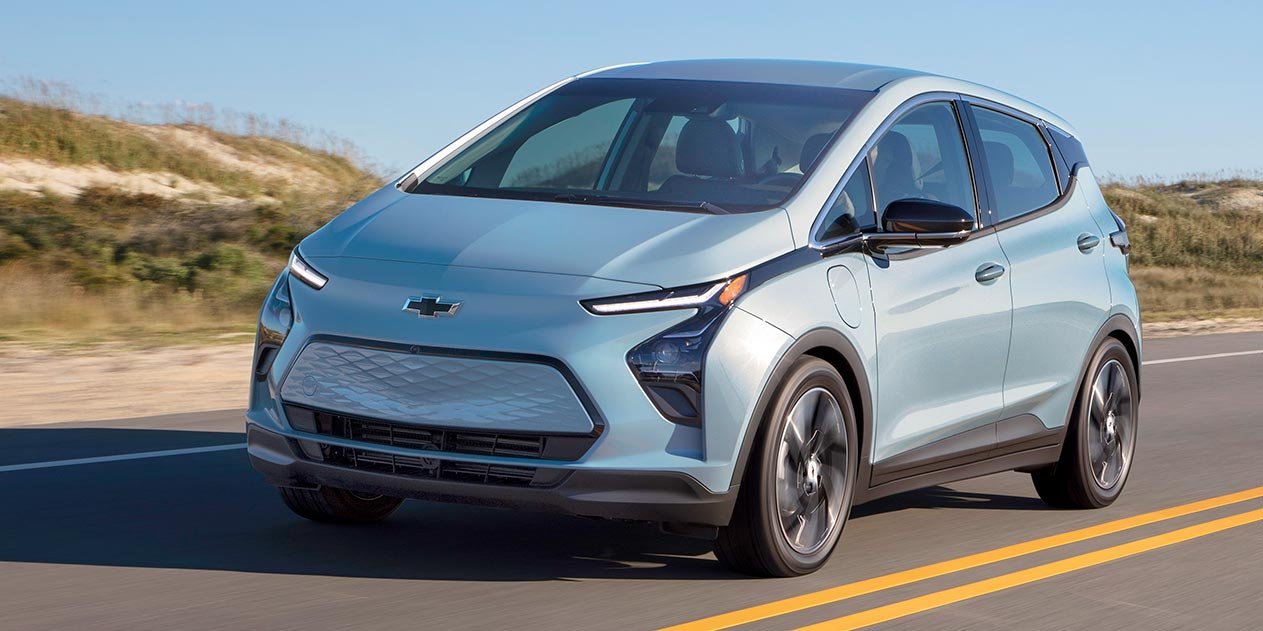
1. Chevrolet Bolt — from $28,995
The Bolt returns for the 2027 model year as Chevy’s cheapest EV, replacing both the old hatchback and Bolt EUV. Base LT trims use a single motor (210 hp) and an LFP battery good for roughly 255–262 miles of EPA-rated range. LFP packs tolerate daily 100% charging without the long-term degradation nickel-based batteries see, so owners don’t need to cap charging at 80% to protect the battery. It also gets a NACS port and up to 150 kW DC fast-charging, with a 10–80% charge time of around 26–30 minutes.
Some sources list a lower starting figure (around $27,600) as the pre-destination MSRP — the $28,995 figure includes destination charge and reflects the price you’ll actually see at the dealership.
2. Nissan Leaf — from roughly $30,000–$31,535
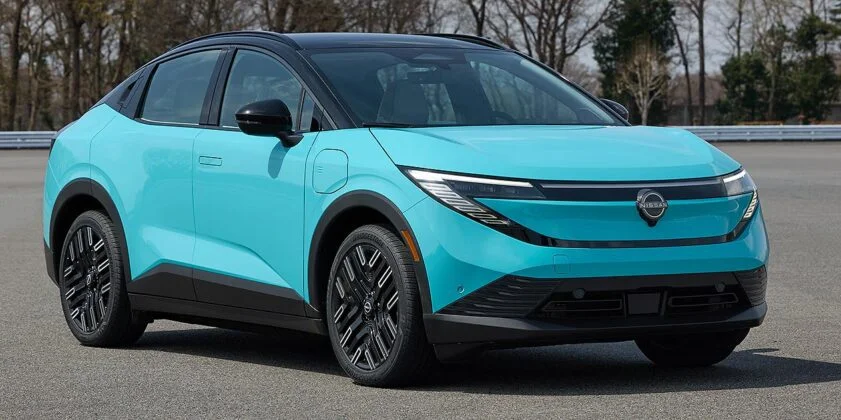
The Leaf has been completely redesigned for 2026, moving from an aging hatchback to a crossover-style body. Range jumps to up to 303 miles EPA on the S+ trim, a major improvement over the outdated model it replaces. It also finally drops the old CHAdeMO fast-charging plug — which almost no new US charging stations still support — in favor of NACS.
3. Chevrolet Equinox EV — from roughly $35,000
A genuinely practical compact SUV with 319 miles of EPA-rated range, making it one of the best range-per-dollar options on this list.
4. Subaru Uncharted — from $36,445

Subaru’s first small EV, closely related to the Toyota C-HR under the skin. Base trims get a single 221-hp motor and front-wheel drive; the AWD GT trim steps up to 338 hp. Range trails some rivals, and the AWD version pushes toward the upper end of this price bracket.
5. Toyota bZ — from $36,495
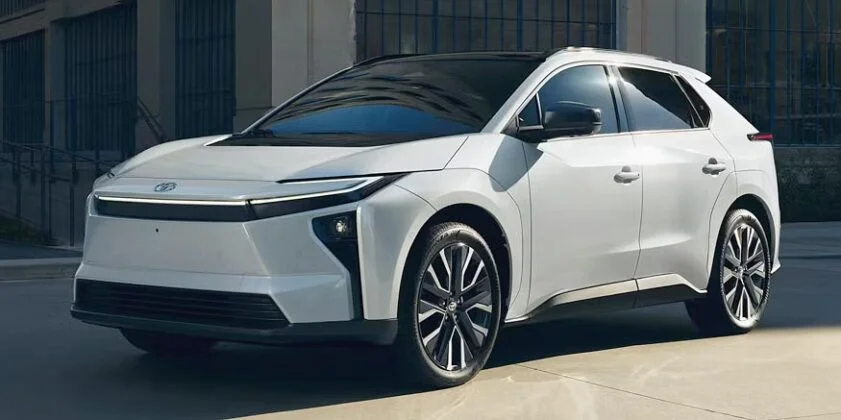
Formerly the bZ4X, renamed and significantly upgraded for 2026. Power rises to as much as 314 hp on dual-motor AWD trims, and EPA range climbs up to 314 miles — a roughly 60-mile improvement over the outgoing model. DC fast-charging tops out at 150 kW.
6. Hyundai Ioniq 5 — from $36,600
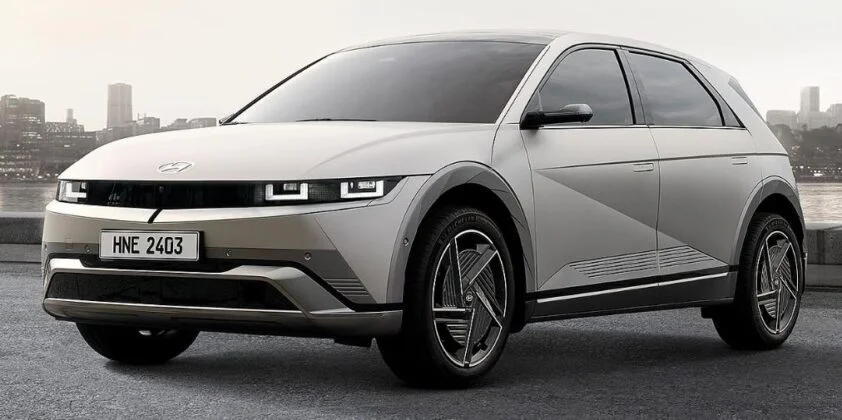
Hyundai cut Ioniq 5 pricing by as much as $9,800 for 2026 following the tax credit’s expiration, bringing the SE Standard Range trim down from roughly $46,650. That entry trim offers 245 miles of range; every Ioniq 5 trim supports DC fast-charging up to 350 kW and now uses a native NACS port with Supercharger access.
7. Fiat 500e — from $37,695
A compact city EV, best suited to short commutes rather than long-range driving.
8. Tesla Model 3 — from $38,380
Still the most recognizable name on this list, with access to Tesla’s Supercharger network built in natively.
9. Toyota C-HR — from $38,595
Toyota’s second EV crossover, sharing its platform with the Subaru Uncharted.
10. Kia EV6 — from $39,445
Kia’s midsize crossover rounds out the sub-$40K field with strong charging speeds and a more premium interior than most on this list.
11. Ford Mustang Mach-E — from $39,840
Following a recent price cut, the Select trim now slots in under $40,000, with BlueCruise hands-free driving available as an option.
Watch for two upcoming entries: the Kia EV3, expected around $35,000 with 300+ miles of range, and the Slate electric truck/SUV, rumored near $25,000 later in 2026 — neither is confirmed as currently on sale, so treat both as pending rather than available today.
Comparison Table: Cheapest New EVs in the US (July 2026)
| Model | Starting Price (incl. destination) | EPA Range | Fast-Charging Port |
|---|---|---|---|
| Chevrolet Bolt | $28,995 | ~255–262 mi | NACS, 150 kW |
| Nissan Leaf | ~$30,000–$31,535 | up to 303 mi | NACS |
| Chevrolet Equinox EV | ~$35,000–$36,795 | 319 mi | NACS |
| Subaru Uncharted | $36,445 | below competitors | NACS |
| Toyota bZ | $36,495 | up to 314 mi | NACS, 150 kW |
| Hyundai Ioniq 5 (SE Standard Range) | $36,600 | 245 mi | NACS, up to 350 kW |
| Fiat 500e | $37,695 | short-range city EV | — |
| Tesla Model 3 | $38,380 | — | NACS, Supercharger |
| Toyota C-HR | $38,595 | — | NACS |
| Kia EV6 | $39,445 | — | NACS |
| Ford Mustang Mach-E | $39,840 | — | NACS |
Prices include destination/delivery fees but exclude taxes, title, registration, and any state or federal incentives. Figures reflect manufacturer-listed MSRP as of July 2026 and can change with trim, region, or dealer markup.
Bottom Line
If price alone is the deciding factor, the Chevrolet Bolt at $28,995 is the cheapest new EV in the US today, and its LFP battery makes it a smarter daily driver than the sticker price suggests. But for buyers who want more range without spending much more, the Nissan Leaf and Chevrolet Equinox EV are the stronger overall value picks, both clearing 300 miles of EPA range for well under $37,000. Check state incentives before you buy — with the federal credit gone, they’re now the biggest lever left to lower your final price.