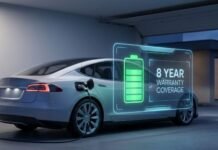
On July 4, 2025, President Trump signed the One Big Beautiful Bill Act into law. While most Americans were watching fireworks, a small provision buried in that 1,200-page bill was setting a bomb under the electric vehicle market: The $7,500 federal EV tax credit ends September 30, 2025. No extensions. No phase-out. Just gone.
What Actually Ends on September 30, 2025?
New Clean Vehicle Credit: Up to $7,500 for qualifying new EVs
Used Clean Vehicle Credit: Up to $4,000 for qualifying used EVs under $25,000
- Commercial Clean Vehicle Credit (Section 45W): For business/fleet purchases
Alternative Fuel Vehicle Refueling Property Credit: Home EV chargers, expires June 30, 2026
The new/used credits represented the bulk of consumer EV incentives. Their elimination means a Tesla Model 3 that cost $38,380 effectively yesterday will cost $45,880 for purchases finalized October 1 and beyond.
The “Binding Contract” Loophole: How to Lock In Credits Now
Here’s the critical detail most buyers miss: You don’t need to take delivery by September 30. You need a binding purchase agreement in place by that date.
- Non-refundable deposit (typically $1,000-$2,500, depending on manufacturer)
- Signed purchase agreement with specific vehicle identification (VIN for existing inventory, or specific build configuration for factory orders)
- “Time of Sale” report generated by the dealership through the IRS portal
- Documentation of sale date (this can be before Sept 30 even if delivery is January 2026)
Which Cars Just Lost Credits? (And Why)
Not all EVs qualify equally, and some just lost eligibility entirely due to battery sourcing requirements that finally took effect in 2025.
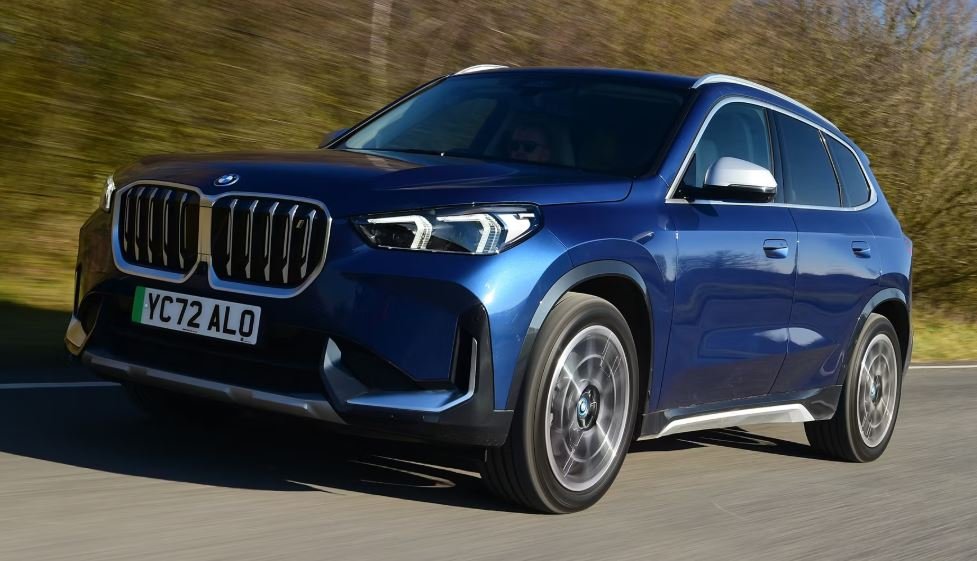
- BMW iX (assembled in Germany)
- Certain Hyundai Ioniq 5 trims (Korean battery components)
- Kia EV6 GT-Line (component sourcing issues)
- Polestar 2 (Chinese assembly for some variants)
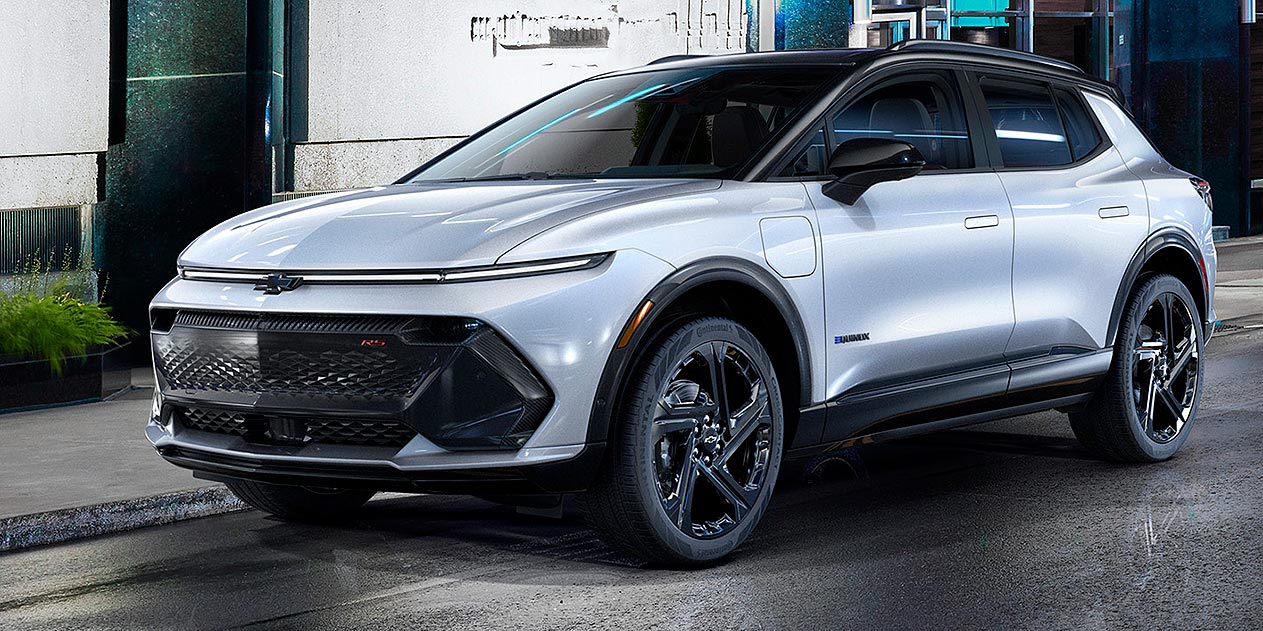
Chevrolet Equinox EV: GM is stacking $2,500 “lease loyalty” cash on top of the federal credit if you lease through September 30
- Ford Mustang Mach-E: $1,000 “Retail Bonus Cash” plus 0% APR for 60 months
- Nissan Leaf: Dealer flex cash up to $3,000 on 2025 inventory (new generation just launched)
The 2026 Nissan Leaf, completely redesigned with a 75 kWh battery and 303-mile range, starts at $31,485 and still qualifies for the full credit if purchased before the deadline. That’s a net cost of $23,985—cheaper than most used Honda Civics.

State-by-State: What You Can Still Stack (Updated March 2025)
- Federal: $7,500 (through Sept 30)
- CVRP (Clean Vehicle Rebate Project): $2,000-$7,000 income-dependent
- Stackable total: Up to $14,500
- Federal: $7,500
- State rebate: $5,000
- Stackable total: $12,500
- Federal: $7,500
- State: $0 (Texas ended its program in 2024)
- Utility rebates (varies by city): $500-$2,000
- Federal: $7,500
- State: $0
- No utility incentives of note
- Federal: $7,500
- Drive Clean Rebate: Up to $2,000
- Stackable total: $9,500
- Federal: $7,500
- Sales tax exemption: Saves ~$4,000 on $50,000 vehicle
- Effective total: $11,500
- Federal: $7,500
- Clean Vehicle Rebate: $2,500-$7,500 income-qualified
- Stackable total: Up to $15,000
Used EVs: The $4,000 Credit Also Dies (But May Matter More)
The used EV credit—30% of sale price up to $4,000 for vehicles under $25,000 and at least 2 years old—also ends September 30.
Leasing: The Surviving Strategy?
Here’s a twist: The commercial vehicle credit (Section 45W) survives the September 30 cutoff. This credit applies to vehicles purchased by businesses—including leasing companies.
- Tesla: $7,500 “Lease Incentive” continuing post-credit
- BMW: $7,500 lease credit on i4 and iX models
- Ford: $6,000-$7,500 “Red Carpet Lease” credit
The Bottom Line: A Buyer’s Action Plan
- Act by September 15, 2025 (not September 30—give yourself buffer time)
- Get a binding contract, not a reservation
- Verify VIN or specific build is documented
- Confirm dealer will file “time of sale” report immediately
- Consider states with stackable rebates if you have flexibility
- Target vehicles under $25,000 (the used credit cap)
- Verify vehicle is 2+ years old (2023 model year or earlier)
- Buy from a dealership (private sales don’t qualify)
Income limits apply: $75,000 single, $112,500 head of household, $150,000 joint
- Compare lease deals post-October 1—some may improve as manufacturers try to maintain volume
- Verify the full credit is passed through in your lease terms
- Calculate total lease cost vs. purchase with expiring credit
- $847 Gas vs $43 Tesla. One Month Cost Breakdown and Hidden EV Savings
- Tesla Model 3 vs BMW i4 After 30 Days: Phantom Drain, Charging Fault, Real 2025 Winner
- BYD Seal 2026: Bigger Boot, Same Price in the UK
- Tesla Cybertruck Price Cut: New $60,000 AWD Model
- 2026 Dacia Spring Update: Faster, Cheaper, Smarter