Kia‘s 2025 lineup now spans six distinct electric vehicles—from the budget EV3 to the flagship EV9. But with the new Kia EV4 arriving in both sedan and hatchback forms, buyers face genuine decision paralysis. Is the EV4 hatchback the Nissan Leaf killer? Does the EV4 sedan make the EV6 obsolete? And where does the China-only Kia EV5 fit for import buyers?
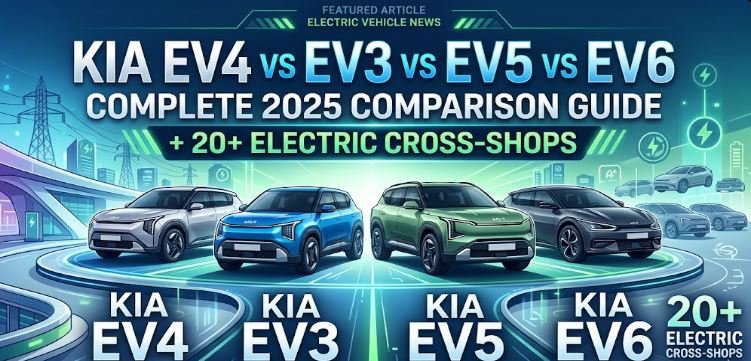
Kia EV4 Deep Dive: Sedan vs Hatchback & The Full Lineup {#ev4-comparisons}
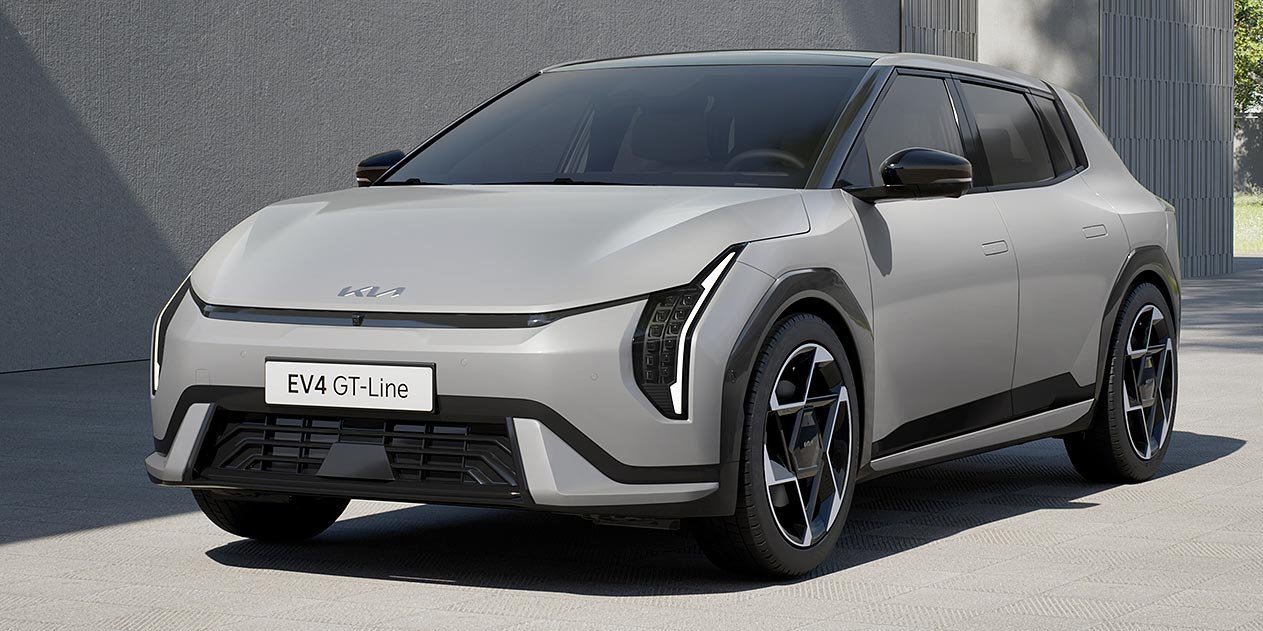
Kia EV4 Sedan vs Kia EV4 Hatchback
The Body Style Dilemma: Kia’s pulled a Volkswagen ID.3/ID.4 move—same platform, two silhouettes. But unlike VW, the differences here are substantial.
| Specification | EV4 Sedan | EV4 Hatchback |
|---|---|---|
| Length | 4,700 mm | 4,300 mm |
| Wheelbase | 2,700 mm | 2,700 mm |
| Drag Coefficient | 0.23 Cd | 0.26 Cd |
| Trunk Capacity | 490L | 385L |
| Rear Headroom | 950 mm | 1,020 mm |
| Target Market | Fleet/China | Europe/UK |
Range Reality: The sedan’s superior aerodynamics deliver 630 km CLTC (approx. 520 km WLTP) vs the hatchback’s 590 km CLTC (490 km WLTP). For highway-heavy drivers, that’s 30+ km of real-world difference.
Verdict: The hatchback wins for European urban density—parking, visibility, and cargo flexibility. The sedan dominates Chinese fleet sales and long-distance efficiency. For private buyers in markets where both are available (UK, Australia), the hatchback’s practicality outweighs the sedan’s marginal range advantage unless you exclusively drive motorways.
Kia EV4 Sedan vs Kia EV3
Platform Truth: These share the E-GMP architecture but serve different missions. The EV3 is Kia’s “electric Soul”—tall, boxy, city-optimized. The EV4 sedan is lower, longer, and highway-biased.
Key Differentiators:
- EV3: 4,300 mm length, 2,680 mm wheelbase, 350 km WLTP range (Standard), 600 km (Long Range)
- EV4 Sedan: 4,700 mm length, 2,700 mm wheelbase, 520 km WLTP range
Who Wins: The EV3 for pure urban duty (tighter turning circle, better visibility). The EV4 sedan for mixed-use buyers needing motorway comfort. Price overlap is minimal—EV3 starts €5,000 lower in most markets.
Kia EV4 Sedan vs Kia EV6
This is the comparison Kia fears. The EV6 is now 4 years old; the EV4 sedan is fresher, cheaper, and nearly as spacious.
Shocking Spec Sheet:
- EV4 Sedan: €35,000 starting price, 520 km range, 160 kW charging
- EV6: €48,000 starting price, 528 km range (WLTP), 233 kW charging
The EV6’s remaining advantages: 800V architecture (18-min fast charging vs EV4’s 29 min), rear-wheel-drive dynamics, and established resale value. The EV4 sedan’s advantage: €13,000 savings fund 8 years of electricity.
Verdict: Unless you road-trip weekly or value the EV6’s GT-Line styling, the EV4 sedan makes the base EV6 irrelevant. Cross-shop the EV6 only if you need AWD or the 585-hp GT performance.
Kia EV4 Sedan vs Kia EV5
Import-Only Reality Check: The EV5 is China-market-only as of April 2025, though grey imports hit Australia and select EU markets.
Spec Showdown:
- EV4 Sedan: 520 km range, €35,000, sedan practicality
- EV5: 720 km CLTC (600 km WLTP est.), €28,000 (China price), SUV ride height
The EV5’s hidden costs: Import tariffs, warranty voidance, and no CCS2 charging in European spec. For brave importers, the EV5 offers 80L more cargo and 80 km additional range for less money. For risk-averse buyers, the EV4 sedan’s factory warranty and local service network justify the premium.
Kia EV4 Hatchback vs Kia EV3
The Urban Battle: Both are 4,300 mm long. Both target European cities. But the EV4 hatchback is lower and wider (1,890 mm vs EV3’s 1,800 mm), giving it stability at Autobahn speeds the tall EV3 lacks.
Critical Difference: The EV3 offers a €29,000 entry price (Standard Range 58.3 kWh); the EV4 hatchback starts at €32,000 with the 81.4 kWh battery only. For budget buyers, the EV3 wins. For buyers keeping the vehicle 7+ years, the EV4’s larger battery and superior thermal management justify the €3,000 delta.
Kia EV4 Hatchback vs Kia EV6
Size Deception: The EV4 hatchback is only 90 mm shorter than the EV6 (4,300 mm vs 4,690 mm), but the EV6’s 2,900 mm wheelbase (vs 2,700 mm) transforms rear legroom.
Real-World Test: Two 6-foot adults can sit behind each other in the EV6. In the EV4 hatchback, it’s knees-to-seat compromise. The EV6 remains the family choice; the EV4 hatchback is the couple/empty-nester optimization.
Charging Speed Gap: EV6’s 233 kW peak vs EV4’s 160 kW means 18-minute stops vs 29-minute stops. For annual road trips, that’s 45 minutes saved per year. For daily life, irrelevant.
Kia EV4 Hatchback vs Kia EV5
The Import Gamble Again: Same caveats as the sedan comparison apply. The EV5’s SUV form offers 175 mm ground clearance vs the EV4 hatchback’s 140 mm—meaningful for rural driveways and speed bumps.
Range vs Risk: 600 km WLTP (EV5) vs 490 km (EV4 hatchback) is significant, but only if you trust grey-market battery warranty support. Most buyers should choose the EV4 hatchback for peace of mind.
Kia EV4 Hatchback vs Peugeot e-408
The French Alternative: Peugeot’s e-408 brings coupé-SUV styling and PSA’s i-Cockpit to the €35,000 segment.
Head-to-Head:
| Kia EV4 Hatchback | Peugeot e-408 | |
|---|---|---|
| Range (WLTP) | 490 km | 453 km |
| Power | 150 kW | 115 kW |
| Charging | 160 kW | 120 kW |
| Infotainment | 12.3″ curved | 10″ + i-Cockpit |
| Price | €32,000 | €38,000 |
Verdict: The EV4 hatchback dominates on value and specs, but the e-408’s interior design and ride quality appeal to buyers prioritizing comfort over efficiency. For tech-forward drivers, Kia wins. For traditional luxury cues, Peugeot retains edge.
Kia EV3: The Entry-Level King {#ev3-comparisons}
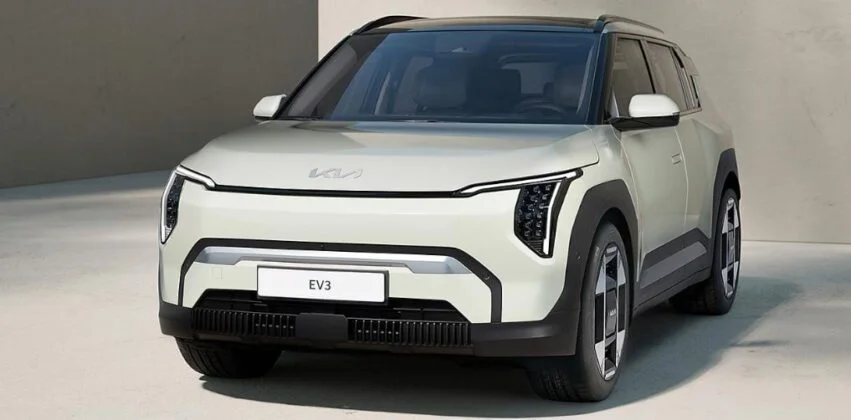
Hyundai Inster vs Kia EV3
Sibling Rivalry: Hyundai’s Inster (rebadged Casper Electric) is the EV3’s platform-mate but targets different psychology.
The Split:
- Inster: 3,825 mm length (tiny!), 355 km range, €25,000, “urban fashion statement”
- EV3: 4,300 mm length, 350-600 km range, €29,000, “practical family starter”
Who Wins: The Inster for single-city-dwellers treating cars as appliances. The EV3 for anyone who leaves city limits quarterly or carries passengers regularly. The Inster’s 240 km real-world range is limiting; the EV3 Standard Range matches it with better safety ratings.
Kia EV3 vs Kia EV6
Generational Leap: The EV6 is “first-wave E-GMP” (2021 tech); the EV3 is “E-GMP optimized” (2024 tech).
Surprising Finding: The EV3 Long Range (81.4 kWh) matches the base EV6’s range (600 km vs 528 km WLTP) for €15,000 less. The EV6’s advantages—charging speed, AWD availability, premium materials—matter less as the EV3 closes the gap.
The Real Difference: Resale. EV6 holds value; EV3 is too new to predict. For 3-year lease cycles, EV3 wins. For 8-year ownership, EV6’s proven track record reduces risk.
Kia EV3 vs Kia EV5
China Import vs Global Car: The EV5’s 720 km CLTC range crushes the EV3’s 600 km, but availability kills this comparison for 95% of buyers. Unless you’re in Australia reading this via grey-market importer, ignore the EV5 and buy the EV3.
Kia EV3 vs Mini Aceman
Style vs Substance: Mini’s Aceman (4,076 mm) brings heritage branding to the subcompact EV space.
| Kia EV3 | Mini Aceman | |
|---|---|---|
| Range | 600 km (LR) | 406 km |
| Price | €34,000 (LR) | €38,000 |
| Rear Space | Class-leading | Compromised by style |
| Charging | 128 kW | 95 kW |
Subjective Factor: The Aceman’s interior design and driving “fun” factor appeal to emotional buyers. The EV3 wins every rational metric—range, price, space, charging. Only choose Mini if the badge matters more than functionality.
Kia EV3 vs Ford Explorer EV
American vs Korean Philosophy: Ford’s Explorer EV (4,460 mm) is built in Cologne on VW’s MEB platform—an odd hybrid of American branding and German engineering.
The Battle:
- EV3: 600 km range, €34,000, Kia’s 7-year warranty
- Explorer EV: 566 km range, €45,000, Ford’s “adventure” marketing
Explorer advantages: Tow rating (1,200 kg vs EV3’s 600 kg), slightly better high-speed stability. EV3 advantages: €11,000 savings, 34 km more range, faster charging (128 kW vs 135 kW—essentially equal).
Verdict: The EV3 makes the Explorer EV look overpriced unless you need the Ford’s marginal towing advantage or strongly prefer the interior design.
Kia EV3 vs Hyundai Ioniq 5
Platform Prestige: The Ioniq 5 is E-GMP “halo car”; the EV3 is E-GMP “volume car.”
Spec Gap:
- Ioniq 5: 507 km range, €43,000, 800V charging (18 min), vehicle-to-load (V2L)
- EV3: 600 km range, €34,000, 400V charging (31 min), no V2L
The €9,000 Question: Is 800V architecture and V2L worth the premium? For apartment dwellers relying on fast charging—yes, Ioniq 5 wins. For home-charging suburbanites—EV3’s range and savings dominate.
Kia EV3 vs Mazda MX-30
The Compliance Car vs The Real Car: Mazda’s MX-30 (35.5 kWh battery, 200 km range) exists only for emissions compliance.
No Contest: The EV3 offers 3x the range for similar money. Only consider the MX-30 if you specifically want a small SUV with Mazda’s design language and never drive beyond 150 km round-trip. For 99% of buyers, this comparison ends with “buy the Kia.”
Kia EV3 vs Renault Scenic E-Tech
French Family vs Korean Value: Renault’s Scenic E-Tech (4,470 mm) revives a nameplate with pure-electric credibility.
| Kia EV3 | Renault Scenic E-Tech | |
|---|---|---|
| Range | 600 km | 620 km |
| Price | €34,000 | €42,000 |
| Interior Quality | Good | Excellent (Google-based) |
| Charging | 128 kW | 150 kW |
Verdict: The Scenic wins on marginally better range and superior infotainment, but the EV3’s €8,000 advantage is decisive for value-conscious buyers. Choose Renault if the Google ecosystem and French design justify the premium; choose Kia for rational economics.
Kia EV5: The China Question {#ev5-comparisons}
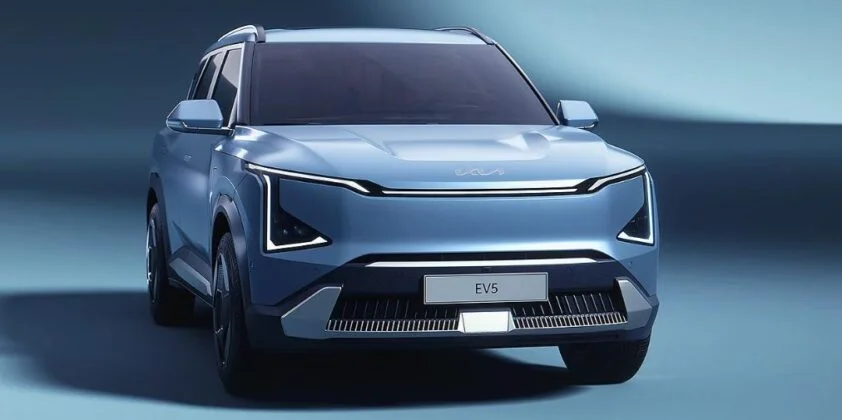
Kia EV5 vs Kia EV6
The Import Dilemma: EV5 (China) starts at ¥149,800 (€19,000); EV6 (Global) starts at €48,000. But after import duties, homologation, and warranty risks, real-world European pricing hits €35,000-40,000 for grey-market EV5s.
Spec Comparison:
- EV5: 720 km CLTC (est. 600 km WLTC), 160 kW charging, FWD only
- EV6: 528 km WLTP, 233 kW charging, RWD/AWD
The Rational Take: Even at €35,000 imported, the EV5’s range advantage (70+ km) is offset by charging speed deficits and service network uncertainty. Buy the EV6 for peace of mind unless you have a trusted importer and accept battery warranty voidance.
XPeng G6 vs Kia EV5
Chinese Domestic Battle: For buyers actually in China, this is the relevant comparison.
XPeng G6 Advantage: 800V architecture, XNGP autonomous driving, 755 km CLTC range, tech-forward interior.
Kia EV5 Advantage: Brand familiarity for international buyers, potentially better build quality, lower price (¥149,800 vs ¥209,800).
Verdict: In China, the XPeng G6 is the technical superior. The EV5 wins only on price and conservative buyer preference.
Ford Explorer EV vs Kia EV5
Import vs Local: For European buyers, the Explorer EV is locally available with warranty; the EV5 is not.
Explorer wins by default unless you’re reading this in Australia or New Zealand where both are grey-import options. In those markets, the EV5’s 600 km real-world range vs Explorer’s 566 km and €10,000+ price difference favor the Kia.
Hyundai Ioniq 5 vs Kia EV5
Platform Incest: Both E-GMP, but the Ioniq 5 is 800V; the EV5 is 400V (cost-cutting for China market).
Ioniq 5 wins globally due to availability, charging speed, and warranty. The EV5 only wins on absolute range for buyers prioritizing kilometers over infrastructure.
BYD Dolphin vs Kia EV5
The Budget Champions: BYD’s Dolphin (4,290 mm) is the EV5’s true competitor in China and export markets (Australia, SE Asia).
| BYD Dolphin | Kia EV5 | |
|---|---|---|
| Price | ¥116,800 (€15,000) | ¥149,800 (€19,000) |
| Range | 420 km CLTC | 720 km CLTC |
| Platform | e-Platform 3.0 | E-GMP |
| Interior | Basic | Premium |
Verdict: The Dolphin is the rational budget choice; the EV5 justifies its 30% premium with 70% more range and superior dynamics. For ride-share drivers, Dolphin. For family buyers, EV5.
Honda Prologue vs Kia EV5
The American Honda vs The Chinese Kia: Honda’s Prologue (Ultium platform, built by GM) targets North America; the EV5 is unavailable there.
For Canadian/American readers: The Prologue (512 km EPA range, $48,000 USD) is your only option here. The EV5 comparison is irrelevant unless you’re importing to North America (not recommended—warranty/service issues).
For global readers: The EV5’s 600 km WLTP range vs Prologue’s 512 km EPA (approx. 580 km WLTP equivalent) and likely lower price via import make it intriguing, but the Prologue’s local warranty and GM service network win for risk-averse buyers.
Kia EV6: The Established Player {#ev6-comparisons}
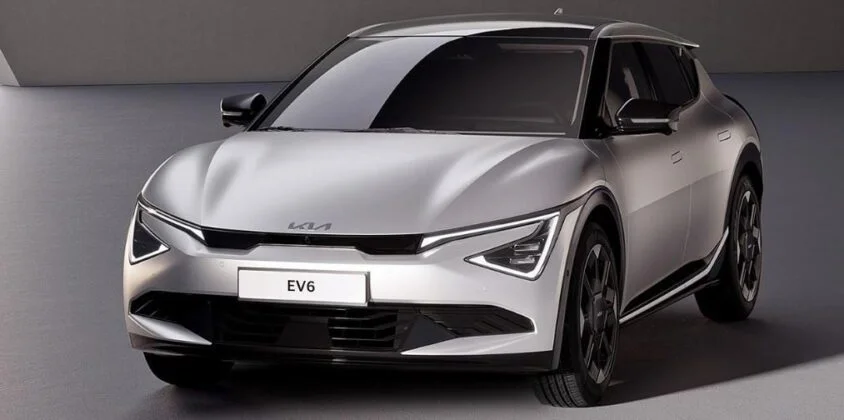
Kia EV5 vs Kia EV6
[Covered in EV5 section above—see “Kia EV5 vs Kia EV6”]
Ford Explorer EV vs Kia EV6
€13,000 Decision: Explorer EV (€45,000) vs base EV6 (€48,000) is closer than Explorer vs EV3.
Explorer’s Case: Slightly more interior width, American brand preference, 1,200 kg towing.
EV6’s Case: 800V charging (life-changing on road trips), established reliability data, RWD driving dynamics, better resale.
Verdict: The EV6 is worth the €3,000 premium for charging speed alone. Only choose Explorer if you need the towing capacity or strongly prefer the interior design.
Renault Scenic E-Tech vs Kia EV6
The Tech Showdown: Both €45,000-48,000 segment, both targeting families.
Renault Wins: Google Automotive infotainment (superior to Kia’s system), 620 km range vs 528 km, slightly quieter cabin.
Kia Wins: 800V charging (18 min vs 30 min), rear-wheel-drive chassis balance, longer warranty (7 vs 5 years), broader service network.
The Split: Tech-forward buyers who charge at home → Renault. Road-trippers and driving enthusiasts → EV6.
Nissan Leaf: The Legacy Competitor {#leaf-ev4}
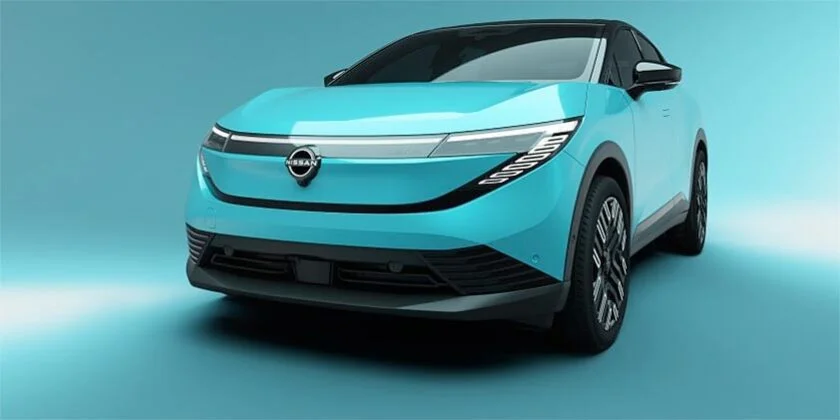
Nissan Leaf vs Kia EV4 Hatchback
The End of an Era: The Leaf defined affordable EVs for a decade. The EV4 hatchback ends its relevance.
Brutal Comparison:
| Nissan Leaf (2024) | Kia EV4 Hatchback | |
|---|---|---|
| Battery | 59 kWh | 81.4 kWh |
| Range (WLTP) | 385 km | 490 km |
| Charging | 100 kW (CHAdeMO) | 160 kW (CCS2) |
| Platform | Old Leaf (2010 base) | E-GMP (2024) |
| Thermal Management | Passive air cooling | Active liquid cooling |
| Price | €32,000 | €32,000 |
The Kill Shot: Same price, 105 km more range, 60% faster charging, modern platform, active thermal management (meaning the Kia battery will last 10+ years; the Leaf’s will degrade faster). The Leaf’s CHdeMO connector is also becoming obsolete in Europe.
Verdict: Unless you’re buying used at €18,000 or have specific Nissan service loyalty, the EV4 hatchback makes the new Leaf irrelevant. Nissan’s Ariya is the proper Kia competitor, not the aging Leaf.
Kia 2026 Updates
Kia EV4 Global Rollout Confirmed Kia confirmed April 2025 production for European EV4 hatchback deliveries, with UK pricing starting at £31,995. The sedan remains China/Australia-focused with no UK allocation.
EV5 Import Crackdown Australian authorities issued warnings about non-compliant Kia EV5 imports lacking ADR approval. Grey-market EV5s face registration difficulties in several states—reinforcing our “buy EV6 for peace of mind” guidance.
Nissan Leaf Discontinuation Rumors Insiders suggest the Leaf will not see a third generation, with Nissan pivoting to Ariya-based compact EVs by 2027. This validates the EV4 hatchback as the spiritual successor.
Buyer’s Guide: Which Kia EV for Your Life?
Budget Max €30,000: Kia EV3 Standard Range (imported EV5 too risky) Budget €30,000-35,000: Kia EV4 Hatchback (best all-rounder) Budget €35,000-40,000: Kia EV4 Sedan (if available) or EV3 Long Range Budget €40,000-50,000: Kia EV6 Wind (800V charging worth the premium) Budget €50,000+: Kia EV6 GT-Line or wait for EV9 price drops
Avoid: Grey-market EV5s unless you have import expertise and accept warranty voidance.
FAQ
Q: What is the difference between the Kia EV4 sedan and hatchback?
A: The EV4 sedan (4,700 mm) prioritizes aerodynamics and range (520 km WLTP) for highway efficiency. The EV4 hatchback (4,300 mm) offers easier parking, better rear headroom, and cargo flexibility with 490 km range. The sedan targets China/fleet markets; the hatchback is designed for Europe.
Q: Is the Kia EV3 better than the Hyundai Ioniq 5?
A: The EV3 offers 72 km more range (600 km vs 528 km) for €9,000 less, but lacks the Ioniq 5’s 800V fast charging (18 min vs 31 min) and vehicle-to-load capability. For home-charging suburbanites, the EV3 wins. For apartment dwellers relying on public charging, the Ioniq 5’s speed justifies the premium.
Q: Can I buy the Kia EV5 in Europe or the UK?
A: The Kia EV5 is officially sold only in China as of April 2025. Grey imports reach Australia and some EU markets, but these lack manufacturer warranty, CCS2 charging compatibility, and ADR/CE homologation. Most buyers should choose the EV6 or EV4 instead.
Q: Does the Kia EV4 replace the EV6?
A: No—the EV4 sedan and hatchback slot below the EV6 in price and performance. The EV6 retains advantages in 800V charging speed, AWD availability, rear-wheel-drive dynamics, and premium positioning. The EV4 makes the base EV6 less relevant but doesn’t replace the GT-Line or GT performance variants.
Q: Is the Nissan Leaf still competitive against the Kia EV4?
A: At similar €32,000 pricing, the Kia EV4 hatchback offers 105 km more range, 60% faster charging, modern E-GMP platform, and active battery thermal management. The Leaf’s aging CHAdeMO connector and passive cooling make it obsolete for new buyers unless purchased used below €20,000.
Related EV Cluster
- Chinese Electric Hatchback Wars: 17 Game-Changing Models Dominating 2026 From $5,000 to $30,000
- BMW EV Comparisons: Sedans and SUVs vs Top Rivals
- Xpeng EV Comparisons 2026: MONA, G6, G9, P5, P7
- Chinese Electric SUVs $70,000–$90,000 for 2026 Buyers
- Chinese Electric SUVs $50K–$70K in 2026 (Full List)