The Tesla Model Y is currently the most reliable electric SUV you can buy, according to Consumer Reports’ 2026 owner survey — but it’s not the only one worth trusting. The Kia EV6, Chevrolet Equinox EV, Kia EV9, and Toyota bZ4X round out a top five built from actual owner-complaint data, recall counts, and multi-year survey scores rather than marketing claims. Reliability in an EV means something different than in a gas car: there’s no transmission or timing belt to fail, but charging hardware, battery management software, and high-voltage electronics introduce their own failure points. Below, each model is broken down by what the data actually shows — including where the numbers disagree.
Quick Summary Box
- Most reliable overall: Tesla Model Y — Consumer Reports’ top-rated EV in 2026, with a predicted reliability score in the low 80s (out of 100) and a lower owner-complaint rate than most rivals.
- Best proven platform: Kia EV6 — built on the E-GMP platform with two full survey cycles of above-average reliability data.
- Best mainstream value pick: Chevrolet Equinox EV — rated about average for the segment, with a lower purchase price than most rivals.
- Best three-row pick: Kia EV9 — strong first-year survey data, though it has less ownership history than older models.
- Most reliable used option: Toyota bZ4X — leads standalone reliability-index rankings for 2023-and-older EVs, after early recalls were resolved.
- A shared charging-control-unit issue has affected several Hyundai and Kia E-GMP models; check recall status before buying any E-GMP-platform EV.
How This Ranking Was Built
No single organization publishes a definitive “most reliable EV SUV” list, so this ranking blends three types of data: Consumer Reports’ predicted reliability scores (based on owner survey responses), J.D. Power’s problems-per-100-vehicles figures, and NHTSA recall and complaint counts adjusted for sales volume. Where sources disagreed, that disagreement is flagged rather than smoothed over. All pricing below is shown in USD MSRP for the global market; regional pricing and incentives vary by country and should be confirmed with a local dealer.
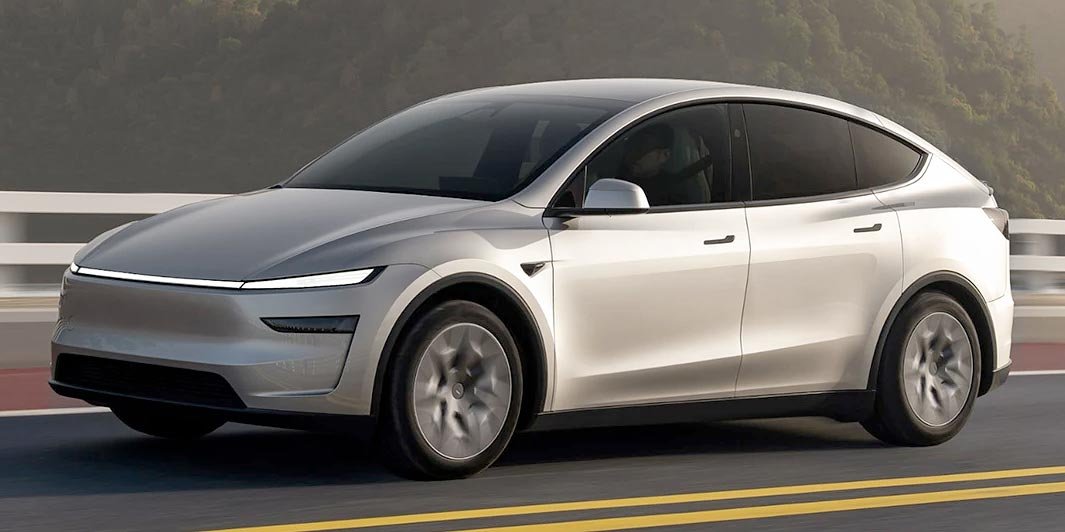
1. Tesla Model Y
The Model Y is the only pure EV on Consumer Reports’ 2026 Top Picks list and now carries the highest predicted reliability score of any electric SUV the organization tracks. That’s a turnaround from its first three years on sale, when it scored well below average. Consumer Reports attributes the improvement to Tesla holding the platform stable across model years rather than redesigning it, which let manufacturing quality catch up over time.
One caveat worth flagging: the 2026 Model Y is a redesigned generation, so its predicted score leans partly on Tesla’s overall brand reliability history rather than multiple years of data specific to this exact version. Owners of 2023-and-later Model Y units report far fewer build-quality complaints than earlier cars.
- Battery/EPA Range (Long Range AWD): 315–330 miles real-world (EPA-rated cycle)
- Warranty: 4-year/50,000-mile basic; 8-year/100,000-mile battery and drive unit
- Complaint rate: 24.3 per 10,000 units sold (NHTSA, sales-adjusted)
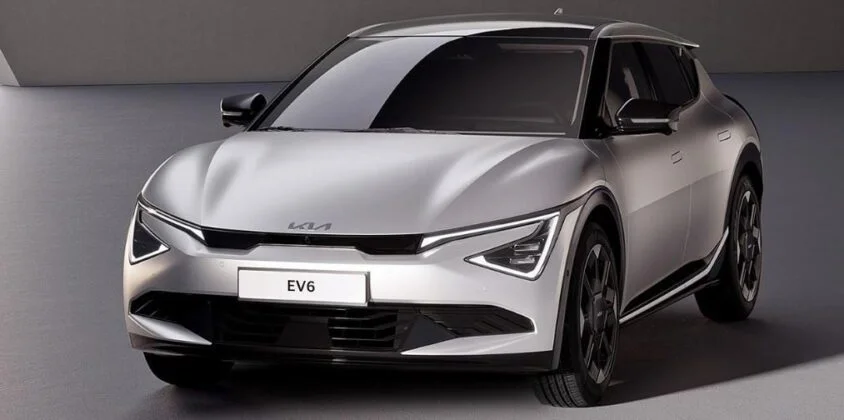
2. Kia EV6
The EV6 shares Hyundai Motor Group’s E-GMP platform with the Ioniq 5 and EV9, but has posted more consistent above-average reliability scores across its first two full survey cycles. Consumer Reports and J.D. Power both note low rates of electrical and software complaints relative to the segment average, and the E-GMP platform itself is now considered proven after several years in the field.
- Warranty: 10-year/100,000-mile powertrain (original owner); 5-year/60,000-mile (subsequent owners)
- Dealer network: Kia’s service footprint is broad in most markets, which reduces downtime for warranty repairs
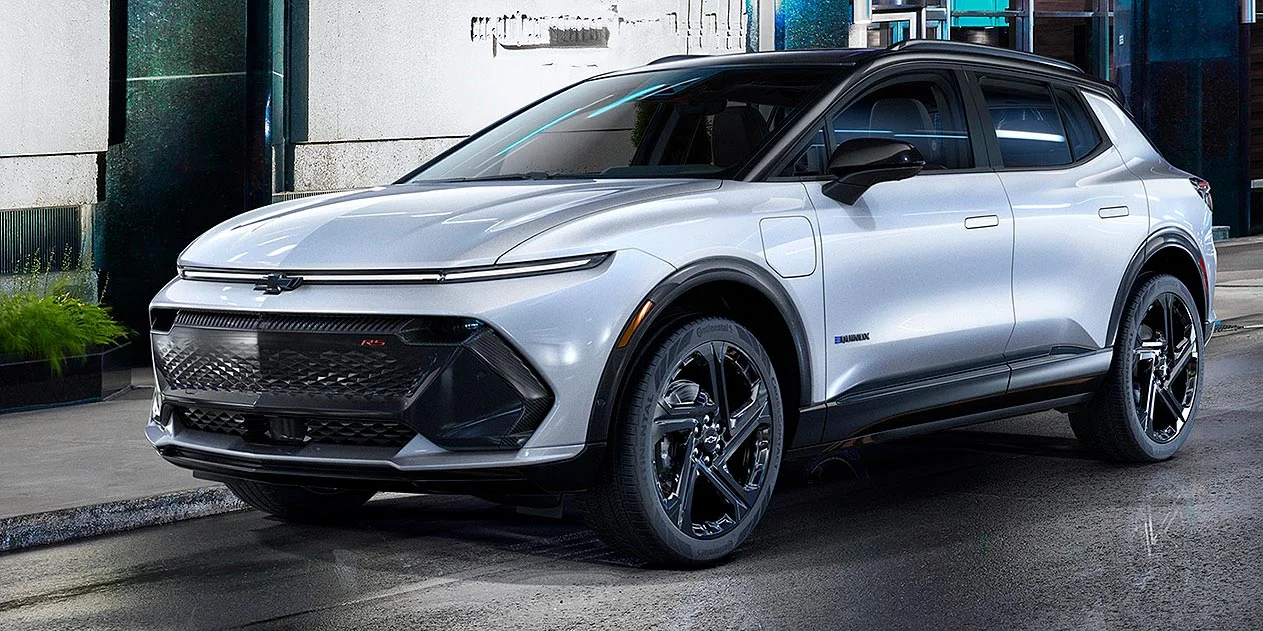
3. Chevrolet Equinox EV
The Equinox EV rates about average for the segment in Consumer Reports’ 2026 data — not class-leading, but a meaningful improvement given it only entered production in 2024. Early units saw electronics-related niggles typical of a new nameplate, and those issues have narrowed in more recent build runs. Its main appeal is price: it undercuts most reliable rivals on this list while still posting mid-pack dependability scores.
- Starting price: From roughly $34,995 (USD MSRP, before incentives)
- Range: Up to 319 miles (EPA-rated cycle) on select trims
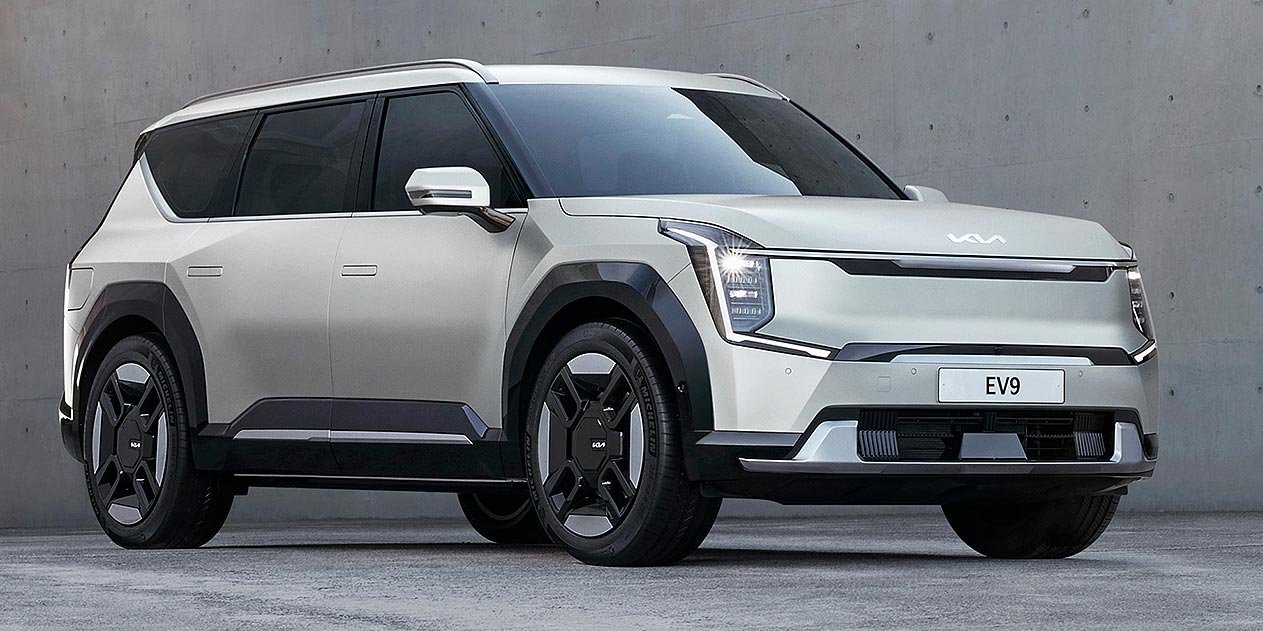
4. Kia EV9
Kia’s three-row electric SUV posted strong first-year survey data, a notable result for a vehicle in its debut model year — new nameplates typically score lower until enough owner data accumulates. It shares the E-GMP platform architecture with the EV6 and Ioniq 5, which brings both the platform’s proven core and its known charging-control-unit risk (see the flag below).
The EV9’s strong first-year score should be read with more caution than models with two or three years of survey history behind them, simply because there’s less data to draw on.
- Seating: Three rows, standard on most trims
- Warranty: 10-year/100,000-mile powertrain (original owner)
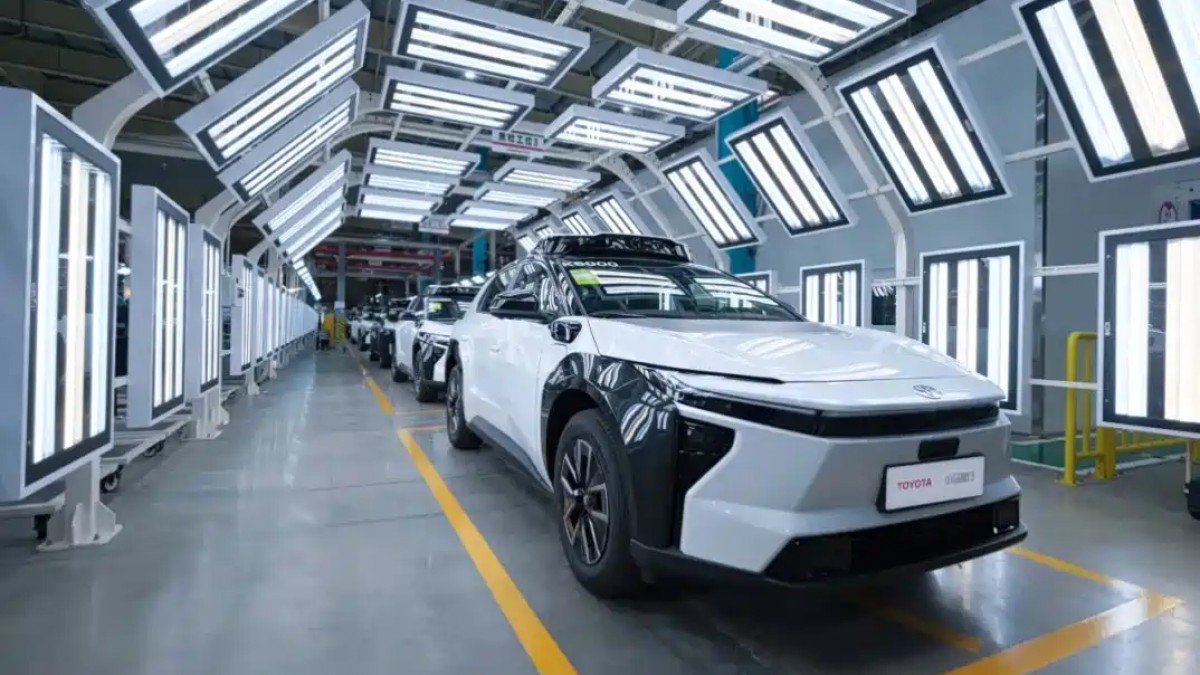
5. Toyota bZ4X
The bZ4X tops standalone reliability-index rankings that focus on used EVs with at least three model years of real-world data — a different lens than the “predicted reliability” scores that lead the rest of this list. Its early build years (2022–2023) were affected by a well-publicized wheel-detachment recall, but that issue was resolved industry-wide, and later production has shown markedly fewer complaints. For buyers specifically shopping used, it’s currently the highest-scoring EV in NHTSA-complaint-based rankings.
- 2023 model reliability score: 73/100 (Auto Reliability Index, NHTSA-complaint-based)
- Recall history: Confirm recall completion status on any pre-2024 unit before purchase
The Shared Risk to Watch: ICCU Failures
Several Hyundai and Kia models built on the E-GMP platform — including the Ioniq 5, EV6, and EV9 — have been affected by Integrated Charging Control Unit (ICCU) failures that can cause a sudden loss of power while driving. This has prompted recalls across all three nameplates, and as of mid-2026 a class-action lawsuit alleges that some replacement parts may carry the same defect. This is why the Ioniq 5 does not appear on this list despite strong specs otherwise: multiple sources rate it below the segment average specifically because of ICCU-related complaints, even though other outlets rate the closely related EV6 above average. Anyone cross-shopping an E-GMP SUV should ask directly about ICCU recall completion before buying.
What “Reliability” Means Differently for EVs
Traditional reliability studies track around 20 trouble spots, from engines and transmissions to brakes and electrical systems. EVs remove several of the mechanical failure points that trip up gas cars — no oil system, no timing belt, no multi-speed transmission — but introduce new categories instead: charging hardware, battery management software, and over-the-air update failures. J.D. Power’s 2026 study found EVs average roughly 237 problems per 100 vehicles after three years of ownership, versus 198 for gas-only vehicles — a gap driven mostly by software and electronics complaints rather than mechanical breakdowns. A car that needs two software-related service visits in its first year is a different reliability story than one with a drivetrain fault, even if both show up as “a problem” in the raw data.
Comparison Table
| Model | Reliability Standing | Starting Price (USD MSRP) | Range (EPA-rated cycle) | Warranty (Battery/Drive) |
|---|---|---|---|---|
| Tesla Model Y | Top-rated, Consumer Reports 2026 | Not disclosed (varies by trim/market) | 315–330 mi | 8-yr/100,000-mi |
| Kia EV6 | Above average, 2 survey cycles | Not disclosed (varies by trim/market) | Not disclosed | 10-yr/100,000-mi (original owner) |
| Chevrolet Equinox EV | About average | ~$34,995 | Up to 319 mi | Not disclosed |
| Kia EV9 | Strong first-year data | Not disclosed (varies by trim/market) | Not disclosed | 10-yr/100,000-mi (original owner) |
| Toyota bZ4X | Highest-scoring used EV (2023 MY) | Not disclosed (varies by trim/market) | Not disclosed | Not disclosed |
Pricing and range figures vary by trim, drivetrain, and market. Confirm current figures with the manufacturer before publishing region-specific claims.
Verdict
The Tesla Model Y is the most reliable electric SUV on the market right now by the numbers that matter most — predicted reliability score and sales-adjusted complaint rate — but its 2026 redesign means that score still has some real-world unproven weight. Buyers who want a longer track record over the single highest score should look to the Kia EV6, which has two full years of consistently above-average data behind it. Whichever model you choose, if it’s built on Hyundai Motor Group’s E-GMP platform, confirm ICCU recall status before signing anything.