Yes, a genuinely good used EV under $20,000 exists in 2026 — you just have to know which ones. Steep early depreciation has pushed several well-built, long-range models into this price band, while a wave of short-range, high-mileage cars has flooded the same listings and quietly undercut buyer confidence. The five models below — the Chevrolet Bolt EV, Nissan Leaf, Hyundai Kona Electric, Kia Niro EV, and higher-mileage Tesla Model 3 — consistently show up as the strongest picks across reliability data, resale trends, and real-world ownership reports. Below, we break down pricing, range, battery health risk, and which buyer each one actually suits, so you can shop with a checklist instead of a gut feeling.
Quick Summary
| Takeaway | Detail |
|---|---|
| Best overall value | Chevrolet Bolt EV — lowest cost per mile of range in the segment |
| Best for cold-climate/family use | Kia Niro EV or Hyundai Kona Electric — 239–258 miles, crossover practicality |
| Best budget commuter | Nissan Leaf — sub-$15K in many markets, but check battery health first |
| Best for road-trip capability | Higher-mileage Tesla Model 3 — Supercharger access, still under $20K in RWD/base trims |
| Non-negotiable step before buying | Always pull a third-party battery health/State-of-Health (SoH) report |
Why Used EVs Under $20,000 Are a Real Option in 2026
Two forces converged to make this price band worth shopping. Figures below are approximate 2026 U.S. used-market averages and vary by region, mileage, and condition — always confirm local pricing before buying.
Steeper Depreciation Than Gas Cars
Rapid year-over-year improvements in range and charging speed pushed earlier EVs down the depreciation curve faster than comparable gasoline vehicles. A car that cost $35,000–$40,000 new just four or five years ago can now land in the $14,000–$19,000 range with moderate mileage.
Lower Entry Point Than New EVs
Generous new-EV incentives between 2023 and 2025 pulled new prices down, and used values followed. The result is a market where a lightly used, 200+ mile EV now competes directly with a basic used gas crossover on price — while costing significantly less to run per year.
The Battery Risk Is Real, But Manageable
The single biggest variable under $20,000 isn’t the motor or the interior — it’s how much usable capacity remains in the battery pack. A well-maintained example with full service history and a healthy pack can outperform a “cheaper” listing with 15–20% degradation. This is why a State-of-Health check matters more than the odometer reading.
Who Should (and Shouldn’t) Buy a Sub-$20K Used EV
Good fit:
- Suburban or urban commuters driving 20–60 miles a day with home or reliable workplace charging
- Two-car households that keep one gas vehicle for long trips
- Buyers prioritizing running costs over cutting-edge range or tech
Less ideal fit:
- Drivers who regularly need 250+ mile round trips without a charging stop
- Buyers without home, workplace, or nearby reliable fast charging
- Anyone unwilling to request a battery health report before purchase
5 Used EVs Under $20,000 Worth Buying
1. Chevrolet Bolt EV — Best Overall Value
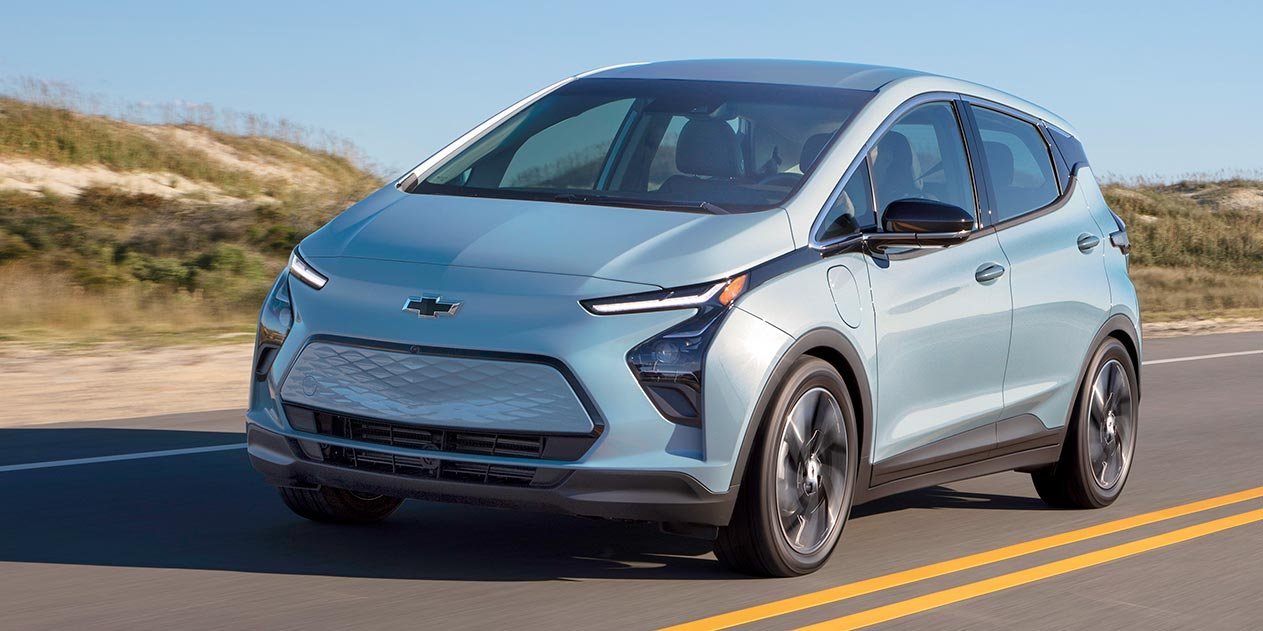
The Bolt EV is the segment’s default recommendation, and the math backs it up: strong range for the money, a liquid-cooled battery pack (better long-term durability than passively cooled competitors), and some of the lowest per-mile depreciation numbers in the used EV market.
- Typical price range: $12,000–$19,000 depending on year and mileage
- Range when new: Up to 259 miles (later model years)
- Battery: Liquid-cooled — more resistant to heat-related degradation
- Buyer note: 2017–2022 Bolts were subject to a high-voltage battery recall. Confirm the pack was replaced or updated under that recall before buying — a corrected pack behaves like new.
- Best for: Buyers who want maximum range per dollar and don’t need ultra-fast DC charging speeds.
2. Nissan Leaf — Best Budget Commuter
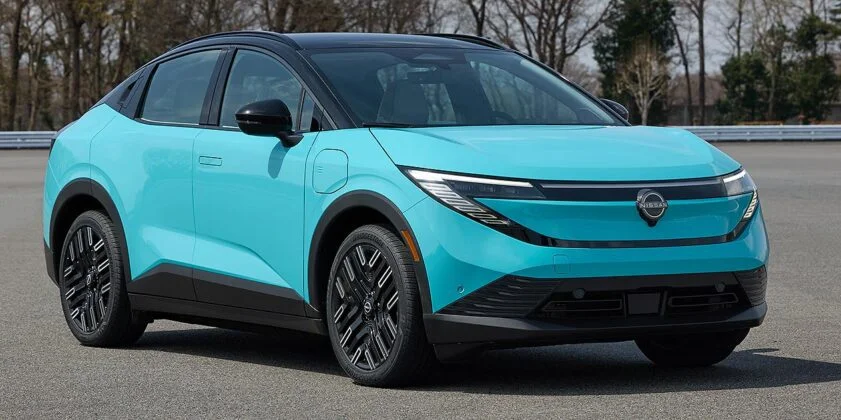
The Leaf remains the cheapest realistic entry point into EV ownership, and later 62 kWh “Plus” trims stretch usable range well beyond the earlier 40 kWh cars.
- Typical price range: $9,000–$16,000 (40 kWh); higher for 62 kWh Plus trims
- Range when new: 149 miles (40 kWh) to 212 miles (62 kWh Plus)
- Battery: Air-cooled (no active thermal management)
- Buyer note: Air cooling means Leafs from hot climates can show heavier degradation. Prioritize cars with documented moderate-climate history and a recent SoH check.
- Best for: Short-commute, budget-first buyers who don’t need highway road-trip range.
3. Hyundai Kona Electric — Efficiency Leader
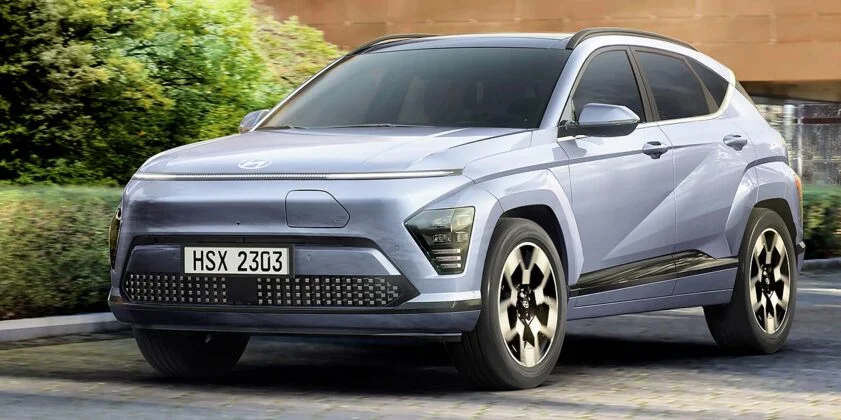
The Kona Electric pairs crossover practicality with genuinely road-trip-capable range for this price tier, making it one of the more versatile picks under $20,000.
- Typical price range: $12,000–$20,000, sliding under $20K slightly later than the Bolt or Leaf
- Range when new: Up to 258 miles
- Charging: DC fast charging via CCS standard
- Best for: Buyers who want an SUV body style without giving up range.
4. Kia Niro EV — Best Balance for Families
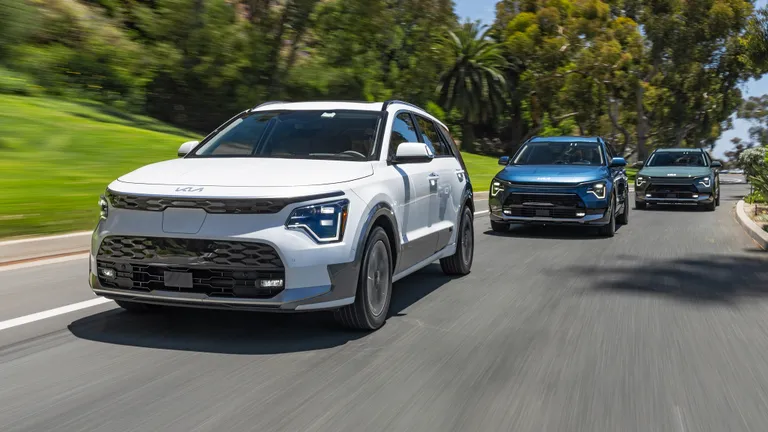
Sharing its powertrain with the Kona Electric, the Niro EV adds more cargo-friendly packaging and a notably longer battery warranty on later model years, which matters when shopping used.
- Typical price range: $12,000–$20,000 (up to ~$25,000 for the lowest-mileage examples)
- Range when new: Up to 239 miles
- Battery warranty (later years): Up to 10 years / 100,000 miles on some model years — worth confirming remaining coverage on any specific VIN
- Best for: Small families or buyers prioritizing cargo space and warranty coverage.
5. Tesla Model 3 (Early / High-Mileage) — Best for Road Trips
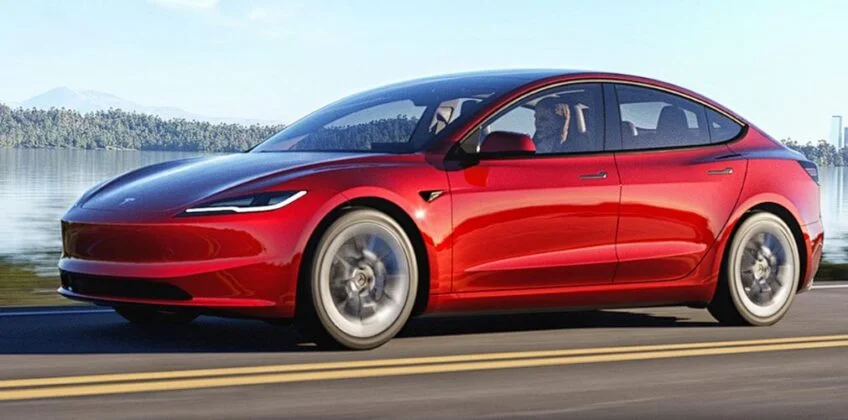
By early 2026, higher-mileage early Model 3s — particularly older rear-wheel-drive base trims — are increasingly dipping under the $20,000 line. Condition and mileage matter more here than with any other car on this list.
- Typical price range: $18,000–$20,000+ for the highest-mileage RWD examples
- Range when new: Varies by trim and year; buy the best-condition example you can find
- Charging: Native Supercharger network access — a meaningful convenience advantage
- Buyer note: At this price point you’re shopping the highest-mileage, earliest cars in the Model 3 lineup. Battery and software history matter more than usual — verify both.
- Best for: Buyers who want Supercharger access and don’t mind hunting for the right mileage/condition combination.
Comparison Table: 5 Used EVs Under $20,000
| Model | Typical Price | Range When New | Battery Cooling | Best For |
|---|---|---|---|---|
| Chevrolet Bolt EV | $12,000–$19,000 | Up to 259 mi | Liquid-cooled | Best overall value |
| Nissan Leaf | $9,000–$16,000 | 149–212 mi | Air-cooled | Budget commuting |
| Hyundai Kona Electric | $12,000–$20,000 | Up to 258 mi | Liquid-cooled | Efficiency + crossover body |
| Kia Niro EV | $12,000–$20,000 | Up to 239 mi | Liquid-cooled | Families, warranty coverage |
| Tesla Model 3 (early/high-mile) | $18,000–$20,000+ | Trim-dependent | Liquid-cooled | Road trips, Supercharger access |
Pricing reflects approximate 2026 U.S. used-market figures and varies by region, mileage, and condition. Always confirm local listings and request a battery State-of-Health report before purchase.
What to Check Before You Buy Any Used EV Under $20,000
- Battery State-of-Health (SoH) report — the single most important number on any used EV purchase.
- Remaining battery warranty coverage — most manufacturers back packs for 8–10 years / 100,000–150,000 miles; check what’s left on the specific VIN.
- Recall history — especially the Bolt’s battery recall; confirm any required pack replacement was completed.
- Climate history — cars from consistently hot regions, especially air-cooled models like the Leaf, are more prone to degradation.
- Charging compatibility — confirm the car’s connector type matches chargers available in your area.
Bottom Line
For most buyers, the Chevrolet Bolt EV is the smartest used EV under $20,000 — it delivers the best range-per-dollar and the lowest degradation risk thanks to its liquid-cooled pack. If you need more cargo space or a longer battery warranty, the Kia Niro EV and Hyundai Kona Electric are close runners-up, while the Nissan Leaf remains the cheapest entry point for short-commute buyers. Whichever model you choose, treat the battery health report as non-negotiable — it matters more than the price tag on the window.