- Electric Vehicles
- KIA
- Kia EV2
Kia EV2
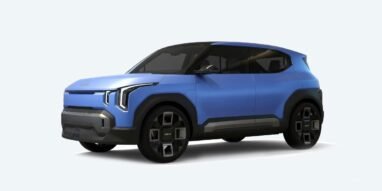
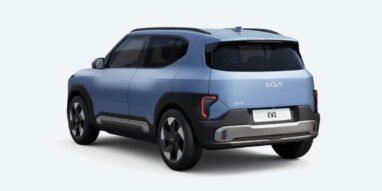
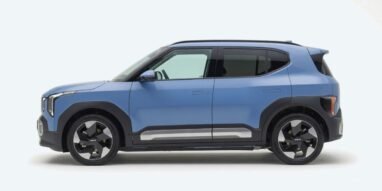
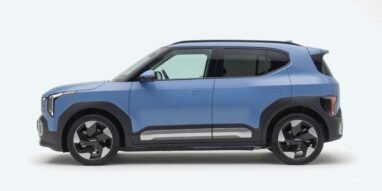
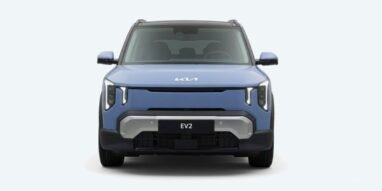
- Drive Type: FWD
- Body Type: 5-door crossover/SUV
- Self Driving: Level 2
- Airbags: 6 Airbags
PROS
- Long Range version's 281-mile WLTP figure undercuts most rivals at a similar price point
- 61kWh battery on 400V architecture supports a 30-minute 10–80% DC fast-charge
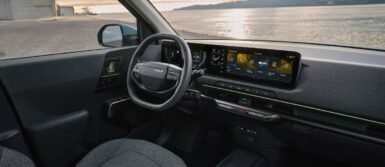
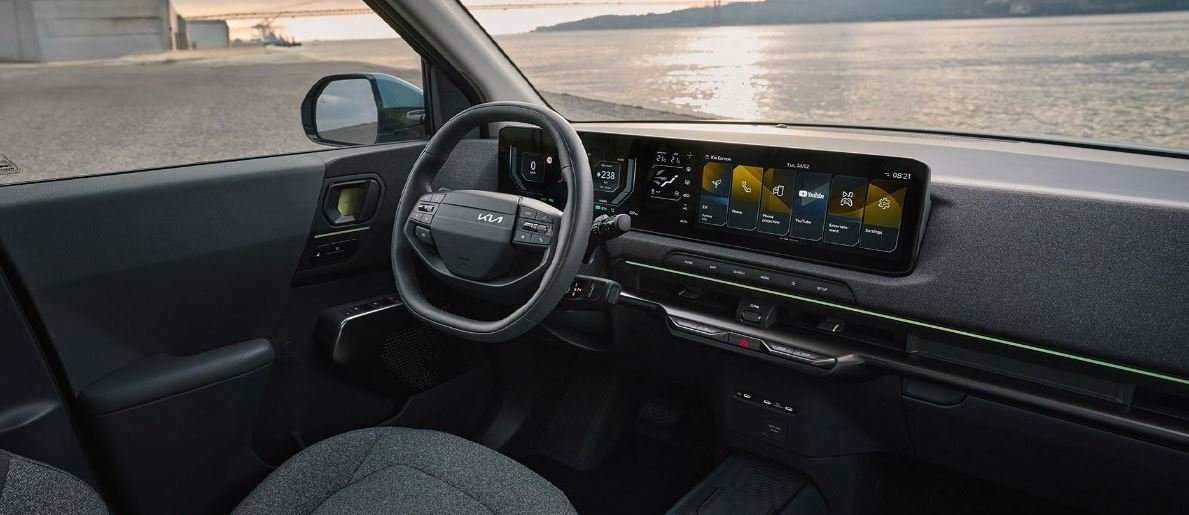
- Triple-screen ccNC interior, V2L capability, and a frunk at entry-level pricing
CONS
- Standard Range's 42.2kWh battery and 11kW-only AC charging limit it for buyers without fast home charging access
- Not currently sold in Nigeria, Kenya, or South Africa — African buyers face grey-market import markup with no official local pricing or warranty support
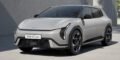
The Kia EV2 is Kia’s entry-level electric model, sitting at the bottom of the brand’s EV range below the EV3. It’s a B-segment electric crossover/SUV with a single front-mounted motor (FWD only — no AWD variant offered). Built in Slovakia on Kia’s E-GMP 400V platform, the EV2 is notable as Kia’s most affordable EV to date and its second model assembled at the Žilina plant, positioning it as a direct entry into Europe’s increasingly crowded electric B-segment.
Powertrain & Charging
Two battery options are offered. The Standard Range uses a 42.2kWh pack rated at up to 197 miles (317km) WLTP, while the Long Range uses a 61kWh pack rated at up to 281 miles (452km) WLTP. Power comes from a single 145hp motor on the Standard Range; the Long Range is slightly less powerful due to added weight. AC onboard charging is rated at 11kW in UK-spec cars, though some markets reportedly support 22kW AC — unconfirmed for which regions at the time of writing. On DC, peak charging is around 118kW, with both battery sizes completing a 10–80% top-up in roughly 29–30 minutes. Euro NCAP has not yet crash-tested the EV2, so safety ratings remain unconfirmed.
Pricing, Fit & Context
UK launch pricing runs from £24,245 (Air Long Range, including an anticipated EV grant discount) to £32,595 (GT-Line S) — roughly ₦43.8 million to ₦58.9 million at current exchange rates. European pricing starts from €26,600. The EV2 is not officially sold in Nigeria, Kenya, or South Africa; African buyers would need to access it through grey-market import channels, which typically add significant landed cost on top of UK/EU sticker prices — no confirmed African distribution or pricing exists at this time.
This car realistically suits urban commuters and small families prioritizing low running costs and compact practicality over performance or long-distance range.
Within Kia’s own range, the EV2 sits below the EV3 and well below the larger EV6, positioning it as the brand’s budget entry point into electric mobility. Externally, it competes most directly with the Renault 5 E-Tech and Volkswagen ID Polo, both targeting the same price-conscious B-segment buyer. For SEO comparison purposes, the closest spec-and-price match is the Renault 5 E-Tech — both are compact, affordably priced, and aimed at first-time EV buyers in the European market.
Kia EV2 Photos
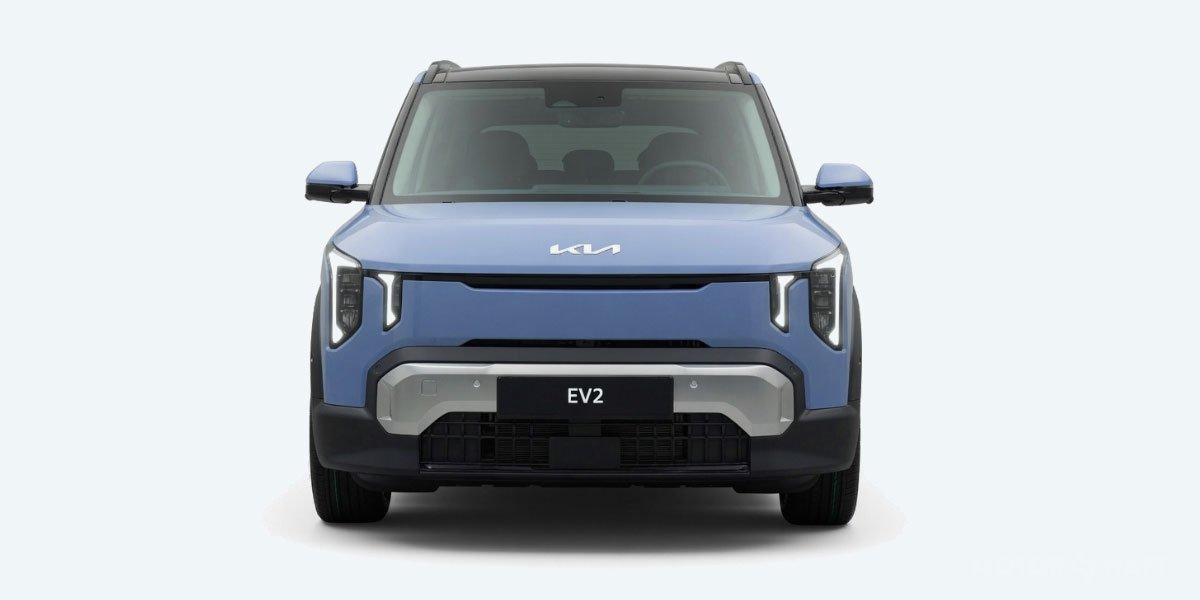
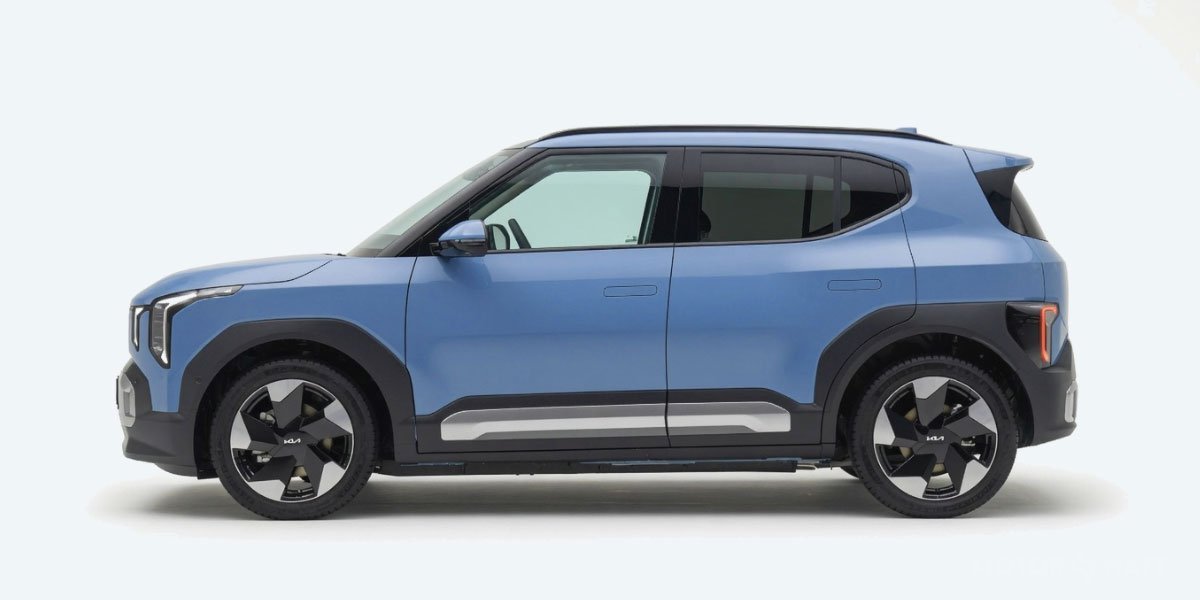
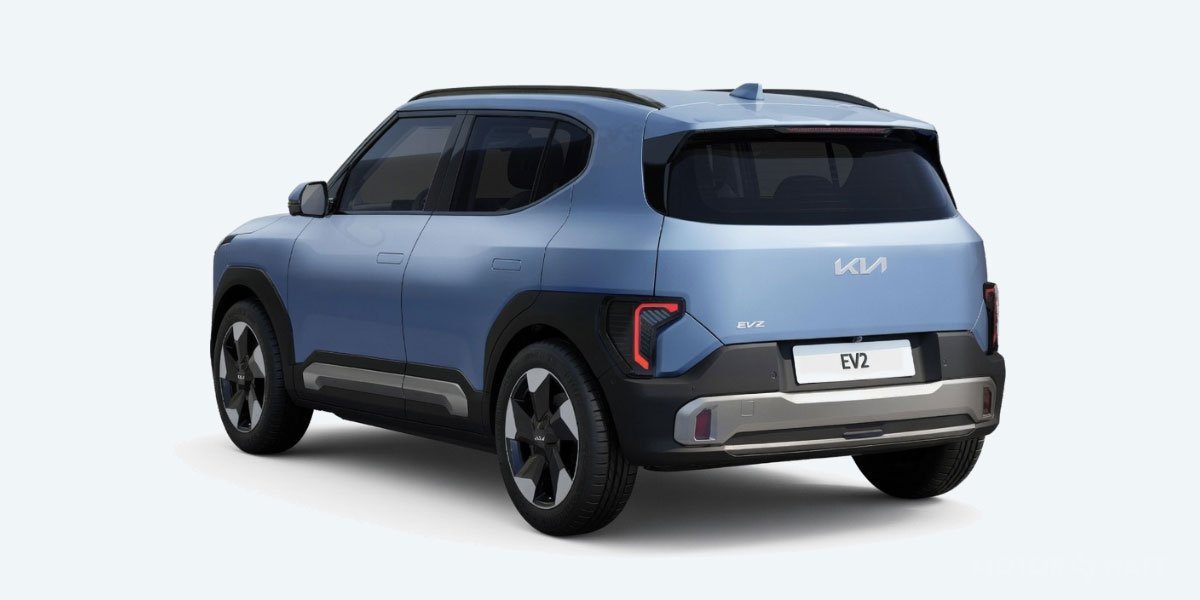
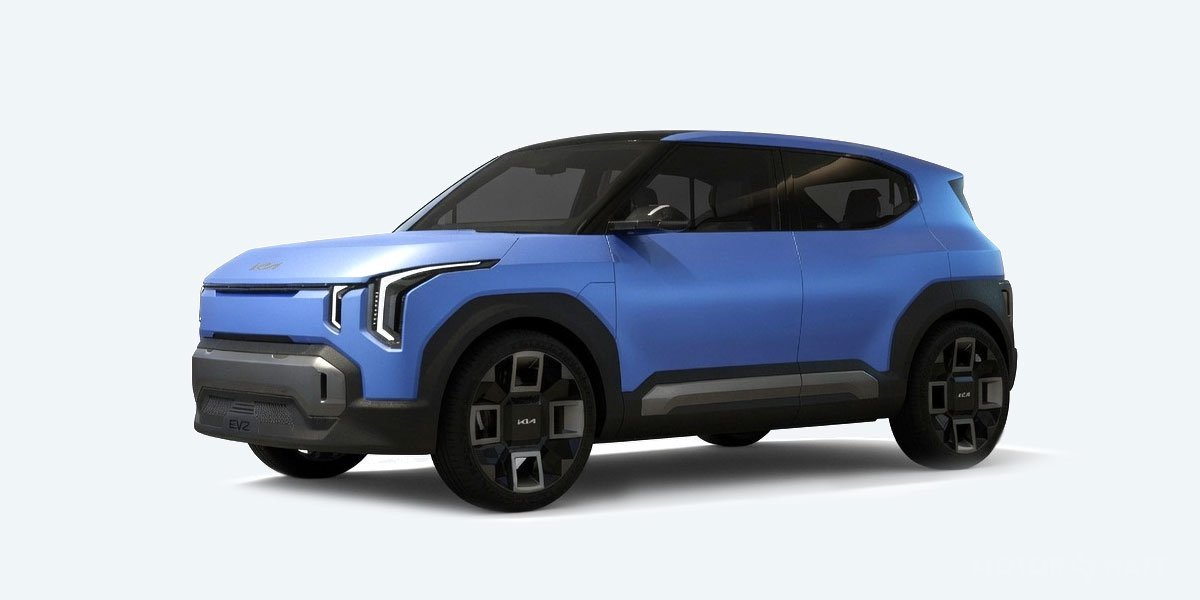
Full Electric Vehicle Specifications
MODEL
| Full Model Name | Kia EV2 |
| Generation | 1st generation (new nameplate) |
| Segment / Class | B-segment electric crossover/SUV |
| Available Trims / Variants | Air, First Edition, GT-Line, GT-Line S |
| Powertrain Options | Standard Range (42.2kWh FWD) / Long Range (61kWh FWD) — single motor only, no AWD |
| Special Editions | First Edition (launch model, Standard Range battery only, 18" wheels, privacy glass, Harman Kardon audio) |
| Additional Notes | Sits below the EV3 as Kia's entry-level EV; shares E-GMP 400V architecture with rest of Kia's EV range |
LAUNCH
| Reveal Date | Concept shown April 2025; production version revealed ~March 2026 |
| Launch Year | 2026 |
| Availability Status | In production; Standard Range deliveries from May 2026, Long Range from summer 2026 |
| Brand / Manufacturer | Kia |
| Country of origin | South Korea |
| Assembly Country | Slovakia (Žilina plant) |
| Markets Available | UK, EU at launch not confirmed for US, Nigeria, Kenya, or South Africa |
| Grey Market Import | Yes — only route into African markets currently; no official distribution confirmed |
| Base Price (USD) | ~$30,500 (EU, €26,600) / ~$31,900 (UK, £24,245 with grant) — both estimates, exchange-rate dependent |
| Additional Notes | UK pricing reflects an anticipated EV grant discount; |
BATTERY
| Battery Capacity | 42.2kWh (Standard Range) / 61.0kWh gross, 61.1kWh usable (Long Range) |
| Battery Chemistry | industry pattern suggests LFP (Standard, China-sourced) / NCM (Long Range, Hungary-sourced) |
| Battery Architecture | 400V system (358V nominal on Standard Range, 297V on Long Range) |
| Range (WLTP/CLTC/EPA) | (WLTP): 197 miles / 317km (Standard) / 281 miles / 452km (Long Range) |
| Energy Consumption | ~4.0–4.1 mi/kWh |
| Regen Braking (Max kW) | 4 adjustable levels, Hold/Creep one-pedal modes |
| Heat Pump | |
| AC Charging (Max kW) | 11kW standard; 22kW optional |
| DC Charging (Max kW) | ~118kW peak (Standard Range); |
| Charging Time (10–80%) | 29 min (Standard) / 30 min (Long Range) |
| Battery Warranty | 7-year/150,000km |
| Additional Notes | Battery weight: 324.6kg (Standard) / 325kg (Long Range) |
PERFORMANCE
| Motor Type | Permanent Magnet Synchronous Motor (PMSM) |
| Motor Configuration | Single front motor, FWD only |
| Front Motor Output (kW / HP) | 108kW / 145–147hp (both variants) |
| Rear Motor Output (kW / HP) | N/A (no rear motor) |
| Power Output (kW / hp) | 108kW / 145–147hp (both variants) |
| Peak Power (kW / hp) | 108kW / ~146hp |
| Torque (Nm) | 250Nm (both variants) |
| 0–100 km/h / 0-60 mph (seconds) The acceleration numbers are an easy way to compare car performance. We list either time from 0 to 100 km/h or time from 0 to 60mph, depending on which number(s) the manufacturers provide. The lower the acceleration time, the higher performance the car is. | 8.5–8.7s (Standard) / 9.5s (Long Range) |
| Top Speed (km/h / mph) | 161km/h / 100mph (both) |
| Transmission / Drive | 1-speed automatic, FWD |
| Rear-Wheel Steering | N/A |
| Drive Mode | Eco, Normal, Sport, Individual, Snow |
| Launch Control | N/A |
| Additional Notes | Not a performance-oriented EV — tuned for ride comfort over agility |
BODY
| Body Style | 5-door crossover/SUV (4-seat sliding-rear-seat option in some EU markets, not UK) |
| Platform / Architecture | E-GMP (400V) |
| Dimensions (L×W×H mm) | 4,060 × 1,800 × 1,575mm |
| Wheelbase (mm) | 2,565mm |
| Kerb Weight (kg) | 1,545–1,650kg (Standard) / 1,625kg base (Long Range) |
| Max Laden Weight (kg) | 2,050kg (Long Range) |
| Suspension (Front / Rear) | MacPherson Strut (front) / Multi-Link or Torsion Beam (rear) |
| Wheel Size (inches) | 16" (Air), 18" (First Edition), 19" (GT-Line/GT-Line S) |
| Tyre Size | 205/65R16, 215/50R18, 225/45R19 |
| Brakes (Front / Rear) | Cast-iron discs, front and rear |
| Trunk/Boot Capacity (L) | 362L, expandable to ~403L with rear seats folded |
| Frunk/Bonnet Capacity (L) | 15L |
| Roof Load (kg) | 75kg |
| Payload Capacity (kg) | 425kg (Long Range) |
| Sunroof | Fixed glass sunroof, GT-Line S only |
| Additional Notes | Segment-leading rear legroom claimed at 958mm |
SAFETY
| Airbags (count) | 6 (standard across all trims) |
| Anti-lock Braking System (ABS) | Standard across all trims |
| Electronic Brakeforce Distribution (EBD) | Standard across all trims |
| Electronic Stability Control (ESC) | Standard across all trims |
| Traction Control System (TCS) | Standard across all trims |
| Tyre Pressure Monitoring (TPMS) | Standard |
| 360° Camera / Surround View | GT-Line S only |
| Reversing Camera | Standard, all trims |
| ADAS Features | Forward Collision-Avoidance Assist 2.0 (city/pedestrian/cyclist/junction), adaptive cruise control, lane keep/follow assist, blind spot monitoring, blind-spot view monitor (GT-Line+), safe exit alert, driver attention monitoring, parking sensors front/rear |
| Autonomous Driving Level | N/A (Level 2 ADAS only) |
| Over-the-Air (OTA) Safety Updates | Yes |
COMFORT
| Seating Capacity | 5 (4-seat option in select EU markets) |
| Seat Material | Cloth (Air); two-tone leatherette (GT-Line+) |
| Power Seats | Driver's seat powered, GT-Line and above |
| Seat Heating | Standard, all trims (front seats + heated steering wheel) |
| Seat Ventilation | GT-Line S only |
| Massage Function | N/A |
| Climate Control | Standard |
| Wireless Charging | GT-Line and above |
| Additional Notes | Acoustic shielding under frunk/motor on all trims; thicker glass and acoustic tyres on higher trims for noise reduction |
DISPLAYS
| Centre Screen (inches) | 12.3" |
| Driver's Display (inches) | 12.3" |
| Operating System | Kia ccNC |
| Mirror Link / Apple CarPlay / Android Auto | Wireless, standard |
| Voice Control | Yes — AI Personal Assistant with natural-language understanding (free for 1 year, subscription after) |
| Additional Notes | Climate Display: 5.3" (third screen) |
LIGHTING
| Headlight Type (LED/Matrix/Laser) | LED; adaptive LED on First Edition and above |
| Daytime Running Lights (DRL) | Vertical LED "Star Map" design |
| Welcome Lighting | Puddle lamps projecting Kia logo, higher trims |
| Tail Light Design | Low-positioned horizontal LEDs |
| Interior Ambient Lighting | Yes |
INFOTAINMENT & AUDIO
| Sound System Brand | Harman Kardon (First Edition, GT-Line S) |
| Speaker Count | 6-speaker standard system (Air) |
| Navigation System | Integrated, with EV route planning |
| USB Ports (count/type) | 4 |
| Additional Notes | Plug & Charge support for public DC charging |
TECHNOLOGY
| Keyless Entry / Start | Standard |
| Vehicle-to-Load (V2L) | Yes, 3.6kW output, GT-Line S standard |
| Vehicle-to-Grid (V2G) | N/A |
| Remote Parking | GT-Line S (smart parking assist) |
| Digital Key | GT-Line S |
| AI Assistant | Yes (Kia AI Personal Assistant) |
OWNERSHIP
| Service Interval | UK/EU Kia dealers |
| Grey Market Support | No factory backing for non-launch markets |
Note
| Data Source | Kia UK official spec sheet, Autocar, What Car?, Honest John, RAC, Carwow, EVKX, EV Database, Wikipedia, Motorpoint, conceptcarz.com |
| Last Updated | June 2026 |
| Editor's Note | Several figures (ground clearance, drag coefficient, cell chemistry/brand, rear suspension type, exact DC peak on Long Range) remain unconfirmed or conflict across outlets — flag accordingly until Kia publishes a definitive global spec sheet. No African pricing or distribution timeline exists at this time. |
Disclaimer Note
Specifications sourced from manufacturer data and may reflect WLTP, CLTC, or EPA test conditions. Import prices in your local are estimates based on grey-market landing costs and exclude duties, clearing fees, and local taxes. Figures are subject to change without notice. Always verify with your local importer before purchase. We can not guarantee that the information on this page is 100% correct
More KIA Electric Vehicles

Top EV