- Home
- Electric Vehicles
- FORD
- Ford Puma Gen-E
Ford Puma Gen-E
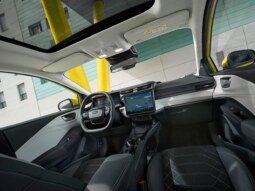
- Drive Type: FWD
- Type: 5 door crossover, 5 seats
- Self Driving: No
- Airbags: Yes
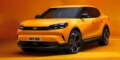
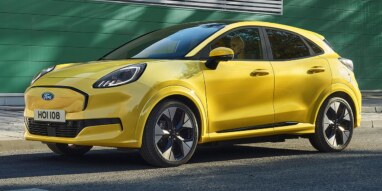
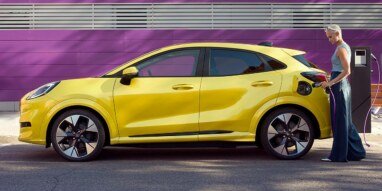
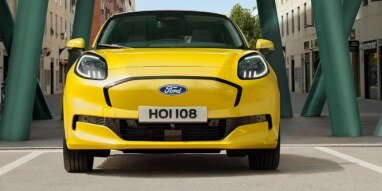
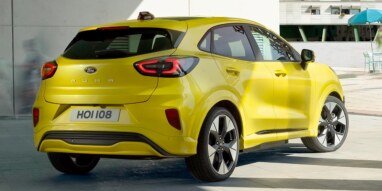
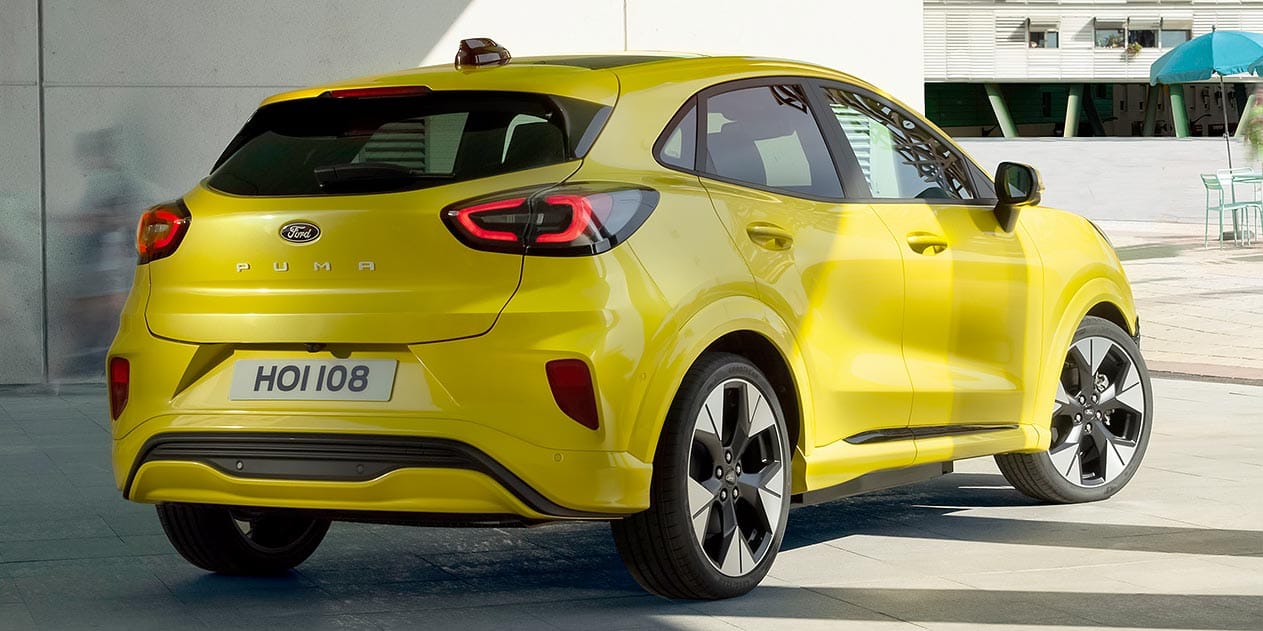
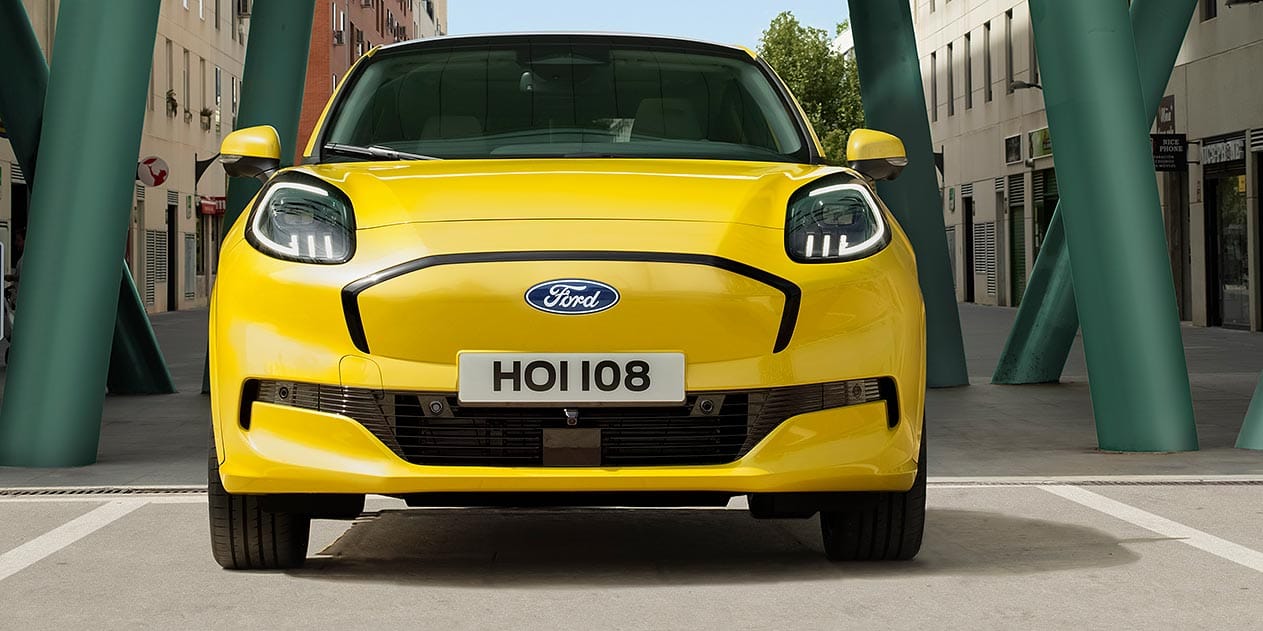
The Ford Puma Gen-E is Ford’s first fully electric version of its best-selling car in Europe. It’s a five-door, front-wheel-drive compact crossover — same B-SUV footprint as the petrol Puma — built at Ford Otosan’s Craiova plant in Romania, with the electric drive units coming from Ford’s Halewood facility in the UK. There’s one motor, one battery size, and one drivetrain option across all trims. No AWD variant exists at launch.
What Motor and Battery Does the Ford Puma Gen-E Have?
The Gen-E runs a 165 bhp (123 kW) front-mounted motor producing 290 Nm of torque. Ford rates the 0–100 km/h sprint at 8.0 seconds, which is quicker than the Peugeot e-2008 and the Jeep Avenger Electric, and roughly on par with the Kia EV3 Standard Range.
Battery capacity is 46 kWh. Ford hasn’t published a confirmed usable figure — third-party databases suggest around 43–44 kWh net, but treat that as unverified. Efficiency comes in at 13.1 kWh/100 km by Ford’s figure, which is genuinely strong for this class. The Skoda Elroq and Jeep Avenger both carry larger batteries yet land in the same WLTP range bracket, which tells you something about how efficiently the Puma uses what it has.
Ford Puma Gen-E Range and Charging
Ford quotes up to 376 km WLTP for the 2025 model. City-cycle WLTP sits at 523 km, though that figure is academic for most buyers. Real-world range in mild weather comes in closer to 300–320 km, based on press drive data; expect 240–260 km in cold conditions, and note there’s no heat pump on the 2025 car.
DC fast charging peaks at 100 kW, and a 10–80% charge takes approximately 23 minutes — a figure consistent with rivals. AC onboard charging capacity hasn’t been officially confirmed by Ford in published spec sheets; 11 kW is commonly referenced in third-party sources but should be treated as unconfirmed until Ford releases a complete technical document.
The 2026 model year brings a revised battery with an official WLTP range of over 400 km. Those figures come from Ford’s own November 2025 announcement and have not been independently tested at the time of writing.
Ford Puma Gen-E Price and Who It’s Actually For
UK pricing starts at £29,995 for the base Select trim and £31,995 for the Premium. The Gen-E qualifies for the UK government’s £3,750 Electric Car Grant, which pulls the effective entry price below £25,000 — the lowest effective cost of any car eligible for the full grant at launch. In continental Europe, pricing opens at around €36,900.
This is a car for city and suburban buyers who charge at home or at work. The 23-minute DC charge time handles the occasional long run, but without a heat pump and with a 46 kWh pack, it’s not a road trip machine in the way the Mustang Mach-E is. Within Ford’s EV lineup, it slots beneath the Mach-E and above the E-Tourneo Courier — a van-based product in a different segment entirely.
External competition is serious. The Kia EV3 Standard Range is the closest like-for-like match: similar price, similar WLTP range, similar segment, 100 kW DC charging. The EV3 edges ahead on interior quality and warranty length; the Puma fights back on driving dynamics and — post-grant — on price. The Renault 4 E-Tech and Jeep Avenger Electric round out the competitive set, with the Avenger losing ground on real-world efficiency and the Renault 4 carrying a marginally larger battery at a similar price point.
If the petrol Puma is already on your shortlist, the Gen-E is a natural step. If you’re coming in cold comparing specs, the Kia EV3 and Renault 4 will test it hard.
Ford Puma Gen-E Images
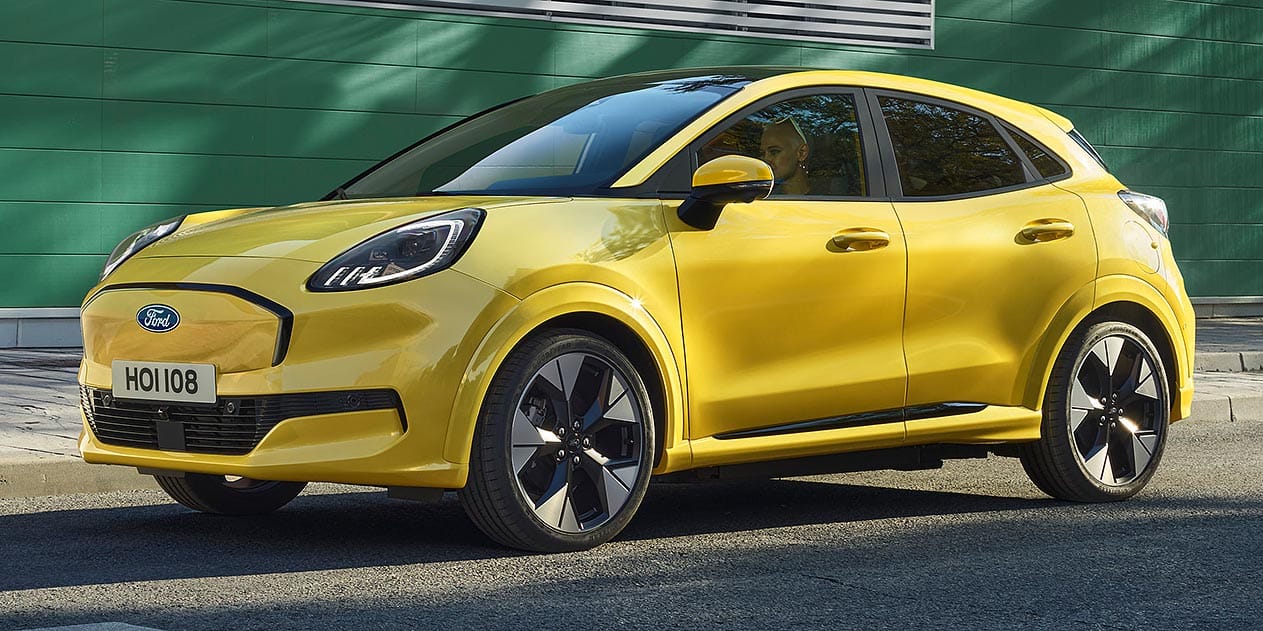
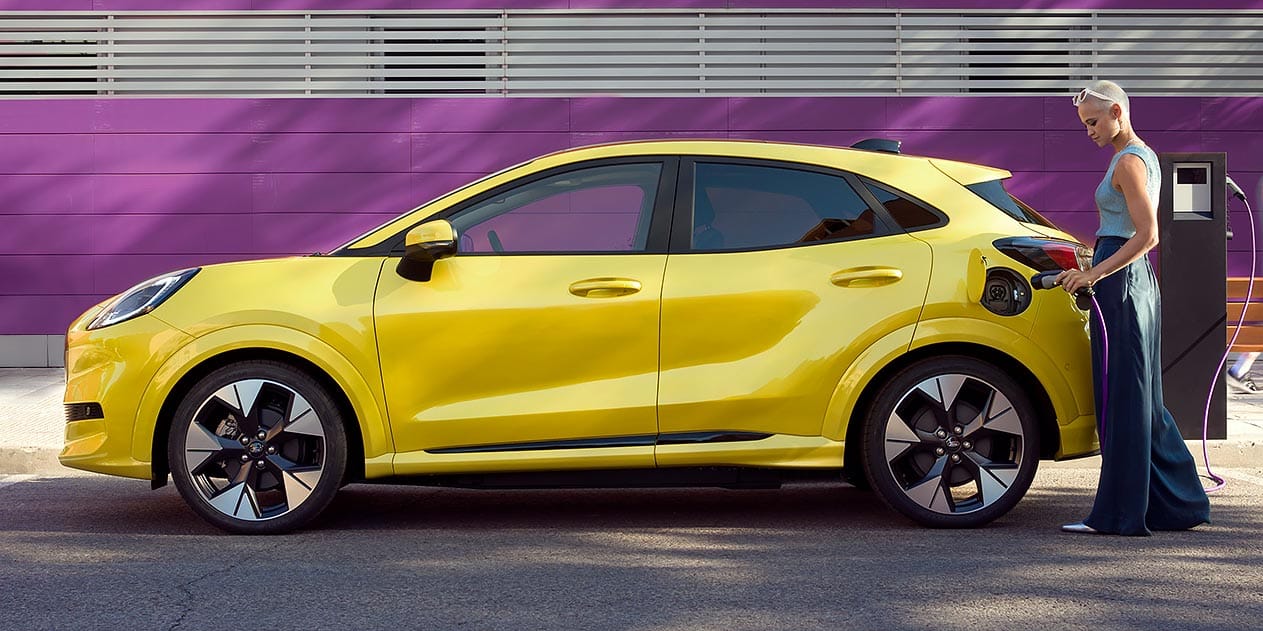
Full Electric Vehicle Specifications
MODEL
PRICE & AVAILABILITY
| Base Price (USD) | £ 30,000 |
| Availability Status | Available to order. Released 2024, December 03 |
BATTERY & CHARGING
| Battery Capacity | 43 kWh usable |
| Range (WLTP/CLTC/EPA) | 234 mi WLTP |
| DC Charging (Max kW) | CCS, 100 kW max, 10-80% in 23 min |
| AC Charging (Max kW) | Type 2 |
| Energy Consumption | 211 Wh/mi WLTP |
PERFORMANCE
| Power Output (kW / hp) | FWD 168 hp (124 kW) |
| 0–100 km/h / 0-60 mph (seconds) The acceleration numbers are an easy way to compare car performance. We list either time from 0 to 100 km/h or time from 0 to 60mph, depending on which number(s) the manufacturers provide. The lower the acceleration time, the higher performance the car is. | 8 sec 0-62 mph |
| Torque (Nm) | 214 lb-ft (290 Nm) |
| Top Speed (km/h / mph) | 99 mph (160 km/h) |
BODY & DIMENSIONS
| Dimensions (L×W×H mm) | 165.9 x 71.1 x 61.2 in (4214 x 1805 x 1555 mm) |
| Trunk/Boot Capacity (L) | EU: 20.3 ft³, 45.3 ft³ max |
| Body Style | 5 door crossover, 5 seats |
| Kerb Weight (kg) | EU: 3446 lb unladen, 4442 lb gross |
| Ground Clearance (mm) | 5.1 in (129 mm) |
| Frunk/Bonnet Capacity (L) | 1.5 ft³ |
SAFETY & DRIVER ASSISTANCE
COMFORT & SEATING
| Seating Capacity | Heated front seats |
DISPLAYS & CONNECTIVITY
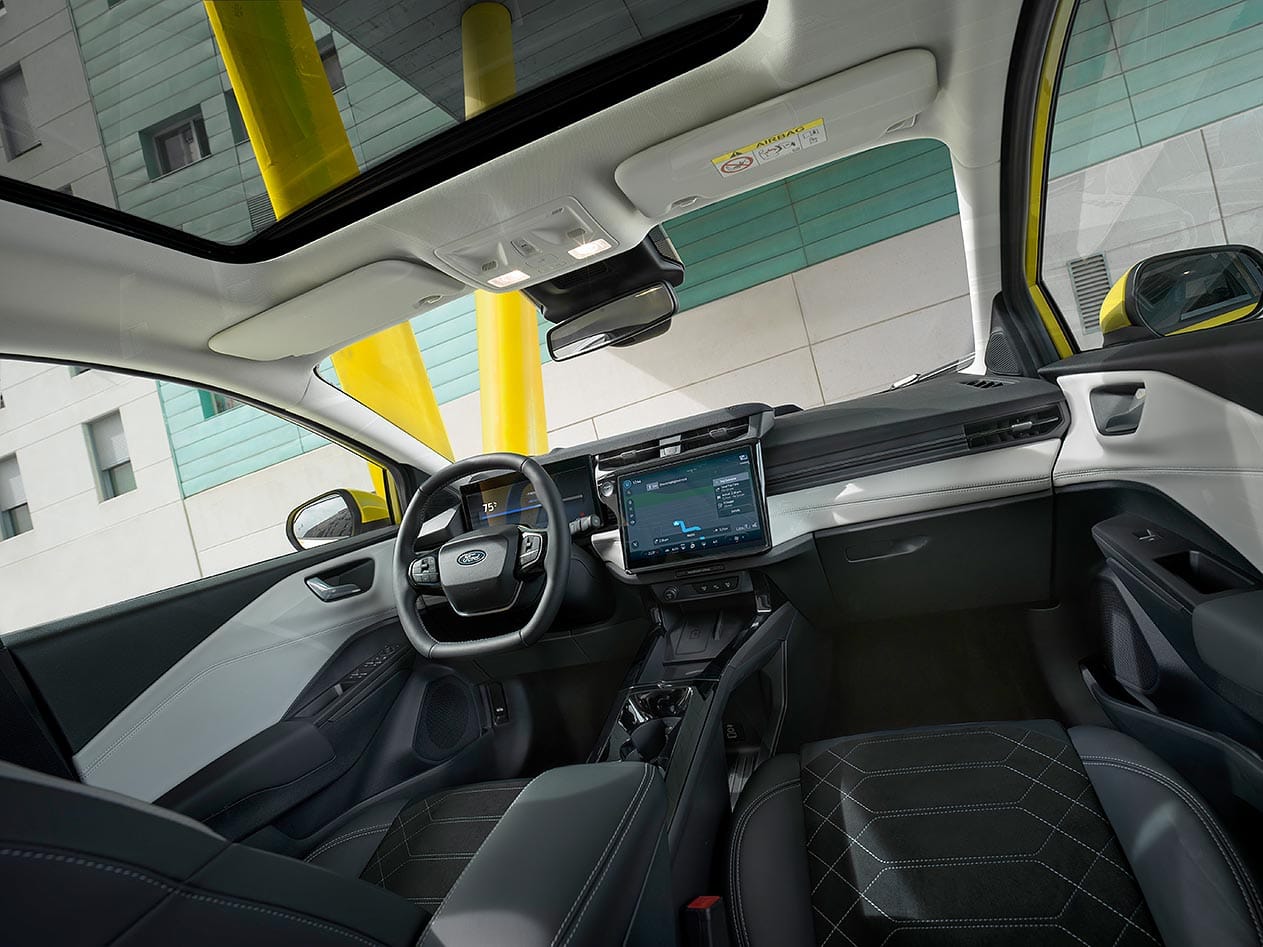
| Centre Screen (inches) | 12" movable touchscreen |
| Driver's Display (inches) | 12.8" |
| Head-Up Display (HUD) | No |
TECHNOLOGY
ADDITIONAL SPECS
Note
User Reviews
Disclaimer Note
Specifications sourced from manufacturer data and may reflect WLTP, CLTC, or EPA test conditions. Import prices in your local are estimates based on grey-market landing costs and exclude duties, clearing fees, and local taxes. Figures are subject to change without notice. Always verify with your local importer before purchase. We can not guarantee that the information on this page is 100% correct