If you want to buy your first electric car in Nigeria and your budget is under ₦20 million, five models keep coming up: the Nissan Leaf, BYD e6, Tesla Model 3, Hyundai Ioniq 5, and BYD Atto 3. The Nissan Leaf is the easiest entry point. The BYD e6 is the most practical for Lagos traffic. The Tesla Model 3 is the one to get if range is your main worry. Below is a full breakdown of each — what they cost, what to watch out for, and which one actually makes sense for your situation.
Quick Summary
| What You Need to Know | |
|---|---|
| Cheapest option | Nissan Leaf (from ~₦6.5m used) |
| Best range for long trips | Tesla Model 3 (up to 570 km WLTP) |
| Most practical for Lagos/Abuja | BYD e6 (large cabin, DC fast charging) |
| Best charging flexibility | Hyundai Ioniq 5 (800V, AC + DC) |
| Best Chinese brand value | BYD Atto 3 (newer tech, growing parts access) |
Key facts before you read further:
- All five are available as grey-market imports through Lagos, Apapa, and Abuja dealers
- DC fast charging in Nigeria is still limited — Abuja and Lagos have the most public chargers
- Battery state-of-health (SoH) is the single most important check on any used EV you inspect
- NEMSA certification is required for road-legal EV registration in Nigeria
The State of the Used EV Market in Nigeria Right Now
More Nigerians bought electric cars in 2025 than in any previous year. Lagos and Abuja are leading demand, with Port Harcourt and Enugu following. But the used EV market here is still largely unregulated grey-import territory — vehicles come in through Benin Republic, Apapa, and Tin Can Island ports, most without original service records.
That creates both opportunity and risk. You can get a 2020 Nissan Leaf for a fraction of what it costs in the UK or Japan. You can also end up with a battery at 60% capacity that nobody disclosed. This guide focuses on models where the risk is manageable — either because parts are accessible, the battery degrades slowly, or Nigerian mechanics are already familiar with them.
Pricing below reflects what these models actually cost on Nigerian used-car platforms (Cars45, AutoChek, Jiji) and grey-market dealers as of mid-2026. Import duties, port charges, and dealer margins are baked in.
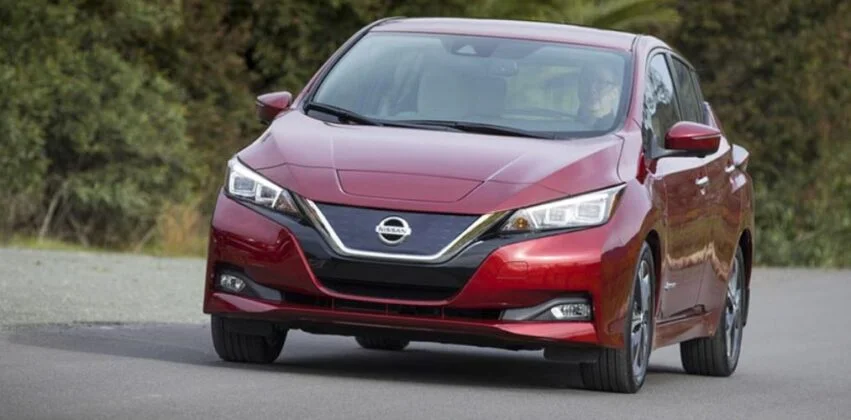
1. Nissan Leaf — The Safe First Step
Price range: ₦6.5 million – ₦11 million (2017–2020 models)
The Leaf has been selling in West Africa since around 2019, mostly through Cotonou re-export channels. That means more familiarity than any other EV on this list — some Lagos mechanics have seen it enough times to service basic electrical systems and replace 12V batteries without blinking.
Specs (2018–2020 40 kWh version)
| Spec | Detail |
|---|---|
| Battery capacity | 40 kWh |
| Claimed range | 270 km (WLTP) |
| Real-world range (Nigeria conditions) | 160–200 km |
| Charging (AC) | Up to 6.6 kW (Type 1 port) |
| DC fast charging | CHAdeMO (50 kW) |
| 0–100 km/h | 7.9 seconds |
| Seats | 5 |
The 40 kWh Leaf is fine for daily Lagos or Abuja commuting — under 50 km per day — with home charging overnight. The 62 kWh Leaf Plus is better on range but costs more and the battery is harder to source if it degrades.
What to watch: Nissan’s 40 kWh battery uses passive thermal management (no liquid cooling), so it degrades faster in hot climates. Buy the oldest one you can find in a cool region at your peril. Before purchase, check the battery capacity bars on the dashboard — a full-health 2018 model should show 12 bars. Anything under 10 bars means you’ve lost roughly 15–20% capacity already.
Who it’s for: Anyone who drives under 60 km per day, charges at home or their office, and wants the cheapest entry into EV ownership.
2. BYD e6 — The Workhorse
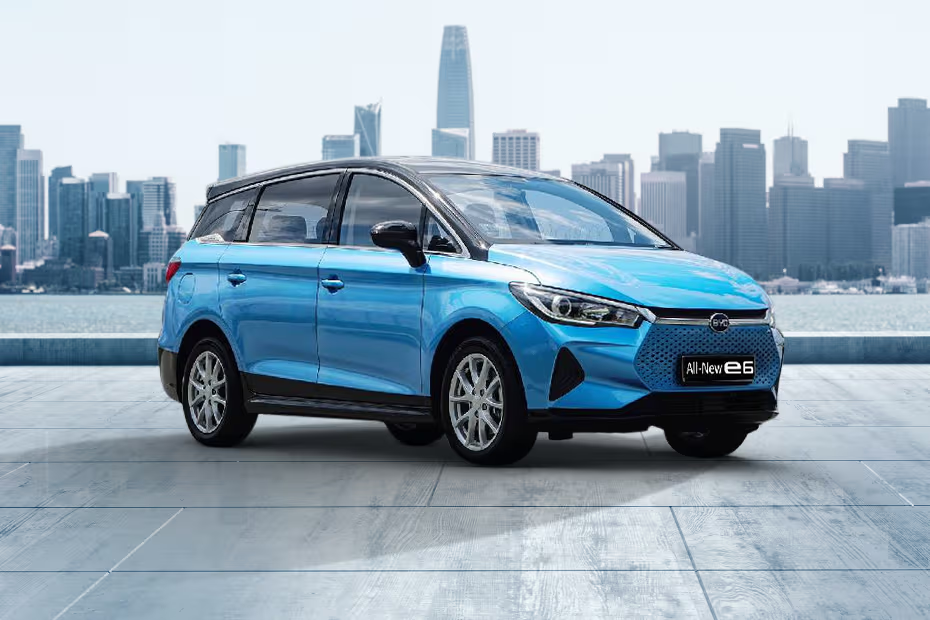
Price range: ₦9 million – ₦14 million (2020–2022 models)
The e6 is a larger MPV-style vehicle that BYD originally sold as a commercial taxi platform in China and the UK. It seats five adults comfortably with a boot large enough to fit a generator — which, if you live in Nigeria, you might actually appreciate as a future relic.
Specs (2021 e6)
| Spec | Detail |
|---|---|
| Battery capacity | 71.7 kWh |
| Claimed range | 400 km (NEDC); ~300 km real-world |
| Charging (AC) | 7 kW |
| DC fast charging | 60 kW CCS2 |
| 0–100 km/h | 10.9 seconds |
| Seats | 5 |
| Boot space | 588 litres |
BYD’s blade battery technology, which the e6 uses from the 2021 model year onwards, degrades less aggressively than conventional lithium-ion cells in heat. That matters in Nigeria. The battery has liquid thermal management, so sustained high temperatures in Lagos traffic are less of a long-term problem than they are on the Leaf.
What to watch: Older e6 models (pre-2020) used an earlier battery chemistry and a different charging port setup. Confirm the model year before paying. Some units arrive without CHAdeMO or CCS adapters — budget ₦150,000–₦250,000 for port adapters if needed.
Who it’s for: Families, business owners who need cargo space, and drivers who do 80–120 km per day and want confidence they will not get stranded.
3.— The Range Pick
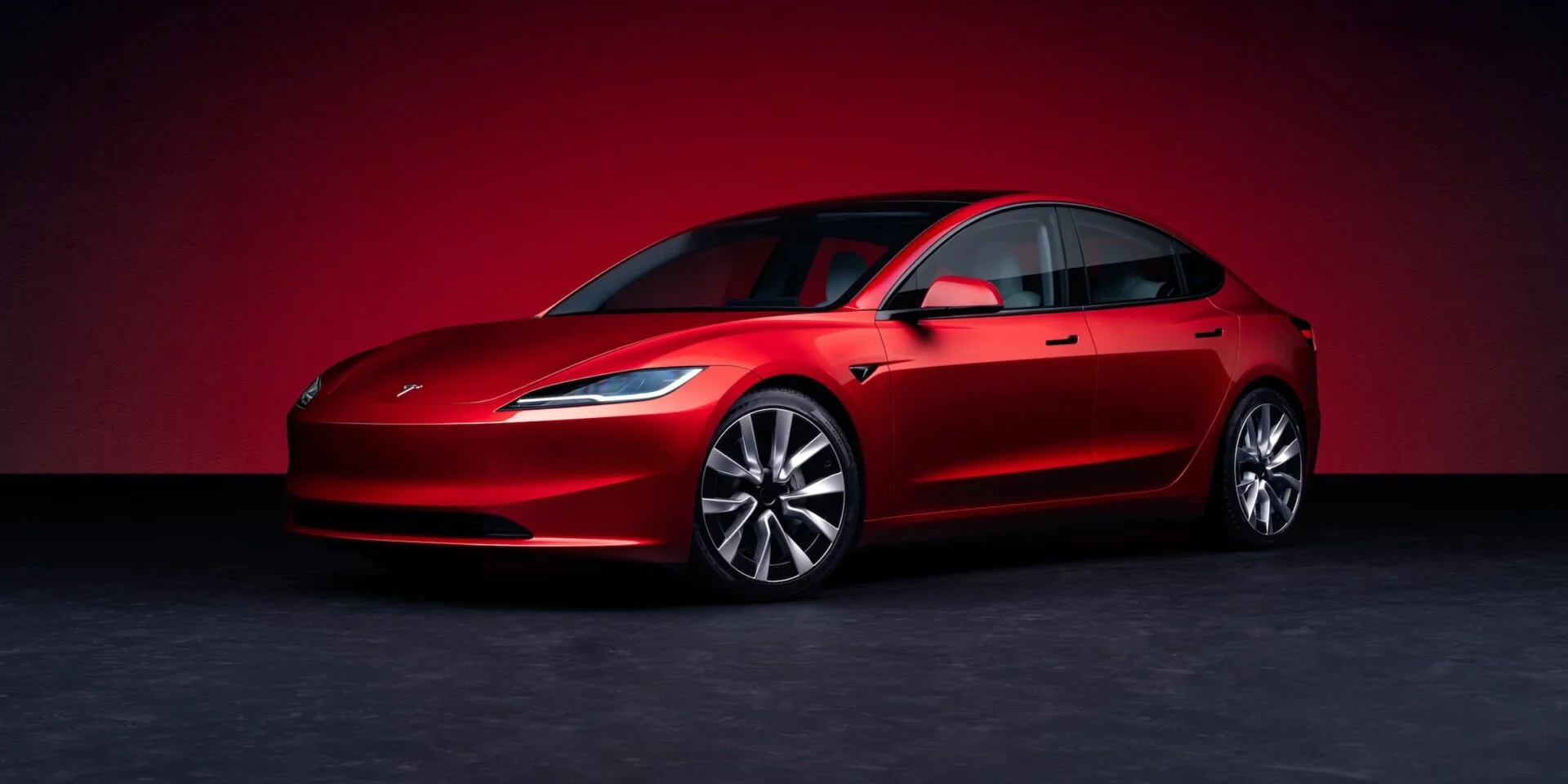
Price range: ₦15 million – ₦22 million (2019–2021 Standard Range Plus / Long Range)
Tesla’s Supercharger network does not exist in Nigeria yet, so the main reason to consider a Model 3 here is range — specifically, the peace of mind that comes from starting every day with enough charge to drive to Ibadan and back without a second thought.
Specs (2020 Standard Range Plus)
| Spec | Detail |
|---|---|
| Battery capacity | ~60 kWh (usable) |
| Claimed range | 448 km (WLTP) |
| Real-world range (Nigeria conditions) | 300–360 km |
| Charging (AC) | 11 kW (Type 2) |
| DC fast charging | 250 kW (CCS) |
| 0–100 km/h | 5.6 seconds |
| Seats | 5 |
The Model 3 charges faster on AC than any other car on this list. With an 11 kW home wallbox, you can recover 50 km of range in under an hour. Even on a standard 3-pin socket at 2.3 kW (the most common setup in Nigerian homes), a full charge from near-empty takes roughly 24–26 hours — which is fine if you top up every night, but stressful if you forget.
What to watch: Tesla’s Over-The-Air software updates occasionally lock or change features without notice. Some units imported through grey channels arrive with regional software that mismatches Nigerian road regulations. More importantly: the Model 3 uses a proprietary CCS-variant charging connector on older units — you need the right adapter for Nigeria’s limited CCS charging points. Spare parts are not locally stocked; any non-DIY repair requires importation, which pushes repair timelines to 3–6 weeks.
Who it’s for: High-income buyers who travel between cities regularly, already have a wallbox at home, and are comfortable with a vehicle that needs specialist maintenance.
4. Hyundai Ioniq 5 — The Future-Ready Option
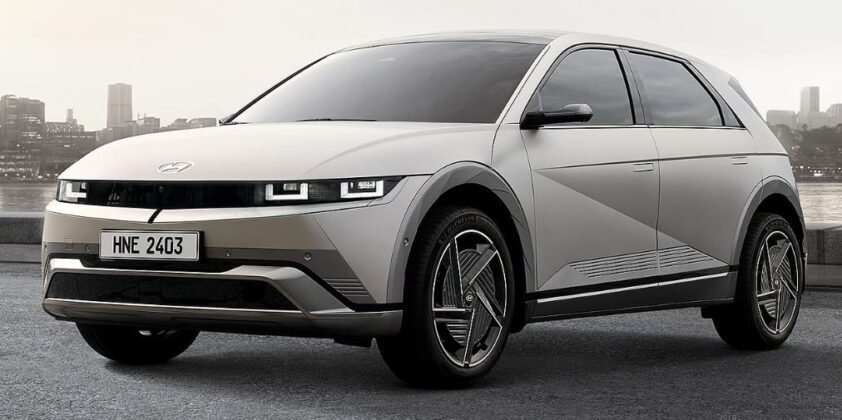
Price range: ₦18 million – ₦28 million (2022 models, Standard and Long Range)
The Ioniq 5 is newer, more expensive, and harder to find on the Nigerian grey-import market than the other cars on this list. But its 800V charging architecture means it can charge at up to 350 kW on compatible stations — if and when Nigeria gets them. Even on Nigeria’s current 50 kW DC chargers, it charges faster per unit of time than 400V vehicles.
Specs (2022 Ioniq 5 Standard Range 2WD)
| Spec | Detail |
|---|---|
| Battery capacity | 58 kWh |
| Claimed range | 384 km (WLTP) |
| Real-world range (Nigeria conditions) | 260–310 km |
| Charging (AC) | 11 kW (Type 2) |
| DC fast charging | Up to 350 kW (800V CCS2) |
| 0–100 km/h | 8.5 seconds |
| Seats | 5 |
| V2L (power export) | Yes — 3.6 kW |
The V2L feature is one of the most practical things about the Ioniq 5 for the Nigerian context. It lets you plug in appliances directly from the car battery — laptop, fan, small fridge, LED lighting. If NEPA goes down and your generator fuel runs out, your car becomes a power bank. That is not a theoretical benefit here.
What to watch: The Ioniq 5 is more expensive to repair than anything else on this list. Hyundai Nigeria has official presence but EV-specific parts and trained technicians remain limited. Factor in a longer parts-sourcing window for anything beyond routine maintenance.
Who it’s for: Buyers who can spend above ₦18 million, want the most capable long-term platform, and see the V2L feature as a genuine household utility — not just a spec sheet talking point.
5. BYD Atto 3 — The Newer Chinese Option
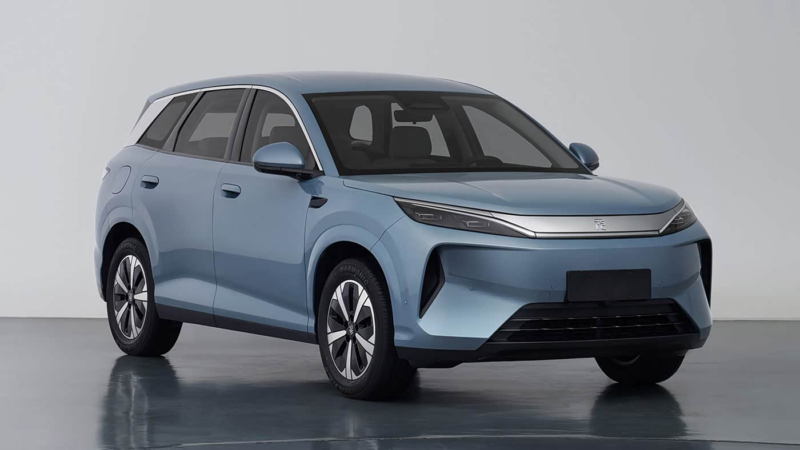
Price range: ₦13 million – ₦18 million (2022–2023 models)
The Atto 3 is BYD’s crossover answer to the Hyundai Ioniq 5 and Kia EV6, and it is younger technology than anything else in this guide. It arrived in African markets (South Africa, Kenya, Egypt) through official BYD channels starting in 2022–2023, which means parts are more likely to be available regionally than for older grey-import vehicles.
Specs (2023 BYD Atto 3 Long Range)
| Spec | Detail |
|---|---|
| Battery capacity | 60.5 kWh |
| Claimed range | 420 km (WLTP) |
| Real-world range (Nigeria conditions) | 270–330 km |
| Charging (AC) | 7 kW |
| DC fast charging | 80 kW CCS2 |
| 0–100 km/h | 7.3 seconds |
| Seats | 5 |
BYD’s blade battery handles Nigerian heat better than conventional cells. The Atto 3 also has a more modern infotainment system than the e6, a crossover body style that suits Nigeria’s road conditions, and — if you’re lucky — some dealers in Lagos and Abuja who have actually seen the car before you bring it in.
What to watch: The 7 kW AC charging rate is slower than the Ioniq 5’s 11 kW, which matters if your home charging window is short. Also confirm the charging port type on the specific unit — some early Atto 3 units imported through non-official channels arrived with CHAdeMO instead of CCS2, which limits DC charging options.
Who it’s for: Buyers who want a modern crossover, like the BYD brand’s growing Nigerian dealer footprint, and want something newer than a 2018–2020 Leaf without paying Model 3 prices.
Side-by-Side Comparison
| Nissan Leaf | BYD e6 | Tesla Model 3 | Hyundai Ioniq 5 | BYD Atto 3 | |
|---|---|---|---|---|---|
| Price (used, ₦) | 6.5m – 11m | 9m – 14m | 15m – 22m | 18m – 28m | 13m – 18m |
| Real-world range | 160–200 km | 280–300 km | 300–360 km | 260–310 km | 270–330 km |
| Battery size | 40 kWh | 71.7 kWh | ~60 kWh | 58 kWh | 60.5 kWh |
| DC fast charging | 50 kW (CHAdeMO) | 60 kW (CCS2) | 250 kW (CCS) | 350 kW (CCS2) | 80 kW (CCS2) |
| AC charging | 6.6 kW | 7 kW | 11 kW | 11 kW | 7 kW |
| Heat resilience | Low (passive cooling) | High (blade battery) | Medium | Medium-High | High (blade battery) |
| Nigeria parts access | Good | Medium | Low | Low-Medium | Medium-growing |
| V2L (power export) | No | No | No | Yes (3.6 kW) | No |
| Best for | Budget/commute | Family/cargo | Long distance | Future-proof | Modern crossover |
What to Check Before Paying
Regardless of which model you buy, do these four things:
1. Battery state-of-health check. On Leaf and most other EVs, a diagnostic tool like LeafSpy (for Nissan) or a generic OBD2 EV scanner can read actual battery capacity. Anything below 80% SoH means you have already lost significant range and are on the path to a costly replacement. Walk away if the seller refuses the check.
2. Charging port test. Bring a portable EVSE or ask to test-charge at a nearby station before finalising any deal. A car that refuses to charge on AC is a car with a charging control module problem — common in grey imports that sat at the port for months.
3. NEMSA documentation. The Nigerian Electricity Management Services Agency now requires EVs to have type-approval certification before registration. Ask for NEMSA paperwork or factor in the cost and time to obtain it post-purchase.
4. Service history, even partial. Grey imports rarely come with complete records. But any documented service — a fluid change, a 12V battery replacement, even a tyre rotation — tells you the car was at least used actively and not parked in a lot for two years.
Bottom Line
For most first-time EV buyers in Nigeria, the BYD e6 is the most sensible pick: the range is adequate, the blade battery holds up in hot climates, and the large interior actually fits Nigerian life. If budget is the ceiling, the Nissan Leaf is the entry point — just buy the freshest one you can find and do the battery health check before signing. The Tesla Model 3 earns its premium only if you drive long distances regularly and already have home charging sorted. The Ioniq 5 and Atto 3 are for buyers who want to avoid buying again in three years.
Prices reflect mid-2026 grey-market import estimates from Lagos and Abuja dealers. Exchange rate used: ₦1,580/USD. Specs sourced from manufacturer documentation and WLTP test data. Real-world range estimates are adjusted for Nigerian climate conditions (average ambient temperature 27–35°C) and reflect typical observed performance, not best-case figures.