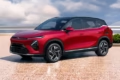
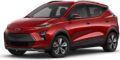
- Electric Vehicles
- Chevrolet
- Chevrolet Spark EUV
Chevrolet Spark EUV
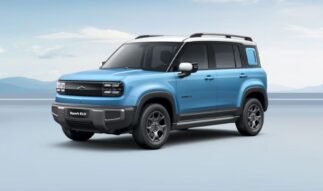


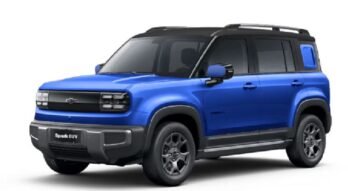
- Drive Type: FWD
- Type: 5-door compact electric SUV (5 seats)
- Self Driving: Level 2 capable in some regions (via Lingmou 2.0 Max system)
- Airbags: Yes
PROS
- Compact and stylish EV SUV perfect for city driving
- Decent 224-mile range for a small battery size
- Fast DC charging capability (30–80% in 35 min)
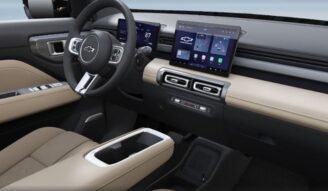
- 360° camera and digital interior tech feel premium
- Affordable price for its segment
- Reputable Chevrolet service network
CONS
- Not yet available globally (outside select markets)
- LFP battery offers less performance in cold weather
- No panoramic roof or frunk
- Limited top speed and power for highway use
- Unrated crash test safety
What Exactly Is the Chevrolet Spark EUV?
Let’s start with the basics. The 2026 Chevrolet Spark EUV is a small, all-electric crossover built by General Motors. But here’s the twist – it’s not entirely new. Chevrolet actually based it on the Baojun Yep Plus, a vehicle developed through the SAIC-GM-Wuling partnership in China.
In terms of market position, this is an entry-level EV. It’s designed for buyers who want to go electric without breaking the bank. The Spark EUV is a five-door subcompact SUV with a front-wheel-drive (FWD) setup – nothing fancy, just practical.
What makes it worth noting? It’s a global rebadge. Chevrolet took an existing, affordable EV platform from its joint venture in China and brought it to markets like Brazil, Mexico, and the Philippines. No new engineering from scratch – just a smart way to keep costs down.
Battery, Range, and Charging (The Real Numbers)
Here’s where things get a little region-specific. The Spark EUV uses a lithium-iron-phosphate (LFP) battery. Gross capacity is around 42 kWh, with usable capacity landing near 39 kWh in most reports.
Range depends on where you live and which test cycle you trust:
NEDC (older cycle, more optimistic): ~360 km (220 miles)
Brazil (Inmetro test): 258 km
Mexico (EPA cycle): 281 km (~175 miles)
Charging speeds – and this is important – vary by market:
AC onboard charger: 6.6 kW (standard)
DC fast charging: Officially 50 kW in some markets, but Philippine distributors have claimed up to 150 kW
10–80% charge time: Around 35 minutes when using DC fast charging
*A quick heads-up: The 150 kW figure isn’t confirmed by Chevrolet officially yet. Take it as a “wait and see” spec.*
How Much Does It Cost? (And Who Is It For?)
Pricing is all over the map – literally. Chevrolet priced the Spark EUV differently depending on the country to stay competitive.
Brazil: R144,990forfleetsales/ R 154,990 retail (after a price cut to boost slow sales)
Mexico: 419,900 pesos (~$23,600 USD) – also reduced from the original launch price
Philippines: PHP 1.449 million (introductory price)
So who’s actually buying this thing?
Realistically, the Spark EUV is for urban commuters, first-time EV buyers, and anyone who doesn’t need 300+ miles of range. It’s a city car. You charge at home overnight, drive to work, run errands, and plug back in. Road trips? Not really its thing.
Where It Fits in Chevy’s Lineup (And Who It Rivals)
Inside the GM ecosystem, the Spark EUV slides in below the Chevrolet Bolt EUV and competes for budget-conscious buyers alongside the Captiva EV.
Direct competitors (same price range, same segment):
BYD Dolphin Mini – the current king of affordable city EVs
Geely EX2 – another small, cheap electric crossover from China
Closest spec-for-spec rival:
The BYD Dolphin Mini. Both are subcompact, FWD, entry-priced EVs with similar real-world range. If you’re comparing spreadsheets side by side, these two are nearly identical on paper.
The Bottom Line
The 2026 Chevrolet Spark EUV isn’t trying to be a Tesla killer. It’s not packed with bleeding-edge tech or ludicrous range. What it does offer is a simple, honest electric crossover at a price that actually makes sense for people in emerging markets. If you live in a crowded city and your daily drive is under 150 miles, this thing might be exactly what you need.
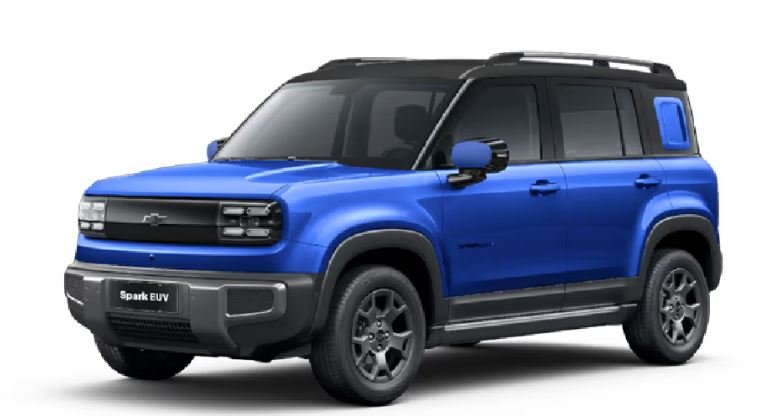
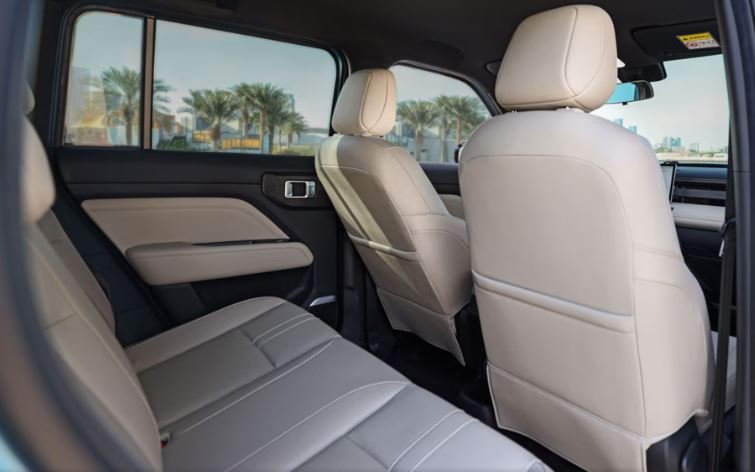
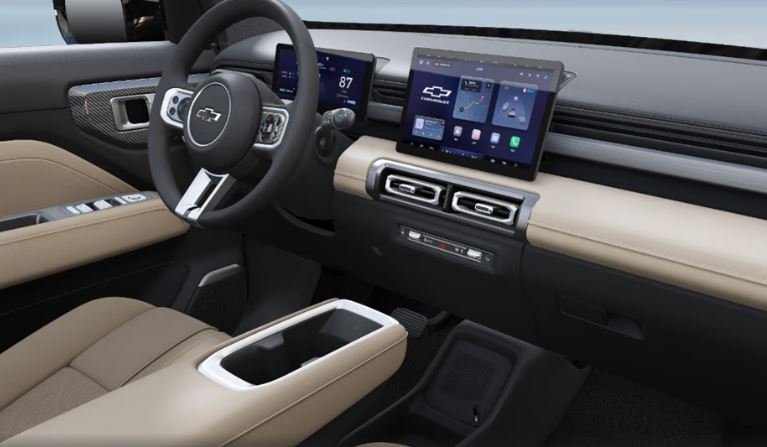
Chevrolet Spark EUV Images
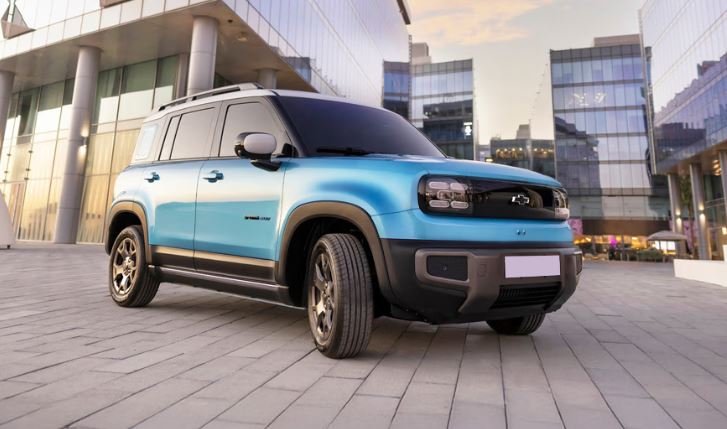
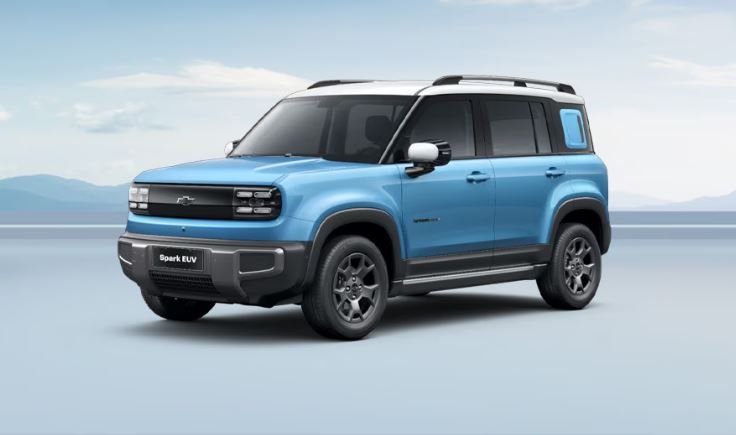
Full Electric Vehicle Specifications
MODEL
LAUNCH
| Reveal Date | February 2025 |
| Availability Status | In production / global rollout |
| Country of origin | China (by SAIC-GM-Wuling for Chevrolet) |
| Base Price (USD) | $28,600 |
BATTERY
| Battery Capacity | 41.9 kWh (LFP) |
| Range (WLTP/CLTC/EPA) | 224 mi / 360 km (WLTP est.) |
| Regen Braking (Max kW) | 3 levels (Strong / Normal / Weak) |
| Heat Pump | |
| AC Charging (Max kW) | 7 kW — 0–100% ≈ 7 h |
| DC Charging (Max kW) | 50 kW — 30–80% ≈ 35 min |
| Additional Notes | Battery Warranty: 8 years / 160,000 km |
PERFORMANCE
| Power Output (kW / hp) | 101 hp (75 kW), single motor (RWD or FWD depending on market) |
| Torque (Nm) | 180 Nm |
| 0–100 km/h / 0-60 mph (seconds) The acceleration numbers are an easy way to compare car performance. We list either time from 0 to 100 km/h or time from 0 to 60mph, depending on which number(s) the manufacturers provide. The lower the acceleration time, the higher performance the car is. | 9 s |
| Top Speed (km/h / mph) | 150 km/h (93 mph) |
BODY
| Body Style | 5-door compact electric SUV (5 seats) |
| Platform / Architecture | SAIC-GM-Wuling EV architecture (based on Baojun Yep Plus) |
| Dimensions (L×W×H mm) | L 3996 mm × W 1760 mm × H 1726 mm |
| Wheelbase (mm) | 2560 mm |
| Ground Clearance (mm) | 150 mm |
| Kerb Weight (kg) | 1325 kg |
| Suspension (Front / Rear) | McPherson (front) / Torsion beam (rear) |
| Wheel Size (inches) | 16-inch alloys |
| Trunk/Boot Capacity (L) | 428 L (up to 1375 L with seats folded) |
SAFETY
| Airbags (count) | Front and side (4 total) |
| Driver Assistance (ADAS) | Lane assist, auto park, adaptive cruise (control availability by market) |
| Autonomous Driving Level | Level 2 capable in some regions (via Lingmou 2.0 Max system) |
COMFORT
| Seating Capacity | Leatherette upholstery |
| Roof Type | Standard roof (no sunroof) |
| Bluetooth / Wi-Fi | Apple CarPlay / Android Auto |
| Parking Aids | 360° camera + front & rear sensors |
| Additional Notes |
Drive Modes: Eco / Normal / Sport Keyless entry, push-start, folding mirrors, power windows |
DISPLAYS
| Centre Screen (inches) | 10.1-inch central touchscreen |
| Driver's Display (inches) | 8.8-inch digital display |
LIGHTING
INFOTAINMENT & AUDIO
TECHNOLOGY
OWNERSHIP
Note
| Additional Notes |
Specifications may vary by market (Middle East, Latin America, Asia). Built on the same platform as Baojun Yep Plus from China. |
User Reviews
Disclaimer Note
Specifications sourced from manufacturer data and may reflect WLTP, CLTC, or EPA test conditions. Import prices in your local are estimates based on grey-market landing costs and exclude duties, clearing fees, and local taxes. Figures are subject to change without notice. Always verify with your local importer before purchase. We can not guarantee that the information on this page is 100% correct