- Home
- Electric Vehicles
- Xiaomi
- Xiaomi SU7 Ultra
Xiaomi SU7 Ultra





- Drive Type: AWD
- Body Type: 4 door sedan, 5 seats
- Self Driving: Autonomous driving system
- Airbags: Yes
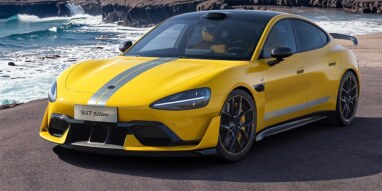
The Xiaomi SU7 Ultra isn’t just another fast EV—it’s the car that put a Chinese smartphone brand on the Nürburgring map. But strip away the lap times and headlines, and what do you really get? A tri‑motor, all‑wheel‑drive electric sedan with hypercar power figures, a genuine 800‑volt architecture, and a price tag that rewrites the rulebook for performance saloons.
What Exactly Is the Xiaomi SU7 Ultra?
The SU7 Ultra is the range‑topping flagship of Xiaomi Auto’s first car line. It’s a four‑door fastback sedan, and it sits above the standard SU7 and mid‑grade SU7 Pro. Unlike the entry rear‑wheel‑drive car or the dual‑motor Pro, the Ultra uses three electric motors—two powerful V8s units at the rear and a single V6s up front—for full all‑wheel drive.
System output? A staggering 1,138 kW (1,548 hp) and 1,770 Nm of torque. That makes it the most powerful production sedan Xiaomi builds, and one of the most powerful electric saloons you can buy anywhere. The platform is a clean‑sheet 800‑volt design, and in production specification the car clocked a 7:04.957 lap of the Nordschleife—still the fastest recorded time for an electric executive sedan. It’s not a concept or a special‑edition track toy; it’s a road‑legal car you can register and drive daily, which is what makes that lap time genuinely notable.
Battery, Range, and Charging: The Numbers That Matter
Energy comes from a CATL Qilin II battery pack—ternary lithium (NMC) chemistry—with 93.7 kWh usable capacity (95.0 kWh gross). On China’s CLTC cycle, the official range is 630 km. For a more realistic European benchmark, expect around 540 km under WLTP testing. A separate 520 km CLTC figure also appears in some specifications, likely reflecting different wheel or tyre packages; we’ve flagged it as unconfirmed until Xiaomi clarifies international variants.
Charging is where the SU7 Ultra genuinely impresses. AC home charging maxes out at 11 kW, giving a full 0‑100% charge in roughly 8.5 hours—standard for the segment. DC fast charging is the headline act: the car supports up to 480 kW peak, enabling a 10‑80% top‑up in a claimed 11 minutes on Xiaomi’s own supercharger network. Some international product pages cite a slightly lower 410 kW peak and a 12‑minute 10‑80% time. This discrepancy most likely comes from different charger capabilities rather than a change in vehicle hardware. Until official European or North American specs are published, treat both numbers as indicative but expect ultra‑fast charging either way.
Price, Position, and Who It’s For
In China, the Xiaomi SU7 Ultra launched at RMB 529,900—around US $73,000 at current exchange rates. A Track Package adds RMB 100,000, while the Nürburgring Limited Edition tops out at RMB 814,900. Global sales haven’t started, but European media suggest a possible 2027 launch at a price point still likely to sit well below established German rivals.
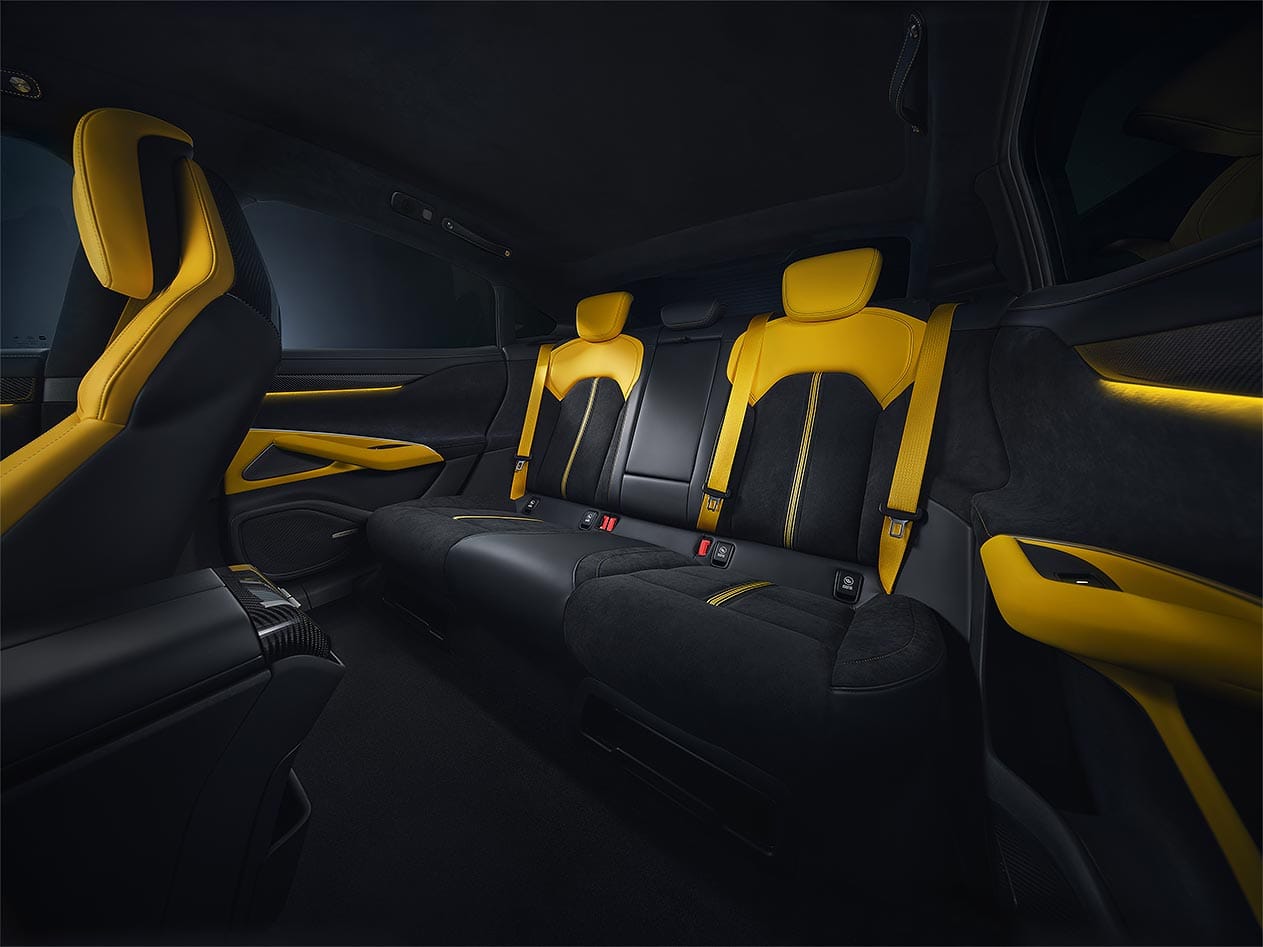
So who’s this car actually for? Think of the SU7 Ultra as a weekend track weapon that can handle the weekday commute. It’s not a soft family saloon—the ride is firm, kerb weight is around 2,360 kg, and energy consumption won’t match more efficiency‑focused EVs. If you’re a driving enthusiast who wants genuine circuit capability without trailering a dedicated race car, this fits the brief. Fleet buyers or anyone prioritising rear‑seat comfort should look elsewhere.
Within Xiaomi’s own lineup, the Ultra anchors the top end. The SU7 Standard (RMB 215,900) is a single‑motor rear‑drive car built for efficiency and value; the SU7 Pro offers a dual‑motor setup with more range and power than the base car but nothing like the Ultra’s track focus. Step outside the brand, and the obvious external competition includes the Tesla Model S Plaid (RMB 808,900 in China) and the Porsche Taycan Turbo GT—though the Porsche costs more than twice as much in its home market. The closest direct rival in both spec and price is undoubtedly the Model S Plaid: tri‑motor AWD, carbon‑sleeved rotors, sub‑2‑second 0‑100 km/h times, and a similar philosophy of blending brutal acceleration with everyday usability. If you’re cross‑shopping maximum electric performance in a four‑door package, the SU7 Ultra and Model S Plaid are the two names you’ll keep coming back to.
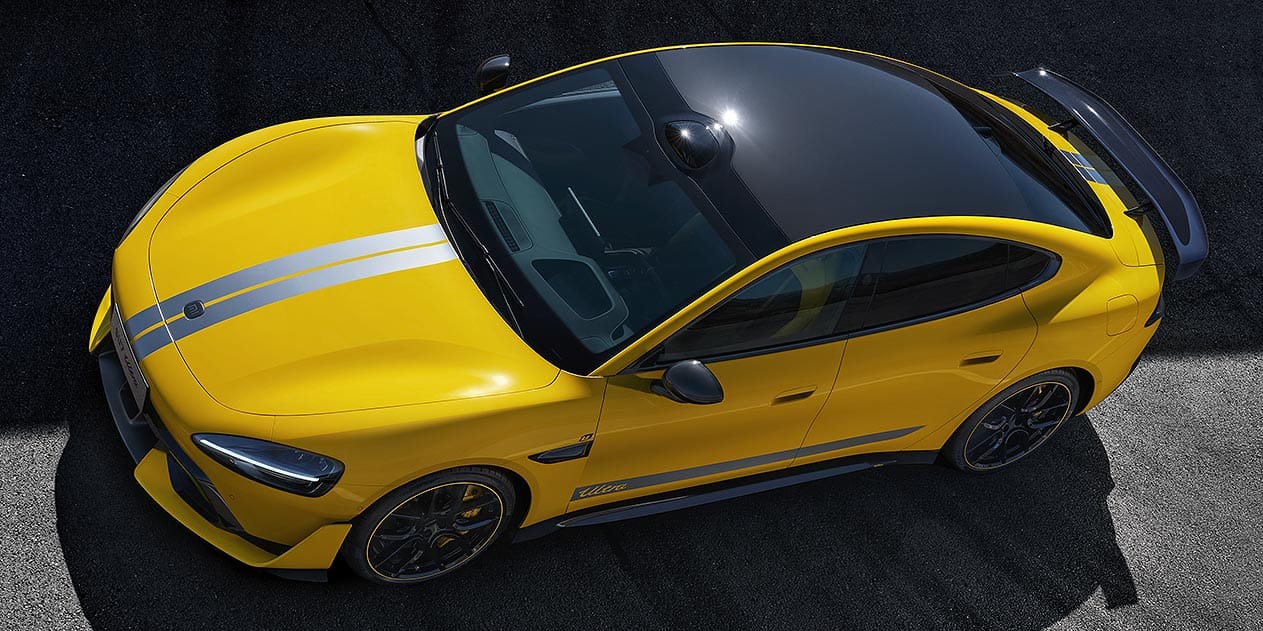
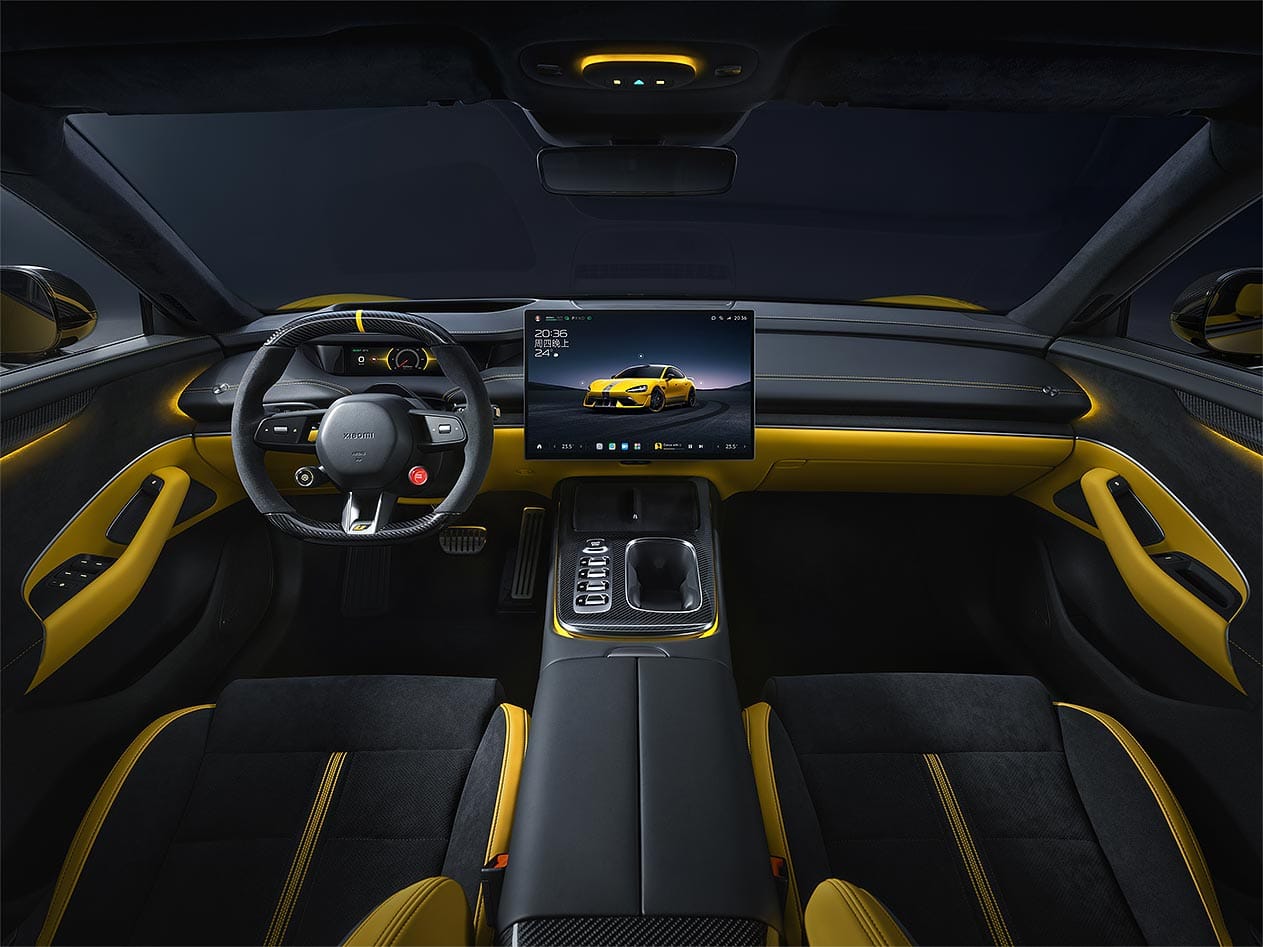
Xiaomi SU7 Ultra Pictures
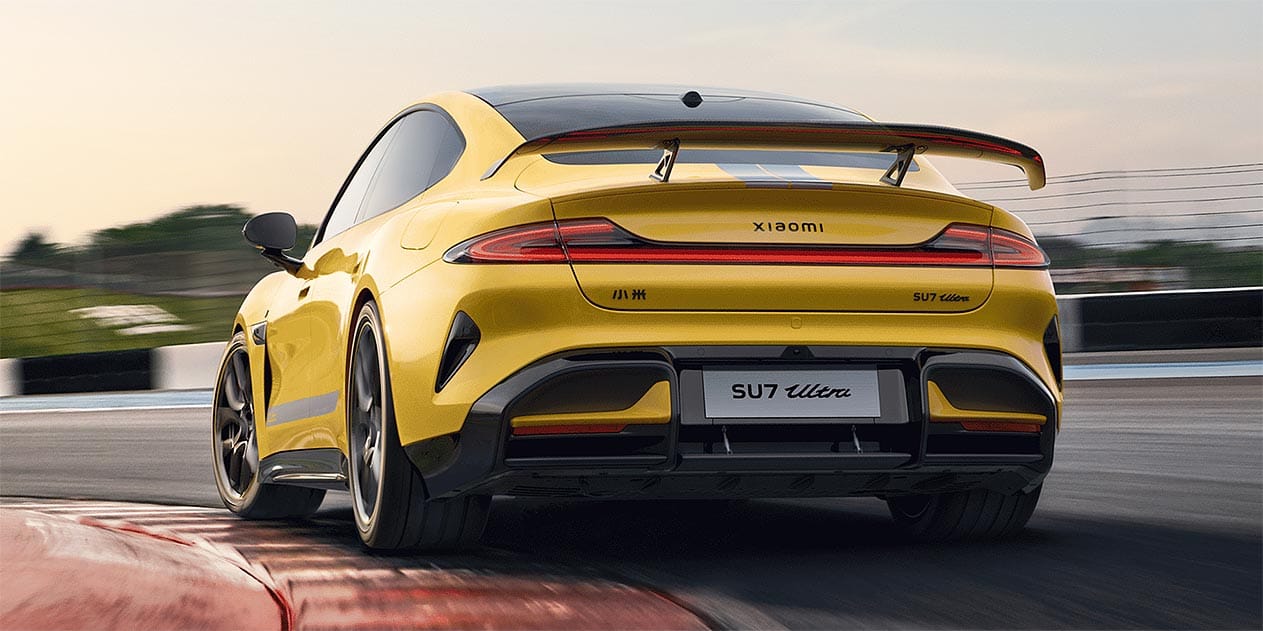
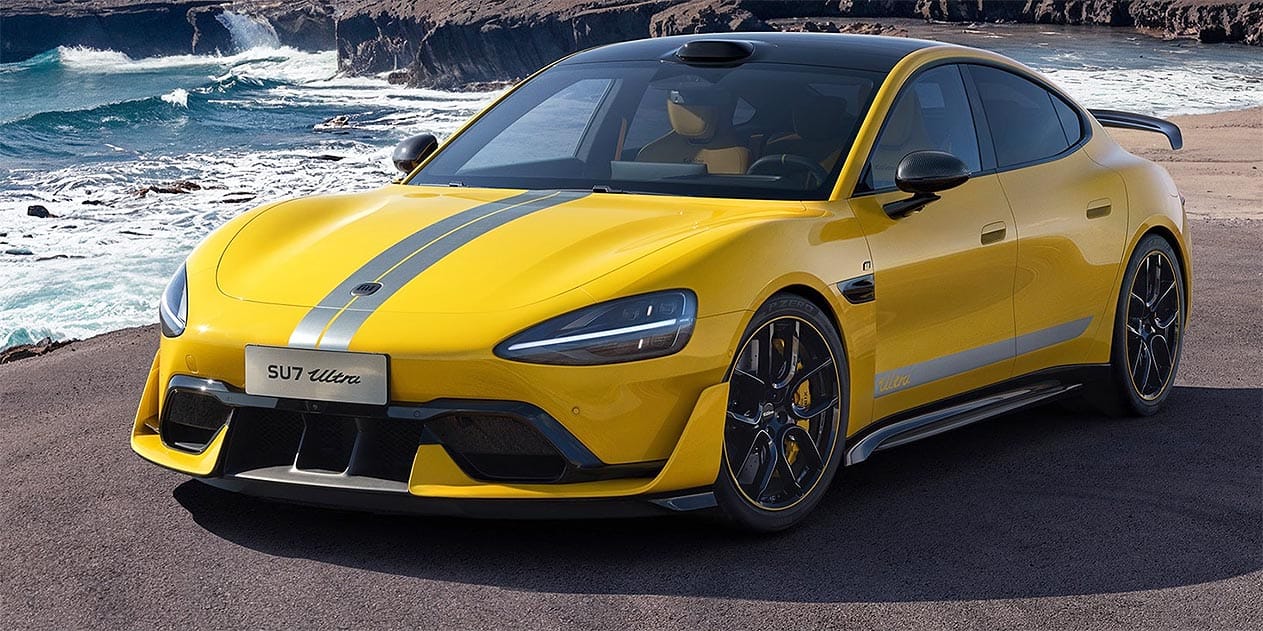
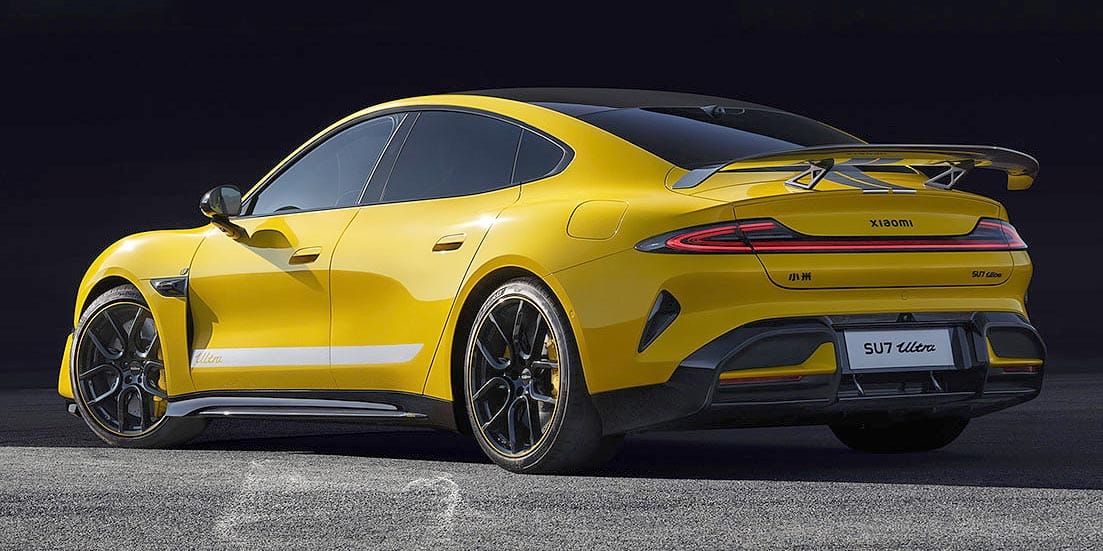
Full Electric Vehicle Specifications
MODEL
PRICE & AVAILABILITY
| Availability Status | Coming soon. Expected release 2025, March |
BATTERY & CHARGING
| Battery Capacity | 93.7 kWh total |
| Range (WLTP/CLTC/EPA) | 391 mi CLTC |
| DC Charging (Max kW) |
CCS, 10-80% in 11 min |
| AC Charging (Max kW) | Type 2 |
PERFORMANCE
| Power Output (kW / hp) | AWD 1548 hp (1139 kW) |
| 0–100 km/h / 0-60 mph (seconds) The acceleration numbers are an easy way to compare car performance. We list either time from 0 to 100 km/h or time from 0 to 60mph, depending on which number(s) the manufacturers provide. The lower the acceleration time, the higher performance the car is. | 2 sec 0-62 mph |
| Top Speed (km/h / mph) | 217 mph (350 km/h) |
BODY & DIMENSIONS
| Dimensions (L×W×H mm) | 201.4 x 77.6 x 57.7 in (5115 x 1970 x 1465 mm) |
| Body Style | 4 door sedan, 5 seats |
| Frunk/Bonnet Capacity (L) | No |
SAFETY & DRIVER ASSISTANCE
| Autonomous Driving Level | Autonomous driving system |
COMFORT & SEATING
| Seating Capacity | Heated and ventilated front seats |
DISPLAYS & CONNECTIVITY
| Centre Screen (inches) | 16.1" touchscreen |
| Driver's Display (inches) | 7.1 |
| Head-Up Display (HUD) | Yes |
TECHNOLOGY
ADDITIONAL SPECS
Note
User Reviews
Disclaimer Note
Specifications sourced from manufacturer data and may reflect WLTP, CLTC, or EPA test conditions. Import prices in your local are estimates based on grey-market landing costs and exclude duties, clearing fees, and local taxes. Figures are subject to change without notice. Always verify with your local importer before purchase. We can not guarantee that the information on this page is 100% correct