Africa’s EV market is real, it is growing, and it looks nothing like Europe’s. By mid-2026, South Africa has surpassed 15,000 registered battery-electric vehicles, Kenya’s electric two- and three-wheeler sector is moving faster than passenger cars, and Nigeria remains the continent’s most complicated story — huge demand potential, zero local charging infrastructure to speak of, and a grey-market import pipeline that brings in EVs nobody officially sells here.
This guide covers what is actually available, what it costs in naira, shillings, and rand, which models make sense for African roads, and what the charging picture looks like in 2026. No speculation. No optimism that isn’t backed by data.
⚡ Quick Summary: EVs in Africa 2026
| Key Point | What You Need to Know |
|---|---|
| Best-value passenger EV | BYD Atto 3 — most widely available across SA, Kenya, Nigeria grey market |
| Cheapest entry point | Leapmotor T03 or BYD Seagull (grey import, NGN 18–22M range) |
| Charging reality | South Africa: growing fast. Kenya: Nairobi only. Nigeria: almost none officially |
| Range to target | Minimum 350km WLTP for Nigerian/Kenyan roads; SA can work with less |
| Who’s winning on volume | Electric motorcycles and tuk-tuks (Roam, Spiro, ARC Ride) far ahead of passenger EVs |
Electric Vehicle Market in Africa 2026: Nigeria, Kenya, and South Africa
Africa is not one EV market. It is 54 different ones, and the three that matter most for this guide — Nigeria, Kenya, and South Africa — are at completely different stages.
South Africa is the most mature. Plug-in vehicle registrations crossed 15,000 units in 2025, driven by BYD, Volvo, BMW, and Kia. A national charging network from GridCars, Evergy, and ChargeAfrica now covers most major highways and all nine provincial capitals. If you live in Johannesburg, Cape Town, or Durban, an EV is practical today.
Kenya is a two-speed story. Electric motorcycles and three-wheelers — mainly from Roam, Ampersand, and ARC Ride — are the dominant EV product, used commercially by boda boda operators and logistics companies. Passenger EVs are thin on the ground. Nairobi has maybe 30 public chargers. Outside the city, you are planning around jerry cans of opportunity.
Nigeria is the most complicated case. No major brand officially sells EVs here at scale. What exists is a grey-market import pipeline — mainly from the UAE and China — bringing in BYD, Zeekr, and the occasional NIO. Napims and the NADDC have talked about EV frameworks since 2022, but no formal incentive structure exists as of mid-2026. Range anxiety here is about more than kilometres. It is about power cuts, petrol-generator culture, and the absence of any reliable public charging.
Which Electric Cars Are Available in Africa in 2026?
South Africa (Official Market)
South Africa has the most structured market. These are confirmed available models with official dealer support:
BYD Atto 3 (Standard Range)
- Battery: 49.9 kWh
- Range: 345km WLTP
- Price: ZAR 649,900 (confirmed, mid-2026)
- Charging: 7kW AC / 60kW DC
BYD Dolphin
- Battery: 44.9 kWh
- Range: 340km WLTP
- Price: ZAR 559,900
- Charging: 7kW AC / 60kW DC
- Battery: 51 kWh (Standard) / 69 kWh (Extended)
- Range: 344km / 476km WLTP
- Price: ZAR 849,900 – ZAR 989,900
- Charging: 11kW AC / 153kW DC
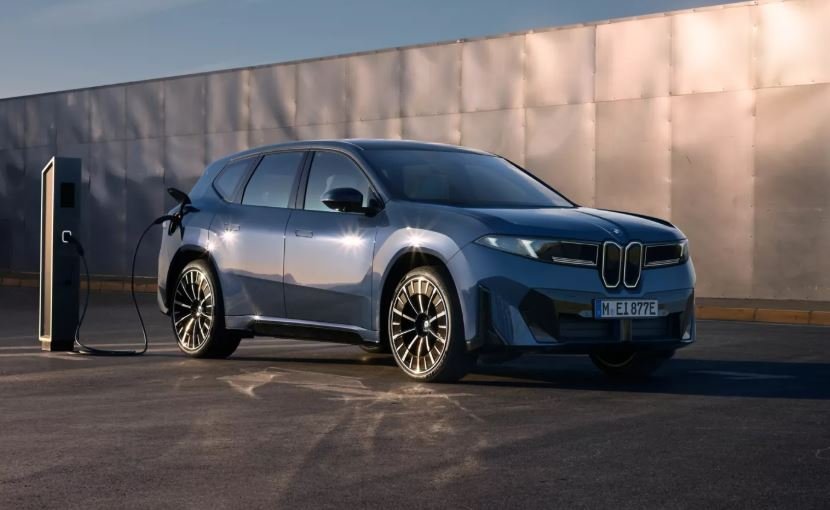
BMW iX1 xDrive30
- Battery: 64.7 kWh
- Range: 417km WLTP
- Price: ZAR 999,900
- Charging: 11kW AC / 130kW DC
Kia EV6 (Standard Range)
- Battery: 58 kWh
- Range: 394km WLTP
- Price: ZAR 1,099,900
- Charging: 11kW AC / 233kW DC
Kenya (Limited Official + Grey Import)
BasiGo E9 (Bus)
- Kenya-assembled electric bus for transit operators
- Price: Quoted per fleet — not for private buyers
- Used by Kenya Bus Service on Nairobi routes
BYD Atto 3 (Grey Import)
- Imported through Dubai, estimated KES 4.8–5.5M landed
- No local warranty; charging on 7kW home wallbox
Roam Air (Electric Motorcycle)
- Price: KES 199,000
- Range: 130km (confirmed)
- Designed specifically for Kenyan road conditions
Nigeria (Grey Market Only, as of mid-2026)
No brand officially retails passenger EVs in Nigeria at volume. These are the most commonly imported models through Lagos and Abuja grey-market dealers:
BYD Atto 3 (UAE Import)
- Estimated landed price: NGN 55–70M (varies heavily with exchange rate)
- Specs as above — WLTP range, not CLTC
BYD Seagull (China Import)
- Battery: 30.08 kWh
- Range: 405km CLTC / approximately 280–300km real-world
- Estimated landed price: NGN 18–24M
- Note: CLTC figures; expect 25–30% less in Nigerian conditions
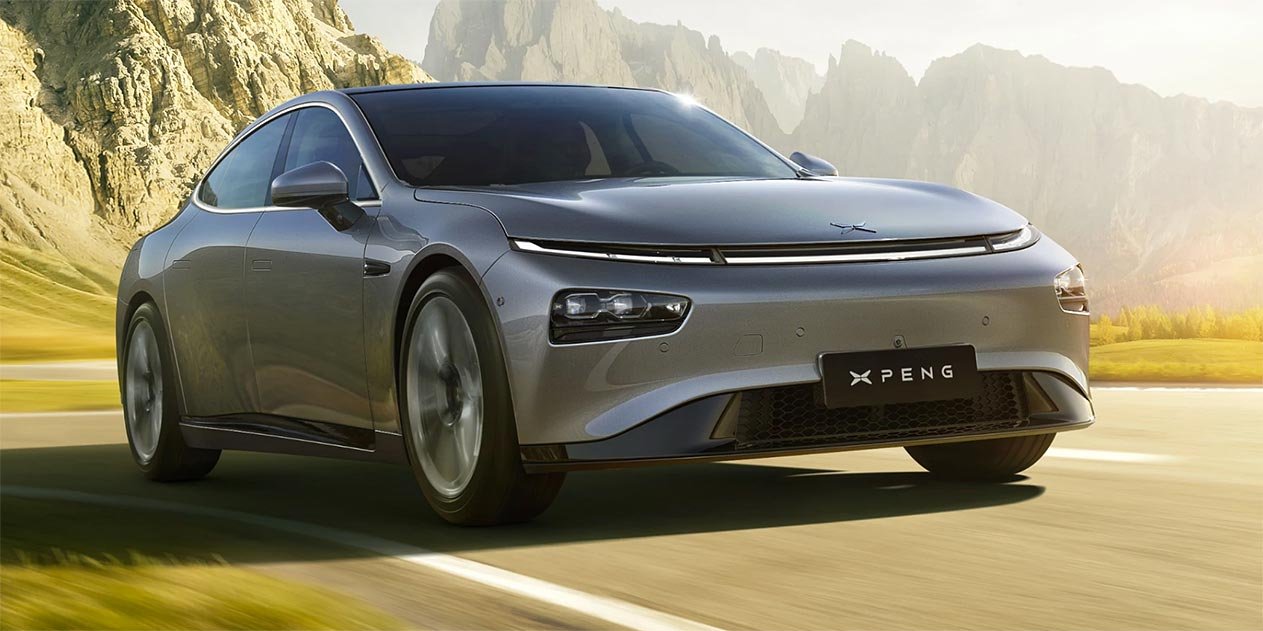
Zeekr X (UAE/China Import)
- Battery: 66 kWh
- Range: 560km CLTC / approximately 400–430km real-world
- Estimated landed price: NGN 75–95M
- See our Zeekr X spec sheet →
Important: All grey-market imports carry no manufacturer warranty in Nigeria. Charging infrastructure is almost entirely home-based (single-phase 240V or three-phase where available). Public chargers exist at a handful of Lagos locations but with no reliability guarantee.
Comparison Table: Best EVs for African Conditions 2026
| Model | Range (Real-World Est.) | Price (ZAR) | Price (KES) | Price (NGN) | Charging Speed | Africa Availability |
|---|---|---|---|---|---|---|
| BYD Seagull | 280–300km | ~ZAR 420K (grey) | ~KES 3.2M (grey) | ~NGN 20M (grey) | 6.6kW AC / 30kW DC | Grey import only |
| BYD Atto 3 | 320–340km | ZAR 649,900 | ~KES 4.8M (grey) | ~NGN 60M (grey) | 7kW AC / 60kW DC | SA official; others grey |
| Leapmotor T03 | 240–260km | ~ZAR 380K (grey) | ~KES 2.9M (grey) | ~NGN 17M (grey) | 6.6kW AC / 30kW DC | Grey import only |
| Volvo EX30 | 420–440km | ZAR 849,900 | N/A | N/A | 11kW AC / 153kW DC | SA only |
| Kia EV6 SR | 360–380km | ZAR 1,099,900 | N/A | N/A | 11kW AC / 233kW DC | SA only |
| Roam Air (moto) | 130km | N/A | KES 199,000 | N/A | Standard plug | Kenya focus |
Grey import prices are estimates based on mid-2026 exchange rates and dealer quotes. NGN/KES/ZAR conversion verified at time of publication. Fluctuations of 10–15% are normal.
All range figures are real-world estimates, not manufacturer CLTC or WLTP claims. CLTC figures are typically 25–35% higher than real-world range in African conditions.
EV Charging Infrastructure in Africa 2026: South Africa, Kenya, Nigeria
South Africa
This is the only country on the continent with a credible national charging network. GridCars operates the largest network with over 400 public chargers; ChargeAfrica and Evergy cover retail and highway points. DC fast charging (50–150kW) is available on the N1, N2, N3, and N14 corridors. Home installation of a 7.4kW wallbox runs ZAR 8,000–15,000 including hardware and electrician. Load shedding (Eskom) remains the main concern — DC chargers at petrol stations typically run on backup power, but home charging during outages is not possible without a battery backup system.
Kenya
Nairobi has approximately 30 public chargers confirmed operational as of mid-2026, concentrated around Westlands, Karen, and the CBD. Outside Nairobi — effectively nothing. For Kenyan passenger EV owners, this means home charging is not optional, it is the only realistic option. KPLC’s single-phase 240V supply is adequate for overnight charging on most EVs. Three-phase is available in commercial zones. Most EV owners in Kenya report 70–80% of their charging at home.
Nigeria
Public charging infrastructure in Nigeria is minimal. A small number of locations in Lagos (Lekki, Ikeja) and Abuja (Wuse, Maitama) have chargers, but reliability is inconsistent and access is often restricted. This means virtually all EV owners charge at home using a standard wall socket (2–3kW, very slow) or a privately installed wallbox (7kW, adequate for overnight). Three-phase power, where available, supports faster home charging. NEPA/PHCN supply issues make overnight charging unpredictable. Solar-plus-battery home systems are increasingly paired with EVs among early adopters in Lagos.
Read our full Nigeria EV charging infrastructure breakdown →
Electric Motorcycles in Africa: Roam, Spiro, and ARC Ride
Passenger EVs get the headlines, but the actual volume — and the actual transformation happening on African roads — is in two- and three-wheelers.
Roam (Kenya): The Roam Air motorcycle targets boda boda operators directly. At KES 199,000 with a 130km range, it undercuts petrol motorcycles on total cost of ownership within 18 months. Roam claims over 2,000 units deployed in Kenya as of Q1 2026.
Spiro (Nigeria, Rwanda, Benin, Togo): Spiro operates a battery-swap model — the bike is sold cheaply and riders pay per swap at Spiro stations. Over 15,000 units across its markets, with Nigeria deployment underway in Lagos and Ibadan.
ARC Ride (Kenya): Fleet-focused electric motorcycles deployed through B2B contracts with delivery companies and ride-hailing platforms. KES 175,000–210,000 per unit.
BasiGo (Kenya): Electric buses for urban transit. The E9 model carries 25 passengers and is assembled in Nairobi. Cost per km is significantly lower than diesel for transit operators running fixed urban routes.
This segment is where African EV adoption is actually happening. It is worth watching closely, particularly in Nigeria where commercial two-wheeler use is massive.
See our Africa electric motorcycle comparison →
The Grey Market Question: Should You Import an EV to Nigeria or Kenya?
For Nigerian and Kenyan buyers considering a passenger EV, the grey market is often the only path. Here is the honest picture:
Pros:
- Access to models nobody officially sells locally (BYD Seagull, Zeekr X, Leapmotor)
- Prices sometimes significantly below what official SA retail would imply
- Chinese brands have strong build quality even outside warranty support
Cons:
- No manufacturer warranty
- Parts availability is unclear — only a handful of Lagos workshops can diagnose EV faults
- Charging adapter compatibility varies (some China-spec vehicles use GB/T, not CCS or Type 2)
- Exchange rate exposure between order and delivery is significant (can be 10–20% swing on NGN)
- NAFDAC/customs clearance has become more complex for EVs since 2025
The bottom line: if you are buying a grey-market EV in Nigeria, budget for a home wallbox installation, establish a relationship with a workshop that has EV diagnostic capability before you buy, and treat the warranty situation as zero — because it is.
Bottom Line Verdict
South Africa is the only African market where buying a new passenger EV is a straightforward decision in 2026. The Atto 3 at ZAR 649,900 is the most practical choice for most buyers — good range, growing service network, proven in local conditions. In Kenya and Nigeria, electric motorcycles and three-wheelers offer the most accessible entry into EVs with real cost-of-ownership benefits. For Nigerian buyers determined to own a passenger EV, the BYD Seagull via grey import gives the lowest entry price, but go in eyes open on charging infrastructure, parts, and warranty. Africa’s EV transition is happening — just not in the way Western EV media describes it.
Prices quoted in NGN, KES, and ZAR are estimates based on mid-2026 exchange rates and dealer market data. Grey-market pricing fluctuates with currency movements. CLTC range figures are noted where applicable; real-world estimates assume 25–30% reduction for African conditions. Specs marked “unconfirmed” reflect models not officially launched in-market. This article will be updated as new data becomes available.
Related EV Updates
- Solar EV Charging in Africa: Is It Actually Possible?
- EV Mobility Challenges in Accra: New Report Reveals Infrastructure Gaps Slowing Ghana’s Electric Vehicle Sector
- South Africa’s EV Market in 2026: Growth, Brands & Opportunity
- Kenya Electric Car Guide 2026: Models, Prices & What to Buy
- BYD Cars Nigeria: Prices, Specs, and Where to Buy (2026)