Volvo’s electric lineup has grown fast. The EX30, EX40, EX90, and ES90 now cover everything from compact city cars to full-size executive saloons — and buyers are increasingly asking how they stack up against each other and against rivals from BMW, Tesla, Polestar, Audi, and Hyundai. This page collects 20 of the most-searched Volvo EV comparisons in one place, with a quick breakdown table for each matchup.
Whether you’re deciding between two Volvos or cross-shopping against a German or American rival, the summaries below cut straight to the differences that matter most.
1. Volvo EX40 vs BMW iX3
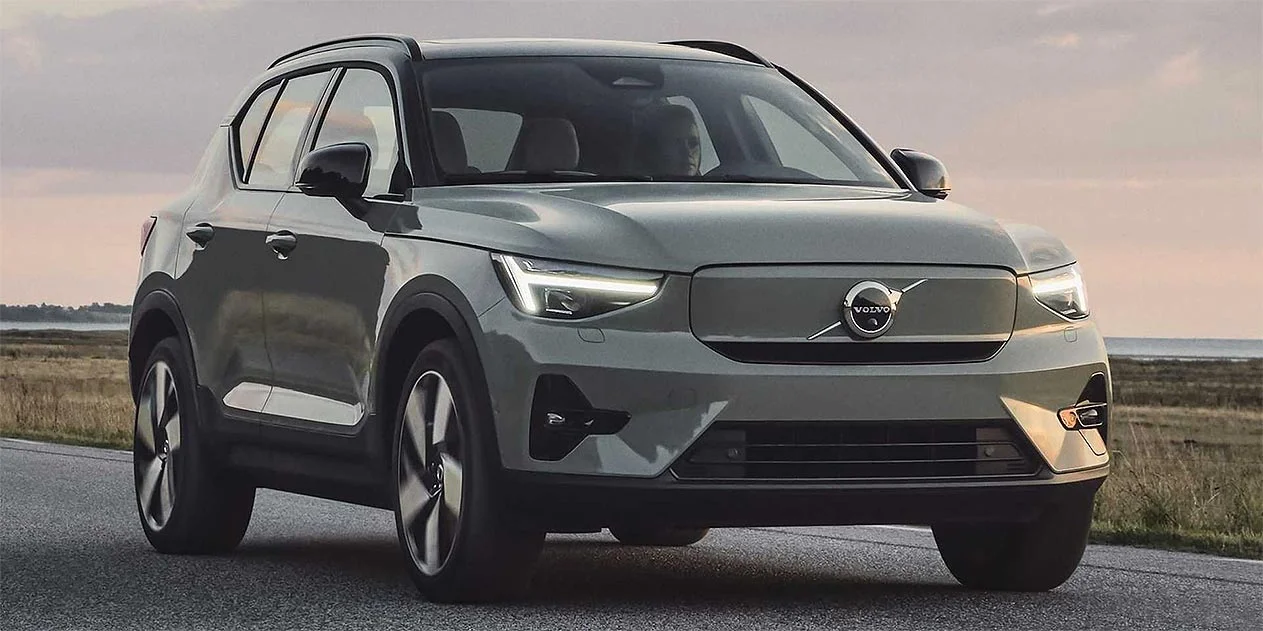
Both are premium compact electric SUVs aimed at buyers who want badge prestige without the size of a full-size crossover. The EX40 leans into Scandinavian minimalism with a flat-floor interior and a distinctly un-fussy dashboard. The iX3 looks and feels more like a traditional BMW — which is either a feature or a limitation depending on where you stand. On range, the two are close, though EPA-rated figures vary by trim. The iX3 edges ahead in rear-wheel-drive refinement; the EX40 counters with a more spacious rear seat and a cleaner software experience.
| Spec | Volvo EX40 (Single Motor) | BMW iX3 |
|---|---|---|
| Body Style | Compact SUV | Compact SUV |
| Range (est.) | Up to 338 km (WLTP) | Up to 461 km (WLTP) |
| Power | 238 hp (single) / 408 hp (twin) | 286 hp |
| Drive | FWD / AWD | RWD |
| Charging (DC) | Up to 130 kW | Up to 150 kW |
| Cargo Volume | 419 L | 510 L |
| Starting Price (est.) | ~€44,000 | ~€66,000 |
| Charging Network | Open CCS | Open CCS |
Best for: The EX40 suits buyers who prioritise value and interior spaciousness. The iX3 is the pick if driving dynamics and BMW’s driver-focused setup matter more.
2. Volvo XC40 Recharge vs Volvo EX40
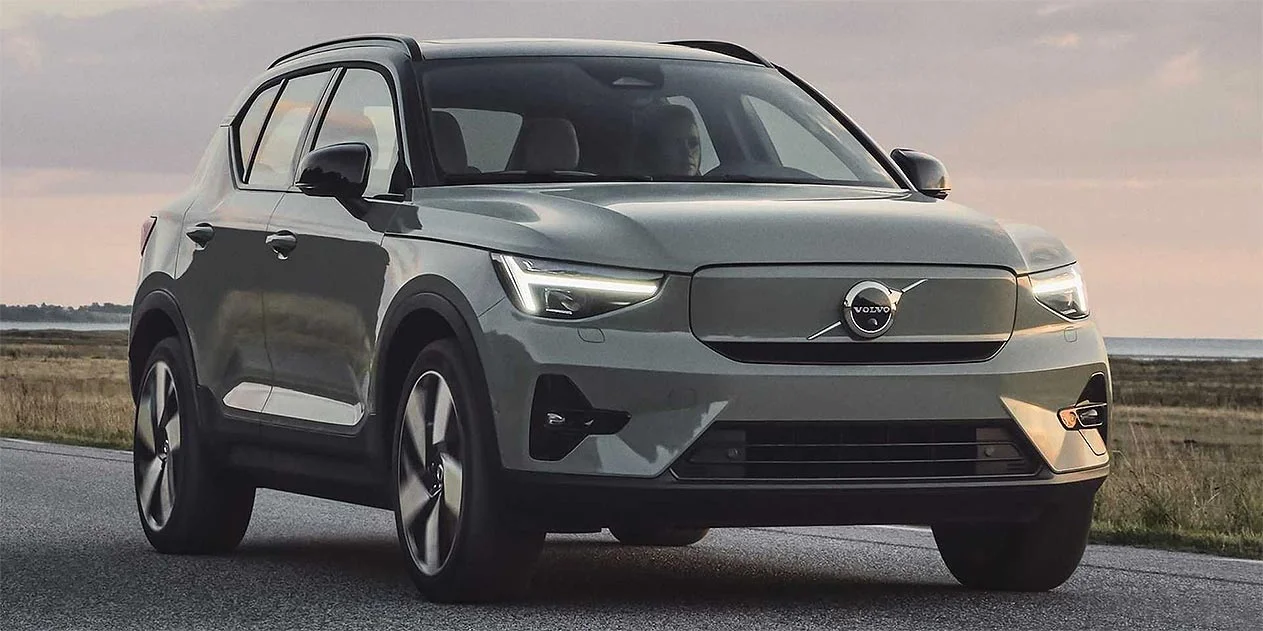
These two share a platform and a powertrain family, which makes this comparison mostly about aesthetics and small packaging differences. The XC40 Recharge keeps the traditional raised beltline and upright body that most SUV buyers recognise. The EX40 (the renamed C40 Recharge, essentially) has a sloping roofline and a slight coupé silhouette. That roof costs you a few centimetres of rear headroom. Otherwise, the mechanicals are nearly identical — same battery options, same charging speeds, very similar range figures.
Volvo XC40 Recharge vs Volvo EX40
| Spec | Volvo XC40 Recharge | Volvo EX40 |
|---|---|---|
| Body Style | Compact SUV (upright) | Compact SUV coupé |
| Range (est.) | Up to 426 km (WLTP) | Up to 338 km (WLTP) |
| Power Options | 238–408 hp | 238–408 hp |
| Rear Headroom | More generous | Slightly tighter |
| Cargo Volume | 452 L | 419 L |
| Frunk | 31 L | 31 L |
| Starting Price (est.) | ~€43,000 | ~€44,000 |
Best for: Families who need rear headroom will prefer the XC40 Recharge. If coupé styling matters, the EX40 is the one to pick — just know you’re trading headroom for looks.
3. Volvo EX90 vs BMW iX
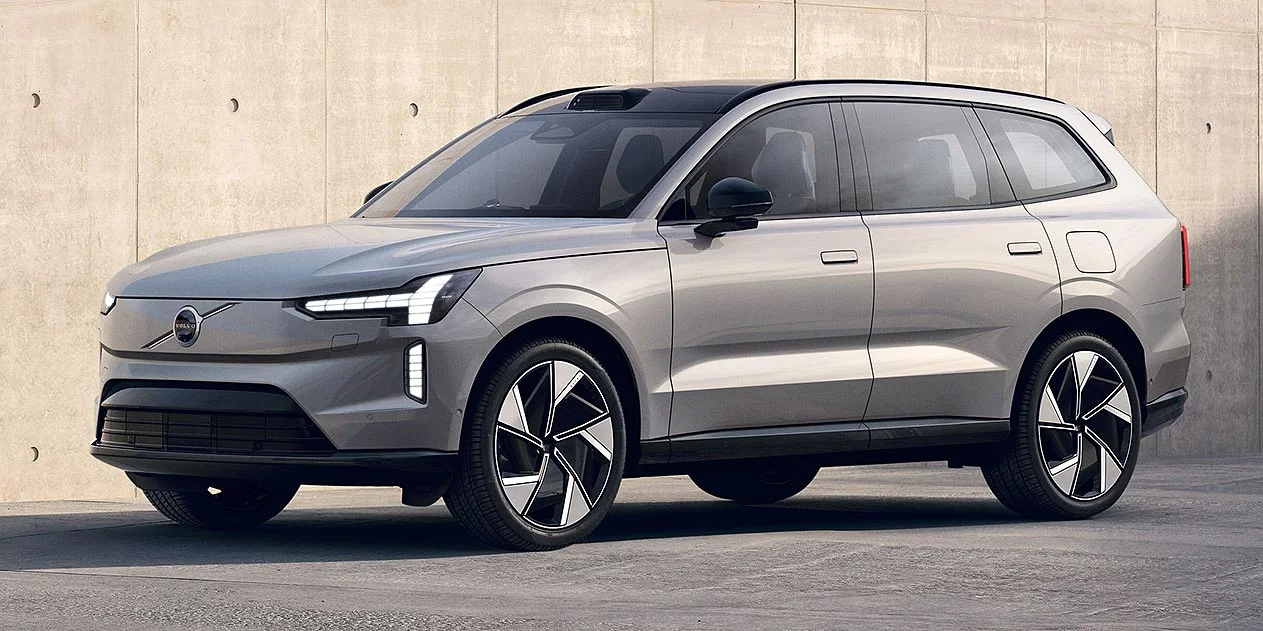
At the top end of the large premium EV SUV segment, these two go toe-to-toe on nearly every axis. The EX90 is a 7-seater with genuine third-row utility; the iX is a 5-seater focused on driving refinement and build quality. BMW’s iDrive 9 is polished, but Volvo’s Google-based system has the cleaner interface. The iX comes in xDrive50 and M60 configurations with up to 610 hp — the EX90 tops out at 510 hp in Twin Motor Performance spec. Range is broadly similar in base trim. The EX90 wins on practicality; the iX wins on outright luxury feel.
| Spec | Volvo EX90 (Twin Motor) | BMW iX xDrive50 |
|---|---|---|
| Body Style | Large SUV (7-seat) | Large SUV (5-seat) |
| Range (est.) | Up to 600 km (WLTP) | Up to 630 km (WLTP) |
| Power | 408–510 hp | 516–610 hp |
| 0–100 km/h | 5.9–4.9 s | 4.6 s |
| Battery | 111 kWh | 111.5 kWh |
| DC Charging | Up to 250 kW | Up to 200 kW |
| Seating | Up to 7 | 5 |
| Starting Price (est.) | ~€80,000 | ~€98,000 |
Best for: Buyers who need seven seats will find no contest here — the EX90 is one of the few large electric 7-seaters available. If seating count is irrelevant and ride feel is everything, the iX pulls ahead.
4. Volvo EX90 vs Polestar 3
Shared platform, same Geely/Volvo group DNA, very different personalities. The Polestar 3 is a lower, wider 5-seat performance SUV with Öhlins-tuned suspension available. The EX90 is taller, softer, and seats seven. Polestar 3’s interior is arguably more driver-centric; EX90’s is more family-oriented. Both run the same Android Automotive OS interface. Polestar 3 starts slightly lower in price but climbs fast with the Performance Pack. EX90 is the practical choice; Polestar 3 is for those who want something more driver-focused from the same family.
| Spec | Volvo EX90 Twin Motor | Polestar 3 Long Range Dual Motor |
|---|---|---|
| Body Style | Large SUV (7-seat) | Large SUV Coupé (5-seat) |
| Range (est.) | Up to 600 km (WLTP) | Up to 631 km (WLTP) |
| Power | 408–510 hp | 489–517 hp |
| 0–100 km/h | 5.9–4.9 s | 5.0–4.7 s |
| DC Charging | Up to 250 kW | Up to 250 kW |
| Suspension Option | Air suspension (std on some trims) | Öhlins sport suspension (optional) |
| Seating | Up to 7 | 5 |
| Starting Price (est.) | ~€80,000 | ~€74,000 |
Best for: The EX90 is the family hauler. Polestar 3 is for those who want the same technology platform but prefer sport over space.
5. Volvo EX30 vs Tesla Model Y
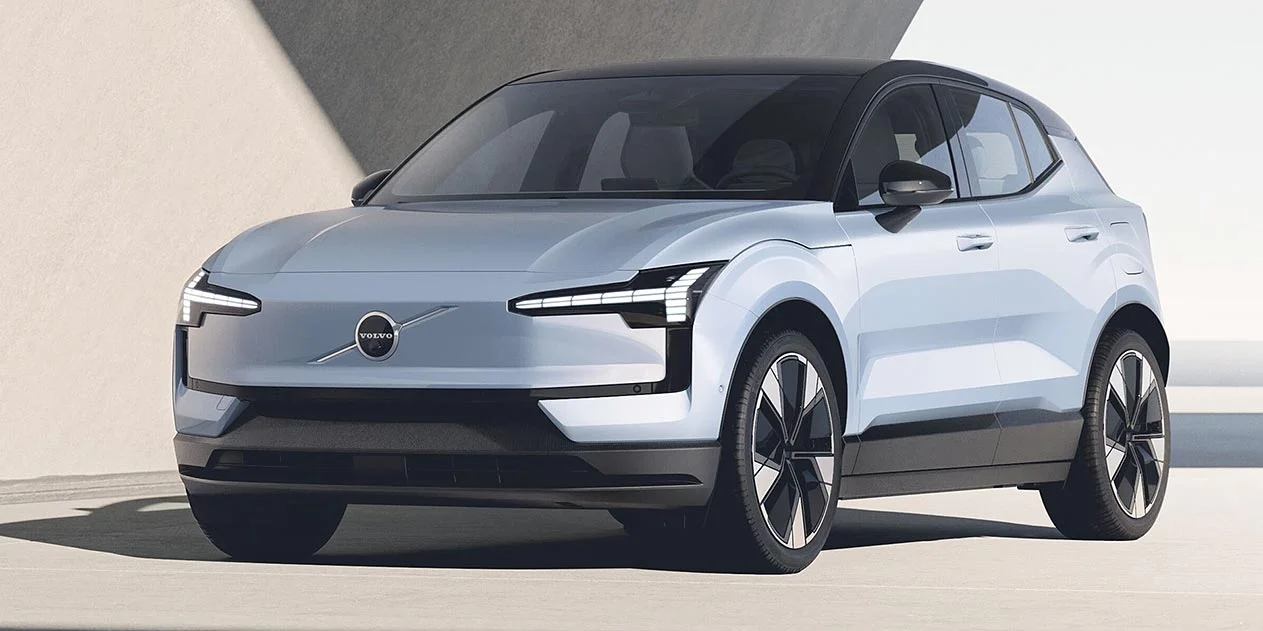
This is the comparison that gets the most clicks — and for good reason. The Model Y is the world’s best-selling electric vehicle; the EX30 is Volvo’s most affordable EV and one of the smallest premium electric cars on the market. They’re not directly competing on size: the Model Y is a 5-seat mid-size SUV with 854 L of cargo space; the EX30 is a subcompact with 318 L. But they’re competing on price and buyer overlap. Tesla wins on range, charging network access (Supercharger), and cargo. Volvo wins on interior quality, safety reputation, and footprint for urban drivers.
| Spec | Volvo EX30 (Single Motor) | Tesla Model Y (RWD) |
|---|---|---|
| Body Style | Subcompact SUV | Mid-size SUV |
| Range (est.) | Up to 480 km (WLTP) | Up to 600 km (WLTP) |
| Power | 272 hp | 299 hp |
| 0–100 km/h | 5.7 s | 6.9 s |
| Cargo Volume | 318 L (+ 31 L frunk) | 854 L (+ 117 L frunk) |
| DC Charging | Up to 153 kW | Up to 250 kW |
| Charging Network | Open CCS | Supercharger + CCS |
| Starting Price (est.) | ~€36,000 | ~€44,000 |
Best for: City drivers who park in tight spaces will appreciate the EX30’s footprint. If range and cargo space are the priority, Model Y is the more practical choice.
6. Volvo EX30 vs Mini Countryman Electric
Both are positioned as premium small EVs, but they take very different approaches. Mini’s Countryman Electric leans on lifestyle branding, interior theatre (round displays, toggle switches), and a genuinely fun-to-drive character. The EX30 is calmer — almost anti-dramatic — with a single screen and a speaker bar instead of a traditional dashboard. Range goes to the EX30. Price is competitive. Cargo space is close. The choice comes down to personality: Mini if you want something that feels playful, EX30 if understated Scandinavian suits you better.
Volvo EX30 vs Mini Countryman Electric
| Spec | Volvo EX30 (Single Motor) | Mini Countryman E |
|---|---|---|
| Body Style | Subcompact SUV | Compact SUV |
| Range (est.) | Up to 480 km (WLTP) | Up to 462 km (WLTP) |
| Power | 272 hp | 204 hp |
| 0–100 km/h | 5.7 s | 7.3 s |
| Cargo Volume | 318 L | 460 L |
| DC Charging | Up to 153 kW | Up to 130 kW |
| Interior Style | Minimalist, single screen | Retro-modern, circular OLED |
| Starting Price (est.) | ~€36,000 | ~€40,000 |
Best for: The Mini wins on style and driving fun. The EX30 wins on range and value. If you’re torn, test drive both — the interiors feel completely different in person.
7. Volvo EX30 vs Nissan Ariya
The Ariya is larger than the EX30 — it’s a proper mid-size crossover with a roomy flat-floor cabin. The EX30 undercuts it on price while matching or exceeding it on performance in single-motor form. Where the Ariya stands out is interior space and a genuinely airy cabin that feels much bigger than the EX30’s. Charging speed is an area where EX30 wins convincingly: 153 kW vs the Ariya’s 130 kW peak. Both run well-sorted infotainment systems; Ariya’s ProPILOT Assist is a credible highway driver assist suite.
| Spec | Volvo EX30 (Single Motor) | Nissan Ariya (66 kWh) |
|---|---|---|
| Body Style | Subcompact SUV | Mid-size Crossover |
| Range (est.) | Up to 480 km (WLTP) | Up to 403 km (WLTP) |
| Power | 272 hp | 215 hp |
| 0–100 km/h | 5.7 s | 7.5 s |
| Cargo Volume | 318 L | 415 L |
| DC Charging | Up to 153 kW | Up to 130 kW |
| Starting Price (est.) | ~€36,000 | ~€45,000 |
Best for: The Ariya suits buyers who want a spacious cabin above all else. EX30 is the better value and faster charger, but you’ll give up rear-seat space.
8. Volvo EX30 vs Ford Mustang Mach-E
Another size mismatch where price overlap does the comparing for you. The Mach-E is a full mid-size crossover; the EX30 is a subcompact. But at certain trim levels they share a similar sticker price, which puts them in the same buying conversation. Mach-E’s cabin is more spacious and its BlueCruise hands-free highway driving tech is genuinely well-executed. EX30 wins on build quality perception and charging speed. Mach-E has Ford’s BlueOval Charge network backing plus CCS compatibility. The EX30’s main pitch here is premium feel at a lower entry price.
Volvo EX30 vs Ford Mustang Mach-E
| Spec | Volvo EX30 (Single Motor) | Ford Mustang Mach-E (Standard Range RWD) |
|---|---|---|
| Body Style | Subcompact SUV | Mid-size Crossover |
| Range (est.) | Up to 480 km (WLTP) | Up to 440 km (WLTP) |
| Power | 272 hp | 269 hp |
| 0–100 km/h | 5.7 s | 6.1 s |
| Cargo Volume | 318 L | 402 L + 81 L frunk |
| DC Charging | Up to 153 kW | Up to 150 kW |
| Driver Assist | Volvo Pilot Assist | BlueCruise (hands-free highway) |
| Starting Price (est.) | ~€36,000 | ~€42,000 |
Best for: The Mach-E wins on cargo and BlueCruise. The EX30 wins on entry price and urban usability. If you frequently haul gear, go Mach-E.
9. Volvo EX30 vs Volkswagen ID.4
The ID.4 is VW’s most popular EV and one of the best-selling electric crossovers in Europe. Compared to the EX30, it’s a size class larger with a genuinely roomy five-passenger interior. The ID.4 has been steadily improved through OTA updates — early software issues are mostly behind it. EX30 remains more compact, quicker off the line in single-motor form, and marginally cheaper at entry level. VW’s charging partnership with networks across Europe gives the ID.4 real-world convenience, though it uses the same CCS standard as the EX30.
| Spec | Volvo EX30 (Single Motor) | VW ID.4 (Pure 77 kWh) |
|---|---|---|
| Body Style | Subcompact SUV | Mid-size SUV |
| Range (est.) | Up to 480 km (WLTP) | Up to 560 km (WLTP) |
| Power | 272 hp | 286 hp |
| 0–100 km/h | 5.7 s | 8.5 s |
| Cargo Volume | 318 L | 543 L |
| DC Charging | Up to 153 kW | Up to 175 kW |
| Starting Price (est.) | ~€36,000 | ~€42,000 |
Best for: Families who need cargo space will prefer the ID.4. City-first buyers who want a premium, compact EV at a lower price will find the EX30 a better fit.
10. Volvo EX30 vs Volvo EX30 Cross Country
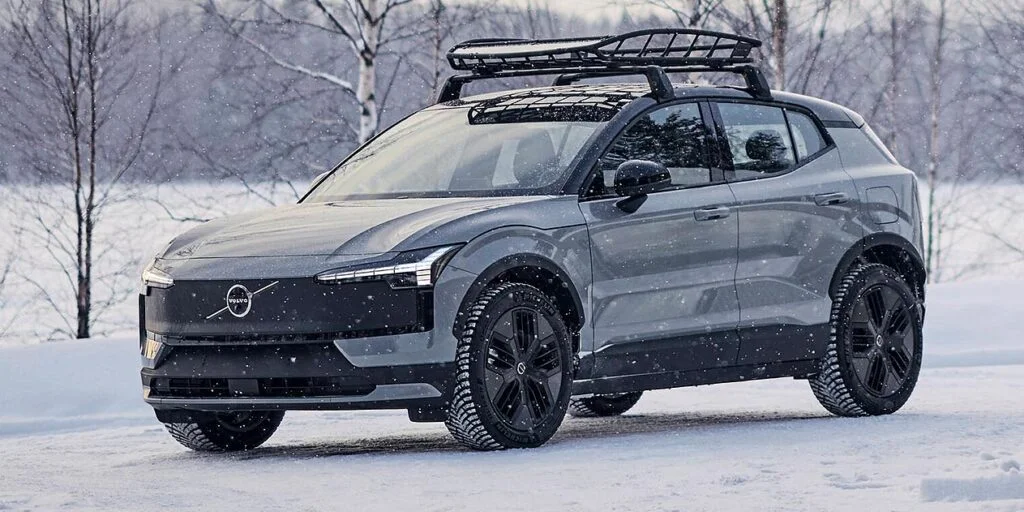
This is the simplest comparison on the list. The EX30 Cross Country is the same car with raised suspension (+37 mm ground clearance), off-road-specific tuning, rugged exterior styling, all-season tyres as standard, and — currently — AWD only. It’s aimed at buyers who want the compact EX30 footprint with a bit more go-anywhere confidence. You pay a premium of a few thousand euros and you lose the single-motor RWD option, but you gain reassurance on slippery roads and light trails.
Volvo EX30 vs Volvo EX30 Cross Country
| Spec | Volvo EX30 (Single Motor) | Volvo EX30 Cross Country |
|---|---|---|
| Drive | FWD (or AWD) | AWD only |
| Ground Clearance | 175 mm | 212 mm (+37 mm) |
| Range (est.) | Up to 480 km (WLTP) | Up to 432 km (WLTP) |
| Power | 272 hp / 422 hp | 422 hp (AWD) |
| Off-road Modes | No | Yes (Off-road mode) |
| Exterior | Standard | Raised with underbody protection |
| Starting Price (est.) | ~€36,000 | ~€42,000 |
Best for: Standard EX30 for city and mixed-road driving. Cross Country if you live somewhere rural, snowy, or want AWD peace of mind year-round.
11. Volvo EX30 vs Volvo EX40
Moving up the Volvo EV range means gaining a full size class. The EX40 is longer, taller, and offers meaningfully more rear-seat room and cargo space. The EX30 starts around €8,000–10,000 cheaper, making it a strong entry point into Volvo’s electric lineup. Performance is similar in single-motor trim; the EX40 gains more with AWD. If you’re buying solo or as a couple and mostly commute, EX30 might be all you need. Families will find the EX40 more liveable on longer trips.
| Spec | Volvo EX30 | Volvo EX40 |
|---|---|---|
| Body Type | Subcompact SUV | Compact SUV coupé |
| Length | 4,233 mm | 4,440 mm |
| Range (est.) | Up to 480 km (WLTP) | Up to 338 km (WLTP) |
| Power (top) | 422 hp (AWD) | 408 hp (AWD) |
| Cargo Volume | 318 L | 419 L |
| Frunk | 31 L | 31 L |
| Starting Price (est.) | ~€36,000 | ~€44,000 |
Best for: EX30 for budget-conscious urban buyers. EX40 for those who need more passenger and cargo space without going full-size.
12. Volvo EX30 vs Volvo C40 Recharge
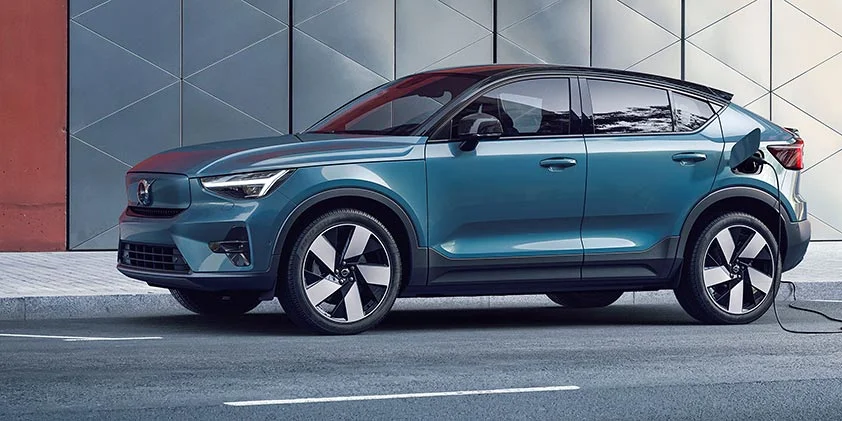
The C40 Recharge is effectively the predecessor to the EX40 — Volvo has been transitioning its naming to the EX/ES convention. So this comparison is largely EX30 vs one generation of the EX40’s predecessor. The C40 Recharge has been available longer, so used examples are plentiful and priced competitively. New, the EX30 undercuts it notably. The C40’s sloping roofline comes with the same rear headroom compromise you’ll find in the EX40. Battery and platform are the main differences alongside price.
Volvo EX30 vs Volvo C40 Recharge
| Spec | Volvo EX30 | Volvo C40 Recharge |
|---|---|---|
| Body Type | Subcompact SUV | Compact SUV coupé |
| Range (est.) | Up to 480 km (WLTP) | Up to 476 km (WLTP) |
| Power (top) | 422 hp (AWD) | 408 hp (AWD) |
| Cargo Volume | 318 L | 413 L |
| DC Charging | 153 kW | 150 kW |
| Starting Price (est.) | ~€36,000 | ~€46,000 (new) |
| Availability | Current production | Being replaced by EX40 |
Best for: EX30 for a brand-new entry at a lower price. C40 Recharge makes more sense as a used buy where the price gap widens further in the buyer’s favour.
13. Volvo EX30 vs Volvo XC40 Recharge
The XC40 Recharge is a full compact SUV with proper upright roofline, 452 L boot, and generous rear-seat headroom. The EX30 gives up all of that for a lower entry price and smaller parking footprint. For buyers choosing between the two, the question is simply: do you need the extra space, and can you stretch the budget? The XC40 Recharge’s higher battery and longer range in AWD form gives it an edge on road trips. EX30’s edge is value and urban agility.
Volvo EX30 vs Volvo XC40 Recharge
| Spec | Volvo EX30 | Volvo XC40 Recharge |
|---|---|---|
| Body Type | Subcompact SUV | Compact SUV (upright) |
| Range (est.) | Up to 480 km (WLTP) | Up to 426 km (WLTP) |
| Power (top) | 422 hp (AWD) | 408 hp (AWD) |
| Cargo Volume | 318 L | 452 L |
| Rear Headroom | Tight for tall adults | Comfortable |
| Starting Price (est.) | ~€36,000 | ~€43,000 |
Best for: Buyers regularly carrying taller rear passengers should opt for the XC40 Recharge. EX30 suits solo commuters and couples who don’t need the extra volume.
14. Volvo ES90 vs Volvo EX30 Cross Country
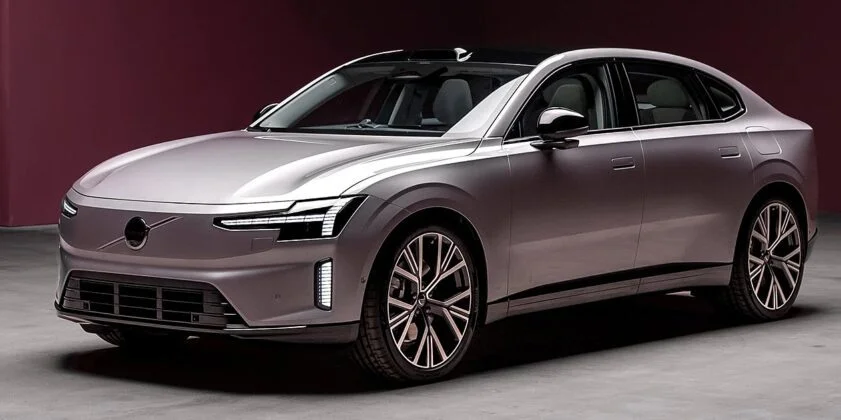
On paper, this comparison looks odd — a flagship electric saloon versus a rugged subcompact crossover. In practice, they represent the two ends of Volvo’s EV portfolio and come up together in searches from buyers who are comparing the full range. The ES90 is a large, long-wheelbase electric saloon targeting the S90’s executive audience. The EX30 Cross Country is an affordable, compact, go-anywhere variant of Volvo’s entry-level EV. They share the brand and the software platform, and almost nothing else.
Volvo ES90 vs Volvo EX30 Cross Country
| Spec | Volvo ES90 | Volvo EX30 Cross Country |
|---|---|---|
| Body Style | Full-size Executive Saloon | Subcompact AWD SUV |
| Target Buyer | Executive / luxury | Urban adventurer / value |
| Seating | 5 (long-wheelbase rear comfort) | 5 (compact) |
| Range (est.) | TBC (expected 700+ km WLTP) | Up to 432 km (WLTP) |
| Drive | AWD (Twin Motor) | AWD only |
| Ground Clearance | Low (saloon) | 212 mm (raised) |
| Starting Price (est.) | ~€75,000+ | ~€42,000 |
Best for: These two are for very different buyers. ES90 is for long-distance executive travel. EX30 Cross Country is for short-range, all-weather, everyday use. The only overlap is the Volvo badge.
15. Volvo ES90 vs Audi A6 Sportback e-tron
This is one of the most interesting comparisons on the list. Both are full-size electric saloons targeting the same executive audience that previously drove the Mercedes E-Class, BMW 5 Series, or Audi A6. The A6 Sportback e-tron is a strong entry from Audi — impressive range, fast 270 kW DC charging, and the Sportback body looks genuinely sharp. The ES90 counters with expected superior rear-seat legroom on the long-wheelbase version, Volvo’s Google-based OS, and the brand’s safety credentials. Pricing is expected to be competitive, with both sitting between €70,000–90,000 depending on spec.
Volvo ES90 vs Audi A6 Sportback e-tron
| Spec | Volvo ES90 | Audi A6 Sportback e-tron |
|---|---|---|
| Body Style | Full-size Saloon (LWB option) | Full-size Fastback Saloon |
| Range (est.) | TBC (expected 700+ km WLTP) | Up to 756 km (WLTP) |
| Power (top) | TBC (Twin Motor) | 551 hp (RS6 e-tron) |
| DC Charging | Up to 250 kW (est.) | Up to 270 kW |
| Infotainment | Google Automotive OS | MMI with Android Auto/Apple CarPlay |
| Rear Legroom | Executive-class (LWB) | Good, but not LWB spec |
| Starting Price (est.) | ~€75,000+ | ~€75,000 |
Best for: Audi A6 e-tron suits buyers who want the most range and a traditional premium German interior. ES90 suits those who want a cleaner, more minimal environment and Volvo’s safety record.
16. Volvo ES90 vs Polestar 4
Polestar 4 is an SUV coupé with no rear window — replaced by a panoramic roof and a rear camera feed to the mirror. It’s a bold design statement and a very different product from the ES90 saloon despite sharing some Geely group underpinnings. The ES90 is quieter, longer, and better suited to rear-seat passengers. Polestar 4’s driving experience is more dynamic; its charging speed and range figures are strong for the class. The target buyers barely overlap: ES90 is for driven executives, Polestar 4 is for design-conscious performance buyers who can live without a rear window.
| Spec | Volvo ES90 | Polestar 4 (Long Range Dual Motor) |
|---|---|---|
| Body Style | Full-size Saloon | SUV Coupé (no rear window) |
| Range (est.) | TBC (700+ km expected) | Up to 591 km (WLTP) |
| Power | TBC | 544 hp |
| 0–100 km/h | TBC | 3.8 s |
| DC Charging | Up to 250 kW (est.) | Up to 200 kW |
| Rear Visibility | Conventional glass | Camera-based (no rear window) |
| Rear-Seat Focus | High (executive comfort) | Lower (driver-centric) |
| Starting Price (est.) | ~€75,000+ | ~€60,000 |
Best for: ES90 for those who need a rear seat that rivals a business-class airline. Polestar 4 for those who want a fast, distinctive design and can accept the quirks.
17. Lynk & Co 02 vs Volvo EX40
Lynk & Co sits in the Geely group alongside Volvo and shares architecture with the EX40 — same XC40-based platform, similar powertrains. The 02 is Lynk & Co’s compact EV SUV and a close cousin to the EX40, but with a different design language that’s brasher and more street-facing. Lynk & Co also has a subscription model in some markets. The EX40 carries more brand prestige, wider dealer network, and better resale value in most markets. The 02 can appeal where price undercuts EX40 and where Lynk & Co has a service presence.
| Spec | Lynk & Co 02 Electric | Volvo EX40 |
|---|---|---|
| Body Style | Compact SUV | Compact SUV coupé |
| Platform | Geely SEA | Volvo CMA |
| Range (est.) | Up to 450 km (WLTP) | Up to 338 km (WLTP) |
| Power | 272 hp (single) | 238–408 hp |
| Drive | FWD / AWD | FWD / AWD |
| DC Charging | Up to 150 kW | Up to 130 kW |
| Brand Prestige | Emerging / niche | Established premium |
| Starting Price (est.) | ~€38,000 | ~€44,000 |
Best for: The Lynk & Co 02 offers good value if you’re in a market where the brand has support. EX40 wins on resale value, dealer coverage, and brand recognition globally.
18. Volvo EX40 vs Volvo EX30 Cross Country
Both are AWD Volvos in a broadly similar price bracket, which makes this one of the most genuine internal comparisons in the lineup. The EX30 Cross Country offers more off-road competence (higher ground clearance, dedicated off-road mode) in a smaller, more nimble package. The EX40 is larger, more comfortable for rear passengers, and better suited to motorway touring. If your journeys are mostly urban and weekend trails, Cross Country. If you’re doing longer family trips with luggage, EX40.
Volvo EX40 vs Volvo EX30 Cross Country
| Spec | Volvo EX30 Cross Country | Volvo EX40 (Twin Motor) |
|---|---|---|
| Body Style | Subcompact raised SUV | Compact SUV coupé |
| Drive | AWD only | AWD |
| Ground Clearance | 212 mm | 175 mm |
| Range (est.) | Up to 432 km (WLTP) | Up to 300 km (WLTP, AWD) |
| Cargo Volume | 318 L | 419 L |
| Off-road Mode | Yes | No |
| Starting Price (est.) | ~€42,000 | ~€52,000 |
Best for: EX30 Cross Country for those who want AWD versatility without size. EX40 for family users who need the extra space and touring comfort.
19. Volvo EX40 vs BMW iX
This is a significant size and price mismatch but a comparison that comes up because buyers in BMW territory sometimes consider whether dropping down to the EX40 makes financial sense. The iX is a full-size premium EV; the EX40 is a compact. The iX has superior range, a more refined ride, and a distinctly more premium interior — at a price roughly double the EX40’s entry point. Rarely do buyers genuinely cross-shop these two without price being the deciding factor. But for buyers near the €80,000 budget range, the iX xDrive40 versus a well-specced EX40 AWD is a real conversation.
| Spec | Volvo EX40 (Twin Motor) | BMW iX xDrive40 |
|---|---|---|
| Body Style | Compact SUV | Full-size SUV |
| Range (est.) | Up to 300 km (WLTP, AWD) | Up to 425 km (WLTP) |
| Power | 408 hp | 326 hp |
| Interior Size | Compact | Full-size, highly premium |
| DC Charging | 130 kW | 150 kW |
| Cargo Volume | 419 L | 500 L |
| Starting Price (est.) | ~€52,000 | ~€80,000 |
Best for: EX40 for buyers who want AWD Volvo value in a compact package. BMW iX for those who want full-size luxury and can justify the budget gap.
20. Volvo EX40 vs Hyundai Ioniq 9
The Ioniq 9 is Hyundai’s full-size 3-row electric SUV — Hyundai’s answer to the Kia EV9 in the seven-seater large SUV space. Comparing it to the compact EX40 again highlights how price overlap rather than size match drives these searches. At launch, the Ioniq 9 is expected to arrive around €65,000–75,000, above the EX40 but within range for buyers with flexible budgets. The Ioniq 9 offers far more space, third-row seating, and Hyundai’s impressive 800V E-GMP platform with ultra-fast charging. EX40 wins on premium feel per euro and compact footprint. Ioniq 9 wins on everything else if family capacity is a priority.
| Spec | Volvo EX40 (Twin Motor) | Hyundai Ioniq 9 (Long Range AWD) |
|---|---|---|
| Body Style | Compact SUV | Full-size SUV (3-row) |
| Seating | 5 | Up to 7 |
| Range (est.) | Up to 300 km (WLTP, AWD) | Up to 620 km (WLTP) |
| Power | 408 hp | 319 hp |
| Battery | ~69 kWh (usable) | 110.3 kWh |
| DC Charging | 130 kW | Up to 350 kW (800V) |
| Cargo Volume | 419 L | 620 L (3rd row folded) |
| Starting Price (est.) | ~€52,000 | ~€65,000 |
Best for: Ioniq 9 for families who need three rows and class-leading charging speed. EX40 for those who want a compact, nimble premium EV without the price or footprint of a full-size SUV.
Quick Reference: All 20 Volvo EV Comparisons at a Glance
| # | Comparison | Best Value Pick | Best Performance Pick | Best Space Pick |
|---|---|---|---|---|
| 1 | EX40 vs BMW iX3 | EX40 | BMW iX3 | BMW iX3 |
| 2 | XC40 Recharge vs EX40 | XC40 Recharge | Tie | XC40 Recharge |
| 3 | EX90 vs BMW iX | EX90 | BMW iX | EX90 |
| 4 | EX90 vs Polestar 3 | Polestar 3 | Polestar 3 | EX90 |
| 5 | EX30 vs Tesla Model Y | EX30 | EX30 | Model Y |
| 6 | EX30 vs Mini Countryman E | EX30 | EX30 | Mini |
| 7 | EX30 vs Nissan Ariya | EX30 | EX30 | Ariya |
| 8 | EX30 vs Mach-E | EX30 | Tie | Mach-E |
| 9 | EX30 vs VW ID.4 | EX30 | EX30 | ID.4 |
| 10 | EX30 vs EX30 Cross Country | EX30 | Cross Country (AWD) | Tie |
| 11 | EX30 vs EX40 | EX30 | Tie | EX40 |
| 12 | EX30 vs C40 Recharge | EX30 | Tie | C40 Recharge |
| 13 | EX30 vs XC40 Recharge | EX30 | Tie | XC40 Recharge |
| 14 | ES90 vs EX30 Cross Country | EX30 CC | ES90 | ES90 |
| 15 | ES90 vs Audi A6 e-tron | Tie | Audi A6 e-tron | ES90 (LWB) |
| 16 | ES90 vs Polestar 4 | Polestar 4 | Polestar 4 | ES90 |
| 17 | Lynk & Co 02 vs EX40 | Lynk & Co 02 | Lynk & Co 02 | EX40 |
| 18 | EX40 vs EX30 Cross Country | EX30 CC | Tie | EX40 |
| 19 | EX40 vs BMW iX | EX40 | EX40 | BMW iX |
| 20 | EX40 vs Hyundai Ioniq 9 | EX40 | EX40 | Ioniq 9 |
All range, power, and pricing figures are estimates based on manufacturer data, pre-production announcements, and independent tests as of 2026. Figures may vary by region, trim, and driving conditions. Always verify with your local Volvo or brand dealer before purchase.
Related EV Cluster
- French Electric Hatchbacks 2026: Which One Should You Buy?
- Volkswagen EV Comparisons 2026: Every Model vs the Competition
- Togg EVs Compared 2026: Turkey’s Electric Cars vs Global Rivals
- Voyah EV Guide 2026: Full Lineup vs Every Rival
- Electric Sedans $30K–$50K: Every 2026 Model Compared