- Electric Vehicles
- Roam Electric
- Roam Rapid
Roam Rapid



- Drive Type: RWD
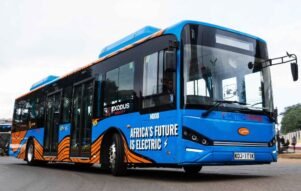
- Type: 12-metre low-floor electric mass transit bus; 36 seated + 54 standing (90 total)
- Self Driving:
- Airbags:
PROS
- A 360 km range on a single charge covers a full day of urban operations
- Charging takes under two hours
- The bus is assembled entirely in Kenya, reducing import dependency and supporting local manufacturing capacity
CONS
- The bus is still in a pilot phase for fleet rollout
- Battery components are imported rather than sourced locally
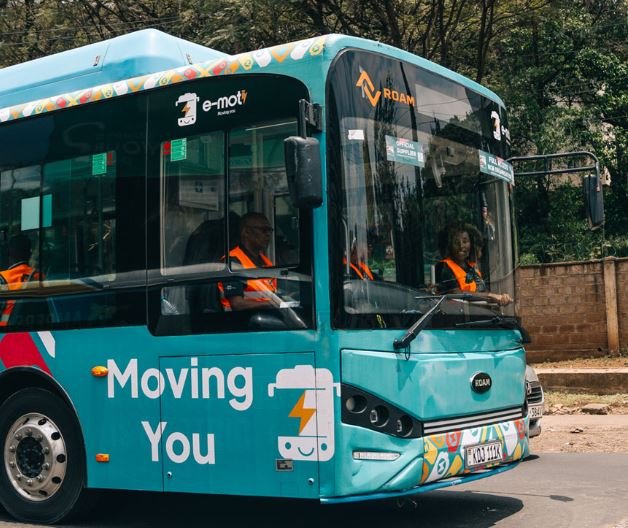
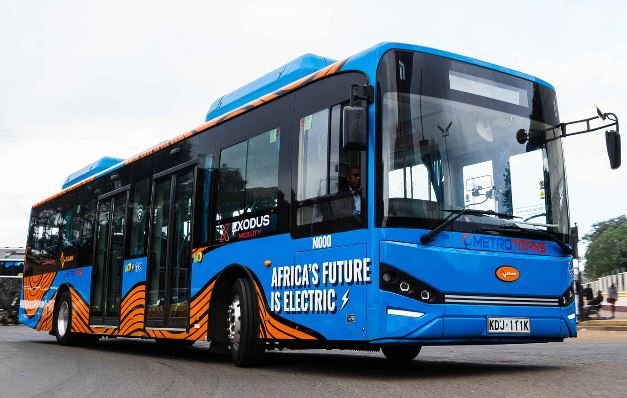
The Roam Rapid is a fully electric mass transit bus launched in Kenya in 2022 by Roam, a Swedish- Kenyan electric vehicle company. It is a 77-seater (90 including standing passengers), making it a high-capacity full-size urban transit bus — positioned squarely in the public transport segment and built to replace diesel-powered city buses on high-demand routes.
The Roam Rapid runs on a 384-kWh battery pack with a stated range of 360 kilometres, a top speed of 70 km/h, and the battery can be fully charged in under two hours via DC charging ports. For normal daily operations, Roam says operators can run all day without needing to recharge mid-route.
Roam’s pricing strategy for the Rapid targets cost parity with a comparable diesel bus at the point of purchase, with operators expected to use the operational savings — estimated at a minimum of 60% — to pay off the remainder of the cost in under four years through a lease-to-own model. This makes it practical primarily for bus operators, city transport authorities, and public transit cooperatives in African urban markets. Within Roam’s own lineup, it sits alongside the Roam Move, a smaller 41–51-seat shuttle bus with a 170-kWh battery and 200 km range, and the Roam Air, an electric motorcycle built for commercial and commuter use. Alternative competitors in the electric bus segment include the BYD eBus-12 and Yutong E12, both of which offer longer ranges and established global service networks but are not locally assembled for African markets. By comparison, the Roam Rapid holds a clear edge over a standard Kenyan diesel bus in running costs, though it lacks the global parts and service infrastructure of the Chinese alternatives.
Roam Rapid Images

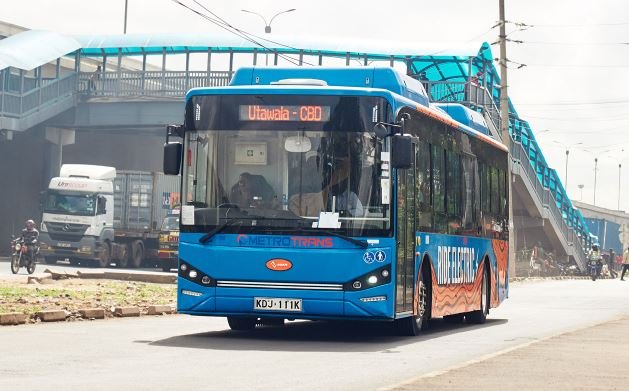
Full Electric Vehicle Specifications
MODEL
| Available Trims / Variants | Roam Rapid (single variant) |
LAUNCH
| Reveal Date | August 2022 |
| Availability Status | In operation (pilot routes, Nairobi) |
| Country of origin | Kenya (assembled locally) |
BATTERY
| Battery Capacity | 384 kWh |
| Range (WLTP/CLTC/EPA) | 360 km / ~224 mi (urban cycle, fully loaded) |
| Heat Pump | |
| DC Charging (Max kW) | Yes — 180 kW DC fast charge; full charge in under 2 hours |
PERFORMANCE
| Power Output (kW / hp) | electric (rear-wheel drive) |
| Top Speed (km/h / mph) | 70 km/h (44 mph) |
| Transmission / Drive | Single-speed electric (direct drive) |
BODY
| Body Style | 12-metre low-floor electric mass transit bus; 36 seated + 54 standing (90 total) |
| Platform / Architecture | Purpose-built; chassis assembled in Kenya from imported components |
| Dimensions (L×W×H mm) | L 12,500 mm × W 2,550 mm × H 3,300 mm |
| Additional Notes | Low-floor entry with kneeling function; wheelchair ramp; LHD and RHD available |
SAFETY
| Driver Assistance (ADAS) | Collision avoidance and advanced driver assistance systems (per Roam Move specs; unconfirmed for Rapid) |
COMFORT
| Seating Capacity | 36 seats; priority seating for elderly and passengers with limited mobility; extended legroom; designated wheelchair areas |
| Additional Notes | Air conditioning (stated on Roam website); low noise operation |
DISPLAYS
LIGHTING
INFOTAINMENT & AUDIO
TECHNOLOGY
OWNERSHIP
Note
| Additional Notes |
Range figure is under urban cycle conditions with full passenger load; real-world results may vary by route and terrain Pricing follows a lease-to-own model; upfront cost is positioned at parity with a diesel bus Several specs (power, torque, suspension, weight) have not been officially published by Roam as of April 2026 |
User Reviews
Disclaimer Note
Specifications sourced from manufacturer data and may reflect WLTP, CLTC, or EPA test conditions. Import prices in your local are estimates based on grey-market landing costs and exclude duties, clearing fees, and local taxes. Figures are subject to change without notice. Always verify with your local importer before purchase. We can not guarantee that the information on this page is 100% correct
More Roam Electric Electric Vehicles

Recent Electric Vehicles










Recent Compares
-
 Volkswagen ID. Unyx 07 vs BYD Seal 06 GT
View Comparison →
Volkswagen ID. Unyx 07 vs BYD Seal 06 GT
View Comparison → -
Volkswagen ID. Unyx 07 vs Tesla Model 3 2025
View Comparison →
-
 Volkswagen ID. Unyx 07 vs XPeng MONA M03
View Comparison →
Volkswagen ID. Unyx 07 vs XPeng MONA M03
View Comparison → -
Volkswagen ID. Unyx 07 vs Xiaomi SU7 2026
View Comparison →
-
Volkswagen ID. Unyx 07 vs Volkswagen ID.7 2025
View Comparison →


Recent EV News