If you are shopping for an electric two-wheeler in Nigeria, Kenya, or South Africa, the short answer is: an e-scooter is cheaper and better for short urban trips; an e-bike makes more sense if you need to cover serious distance, carry cargo, or share roads with traffic moving faster than 50 km/h.
Both have improved significantly over the past two years, and both are now available in African markets — some locally assembled, most imported from China. But they are not the same product, and the wrong choice will cost you real money. Price gaps between entry-level models can run from ₦180,000 to ₦900,000 depending on the category and import route.
Below, we break down range, speed, cost, legal status, and real-world use cases so you can make the right call before spending.
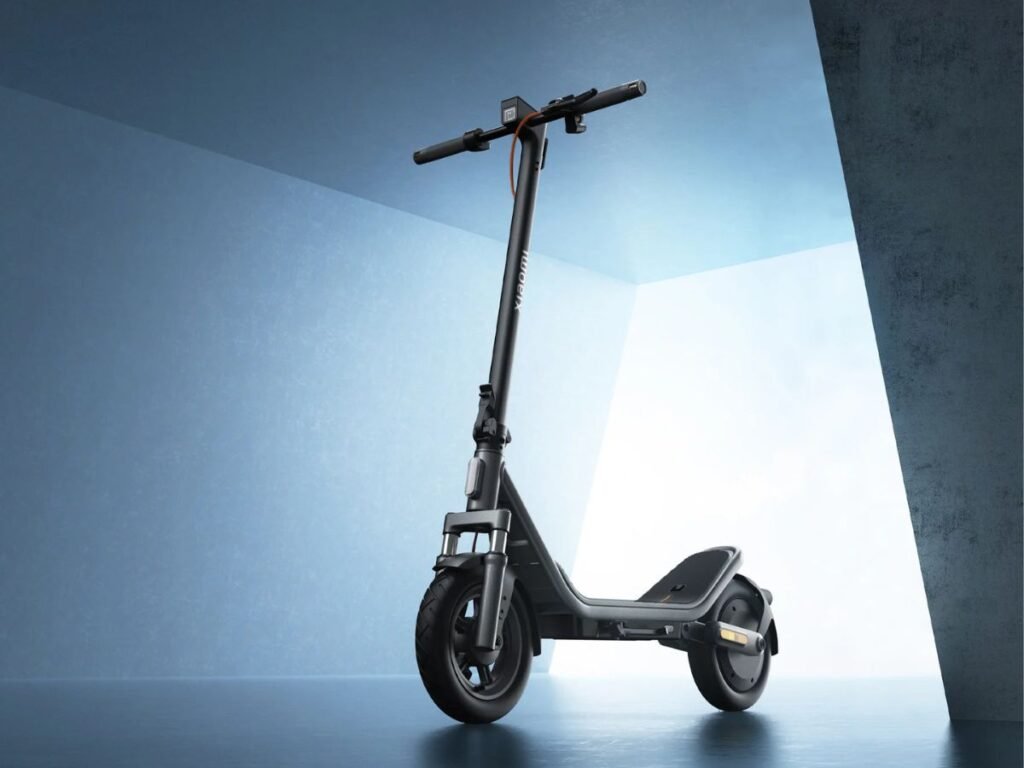
Quick Summary Box
5 Things to Know Before You Choose
- E-scooters are cheaper upfront (typically $300–$800 / ₦220,000–₦590,000) but have shorter range (15–35 km per charge).
- E-bikes cost more ($500–$2,500 / ₦370,000–₦1.8M) but deliver 40–100 km of range and handle rougher roads better.
- For Lagos, Nairobi, or Johannesburg city commutes under 20 km, an e-scooter gets the job done.
- For last-mile delivery, campus use, or peri-urban routes, an e-bike’s carrying capacity and range give it an edge.
- Neither is universally legal on Nigerian or Kenyan highways — check local regulations before buying.
Electric Bike vs Electric Scooter: The Full Breakdown
What Actually Makes Them Different
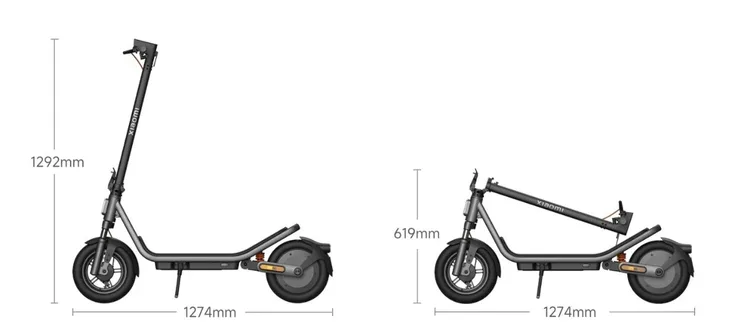
An electric scooter has a step-through frame, smaller wheels (typically 8–10 inches), and a motor rated between 250W and 500W. You stand or sit on a platform. Most fold for storage.
An electric bike looks and handles like a conventional bicycle. It has larger wheels (20–28 inches), pedals, and a motor that either assists your pedalling (pedal-assist / PAS) or drives the wheel directly (throttle). Motors range from 250W to 750W on consumer models; cargo and commercial variants go higher.
The frame geometry matters more than the spec sheet. On potholed roads in Onitsha, Thika, or Durban’s outer suburbs, bigger wheels and a full-suspension frame make a measurable difference in rider fatigue.
Range: How Far Can You Actually Go?
Electric Scooters
Most mid-range e-scooters sold in African markets claim 25–40 km per charge on CLTC figures. Real-world numbers in hot climates, with an adult rider above 70 kg, on roads with regular stops, typically land 20–30% lower. Budget for 20–28 km per charge if you are riding in Lagos or Nairobi heat.
Electric Bikes
Entry-level e-bikes (36V, 10Ah batteries) deliver roughly 40–60 km on pedal-assist mode. Mid-range models with 48V, 15Ah packs can do 70–100 km under similar conditions. Again, CLTC claims are higher than real-world performance — expect a 15–25% gap depending on rider weight, assist level, and terrain.
For a daily commute under 20 km each way (40 km round trip), an e-scooter is fine if you can charge at work or home. Beyond that distance, an e-bike is the safer bet.
Speed
| Vehicle | Typical Top Speed | Regulated Limit (Most Markets) |
|---|---|---|
| Entry e-scooter | 20–25 km/h | 25 km/h (EU standard) |
| Mid-range e-scooter | 25–45 km/h | 25–45 km/h (varies) |
| E-bike (pedal-assist) | 25–32 km/h | 25 km/h (class 1/2) |
| E-bike (throttle) | 32–50 km/h | 32 km/h (class 3) |
| High-power e-scooter | 45–65 km/h | Requires registration in most countries |
Nigeria and Kenya do not have a nationally codified e-bike / e-scooter speed classification as of 2025. Most riders operate in a grey zone. This matters for insurance and liability, not just legality.
Pricing in African Markets
Prices below reflect grey-market import reality. Confirmed local assembly (Roam in Kenya, Spiro in Rwanda/Nigeria) typically comes with financing options that change the effective upfront cost.
Electric Scooters
| Tier | USD Price | NGN (approx.) | KES (approx.) | ZAR (approx.) |
|---|---|---|---|---|
| Budget (unbranded Chinese) | $250–$400 | ₦185,000–₦295,000 | KES 33,000–53,000 | R4,700–R7,500 |
| Mid-range (Xiaomi, Segway) | $450–$800 | ₦332,000–₦590,000 | KES 59,000–105,000 | R8,400–R15,000 |
| Performance (Ninebot Max, Vsett) | $900–$1,500 | ₦665,000–₦1.1M | KES 118,000–198,000 | R17,000–R28,000 |
Electric Bikes
| Tier | USD Price | NGN (approx.) | KES (approx.) | ZAR (approx.) |
|---|---|---|---|---|
| Budget (unbranded, 36V) | $450–$700 | ₦332,000–₦517,000 | KES 59,000–92,000 | R8,400–R13,000 |
| Mid-range (FIIDO, Lectric, Himo) | $750–$1,400 | ₦554,000–₦1.03M | KES 99,000–184,000 | R14,000–R26,000 |
| Locally assembled (Roam Air) | ~$1,500 (with financing) | N/A (KES market) | KES ~130,000 | N/A |
| Commercial/cargo | $1,200–$2,500 | ₦886,000–₦1.85M | KES 158,000–330,000 | R22,000–R47,000 |
Currency conversions based on approximate mid-2025 rates. Grey-market import prices vary by clearing agent and port fees. Confirm current rates before purchasing.
Carrying Capacity and Practical Use
E-scooters max out around 100–120 kg rider weight. Most have no integrated cargo solution beyond a small deck. You can strap a bag, but that is it.
E-bikes support the same rider weight, but the platform is fundamentally better for carrying things. A rear rack, front basket, or pannier setup can add 15–25 kg of cargo capacity. Commercial cargo e-bikes — the kind BasiGo and similar operators use for last-mile delivery in Nairobi — carry 100 kg+ of payload on purpose-built frames.
If you are running a delivery
Road Suitability
This is the section Western EV media consistently skips, and it matters most for African riders.
E-scooters struggle on:
- Unpaved laterite roads
- Deep potholes (small wheels drop in and bounce hard)
- Gravel shoulders
- Wet or muddy surfaces (limited traction, small contact patch)
E-bikes handle:
- Rough tarmac and potholes better (larger wheels roll over obstacles)
- Gravel tracks and dirt paths (especially fat-tyre or mountain e-bike variants)
- Moderate off-road surfaces with a hardtail or full-suspension frame
If your daily route includes anything beyond smooth city asphalt, factor in road quality before the price tag.
Battery and Maintenance
Both run lithium-ion batteries. Replacement cost is the number that hurts most when it comes due.
E-scooter battery replacement (36V, 7–10Ah): $80–$180 grey-market. Hard to source locally in most Nigerian or Kenyan cities outside Lagos and Nairobi.
E-bike battery replacement (36–48V, 10–15Ah): $120–$350. More standardised formats exist, but compatibility with specific brands varies. Roam Air batteries, for example, are proprietary to Roam’s swapping infrastructure in Kenya — which is a feature if you are on their network and a problem if you are not.
For maintenance beyond battery, e-bikes have more moving parts (chain/belt drive, derailleurs, brake pads, tyre tubes) but those parts are widely available at any bicycle shop. E-scooter decks and motors are simpler mechanically but harder to service locally if something non-standard breaks.
Full Comparison Table
| Feature | Electric Scooter | Electric Bike |
|---|---|---|
| Typical range (real-world) | 20–30 km | 40–80 km |
| Top speed | 25–45 km/h | 25–50 km/h |
| Motor power | 250W–500W | 250W–750W |
| Battery capacity | 5–15 Ah | 10–20 Ah |
| Charging time | 3–6 hours | 4–8 hours |
| Rider weight limit | 100–120 kg | 100–150 kg |
| Cargo capacity | Minimal (deck only) | Medium–high (rack, panniers) |
| Entry price (Africa market) | $250–$400 / ₦185K | $450–$700 / ₦332K |
| Foldable/portable | Often yes | Rarely (folding e-bikes exist) |
| Road suitability | Smooth city roads | City + rough terrain |
| Maintenance access | Limited locally | Better (bicycle shops) |
| Legal status (Nigeria/Kenya) | Grey zone | Grey zone |
| Best for | Short city commutes | Daily commutes, delivery, campus |
Africa-Specific Brands Worth Knowing
If you want something beyond grey-market imports, a few operators are building for African conditions:
Roam (Kenya) — Makes the Roam Air e-bike, designed for Kenyan roads and supported by a battery swap network in Nairobi. Targeted at bodaboda operators.
Spiro (Rwanda / Nigeria) — Focuses on e-motorcycles for commercial riders with a pay-as-you-go battery swap model. Their pricing model differs from a standard purchase.
ARC Ride (Kenya) — Another Nairobi-based operator targeting commercial motorbike riders with leased e-bikes and battery swap infrastructure.
These brands are worth considering if you are in Kenya and want local service support. In Nigeria, grey-market Chinese imports remain the dominant access route as of mid-2025.
Legal and Insurance Considerations
Neither Nigeria nor Kenya has finalised regulations for electric two-wheelers as of 2025. South Africa’s National Road Traffic Act technically classes e-bikes over 250W as motor vehicles, requiring registration and a licence. In practice, enforcement is inconsistent.
What this means for buyers:
- Insurance for e-scooters and e-bikes is available from a handful of Nigerian and Kenyan underwriters but not standardised.
- If you are involved in an accident on an unregistered high-power e-scooter, liability exposure is real.
- Bodaboda platforms (Bolt, SafeBoda) in Kenya have started specifying compliant e-bike models for riders who want to work on their networks.
Bottom Line Verdict
For most city riders in Lagos, Nairobi, or Johannesburg commuting under 20 km daily, an e-scooter in the ₦200,000–₦400,000 range gets the job done at a price that makes sense. If your route involves rough roads, you carry cargo, or your daily distance pushes past 30 km, an e-bike is worth the extra spend — and in Kenya, Roam’s bodaboda-targeted models make the case even stronger. Buy based on your actual route, not the spec sheet.
Related EV News
- Plug-in Hybrid vs Full Electric Car: Which to Buy in 2026?
- BYD vs Geely: Which Chinese EV Brand Is Actually Better in 2026?
- Tesla Model 3 vs BMW i4 After 30 Days: Phantom Drain, Charging Fault, Real 2025 Winner