The $15,000 EV Is Real in 2026 — But It’s Used
No new electric car costs under $15,000 right now. The cheapest new EV in America is the redesigned 2026 Nissan Leaf, which starts at $29,990. That’s the honest starting point.
But here’s what’s changed: the used EV market has collapsed in the best possible way for buyers.
A combination of ending leases, expired federal tax credits, and slowing new EV sales has pushed used electric car prices to multi-year lows. Vehicles that cost $30,000–$40,000 new just three to four years ago are now sitting on dealer lots and auction sites for $10,000–$14,000. Some with well under 50,000 miles. Many with significant battery warranty still intact.
If your budget is $15,000, 2026 is a genuinely good time to go electric.
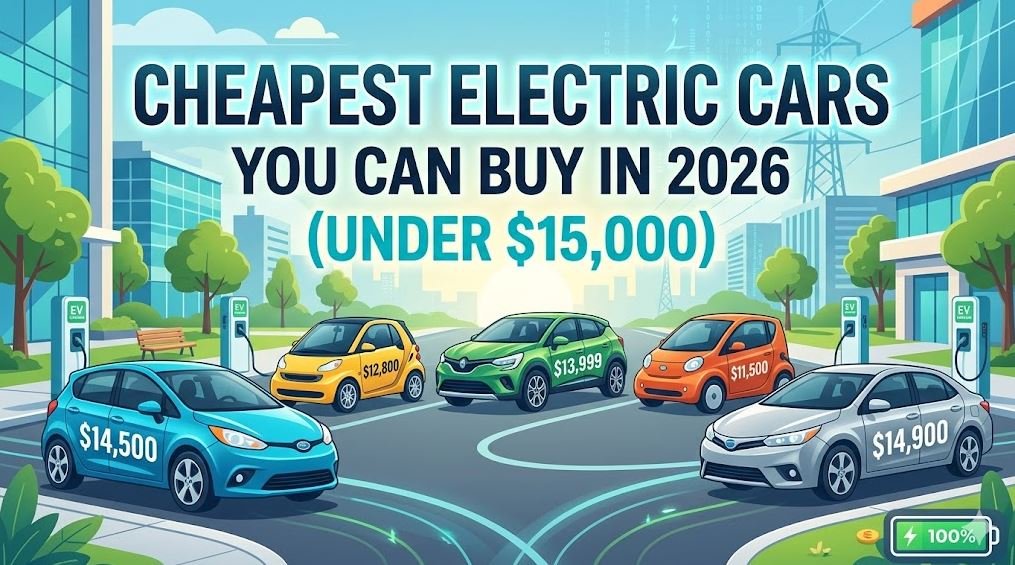
What’s Driving Used EV Prices Down in 2026
Three things hit the used market at once:
Lease returns flooded supply. From 2021 to 2023, around 67% of new EVs were leased rather than purchased outright — partly because leased vehicles qualified for the $7,500 federal EV tax credit regardless of origin. Those leases are now ending, and returns are surging. More supply, softer prices.
The federal EV tax credit expired. The $7,500 new EV purchase credit and the $4,000 used EV credit both expired on September 30, 2025. New EV sales dropped 28% in Q1 2026 as a result, leaving automakers with roughly 130 days of unsold inventory. That pressure is trickling down into used pricing.
New models keep improving. Every generation of EV offers more range and faster charging than the last. That makes older models feel dated faster than comparable gas cars, which accelerates depreciation.
For buyers, all of that adds up to one thing: you can get a lot of electric car for $15,000 right now.
The 7 Best Electric Cars Under $15,000 in 2026
1. Chevrolet Bolt EV (2017–2020) — Best Overall Pick
Typical used price: $9,000–$14,500
The Bolt is the easiest recommendation on this list. It was one of the first genuinely practical mass-market EVs — real-world range of 200–238 miles, a comfortable interior, and a drivetrain that has proven dependable over hundreds of thousands of miles of documented use.
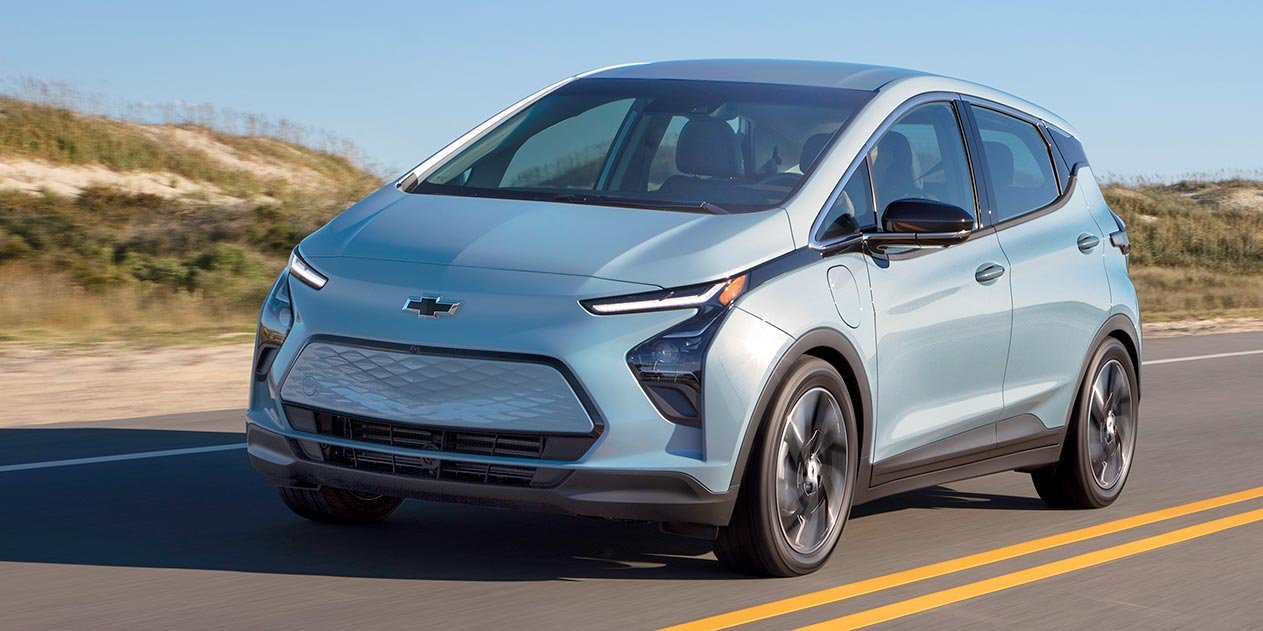
GM issued a battery recall for certain 2017–2019 models (LG Chem cells linked to fire risk) that was resolved through battery replacements. Verify the recall status on any Bolt you’re considering — cars with the replacement battery are arguably better buys than factory units at this point.
2020 models with the updated battery are the sweet spot. Under $14,000 with reasonable mileage is doable if you shop carefully.
Best for: Daily commuters who want the most range per dollar under $15K.
2. Nissan Leaf (2018–2021) — Most Widely Available
Typical used price: $8,000–$13,000
The Leaf is everywhere. That’s both its biggest advantage and its biggest complication.
The 40 kWh Leaf (2018–present) offers around 149 miles of EPA range — enough for most daily driving, but thin for road trips. The 62 kWh Leaf Plus (available from 2019) pushes that to 212 miles and is worth hunting for if you can find one within budget.
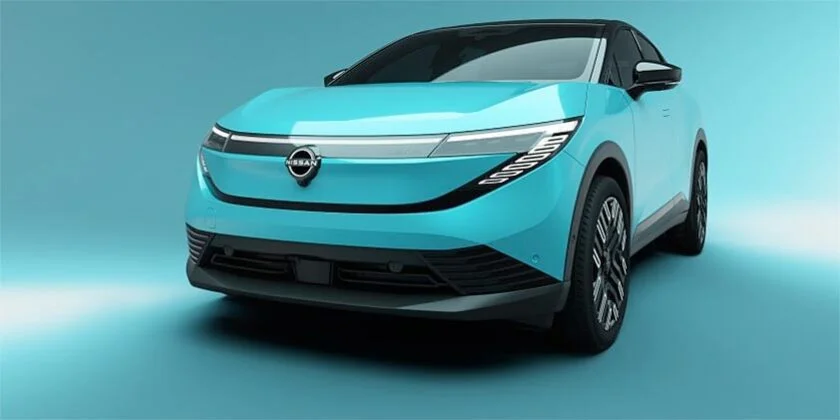
One thing to know before buying: the Leaf uses passive thermal management for its battery rather than active liquid cooling. In hot climates, this accelerates long-term capacity degradation. If you’re in Arizona, Texas, or Southern California, the Bolt handles heat better. Everywhere else, the Leaf is a solid value.
Best for: City and suburban drivers in moderate climates who want a low-maintenance commuter.
3. BMW i3 (2014–2021) — Most Character Per Dollar
Typical used price: $9,000–$14,000
The i3 is strange-looking, tiny, and built from carbon fiber reinforced plastic. It is also one of the most interesting cars you can buy for under $15,000 in any category.
Range-extended versions (i3 REx) include a small two-cylinder gasoline backup generator, which makes range anxiety a non-issue even with an older battery. Pure BEV versions with the 94 Ah battery (2017+) offer around 153 miles of range.
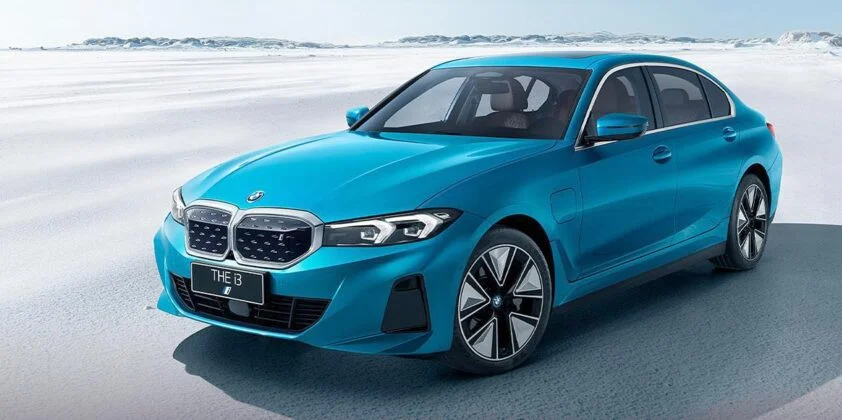
The rear-hinged “suicide doors” make rear-seat access awkward, and the rear seat itself is tight. But as a city car or a second vehicle, the i3 punches well above its used price. BMW’s build quality holds up, and the driving dynamics are genuinely fun.
Best for: Urban drivers who want something distinctive and don’t need rear-seat space.
4. Hyundai Kona Electric (2019–2022) — Best Efficiency
Typical used price: $11,000–$14,500
The Kona Electric is one of the most underrated used EVs on the market. It has active battery thermal management (unlike the Leaf), a legitimate 258-mile EPA range on the 64 kWh version, and a reputation for reliability that holds up in real-world ownership data.
Hyundai issued a battery recall for certain 2019–2021 Kona Electric models due to fire risk. As with the Bolt, check recall completion status before purchasing. Recalls that have been fully addressed are not a reason to avoid a car — they’re a reason to verify.
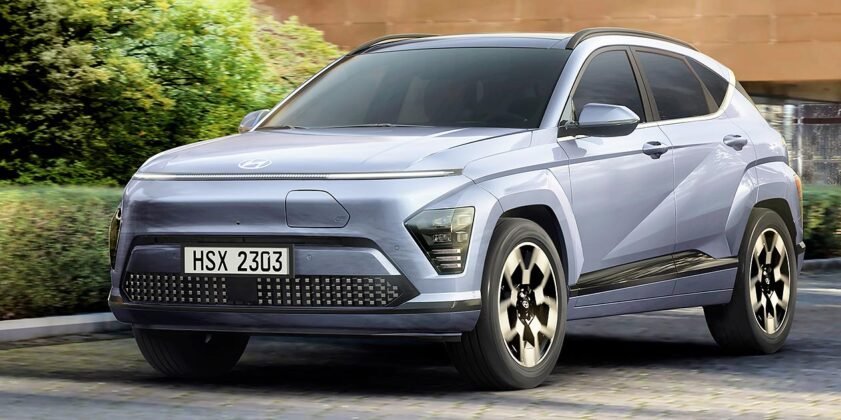
The Kona is compact but practical: 19 cubic feet of cargo space, comfortable front seats, and a straightforward infotainment system that doesn’t try to do too much.
Best for: Buyers who want long real-world range and proven reliability in a small SUV form.
5. Volkswagen e-Golf (2015–2019) — Ultra-Budget Entry Point
Typical used price: $7,500–$11,000
If you want to spend the least possible money to get into an EV, the e-Golf gets you there. EPA range is only 125 miles on the 2017–2019 models, which makes it a strict urban and suburban car — not a road-trip vehicle.
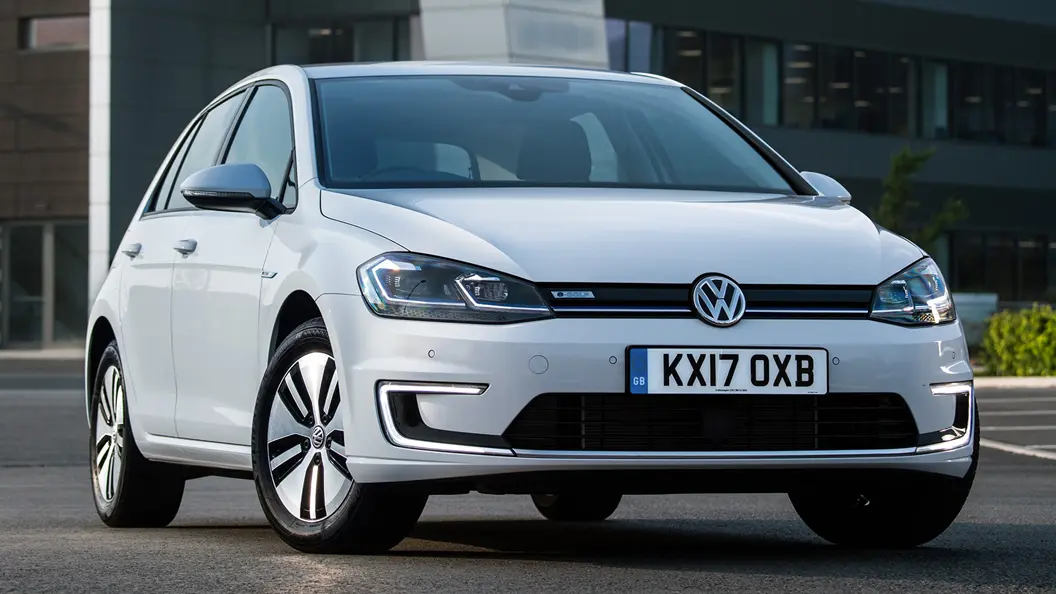
What it offers instead: the familiar, well-built Golf interior, VW’s solid long-term reliability record, and a driving experience that feels normal in a way that some purpose-built EVs don’t. If you’re coming from a gas car and want the transition to feel unremarkable, the e-Golf is probably the least intimidating EV on this list.
Best for: Short-range commuters who want the lowest possible upfront cost and a conventional driving feel.
6. Kia Soul EV (2015–2019) — Most Cargo Space
Typical used price: $9,000–$13,500
The Soul EV offers something rare in sub-$15,000 EV territory: genuinely usable cargo space. The boxy body style translates into 61.3 cubic feet of maximum cargo volume with the rear seats folded — more than most compact SUVs.
The 2015–2018 models have a 27 kWh battery and roughly 93 miles of range, which is limited. The 2019 model year brought a 64 kWh battery and 243 miles of range, making it a much stronger buy if you can find one within budget.
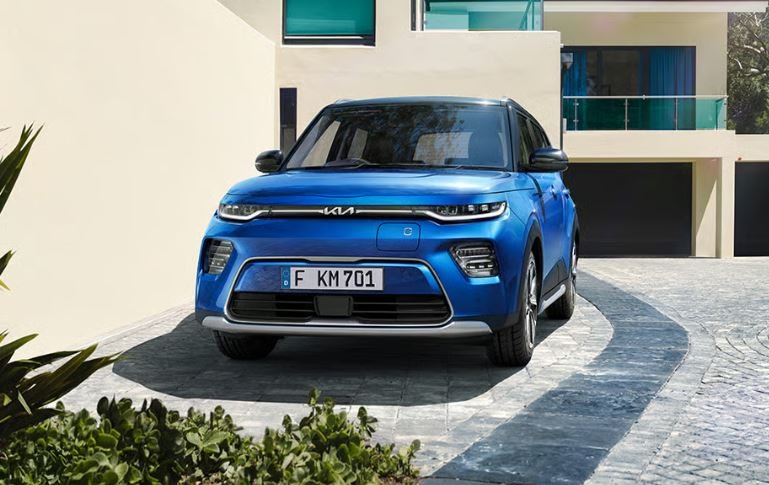
Like the Leaf, the Soul EV uses CHAdeMO for fast charging, which is becoming harder to find at public stations. Plan your charging strategy before buying.
Best for: Buyers who prioritize cargo utility and can live with CHAdeMO charging.
7. Fiat 500e (2013–2019) — Best Second Car
Typical used price: $6,000–$11,000
The original Fiat 500e (not the current European version) was sold in limited markets — mainly California — and was notoriously leased at a loss by Fiat, which famously didn’t want to sell it. That made it a terrible car for the automaker and a great deal for lessees who returned them.

Range is about 87 miles on the 24 kWh battery. That’s not enough for anything beyond local driving. But as a second car in a household that already has a longer-range vehicle, the 500e makes a lot of sense: it’s small, easy to park, genuinely fun in the city, and cheap enough that you won’t worry about it.
Best for: Second-car buyers who need a cheap, cheerful city runabout.
Used EV Buying Checklist: What to Look For Under $15,000
Buying a used EV requires a few different checks than a gas car. Before you pay anything, verify these:
- Battery health report. Many dealers can run a diagnostic showing actual battery capacity versus original. Look for anything above 80% of original capacity on older models.
- Recall status. Check the NHTSA recall database using the VIN. For Bolts and Kona Electrics especially, confirm recall work has been completed.
- Charging equipment. Make sure the car comes with a Level 1 or Level 2 charging cable, or factor the cost of one into your budget.
- Remaining warranty. Most EV batteries carry an 8-year/100,000-mile warranty from the manufacturer. Verify how much coverage is left and whether it transfers to a new owner.
- Charging port type. The Leaf and Soul EV use CHAdeMO for DC fast charging — a standard that’s being phased out. If fast charging matters to your use case, this is worth weighing.
Quick Comparison: Cheapest EVs Under $15,000 in 2026
| Model | Typical Price | Range | Best For |
|---|---|---|---|
| Chevrolet Bolt EV (2017–2020) | $9K–$14.5K | 200–238 mi | Best overall value |
| Nissan Leaf (2018–2021) | $8K–$13K | 149–212 mi | Most widely available |
| BMW i3 (2014–2021) | $9K–$14K | 107–153 mi | City driving + character |
| Hyundai Kona Electric (2019–2022) | $11K–$14.5K | 258 mi | Best range + reliability |
| Volkswagen e-Golf (2015–2019) | $7.5K–$11K | 125 mi | Lowest cost entry |
| Kia Soul EV (2015–2019) | $9K–$13.5K | 93–243 mi | Most cargo space |
| Fiat 500e (2013–2019) | $6K–$11K | 87 mi | Best second car |
Is a Used EV Under $15,000 Worth It in 2026?
For the right buyer, yes — clearly.
The infrastructure argument against EVs has largely resolved itself. Nearly every major charging network now supports NACS (Tesla-style) plugs, and coverage has expanded significantly outside major metros. Maintenance costs are genuinely lower: no oil changes, fewer brake replacements (regenerative braking reduces wear), and fewer moving parts to service.
The ownership math still works even without the federal tax credit. Fuel savings alone typically run $1,000–$1,500 per year compared to a comparable gas vehicle. Over five years, that’s $5,000–$7,500 back in your pocket — more than a third of what you paid for the car.
The honest caveat: range is the real variable. Most of the cars on this list were designed four to seven years ago, and their range numbers show it. If you routinely drive 150+ miles in a day, the budget options here will frustrate you. But for the average American commute — which is under 30 miles round trip — these cars are more than enough, and they’re far cheaper to run than anything with a tailpipe.
Related EV News
- EV Charging Stations in Nigeria: Where Can You Charge in 2026?
- Nigeria Scraps Import Duty on Electric Vehicles, Cuts Car Tariffs Amid Oil Crisis
- Roam Air Electric Motorcycle Sets Unofficial World Record on Solar-Powered 6,200km Africa Ride
- Electric Minibus Taxis Are Coming to Cape Town in 2026 — Here’s What the Data Shows
- South Africa’s Surging Fuel Prices Are Driving Interest in Electric Cars