Jumia Converts 50% of Uganda Delivery Fleet to EVs, Runs Solar Warehouses in Côte d’Ivoire
Nearly half of Jumia’s delivery motorcycles and vans in Uganda are now electric, and over 40% of its warehouse power in Côte d’Ivoire comes from solar panels — concrete numbers that mark one of the more substantive green logistics shifts seen in African e-commerce to date.
The e-commerce platform has been restructuring its delivery and warehousing infrastructure across both East and West Africa, and for once the headline figures are specific enough to be worth paying attention to.
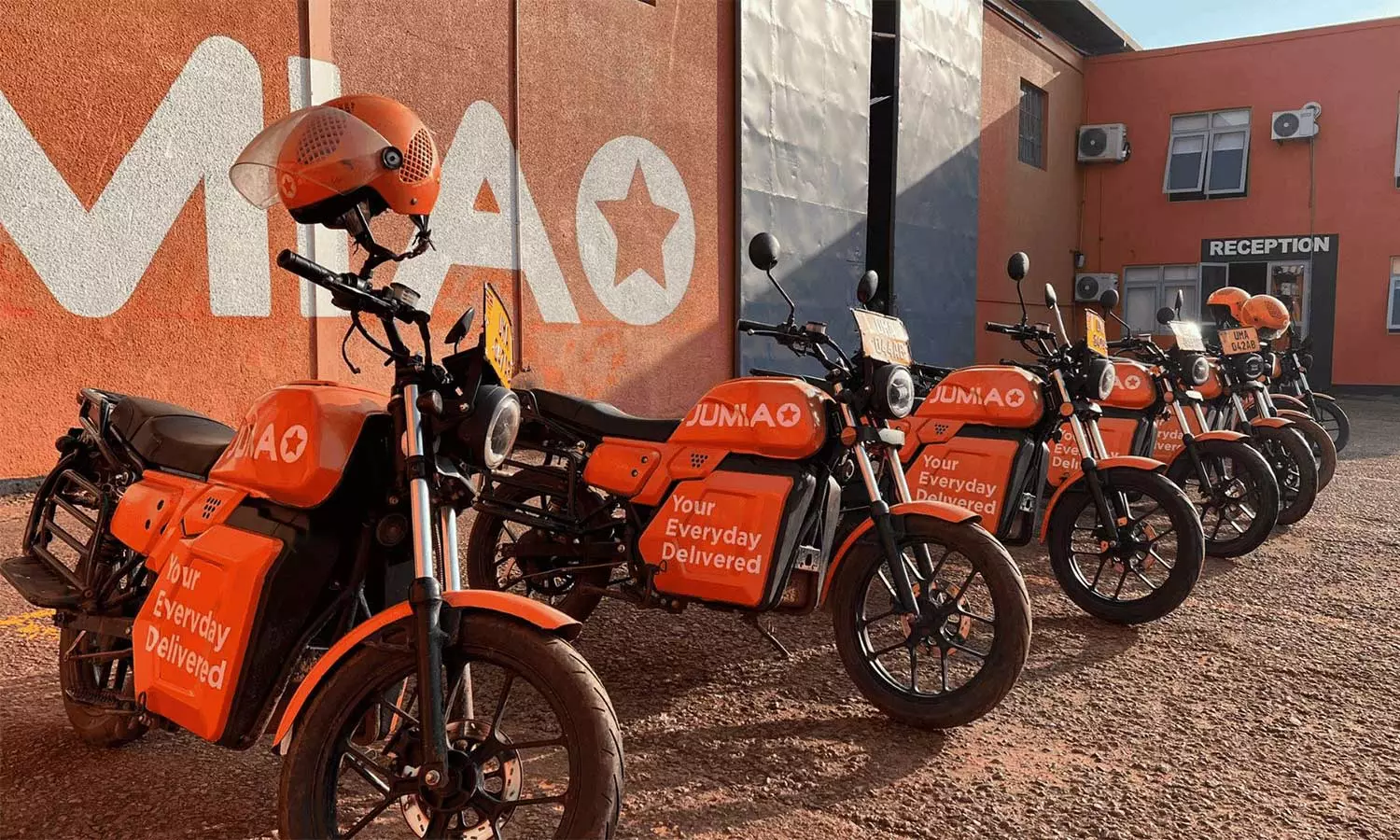
Uganda: Half the Fleet Is Electric — and It’s About Cost, Not Just Carbon
In Uganda, Jumia’s focus has been the final delivery leg — the stretch from sorting hub to customer door that has historically been the most fuel-dependent and emissions-heavy part of any courier chain.
At 50% EV penetration, the company’s Uganda fleet now runs on electric motorcycles and vans covering Kampala and surrounding areas. The practical effect is twofold: lower tailpipe emissions and a delivery cost structure that is no longer tied to global oil price swings.
That second point matters more than it might initially appear. Fuel price volatility has consistently disrupted last-mile logistics economics across Sub-Saharan Africa. An electric fleet doesn’t eliminate all costs — electricity pricing and charging infrastructure have their own complications — but it does reduce exposure to the commodity markets that have historically hit African logistics operators hardest.
Côte d’Ivoire: Solar Handles 40% of Warehouse Energy Load
While Uganda’s transition centers on movement, the West Africa shift is about power consumption at rest. Jumia’s Côte d’Ivoire warehouses now generate over 40% of their energy from solar installations.
Warehouses are power-heavy by nature. Lighting, sorting equipment, and temperature management run continuously, and in markets where grid reliability is inconsistent, dependence on the national supply carries operational risk beyond just cost.
Solar offsets both the cost and the reliability problem to a degree. At 40% of total consumption, the Abidjan operation is not fully grid-independent, but it has meaningfully reduced its exposure to outages and tariff increases — which is likely the more immediate driver behind the investment than carbon optics.
What This Actually Tells Us About Jumia’s Direction
The two initiatives are geographically separate and technically distinct — EVs in East Africa, solar in West Africa — but they share a common strategic logic: reduce dependence on inputs the company cannot control.
Fuel prices it cannot set. Grid reliability it cannot guarantee. By building infrastructure that partially insulates it from both, Jumia is making a straightforward bet that operational resilience and lower input costs will matter more over a five-year horizon than the upfront capital required to get there.
Whether this approach scales across other African markets — Nigeria, Kenya, Morocco — remains to be seen. But the Uganda and Côte d’Ivoire numbers are real enough to suggest the model is being tested rather than just announced.
Related EV News
- Cupra Raval Revealed: Specs, Range, and Price of Spain’s New Electric Hot Hatch
- Freelander EV SUV Survives -30°C Winter Tests — Huawei LiDAR, CATL 6C Charging, and $439M Factory Confirmed
- Volkswagen ID. Aura T6 Debuts With XPeng Tech, LiDAR, and Three-Row Seating Before Beijing Auto Show 2026
- 2026 Mercedes-Benz EQS Revealed With 575-Mile Range, Yoke Steering, and a 122 kWh Battery
- Chery Quietly Delays Exeed EX7 Launch to April 19 — The World’s First EMB Production Car Finally Gets a Sales Date