- Electric Vehicles
- TESLA
- Tesla Cybercab
Tesla Cybercab
- Drive Type: FWD
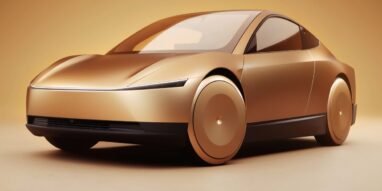
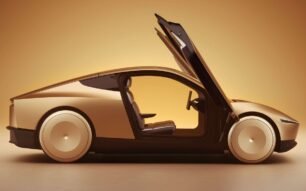
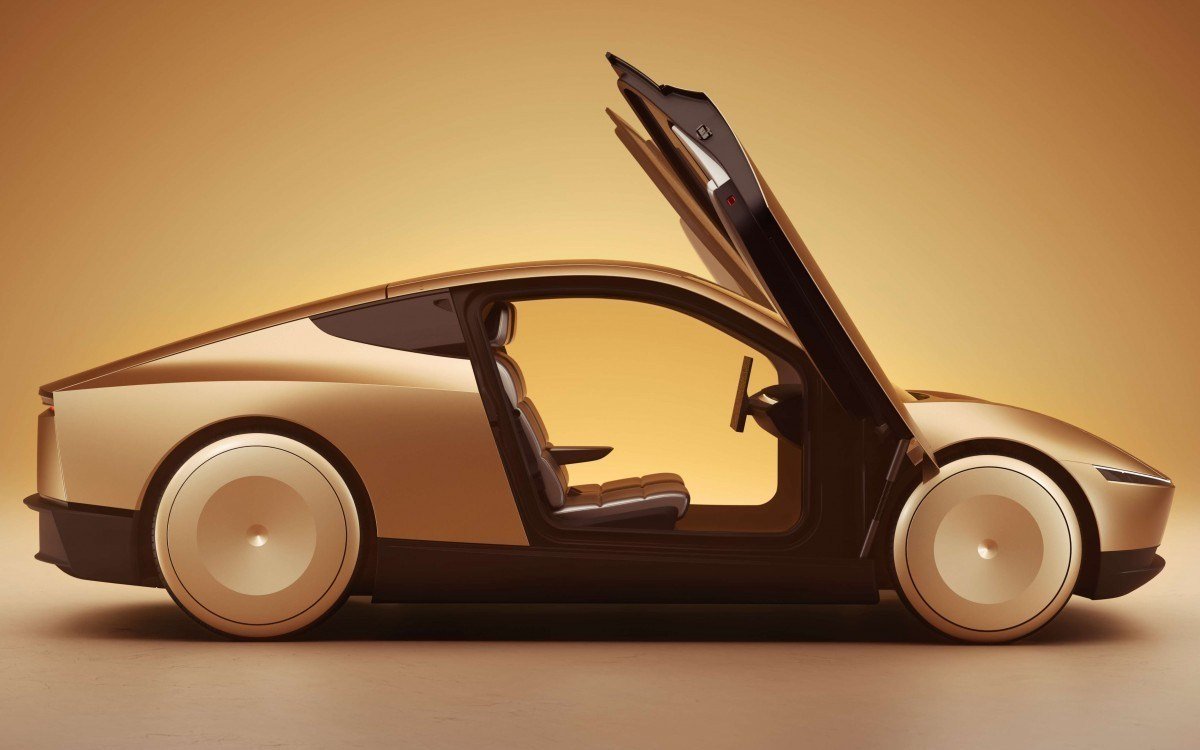
- Body Type: 2-door, 2-seat coupe, butterfly doors, no handles
- Self Driving: Full Self Driving
- Airbags: Yes
PROS
- First purpose-built robotaxi platform from a major automaker, and the lightest Tesla ever certified
- Strong efficiency: 219 hp and EPA-tested 418-mile combined range from a compact 48 kWh pack
- Targeted sub-$30K production cost could undercut fleet-vehicle economics industry-wide
CONS
- No published charging speed specs, and reliance on unproven wireless-only charging at scale
- Not available for individual retail purchase or African import — no steering wheel/pedals, no confirmed market outside US fleet pilots
The Tesla Cybercab is Tesla’s first dedicated robotaxi, manufactured at Giga Texas and sitting entirely outside the brand’s conventional Model 3/Y/S/X retail hierarchy. It is a two-passenger battery-electric vehicle designed to be fully autonomous as part of the Tesla Robotaxi service. It uses a single front-mounted motor, making it the first front-wheel-drive Tesla in the company’s history, a notable break from the rear- and all-wheel-drive layouts used across the rest of the lineup. EPA certification documents filed in May 2026 reveal the production specifications for the first time, confirming the platform has moved from concept to active manufacturing.
On powertrain, the Cybercab runs a 163 kW (219 hp) AC permanent-magnet motor on a 326-volt architecture with a roughly 48 kWh lithium-ion battery pack, helped by structural integration believed to use 4680-format cells. Curb weight comes in at 3,113 lbs (1,412 kg), making it the lightest Tesla ever certified. Range figures are unconfirmed pending the official EPA label: the unadjusted EPA combined-cycle test returned 418 miles (673 km), with 375.4 miles on the highway cycle, but InsideEVs estimates the real-world, window-sticker figure will land just under 300 miles once the standard adjustment factor is applied. On charging, no official AC onboard rate, DC peak rate, or 10–80% benchmark has been published. What is confirmed is that the production car retains a wireless inductive charging setup, and a full charge draws 53.365 kWh from the wall — about 12% above usable battery capacity, reflecting typical conversion losses.
On pricing and fit, Tesla’s stated target remains a sub-$30,000 production cost, which at current rates converts to roughly ₦40.8 million, KSh 3.89 million, or R485,000 — for reference only, since this isn’t a confirmed retail MSRP. The buyer profile is fleet operators running short, high-frequency urban trips, not individual commuters or families — the small battery is a deliberate trade-off for faster charging cycles and lower per-unit cost in ride-hailing duty. Within Tesla’s own range, the Cybercab sits apart from the Model 3 and Model Y rather than between them — it shares the 4680 structural-battery approach but on a stripped-down, single-purpose platform. Externally, it competes for fleet contracts against Amazon’s Zoox robotaxi and Alphabet’s Waymo fleet (built on Jaguar I-PACE and Zeekr platforms). For a direct spec/positioning comparison, Zoox is the closest match — also purpose-built, also designed around no driver controls, also sold exclusively into fleet operations rather than to individuals.
Important for this market: there’s currently no confirmed path for Cybercab into Nigeria, Kenya, or South Africa. Production prototypes have no steering wheel or pedals, it depends on US-specific autonomous permitting, and Tesla has signaled nothing about export or fleet deployment on the continent — the grey-market import route that works for Model 3/Y simply doesn’t apply here.
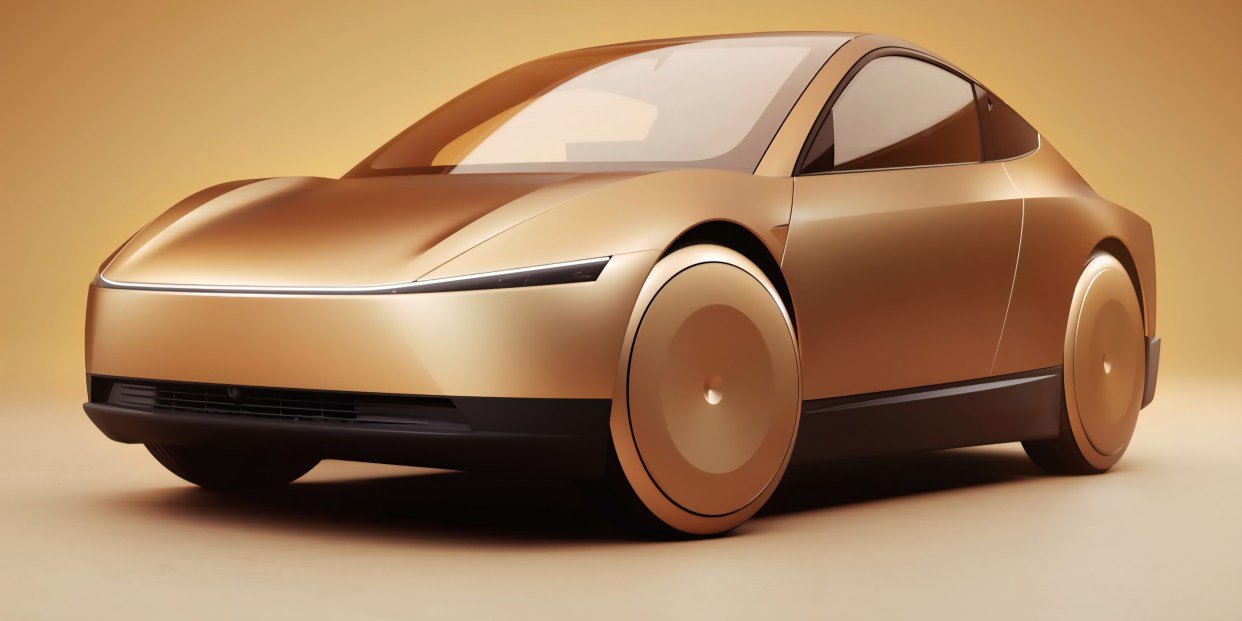
Tesla Cybercab Photos
Full Electric Vehicle Specifications
MODEL
| Full Model Name | Tesla Cybercab |
| Generation | 1st generation (new dedicated platform) |
| Segment / Class | Purpose-built autonomous robotaxi — no conventional passenger-car segment |
| Available Trims / Variants | Single configuration |
| Additional Notes | Production version has no steering wheel/pedals; test units have been fitted with both |
LAUNCH
| Reveal Date | October 10, 2024 ("We, Robot" event) |
| Launch Year | Production started April 2026; commercial launch targeted "before 2027" |
| Availability Status | Early production ramp, not retail-available |
| Brand / Manufacturer | Tesla, Inc. |
| Country of origin | United States |
| Assembly Country | United States (Giga Texas, Austin) |
| Markets Available | United States only (fleet/robotaxi pilots) |
| Grey Market Import | None — no individual-sale version exists |
| Base Price (USD) | Target under $30,000 (production cost target, not confirmed MSRP) |
BATTERY
| Battery Capacity | ~48 kWh (47.6–48.0 kWh) |
| Battery Architecture | Structural pack, believed 4680-format cells |
| Range (WLTP/CLTC/EPA) | EPA unadjusted combined: 418 mi (673 km) ; estimated real-world adjusted: ~293 mi (471 km) |
| Energy Consumption | ~165 Wh/mi |
| Heat Pump | |
| Battery Energy Density | 154 Wh/kg |
| Additional Notes | Primary charging method is wireless inductive charging; full recharge draws 53.4 kWh from the wall (~12% above usable capacity, charging losses); no external charge port confirmed |
PERFORMANCE
| Motor Type | AC permanent-magnet synchronous |
| Motor Configuration | Single front-mounted motor (FWD) |
| Front Motor Output (kW / HP) | 163 kW / 219 hp |
| Rear Motor Output (kW / HP) | None (FWD only) |
| Power Output (kW / hp) | 163 kW / 219 hp |
| Peak Power (kW / hp) | 163 kW / 219 hp |
| Transmission / Drive | Single-speed, FWD |
| Launch Control | N/A (autonomous-only operation) |
| Torque Vectoring | N/A (single motor) |
| Additional Notes | Power-to-weight ratio reported comparable to a first-gen Subaru BRZ |
BODY
| Body Style | 2-door, 2-seat coupe, butterfly doors, no handles |
| Platform / Architecture | Dedicated low-cost robotaxi platform ("Unboxed" modular assembly) |
| Kerb Weight (kg) | 1,412 kg (3,113 lbs) |
| Max Laden Weight (kg) | 1,692 kg (3,730 lbs) |
| Trunk/Boot Capacity (L) | Hatchback-style cargo opening |
| Payload Capacity (kg) | ~280 kg (617 lbs) |
| Sunroof | No |
| Aerodynamics | No side mirrors (camera-based), no rear window on concept |
| Additional Notes | Lightest Tesla currently certified — ~340 kg lighter than RWD Model 3 |
SAFETY
| 360° Camera / Surround View | Yes |
| Reversing Camera | Yes |
| Driver Assistance (ADAS) | Designed for full autonomy — no manual driving mode in production spec |
| Autonomous Driving System Name | Tesla FSD (Unsupervised) / Robotaxi stack |
| Autonomous Driving Hardware | Camera-based suite, no LiDAR (consistent with Tesla's general approach) |
| Over-the-Air (OTA) Safety Updates | Yes |
COMFORT
| Seating Capacity | 2 |
| Driver Seat Adjustment | N/A (no driver controls in production spec) |
| Steering Wheel | None in production spec (test units fitted with one) |
| Heated Mirrors | N/A (no physical mirrors — camera-based) |
| Electrically Folding Mirrors | N/A |
| Gear Selector | N/A (no manual controls) |
| 5G / LTE | Yes |
DISPLAYS
| Driver's Display (inches) | N/A (no driver seat controls) |
| Physical Controls | Minimal — no traditional driving controls |
LIGHTING
INFOTAINMENT & AUDIO
| Navigation System | Yes |
| Dashcam | Yes |
TECHNOLOGY
| Smartphone App Control | Tesla app / ride-hailing app |
| Keyless Entry / Start | N/A (no traditional start; ride-hailing app-based) |
| Automatic Parking | Implied by full autonomy |
| Over-the-Air Map Updates | Yes |
OWNERSHIP
| Official Dealer Network | N/A — fleet-operated, not sold via Tesla stores to individuals |
| Spare Parts Availability | N/A (US-only at present) |
| Import Duty Class | N/A — no import pathway to Nigeria, Kenya, or South Africa |
| Grey Market Support | None |
| Resale Value | N/A |
Note
| Data Source | Tesla EPA Certificate of Conformity filing (May 2026); Tesla "We, Robot" event (Oct 2024); InsideEVs, Electrek, Teslarati, Motor1, Autoblog, autoX, electrive reporting (June 2026) |
| Last Updated | June 18, 2026 |
| Additional Notes | Pre-production/early-production vehicle; most interior, safety, and infotainment specs remain undisclosed pending Tesla's official release |
User Reviews
Disclaimer Note
Specifications sourced from manufacturer data and may reflect WLTP, CLTC, or EPA test conditions. Import prices in your local are estimates based on grey-market landing costs and exclude duties, clearing fees, and local taxes. Figures are subject to change without notice. Always verify with your local importer before purchase. We can not guarantee that the information on this page is 100% correct