The $30,000–$50,000 electric sedan bracket has never been this competitive. Two years ago, Tesla and Hyundai split the segment between them. Today there are 15 credible options — many of them Chinese, most of them genuinely good, and a few that quietly embarrass cars costing twice the price. This cluster page breaks down every model worth knowing in 2025–2026: range figures labeled by test cycle (CLTC or EPA), confirmed prices in USD where available, and a straight verdict on who each car actually suits. Grey-market import guidance for Nigeria, Kenya, and South Africa is noted where relevant.
Quick Comparison: 15 Electric Sedans at a Glance
| Model | Starting Price (USD) | Range (best trim) | Test Cycle | Key Platform |
|---|---|---|---|---|
| Xiaomi SU7 2026 | ~$31,870 | 902 km | CLTC | 800V-class, Nvidia Thor-U |
| Xiaomi SU7 (2024) | ~$30,408 | 700 km | CLTC | 800V, Snapdragon 8295 |
| BYD Seal 08 | TBC (Q2 2026 launch) | 1,000+ km | CLTC | Blade Battery 2.0, 800V |
| BYD Han L EV | ~$30,380 | 700 km | CLTC | Blade LFP, 1,000 kW flash |
| NIO ET5 (2026) | ~$43,300 / $27,600 BaaS | 700 km | CLTC | NT2.5, BaaS swap |
| SAIC Z7 | ~$32,200 | 905 km | CLTC | Huawei Tuling, 100 kWh |
| Exlantix ES (2025) | ~$26,300–$37,400 | 710 km | CLTC | 800V, 5C CATL Shenxing |
| Hongqi EH7 | ~$31,920 | 820 km | CLTC | FME platform, 365 kW DC |
| Toyota bZ7 | ~$36,000 | 685 km | CLTC | GAC Toyota JV, Huawei ADS |
| XPeng P7 (2025/2026) | ~$34,000–$45,000 | 820 km | CLTC | XNGP, 800V |
| XPeng P5 | ~$25,000 (CN, legacy) | 600 km | CLTC | LiDAR ADAS, FWD |
| Tesla Model 3 2025 | ~$38,290 (US) | 363 miles | EPA | LFP/NMC, Autopilot std. |
| Hyundai Ioniq 6 | ~$39,095 (US) | 361 miles | EPA | E-GMP, 800V, 18-min DC |
| Mercedes-Benz CLA EV | ~$47,250 (US) | 374 miles | EPA est. | MMA 800V, MBUX AI |
| Tesla Model 3 (base) | ~$38,290 (US) | 333 miles | EPA | Standard RWD, LFP |
All CLTC figures are manufacturer-claimed under Chinese test conditions. Real-world range is typically 15–25% lower. EPA figures represent standardised US estimates. Prices converted from CNY at approximately $0.138/yuan (May 2026).
1. Xiaomi SU7 2026 — The Benchmark Shifted
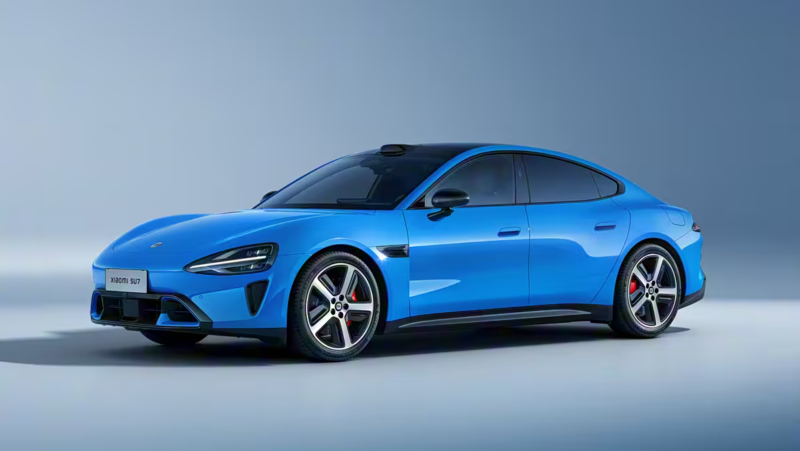
The 2026 SU7 is not a minor update. Xiaomi moved LiDAR, 4D millimetre-wave radar, and the Nvidia Thor-U chip (700 TOPS) to the standard trim — hardware that competitors charge a premium for. The base Standard trim now produces 235 kW (320 hp) via the V6s Plus motor, up from 220 kW on the outgoing model. All three variants run an 800V-class architecture, with the Max pushing 897V and supporting a 5.2C charge rate: 10–80% in 12 minutes.
Key specs: Base at ~$31,870 (¥219,900). Trims: Standard (73 kWh LFP, 720 km CLTC), Pro (96.3 kWh LFP, 902 km), Max (101.7 kWh NMC, 835 km, 508 kW / 690 hp dual-motor, 0–100 in 3.08s). Drag coefficient: 0.21 Cd. Wheelbase: 3,000 mm.
Africa grey-market note: The SU7 is China-only for now; European launch is confirmed for 2027. Grey-market imports to Nigeria or South Africa are possible via intermediaries at an estimated 35–50% premium over China price. Check evcarlatest.com’s import guides for duty structures.
Best for: Tech-first buyers who want flagship autonomous driving hardware without a flagship price tag. The Pro trim’s 902 km CLTC range is the segment standout.
2. Xiaomi SU7 (2024 Original) — Still Relevant
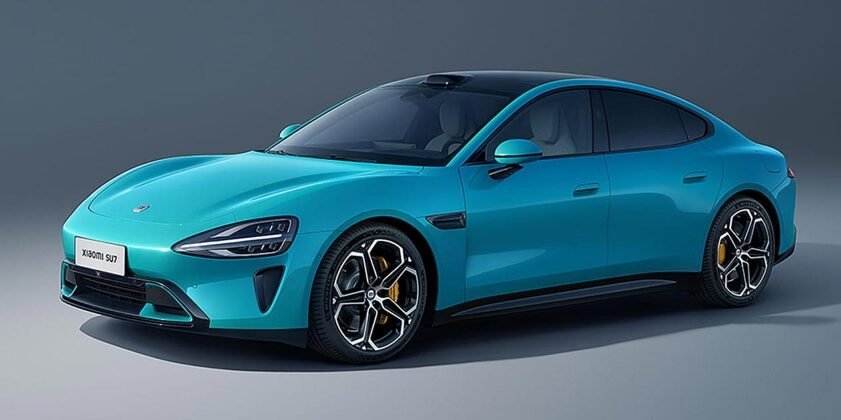
The first-generation SU7 that launched in March 2024 remains available through existing inventory and resale channels now that the 2026 model has replaced it. It’s not a bad option for cost-conscious buyers — the Standard trim at ~$30,408 (¥215,900) still packs a 700 km CLTC range, a Snapdragon 8295 infotainment chip, and a 220 kW rear motor.
Key specs: Standard: 75.6 kWh NMC, 700 km CLTC, 220 kW RWD, 0–100 in 5.28s. Max: 101 kWh NMC, 800 km CLTC, dual-motor 495 kW, 0–100 in 2.78s (~$42,239 / ¥299,900). Single LiDAR reserved for Max trim (upgraded to all trims on the 2026 model).
Best for: Buyers who can secure new old-stock pricing or a well-maintained used unit at a discount. The technology gap vs. the 2026 model is real, particularly in ADAS hardware.
3. BYD Seal 08 — The Most Anticipated Sedan of 2026
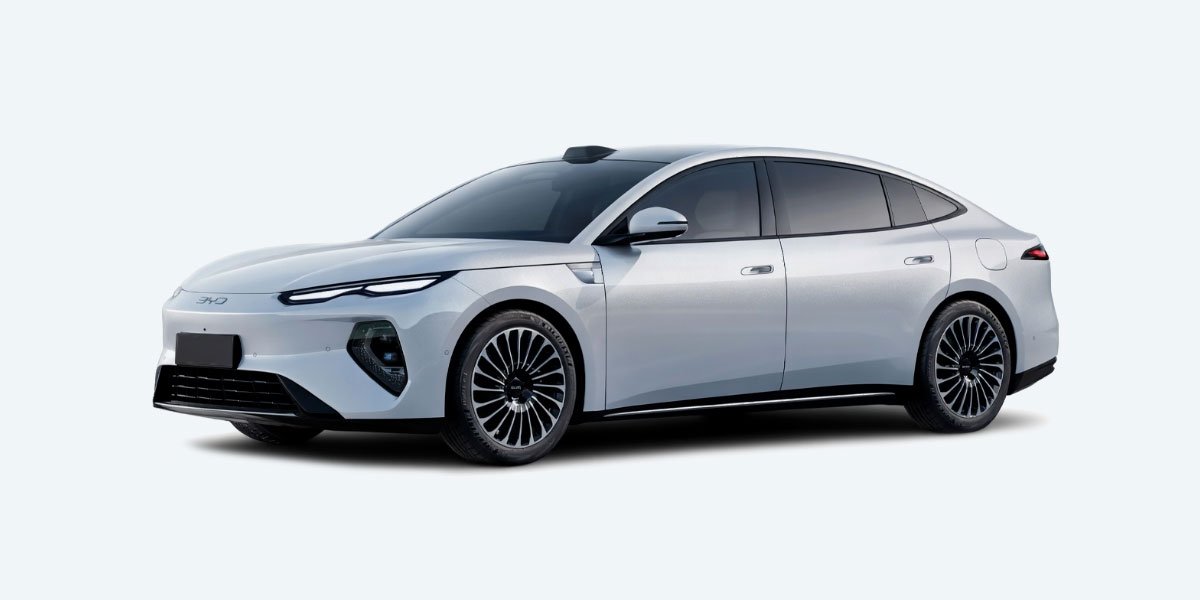
BYD unveiled the Seal 08 at the Beijing Auto Show in late April 2026. Pricing has not been confirmed at time of writing, but given the spec sheet, expect it to land above $40,000 CNY-equivalent in upper trims — potentially outside the strict $50K ceiling once duties are applied for export markets. That said, BYD’s pricing has consistently surprised downward.
Key specs: Full-size (5,150 mm long, 3,030 mm wheelbase). Second-generation Blade Battery (LFP), 1,000+ km CLTC range claimed. Flash charging: 400 km recovered in five minutes. Dual-motor AWD: 510 kW (684 hp). 0–100 in unconfirmed sub-3s territory. Rear-wheel steering, DiSus-A air suspension, BYD God’s Eye B (DiPilot 300) LiDAR-powered ADAS. Launches China Q2 2026.
Best for: Those who can wait. If BYD prices this below ¥350,000 (~$48,300) at launch, it becomes one of the most capable sedans in this price range — full stop.
4. BYD Han L EV — Supercar Power at Compact Car Money
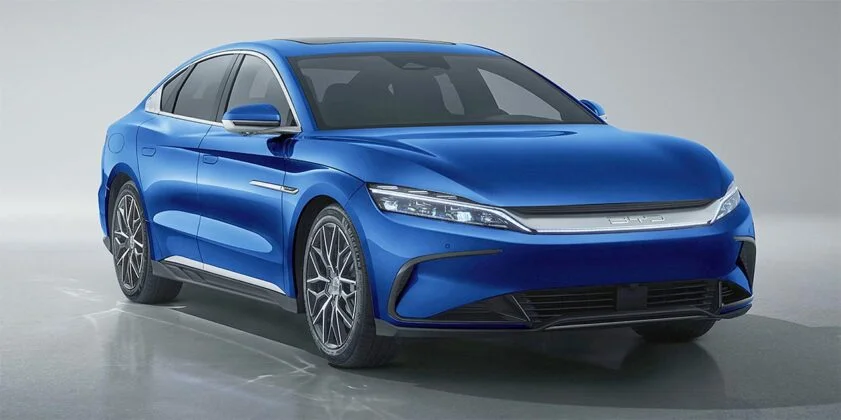
The Han L EV is the car that makes you double-check the price. At approximately $30,380, it produces 1,086 hp (810 kW) through a dual-motor AWD setup and covers 0–100 km/h in 2.7 seconds. The 100 kWh Blade LFP battery delivers a CLTC-rated 700 km range, and on BYD’s 1,000 kW flash charging stations, 400 km returns in five minutes. Those stations don’t yet exist in Nigeria or Kenya, but 350 kW chargers charge 10–80% in 10–25 minutes.
Key specs: AWD, 810 kW combined output, 700 km CLTC range, 287 km/h top speed. Interior: 15.6-inch rotating screen, ccNC platform, LiDAR-based God’s Eye ADAS, Nvidia Orin-X chip. Trunk: 470 litres. Weight: 2,466 kg.
Best for: Performance buyers on a strict budget. The Han L EV does things that cost $100,000+ elsewhere. Its main compromise is weight.
5. NIO ET5 (2026 Refresh) — Premium Chinese, Properly So
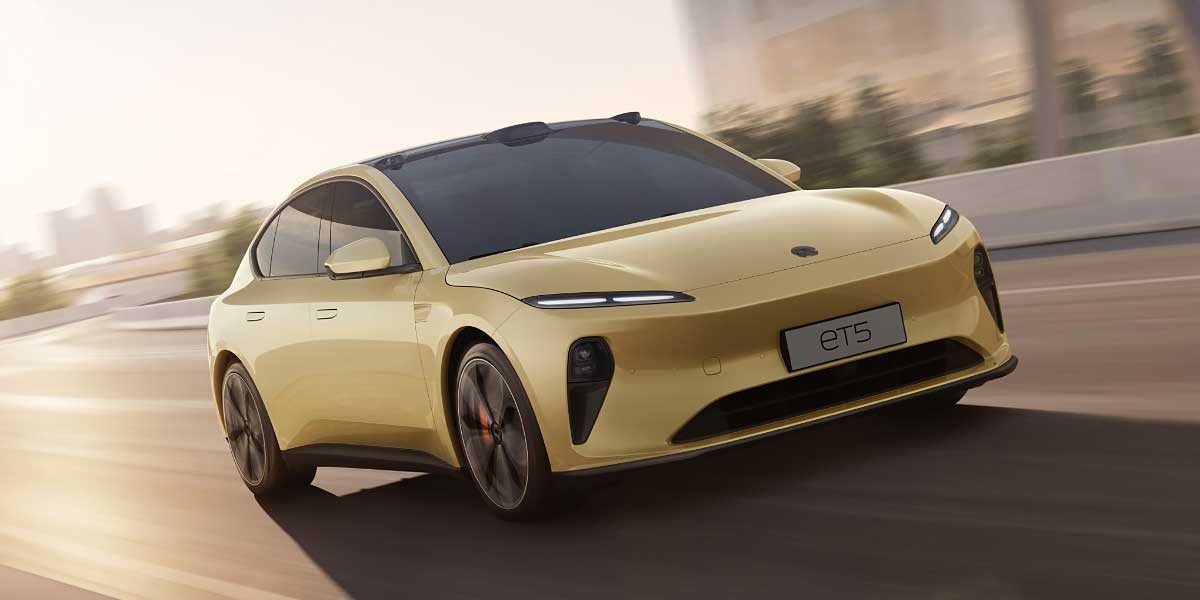
The 2026 ET5 refresh, delivered from May 2025 onward, brings a 15.6-inch AMOLED horizontal display (the old portrait 10-inch setup is gone), a 50-inch AR heads-up display, and previously optional comfort features — Nappa leather, heated steering wheel, seat massage, fragrance system — made standard across the range. Intelligent driving runs on Cedar S 1.4.6 software.
Key specs: Length 4,790 mm, wheelbase 2,888 mm. Available with 75 kWh standard or 100 kWh long-range battery (CLTC 560–700 km). Dual-motor AWD: 360 kW (482 hp), 0–100 in 3.9s. Price: ¥298,000 (~$43,300) with battery included, or ¥190,000 (~$27,600) under NIO’s BaaS subscription (battery rented separately). Battery swap stations available in China, Norway, and Germany.
Best for: Buyers who value a mature premium experience and can leverage the BaaS model to reduce upfront cost. The NIO ecosystem (battery swap, mobile chargers, Power Home) is the most complete of any Chinese brand.
6. SAIC Z7 — The Porsche Taycan at Toyota Camry Prices
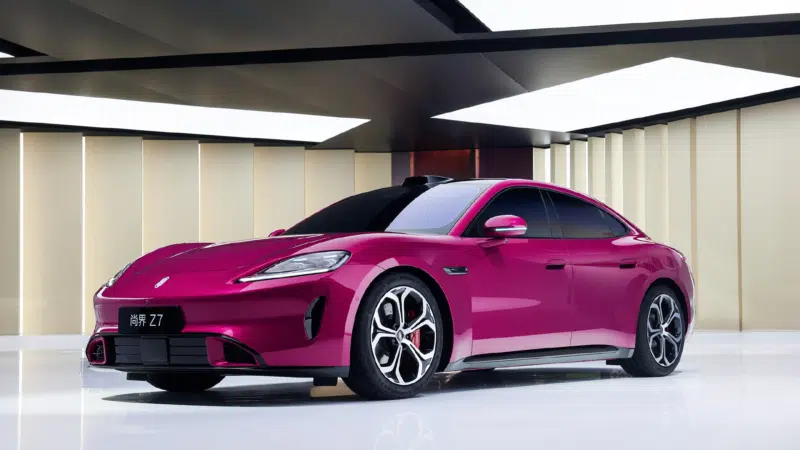
SAIC confirmed the Z7’s pricing in April 2026: from ¥219,800 (~$32,200). The design is openly Taycan-inspired — a fastback profile, flush door handles, and a low roofline — running on Huawei’s Tuling Platform with HarmonyOS 5 cockpit software. The Z7 Ultra dual-motor produces 590 hp and covers 0–100 km/h in 3.44 seconds.
Key specs: Base Z7 Max: 81 kWh, 359 hp RWD, 732 km CLTC. Z7 Max+: 100 kWh, 905 km CLTC (~$36,600). Z7 Ultra: 100 kWh, dual-motor 590 hp, 791 km CLTC (~$43,900). Shooting brake variant (Z7T) available from ~$33,700. All variants on an 800V architecture. Production version launched Q1 2026.
Best for: Design-conscious buyers who want Porsche proportions and Huawei intelligence. The Max+ at $36,600 is arguably the strongest value-for-money proposition in the segment.
7. Exlantix ES (2025 Chery/Exeed) — The Dark Horse
Chery’s Exlantix ES (badged Sterra ES in some markets) tends to get overlooked next to Xiaomi and BYD. That’s a mistake. The 2025 model has a drag coefficient of 0.205 Cd — genuinely exceptional — runs on an 800V, 5C-rate platform, and supports 30%–80% charging in nine minutes via CATL’s Shenxing battery. Three trim levels, priced from ¥189,800 to ¥269,800 (~$26,300–$37,400). A 2026 model with a 97.7 kWh battery and 860 km CLTC range is in regulatory certification.
Key specs: Length 4,945 mm, wheelbase 3,000 mm. RWD: 230 kW motor, 77 kWh LFP, 705 km CLTC, 0–100 in 5.6s. AWD: 353 kW combined, 710 km CLTC, 0–100 in 3.9s. Qualcomm 8295P chip, 15.6-inch 2.5K display, 23-speaker audio, zero-gravity co-pilot seat. Falcon Pilot LiDAR ADAS on upper trims.
Africa note: The Exlantix ES is exported to the Middle East and parts of Africa. Confirm availability through Chery’s regional distributors before specifying.
Best for: Range-per-dollar buyers. The aerodynamics alone mean real-world efficiency is class-competitive, and the 9-minute fast charging is among the fastest in the segment.
8. Hongqi EH7 — China’s National Brand Goes Electric
Hongqi (Red Flag) is China’s state prestige marque. The EH7 is its first pure electric sedan and it launched in March 2024 at ¥229,800–¥309,800 (~$31,920–$43,100). The build quality leans toward traditional luxury — long wheelbase, quiet cabin, conservative exterior — rather than the tech-flashy approach of Xiaomi or NIO.
Key specs: Length 4,980 mm, wheelbase 3,000 mm. Battery options: 75 kWh (600 km CLTC), 85 kWh (690 km), 111 kWh (820 km). Rear-drive: 253 kW (339 hp), 0–100 in 5.8s. AWD: 0–100 in 3.5s. Max DC charging: 365 kW, capable of 10–80% in 20 minutes. C-NCAP/Euro NCAP dual five-star crash design standard.
Best for: Business buyers and family users who prioritise cabin refinement, brand prestige, and long range over tech-forward features.
9. Toyota bZ7 — Toyota’s Biggest EV Bet in China
The bZ7 is a full-size sedan (over 5 metres long) developed through the GAC Toyota joint venture for the Chinese market only. It runs Huawei’s HarmonyOS Cockpit 5 and ADS 4.0 driver-assistance system — Toyota essentially outsourced the intelligence layer to Huawei, which is a pragmatic but notable choice.
Key specs: Starting ~$36,000. Single motor: 183 kW (245 hp), 0–100 in 7.5s. Expected battery: 65 kWh, 685 km CLTC range. AWD versions with up to 500 hp are anticipated for upper trims. Went on sale in China in 2026.
Best for: Toyota loyalists transitioning to electric who want a familiar badge with a properly large cabin. The performance is modest by Chinese EV standards, but the Toyota reliability reputation carries weight for first-time EV buyers.
10. XPeng P7 (2025/2026) — The AI Sedan
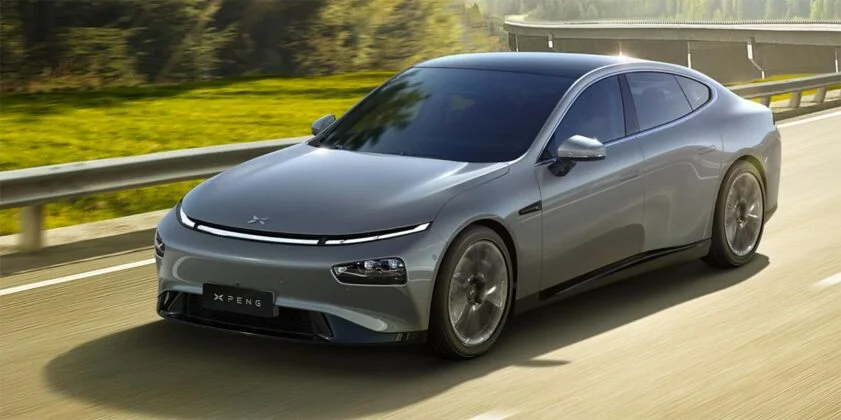
XPeng’s P7+ (the current generation, often referred to simply as P7 in export documentation) is XPeng’s AI-focused flagship sedan. XPeng recently shipped the refreshed P7+ to 18 countries. It’s built around XNGP, XPeng’s full-scenario intelligent driving system, which has been improving rapidly through OTA updates.
Key specs: 76 kWh battery, 820 km CLTC range (Max trim). 0–100 km/h in 4.5s. 5-door liftback design. Available in Long Range and Max configurations, approximately $34,000–$45,000 depending on trim and market. Qualcomm Snapdragon 8295 infotainment, dual front LiDAR.
Best for: Buyers who prioritise autonomous driving ambition over outright performance. XPeng’s ADAS development pace has been faster than most peers over the past 18 months.
11. XPeng P5 — The Pioneer, Now End of Life
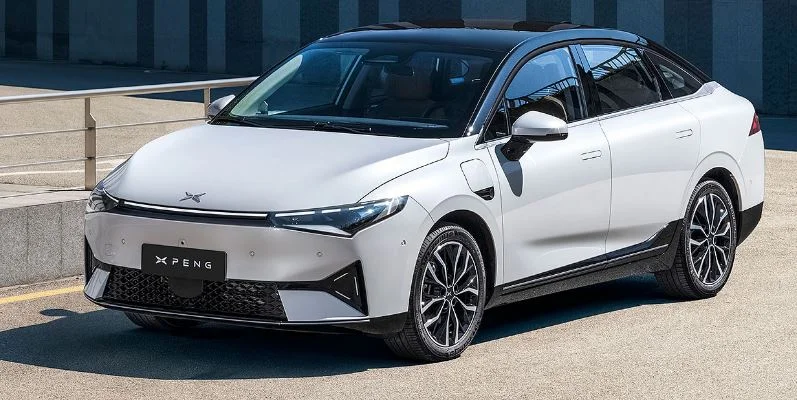
The P5 deserves recognition: it was the world’s first mass-produced car with LiDAR sensors when it launched in 2021. In 2025–2026 terms, though, it’s an older-generation vehicle. Sales in China have wound down and the model is effectively discontinued in its home market, though some inventory remains through export channels and legacy dealers in select markets.
Key specs (original launch): Front-wheel drive only. 60.2 kWh or 70.8 kWh battery, up to 600 km CLTC range. Single motor, 155 kW (211 hp), 0–100 in 7.5s. Starting price in China was approximately ¥179,900 (~$25,000 at original exchange rates). European market price was higher.
Best for: Used-market shoppers or markets where it’s still available new. For 2025–2026 new purchases, the P7 or another model is a stronger choice.
12. Tesla Model 3 2025 — The Global Benchmark
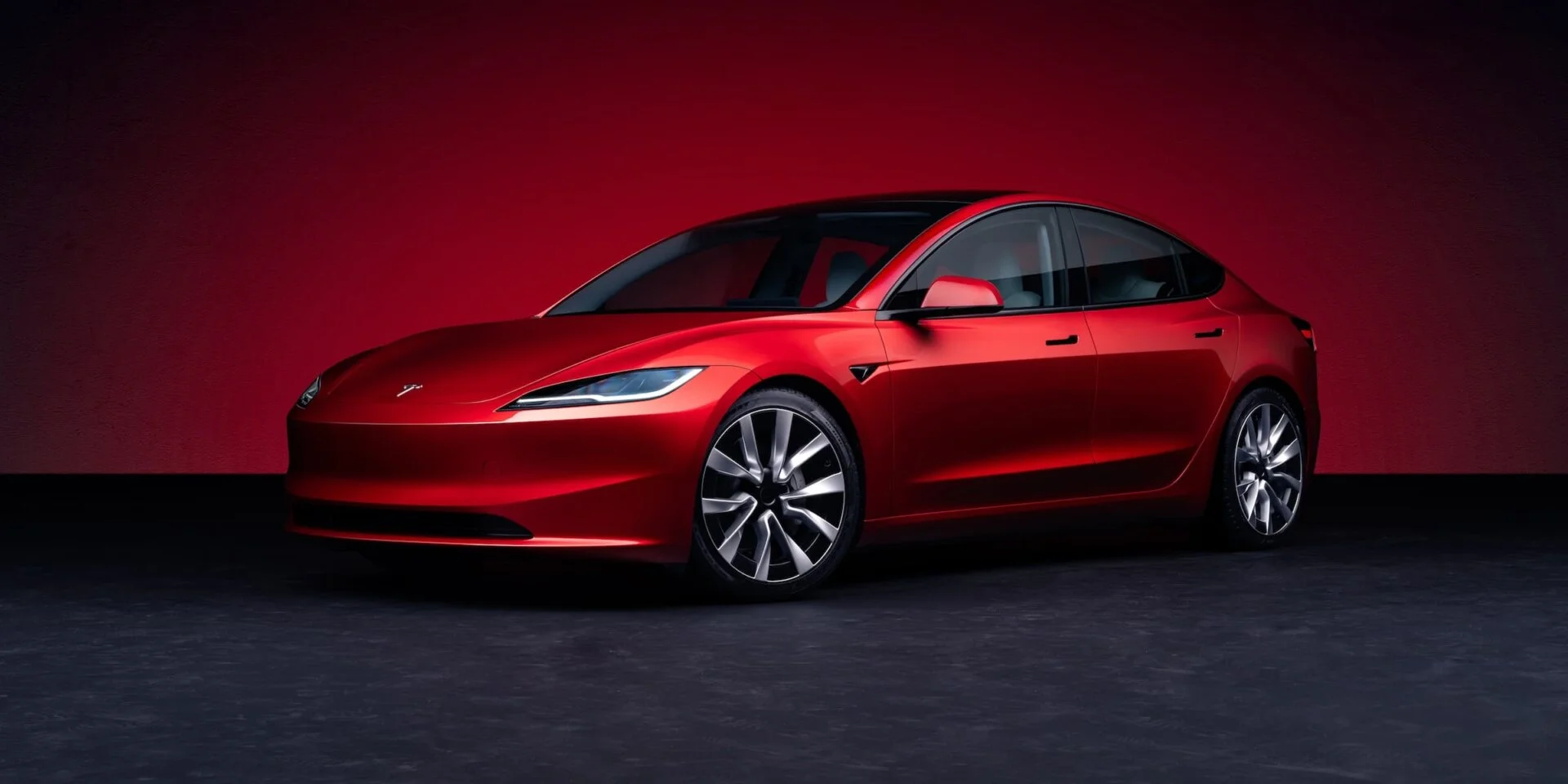
The 2025 Model 3 is the third generation, updated with a refreshed exterior (Highland facelift introduced 2024), improved interior, and better acoustic insulation. It remains the best-selling electric car globally and comes with Autopilot as standard — traffic-aware cruise and auto-steering included. Full Self-Driving (Supervised) is a paid subscription.
Key specs: US pricing from $38,290 (Standard RWD, 333 miles EPA). Long Range RWD: 363 miles EPA. Performance AWD: 315 miles EPA, 0–60 in 2.9s. European pricing starts from approximately €38,990. Nigerian grey-market imports have landed at ₦28–₦38 million depending on trim and exchange rate fluctuations.
Best for: Global buyers who want the largest charging network (Supercharger), strong resale value, regular OTA updates, and proven reliability data. The Model 3 still tops most objective efficiency benchmarks in its class.
13. Tesla Model 3 (Base Standard RWD) — vs. the 2025 Update
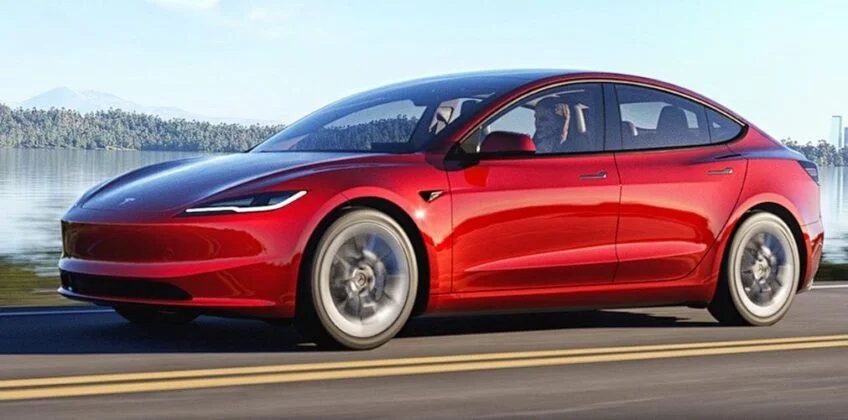
The base Standard RWD and the 2025 “Long Range” updates are effectively the same generation (the Highland facelift). The key differences are battery size, range, and powertrain. If budget is the constraint, the Standard RWD at $38,290 delivers 333 miles (535 km) EPA range and access to the full Supercharger network. The Long Range adds 30 miles of EPA range and rear-wheel drive only — the Performance gets AWD and the 2.9-second sprint.
Note for this cluster: Tesla Model 3 Standard RWD and Tesla Model 3 2025 Long Range are the same Highland-generation vehicle. The table above and the section above cover this car. Refer to the 2025 Model 3 entry for full detail.
14. Hyundai Ioniq 6 — The Efficiency Record Holder
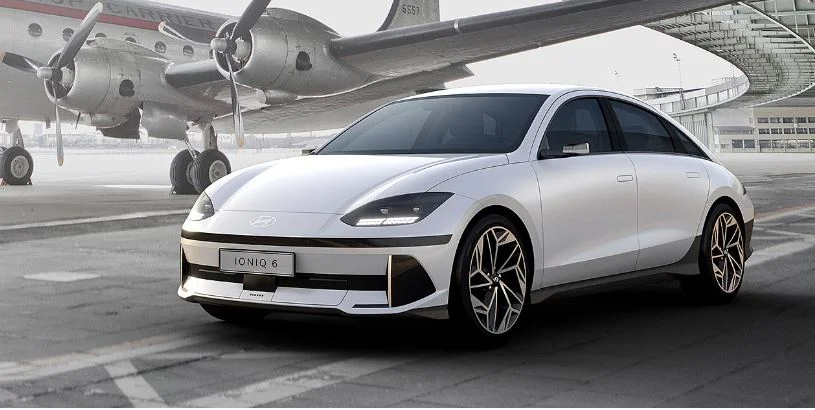
The Ioniq 6 holds the aerodynamic record in the mass-market EV segment (0.21 Cd) and posts the strongest EPA range in its non-luxury price bracket. The 2025 model starts at ~$39,095 in the US and is available in South Africa through Hyundai’s official dealer network — one of the few cars on this list with confirmed African distributor support.
Key specs: Standard Long Range RWD: 77.4 kWh, 361 miles EPA. AWD: 74 kWh, 270 miles EPA, 0–60 in 4.6s. E-GMP 800V platform, 350 kW DC fast charging (10–80% in 18 minutes). 10-year/100,000-mile battery warranty (US). WLTP range: up to 614 km. Available with NACS charging port (Supercharger compatible).
Africa market note: Official Hyundai South Africa sales. Kenya and Nigeria: grey-market imports. Check duty bands — the Ioniq 6 qualifies for EV incentive rates in Kenya.
Best for: Buyers who want official warranty support, proven servicing infrastructure, and best-in-class real-world efficiency. On a long highway drive, the Ioniq 6 outranges almost everything in this list on a per-kWh basis.
15. Mercedes-Benz CLA EV 2026 — Premium Done Properly
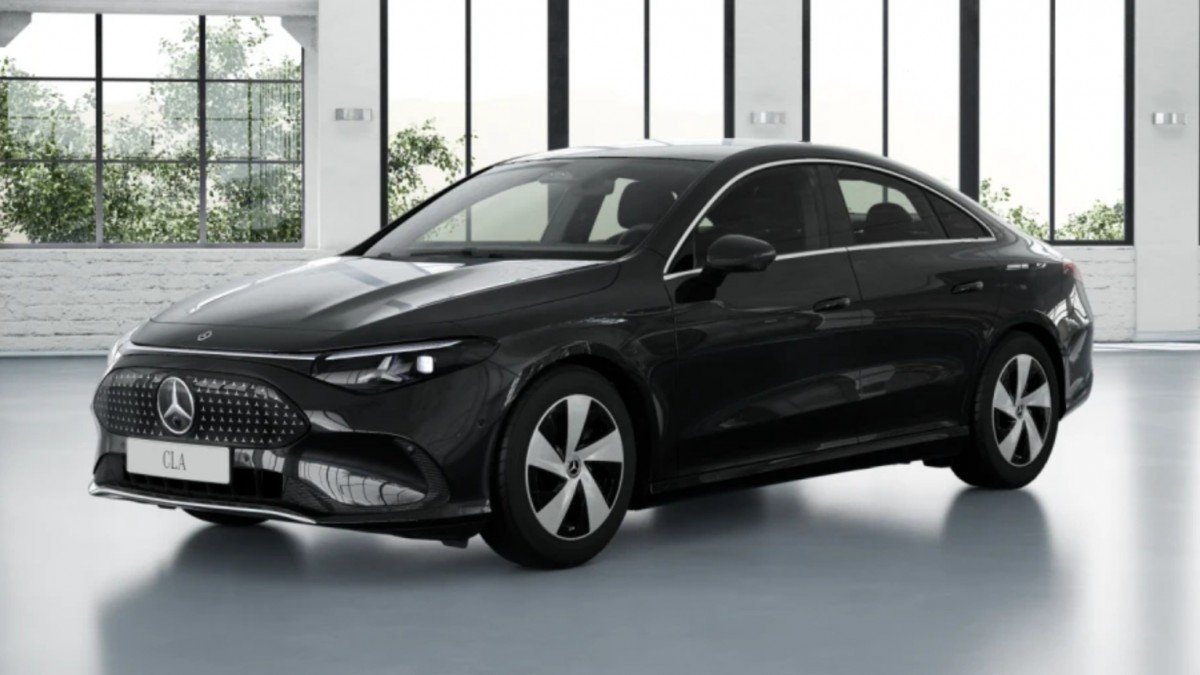
The 2026 CLA with EQ Technology is a clean-sheet design, not a rebadged existing model. It rides on Mercedes’ MMA (Mercedes Modular Architecture) 800V platform, starts at $47,250 in the US, and claims 374 miles of EPA-estimated range — more than the BMW i4 ($59,075) or the Ioniq 6 at a lower price point than either. The base trim includes MBUX with facial recognition profile login, panoramic roof, heated front seats, and memory — spec levels that German rivals put behind option packages.
Key specs: CLA 250+ (base EV): single motor, 800V architecture, 374 miles EPA. CLA 350 4MATIC: dual-motor AWD, $49,800. Production began late 2025, US deliveries through early 2026. German/European prices approximately €47,000 base.
Best for: Buyers who need a Mercedes badge for business or prestige reasons, and who want the longest-range premium EV sedan under $50,000. It’s the most luxuriously appointed car on this list at its price point.
How to Pick: Four Buyer Profiles
If You Want Maximum Range Per Dollar
SAIC Z7 Max+ (~$36,600 / 905 km CLTC) or Exlantix ES AWD (~$37,400 / 710 km CLTC) are the standouts. Both run 800V platforms with class-competitive fast charging. The SAIC Z7 also looks genuinely good.
If You Want the Fastest Charging
BYD Han L EV on a 1,000 kW station (400 km in five minutes) wins outright — if you can find that infrastructure. More practically, the Exlantix ES (9 min, 30–80%) and Hyundai Ioniq 6 (18 min, 10–80% on 350 kW) are the best available-today options.
If You Want ADAS / Autonomous Driving Capability
Xiaomi SU7 2026 (LiDAR standard across all trims, 700 TOPS Nvidia Thor-U) leads the segment. XPeng P7 (XNGP highway + urban) and NIO ET5 (Cedar S intelligent driving) are the other strong choices.
If You Need Official African Market Support
Hyundai Ioniq 6 (South Africa official, Kenya EV duty-exempt category) and Tesla Model 3 (South Africa official) are the safest bets. All Chinese models on this list require grey-market import into Nigeria and Kenya as of mid-2026.
Frequently Asked Questions
Which electric sedan offers the most range under $50,000?
The SAIC Z7 Max+ (~$36,600) claims 905 km CLTC range, making it the longest-range model on this list. Under EPA testing (which tends to be 20–25% lower than CLTC), that converts to approximately 680–720 km. The BYD Seal 08 claims over 1,000 km CLTC but its price is not yet confirmed at the time of writing.
Is the Xiaomi SU7 2026 available outside China?
No. As of May 2026, the Xiaomi SU7 2026 is sold exclusively in China. Xiaomi has confirmed a European launch no earlier than 2027. Grey-market imports to Africa or the Middle East are possible through third-party intermediaries but add 35–50% to the China price before local duties.
What is BaaS on the NIO ET5 and how does it affect price?
BaaS (Battery-as-a-Service) is NIO’s subscription model where the buyer purchases the car without the battery pack. This reduces the upfront price from ~$43,300 to ~$27,600, with a monthly subscription fee for battery access. NIO’s battery swap stations then allow the battery to be swapped in under five minutes. This model is currently only practical in China, Norway, and Germany where the swap network exists.
How does CLTC range compare to real-world driving?
CLTC (China Light-duty Vehicle Test Cycle) is a relatively lenient standard optimised for low-speed urban and suburban driving. Under mixed or highway-dominated real-world conditions, expect 15–25% less than the claimed figure. EPA figures (used by Tesla and the Ioniq 6 for US sales) are a closer approximation of actual highway range.
Which of these sedans are available in Nigeria, Kenya, or South Africa?
The Hyundai Ioniq 6 is officially sold in South Africa. The Tesla Model 3 is available through Tesla South Africa. All Chinese models on this list — Xiaomi SU7, BYD Han L EV, SAIC Z7, Hongqi EH7, Exlantix ES, NIO ET5, XPeng P7, and Toyota bZ7 — require grey-market import in Nigeria and Kenya. The Exlantix ES has export channels to the Middle East and parts of Africa; confirm current availability with Chery’s regional distributors.
Is the Mercedes-Benz CLA EV worth the premium over Chinese alternatives?
At $47,250–$49,800, the CLA EV is the most expensive car on this list and costs more than Chinese competitors with longer range or more power. What it offers that the Chinese options do not — at least in Africa — is official dealer support, local warranty servicing, parts availability, and resale value in markets where Mercedes holds strong residuals. For buyers in South Africa or Nigeria where brand perception and after-sales matter, the premium is partly justified.
What happened to the XPeng P5?
The XPeng P5 was discontinued in China as of 2024–2025. It was historically significant as the world’s first mass-produced car with LiDAR-based ADAS, but the hardware is now two generations behind. Legacy stock and second-hand units remain in some markets. For new purchases in 2025–2026, the XPeng P7 or P7+ is the relevant replacement.
Related EV Clusters
- Kia Electric Lineup 2026: Full Model Comparison
- Chinese Electric Hatchbacks 2026: 17 Models From $5K to $30K
- Xpeng EV Guide 2026: Full Lineup vs the Competition
- Luxury Chinese Electric SUVs 2026: $70K–$90K Compared
- Premium Chinese Electric SUVs 2026: $50K–$70K Compared